The Step Brothers Bathroom Scene Script Explained: Anatomy of a Cult Comedy Masterpiece
The infamous bathroom scene in the 2008 comedy Step Brothers, directed by Adam McKay and starring Will Ferrell and John C. Reilly, revolves around an escalating conflict over a drum set, leading to verbal threats, property damage, and...
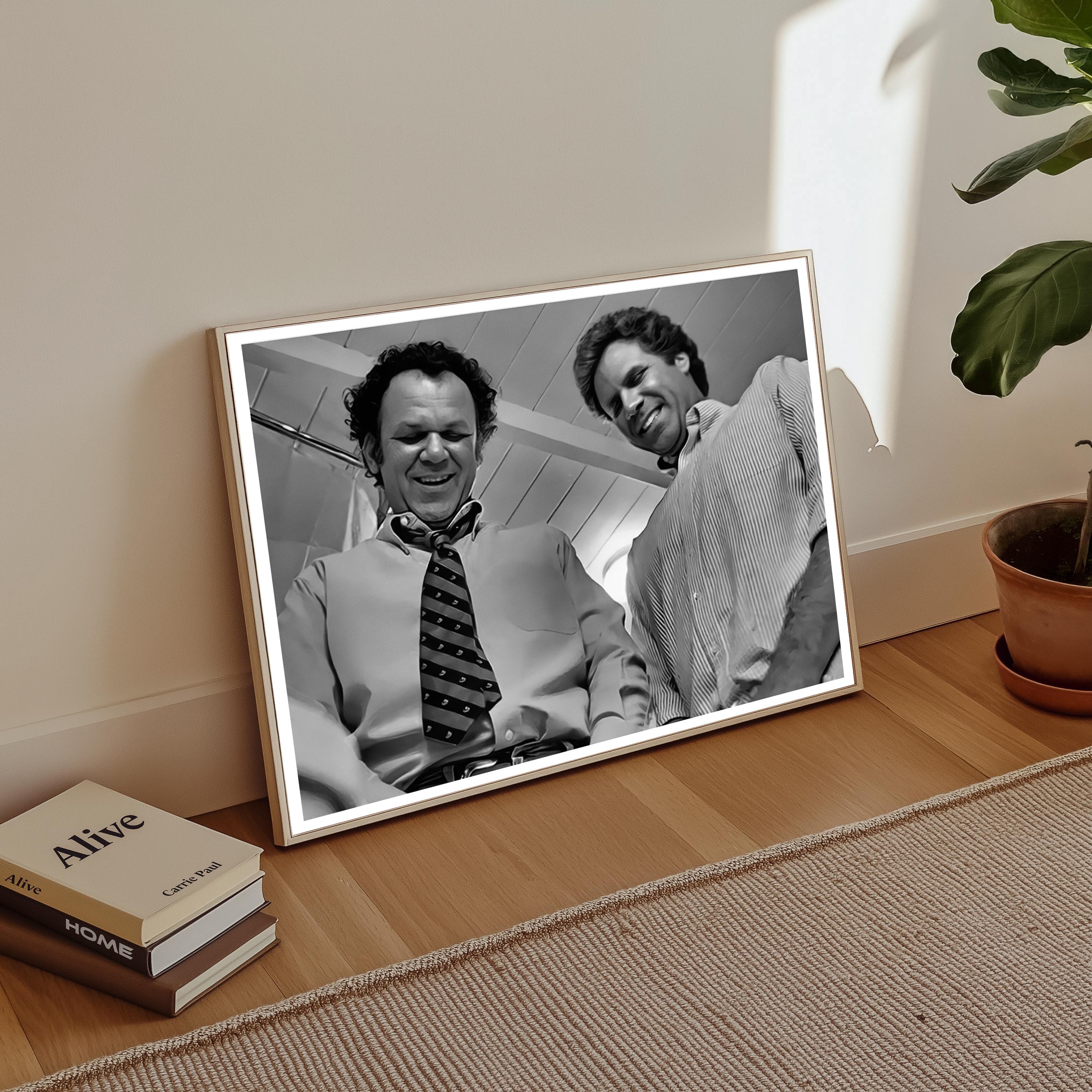
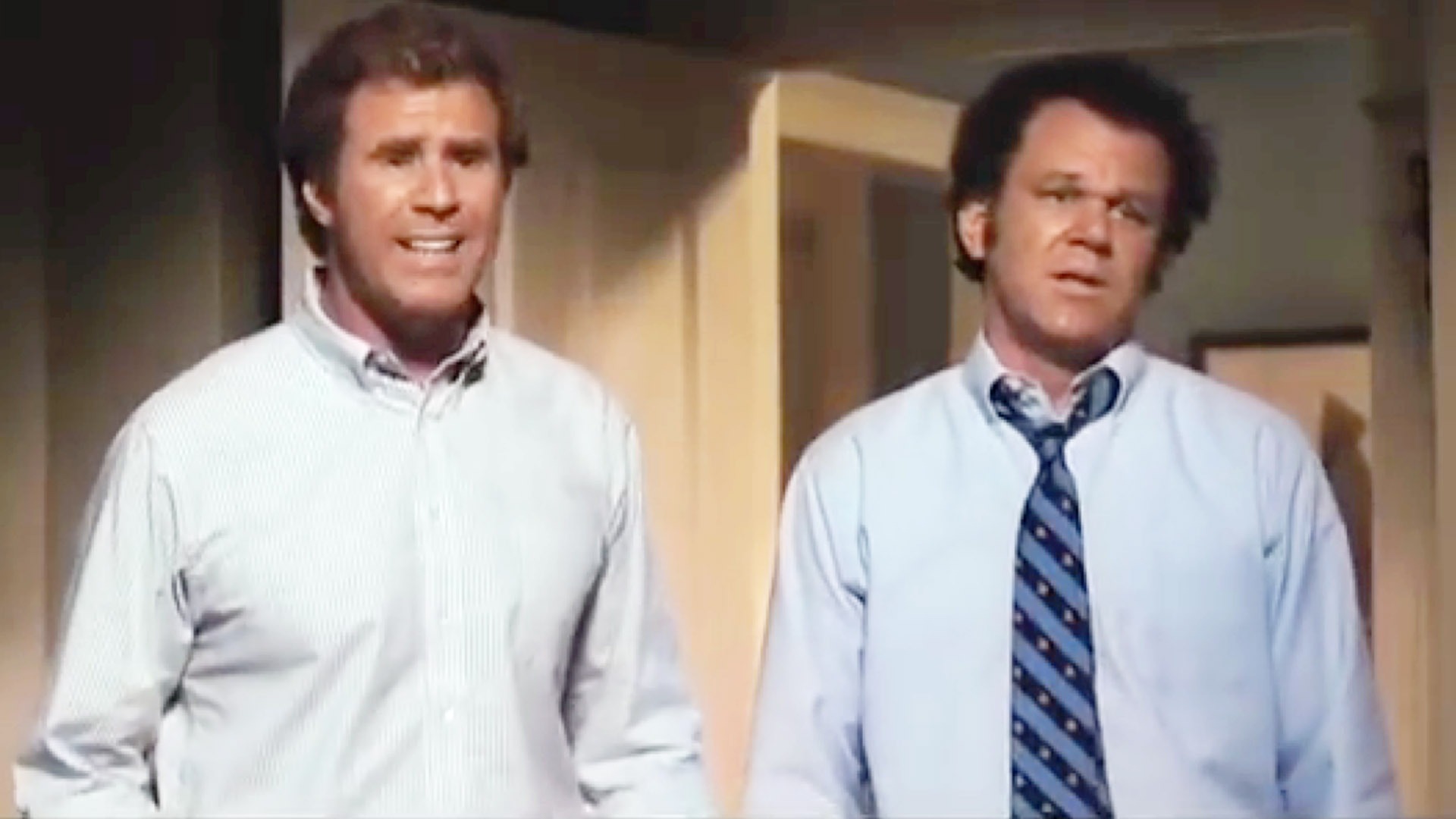
The infamous bathroom scene in the 2008 comedy Step Brothers, directed by Adam McKay and starring Will Ferrell and John C. Reilly, revolves around an escalating conflict over a drum set, leading to verbal threats, property damage, and a deeply bizarre punishment involving a toothbrush. The sequence is a masterclass in improvisational-style studio comedy, character absurdity, and the subversion of domestic norms.
Contents
Introduction to the Setup and Narrative Context
Understanding the bathroom sequence requires examining the fragile ecosystem of the household shared by Dale Doback (John C. Reilly) and Brennan Huff (Will Ferrell). At the ages of 40 and 39 respectively, both men are unemployed, childishly entitled adults forced to live together after their respective single parent, Robert (Richard Jenkins) and Nancy (Mary Steenburgen), marry. The premise creates immediate friction, turning a suburban suburban home into a battleground of petulant egos.
The script, co-written by Will Ferrell and Adam McKay with a story credit shared with Judd Apatow, thrives on escalation. Prior to the bathroom confrontation, tensions have already reached a boiling point over shared living spaces, chores, and most critically, Brennan’s drum set. Robert has explicitly forbidden Dale from touching Brennan’s drum kit. This rule serves as the narrative catalyst for the ensuing confrontation, transforming a minor domestic infraction into a theatrical war of wills.
Scene Breakdown: Beat by Beat Analysis
The script transitions into the bathroom scene following a flagrant violation of the household rules. The structural progression of the scene moves from a petty dispute over property to psychological warfare and physical degradation.
The Inciting Violation and Confrontation
The scene begins with Brennan discovering Dale in his bedroom actively playing the drum set, ignoring Robert's direct orders. When Brennan confronts him, Dale attempts to deflect blame before retreating to the safety of the master bathroom.
In standard cinematic screenwriting, the bathroom acts as a threshold or a safe room, but in Step Brothers, it becomes a pressure cooker. Brennan corners Dale, who has locked himself inside. Rather than knocking politely, Brennan escalates the hostility immediately, utilizing verbal threats that mix mundane suburban language with hyper-violent absurdity.
Dialogue Dynamics and Escalation
The script relies heavily on cadence, repetition, and the absolute sincerity with which Ferrell and Reilly deliver lines that are fundamentally ridiculous.
- Brennan's Demand: Brennan demands retribution for the perceived desecration of his musical instruments. His dialogue is defined by intense, unearned authority.
- Dale's Defense: Dale counters with defensive posturing, utilizing high-pitched whimpering and sudden shifts to aggressive counter-threats.
The tension peaks when Brennan forces his way into the bathroom space. The confined setting magnifies the physical comedy, forcing two large grown men into a small domestic room designed for one person's hygiene routine.
The Toothbrush Incident
The centerpiece of the script—and the moment most frequently discussed by fans—involves the weaponization of personal hygiene. In a fit of petty vengeance, Brennan threatens Dale's toothbrush.
When Brennan forces Dale to clean up his mess or face humiliation, the script pivots into a taboo-breaking gross-out gag that remains remarkably grounded in the characters' childlike logic. The dialogue shifts from loud shouting to hissed ultimatums. The resulting act—involving the toothbrush, toilet water, and forced compliance—demonstrates the dark, juvenile nature of the characters' rivalry before they eventually bond later in the film.
Screenwriting and Production Techniques Behind the Scene
The brilliance of the Step Brothers bathroom scene is not solely found on the printed page of the shooting script; it lies in the intersection of written structure and comedic performance. Director Adam McKay was well-known during this era of comedy filmmaking for fostering an environment of controlled chaos on set.
Script Versus Improvisation
While the structural narrative beats, character motivations, and key plot points were strictly outlined in the screenplay, McKay frequently encouraged his cast to run multiple alternate takes. This meant that while the blueprint of the argument was firmly established, many of the specific insults, verbal stutters, and physical reactions were discovered during production.
The script utilizes a technique known as "escalating absurdity." Each line of dialogue attempts to out-exaggerate the previous one.
| Script Element | Written Intent | On-Screen Execution | Comedic Result |
|---|---|---|---|
| The Setup | Establish rule-breaking regarding the drums | Dale caught red-handed playing the kit | Immediate establishment of character hypocrisy |
| The Pursuit | Chase sequence leading to a trapped space | Confined bathroom setting | Heightened claustrophobia and physical comedy |
| The Ultimatum | Coerce Dale through psychological intimidation | Deadpan delivery of absurd hygienic threats | Juxtaposition of high drama with low-stakes pettiness |
| The Resolution | Establish dominance before the scene cut | Uncomfortable physical proximity and defeat | Deepening of the bizarre roommate dynamic |
Directing Tone and Pacing
The pacing of the scene relies on rhythm. Editor Brent White structured the scene to alternate between wide shots showing the absurdity of two middle-aged men fighting in a residential bathroom and tight close-ups capturing their furious, tear-streaked expressions. This editing rhythm prevents the scene from becoming merely gross or mean-spirited; instead, it highlights the pathetic vulnerability beneath the characters' hyper-masculine posturing.
Cultural Impact and Fan Reception
Decades after its 2008 theatrical release, Step Brothers achieved status as a modern classic of American comedy, and the bathroom sequence stands out as one of its most frequently quoted passages.
The scene encapsulates the core thematic engine of the film: the prolonged adolescence of its protagonists. By treating a domestic dispute over a drum set and a toothbrush with the gravitas of a geopolitical crisis, the script highlights the arrested development of Dale and Brennan. Audiences responded to the utter lack of cynicism in the performances. Ferrell and Reilly do not play their characters as malicious villains; they play them as literal children trapped in the bodies of middle-aged men, making their vicious arguments inherently absurd rather than genuinely terrifying.
Frequently Asked Questions
Was the bathroom scene in Step Brothers improvised?
The core structure, plot beats, and narrative requirements of the scene were fully scripted by Will Ferrell and Adam McKay. However, many of the specific lines, micro-expressions, and physical reactions were born from on-set improvisation during take variations.
What role does the bathroom scene play in the film's overall arc?
The scene serves as a midpoint escalation in the adversarial relationship between Dale and Brennan. It demonstrates the absolute nadir of their mutual hostility, establishing how toxic their living arrangement is before narrative forces compel them to bond over shared interests later in the story.
Why do Dale and Brennan act like children in the script?
The entire premise of Step Brothers is an exploration of arrested development and economic stagnation. The script consciously strips away adult maturity, allowing the characters to react to minor inconveniences with the uninhibited rage of toddlers.
Are there alternative versions of this scene?
Several alternate takes and extended dialogue runs were captured during production, some of which appeared in the unrated home video release. These cuts feature extended shouting matches and alternate insults, though the core narrative progression involving the bathroom and the toothbrush remains consistent.
Conclusion and Final Takeaway
The bathroom scene in Step Brothers remains a high-water mark for 2000s studio comedy writing because it marries high-concept childishness with deadpan dramatic execution. By treating a petty domestic grievance with absolute, unyielding sincerity, the script creates a timeless comedic set-piece that continues to define the cinematic personas of Will Ferrell and John C. Reilly.
Image Gallery