How to Choose the Best Way to Cook Oysters
Choosing the best way to cook oysters depends primarily on the oyster's size, shell thickness, and salinity profile. Large, thick-shelled varieties excel on the grill or roasted, while smaller, delicate oysters are best steamed or ligh...
Choosing the best way to cook oysters depends primarily on the oyster's size, shell thickness, and salinity profile. Large, thick-shelled varieties excel on the grill or roasted, while smaller, delicate oysters are best steamed or lightly fried. Aligning the cooking method with the specific species ensures the desired texture and flavor balance.
Contents
The Impact of Oyster Species on Cooking Choice
The first step in selecting a cooking method is identifying the specific type of oyster you have. In 2026, the global market remains dominated by five primary species, each possessing unique physiological traits that react differently to heat. Understanding these differences prevents the common mistake of overcooking a delicate bivalve or under-flavoring a robust one.
East Coast Oysters (Crassostrea virginica)
Atlantic oysters, such as Blue Points or Wellfleets, generally feature smoother shells and a higher salinity (brininess). Their meat is often described as firm and "clean." Because they possess a higher mineral content, they hold up exceptionally well to high-heat methods. If you have East Coast oysters, roasting or broiling is often the best choice. The saltiness balances the char of a broiler, and the firm meat does not turn to mush as easily as other varieties.
West Coast Oysters (Crassostrea gigas)
Pacific oysters often have deeply fluted, jagged shells and a sweeter, more vegetal flavor profile (often compared to cucumber or melon). Their meat is creamier and softer than their Atlantic cousins. Because of this delicate texture, the best way to cook West Coast oysters is often steaming or a very quick poach. High, dry heat can sometimes cause the creamy meat to collapse or become overly oily.
Specialty Varieties: Kumamoto and Olympias
Kumamoto oysters are prized for their small size and buttery finish. Cooking these is often considered a waste by purists, but if you must, a light tempura fry is the only method that preserves their subtle profile. Olympias, the only oyster native to the U.S. West Coast, are tiny and intensely flavored. They are best used in stews where their concentrated flavor can permeate a broth without the meat becoming lost in a heavy crust.
Evaluating Texture and Flavor Objectives
Before lighting the stove, you must determine what you want the final dish to achieve. Oysters change significantly in both volume and density when heat is applied.
Desired Texture: Firm vs. Tender
If you prefer a firm, meaty bite, grilling is the superior method. The direct heat causes the proteins to contract quickly, giving the oyster a texture similar to a seared scallop. If you prefer a tender, succulent texture that mimics the raw experience but with added warmth, steaming is the preferred route. Steaming uses moist heat, which prevents the "liquor" (the natural juice inside the shell) from evaporating, keeping the meat hydrated and soft.
Flavor Intensity: Enhancing vs. Masking
Some cooks choose to cook oysters to mask a flavor they find too intense, such as extreme brininess. Frying is the ultimate "masking" method, where the breading and oil provide a savory counterpoint to the oyster's mineral notes. Conversely, if you want to enhance the natural flavor, roasting on a bed of rock salt allows the oyster to cook in its own juices, concentrating the ocean-like flavors rather than diluting them.
Technical Comparison of Traditional Cooking Methods
Selecting the best method requires an understanding of how heat transfer affects the bivalve's anatomy. The following methods represent the standards for home and professional kitchens in 2026.
Grilling (The "Pop" Method)
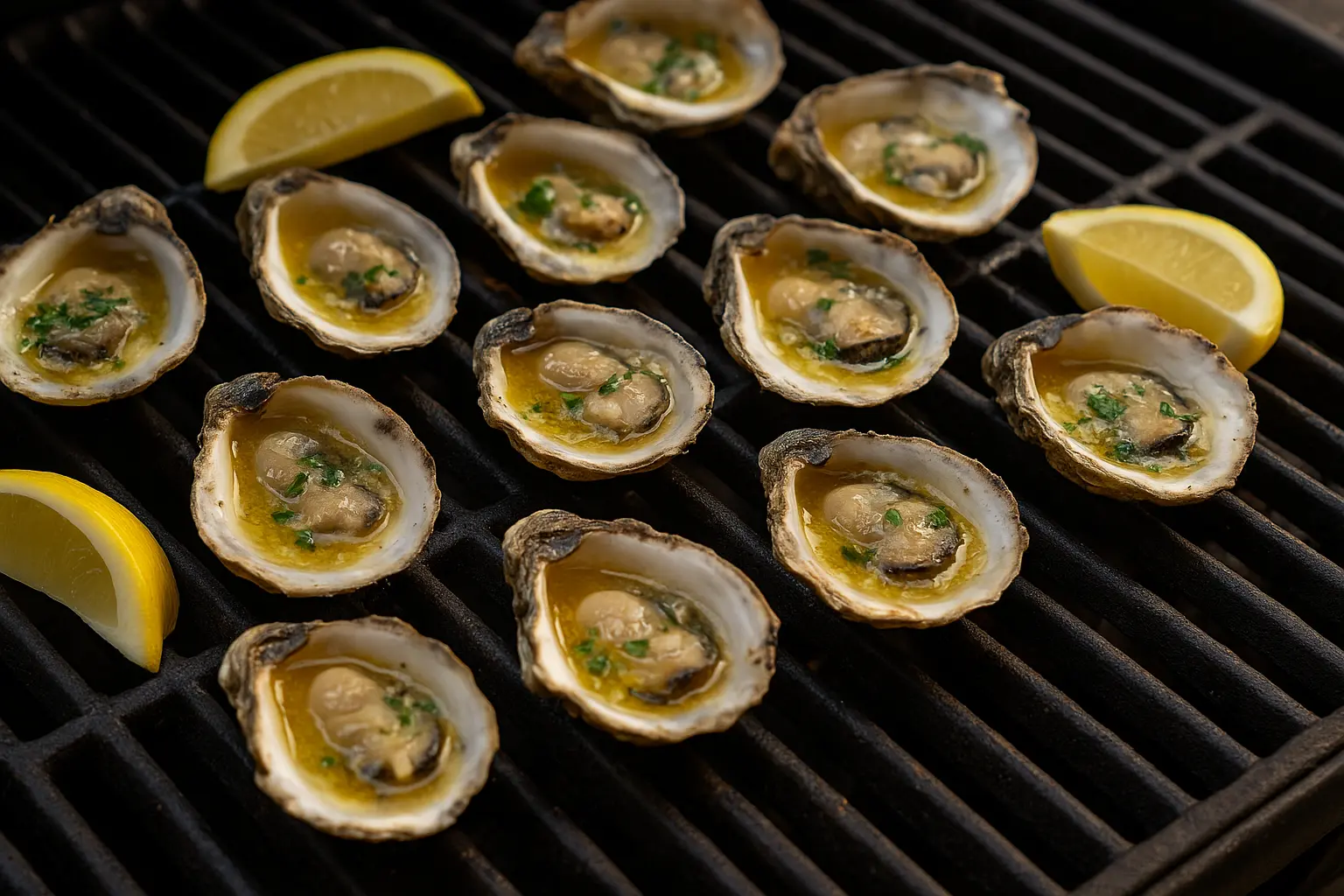
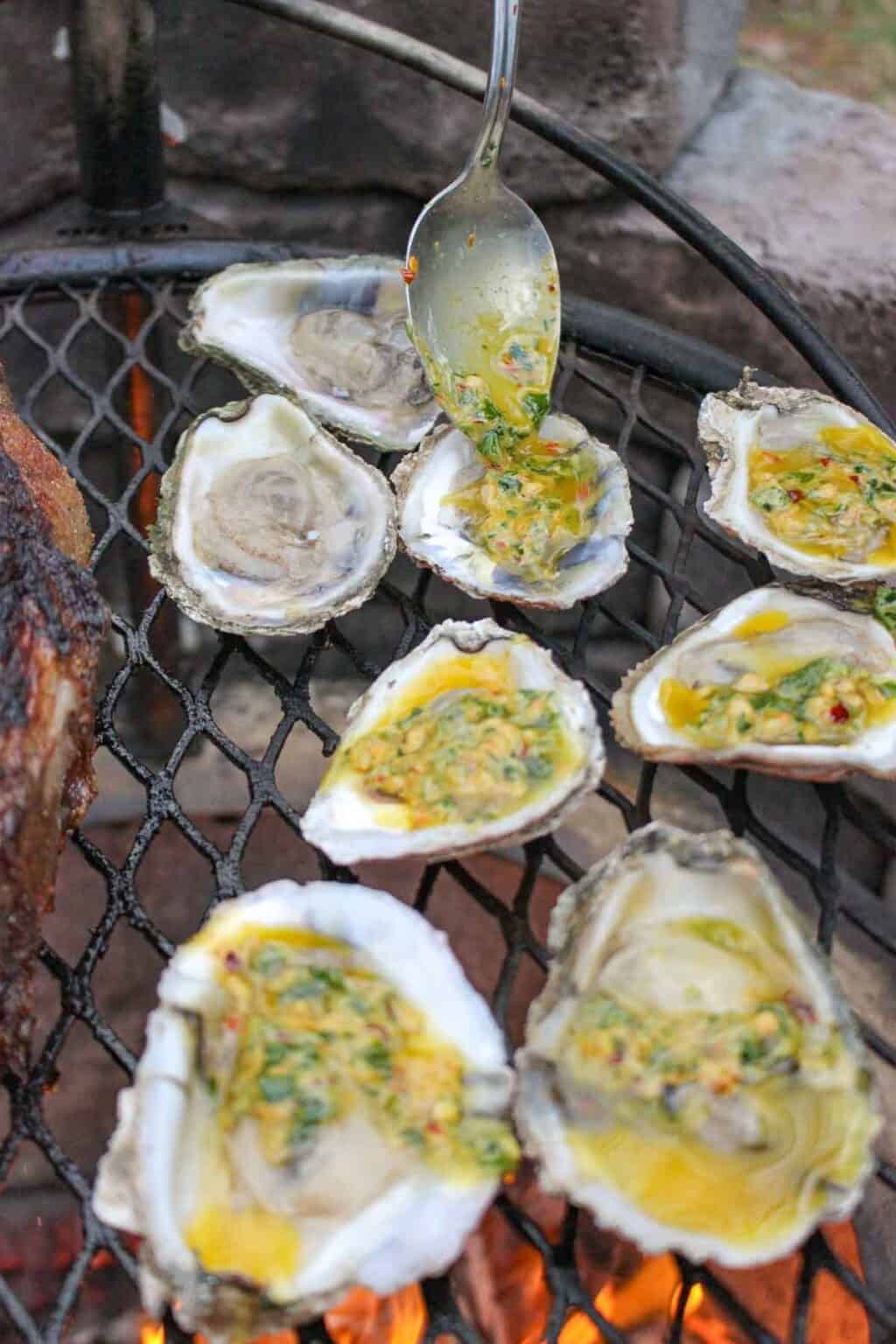
Grilling is perhaps the most accessible method for those intimidated by shucking. When placed on a hot grate (flat side up), the steam generated inside the shell eventually creates enough pressure to "pop" the adductor muscle, partially opening the shell.
- Best for: Large Pacifics or Atlantic oysters with thick shells.
- Why it works: The smoke adds a layer of complexity that raw oysters lack.
- Pro Tip: As soon as the shell cracks open, use tongs to remove it, finish shucking, and add a pat of compound butter before returning it to the heat for 30 seconds.
Roasting and Baking
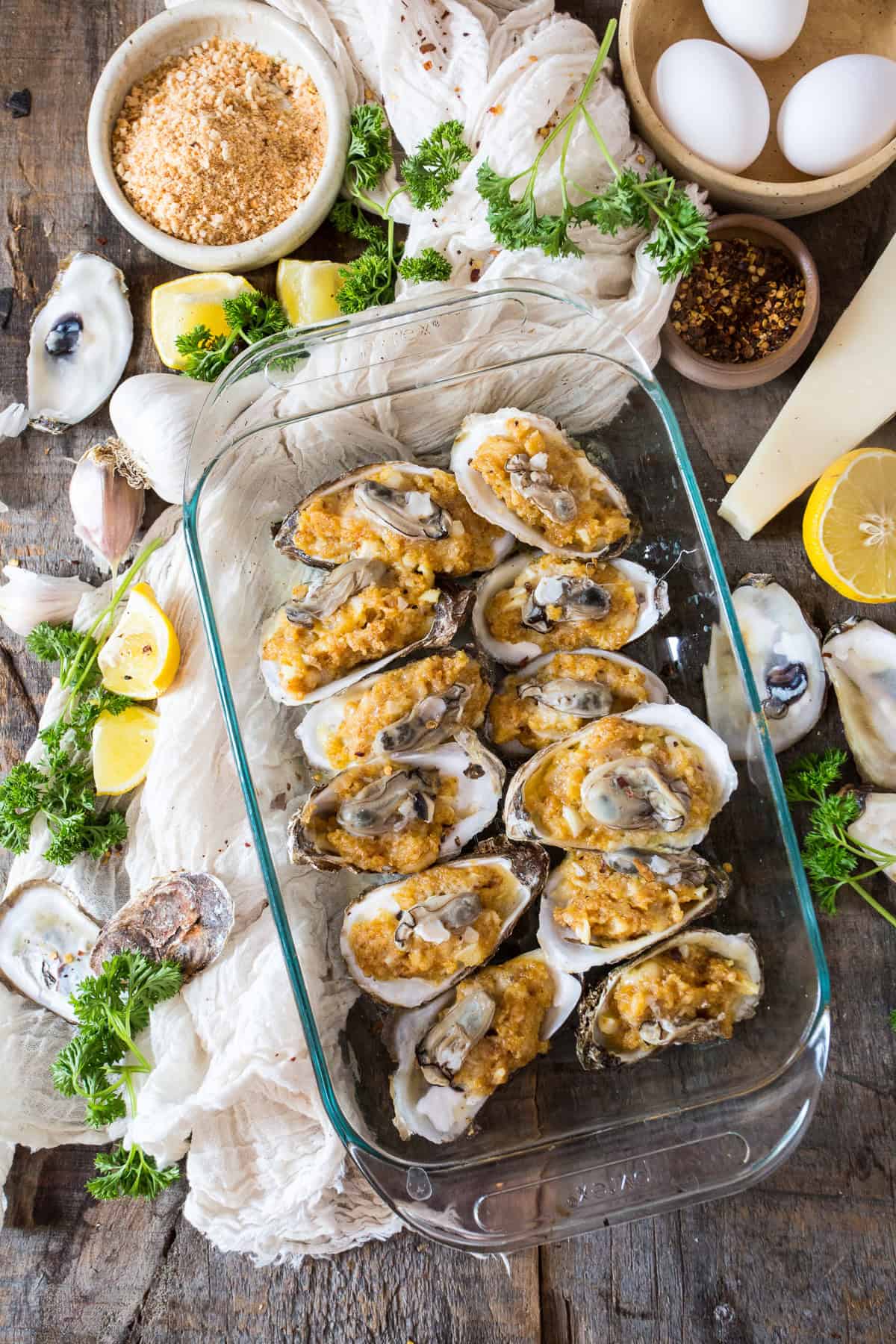
Roasting usually involves high temperatures (425°F to 450°F) and is the basis for classic dishes like Oysters Rockefeller or Kilpatrick.
- Best for: Entertaining and serving large groups.
- Why it works: You can cook two dozen oysters simultaneously on a single sheet pan. Using a bed of rock salt or crumpled aluminum foil keeps the oysters upright, ensuring the precious liquor does not spill out.
- Consideration: This method requires pre-shucking, which can be labor-intensive.
Steaming
Steaming is the gentlest way to apply heat. It is often used in coastal "oyster roasts" where bushels are cooked at once.
- Best for: Maintaining the natural "ocean" flavor.
- Why it works: The steam cooks the meat evenly without searing the exterior. This is ideal for those who find the texture of raw oysters unappealing but still want the fresh taste.
- Safety: Steaming ensures the internal temperature reaches the necessary threshold to kill pathogens like Vibrio without ruining the meat.
Frying
Frying can be done via deep-frying or pan-searing. In 2026, air-frying has also become a viable method for shucked oysters, though it lacks the traditional golden-brown finish of oil.
- Best for: Shucked oysters sold in pints.
- Why it works: The contrast between a crunchy exterior and a soft interior is a culinary staple.
- Technical Detail: Use a cornmeal-based dredge for a Southern style or Panko for a lighter, Japanese-inspired crunch.
Summary of Selection Criteria
The following table provides a quick reference for choosing your method based on the oyster's physical characteristics.
| Oyster Characteristic | Recommended Method | Difficulty | Flavor Profile |
|---|---|---|---|
| Large, Thick Shell | Grilling | Low | Smoky & Savory |
| Small, Deep Cup | Steaming | Medium | Clean & Briny |
| Pre-Shucked (Pints) | Frying | Low | Rich & Umami |
| Salty (Atlantic) | Broiling | Medium | Concentrated Salt |
| Sweet (Pacific) | Light Poaching | High | Delicate & Sweet |
| Large Crowd / Party | Roasting | Medium | Versatile / Topping-heavy |
Equipment and Preparation Prerequisites
You cannot choose the best way to cook unless you have the right tools. Attempting to shuck with a standard kitchen knife is dangerous and ineffective.
- The Shucking Knife: Look for a "New Haven" style knife with a slight curve at the tip, which helps in prying open the hinge and scraping the meat from the top shell.
- Protective Gear: A chainmail glove or a thick kitchen towel is mandatory. Most oyster-related injuries occur when the knife slips during the initial hinge entry.
- Temperature Control: For roasting or broiling, a reliable oven thermometer is essential. Oysters can move from "perfectly cooked" to "rubbery" in as little as 60 seconds.
- The Substrate: When baking or roasting, you need a way to stabilize the shells. Rock salt is the traditional choice as it holds heat and stabilizes the round bottoms of the shells.
Temperature Control and Safety Guidelines
As of 2026, the U.S. Food and Drug Administration (FDA) and other health authorities emphasize specific internal temperatures to ensure safety. While many enthusiasts enjoy oysters raw, cooking them is the only way to eliminate the risk of Vibrio vulnificus and other waterborne pathogens.
- The 145°F Rule: For food safety, oysters should be cooked to an internal temperature of 145°F (63°C) for at least 15 seconds.
- Visual Indicators: If you do not have a probe thermometer, look for the "fringe" (the thin edge of the oyster meat) to begin curling. This is the sign that the proteins have denatured and the oyster is fully cooked.
- Discarding Shells: Any oyster that does not open during steaming or grilling should be discarded. This is an indicator that the bivalve was likely dead before the cooking process began, significantly increasing the risk of foodborne illness.
Common Mistakes to Avoid
Even with the right method, certain errors can ruin the experience:
- Rinsing the Oysters: Never rinse the meat of an oyster under tap water after shucking. This washes away the "liquor," which contains the bulk of the flavor. If you must remove shell fragments, use a small brush or a dab of the oyster's own juice.
- Overcrowding the Pan: In frying or roasting, overcrowding leads to steaming rather than searing. This results in a soggy crust or unevenly cooked meat.
- Ignoring Seasonality: While aquaculture has made oysters a year-round food in 2026, wild oysters in their spawning season (typically summer months) can be "milky" and thin. These are best suited for frying, where the batter can provide the structure the meat lacks.
Frequently Asked Questions
Do I have to shuck oysters before grilling them?
No, you do not have to shuck them first. One of the primary benefits of grilling is that the heat will eventually cause the oyster to "pop" open on its own. However, you will still need an oyster knife to fully sever the adductor muscle from the shell once it has opened, and to remove the top shell entirely if you plan on adding sauces or butter.
How long should I steam oysters to ensure they are safe?
In a standard steamer basket over boiling water, most oysters will open within 5 to 10 minutes. For safety, continue steaming for another 2 to 3 minutes after the shells have opened to ensure the internal temperature has reached the required threshold.
Can I cook oysters that were bought already shucked in a container?
Yes, pre-shucked oysters (often sold in glass jars or plastic pints) are excellent for frying, making oyster stews, or incorporate into stuffing. Because they are no longer in the shell, they are not suitable for grilling or "half-shell" roasting. They should be used within two days of purchase and always checked for a fresh, sea-like smell.
What is the best way to cook oysters if I don't like the "slimy" texture?
Frying is the best method for those who struggle with the texture of raw oysters. Deep-frying or pan-frying at a high temperature creates a firm, opaque interior and a crunchy exterior, completely transforming the mouthfeel. Roasting until the edges curl significantly also firms up the meat and removes the "slick" sensation.
Does the "R" month rule still apply in 2026?
The traditional rule—only eat oysters in months containing the letter "R" (September through April)—is largely obsolete for farmed oysters due to modern refrigeration and the cultivation of "triploid" oysters, which do not spawn. However, for wild-harvested oysters, the rule is still a good guideline for flavor quality, as wild oysters remain thinner and less flavorful during the summer spawning months.
Practical Recommendation
To choose the best way to cook your oysters, start by observing the shell. If the shells are deeply cupped and heavy, grill them with a garlic-herb butter to take advantage of the natural basin. If you are working with shucked meats or are new to oysters, pan-frying in a light panko breading offers the most consistent and approachable results. Always prioritize freshness by ensuring shells are tightly closed before cooking, and never sacrifice the natural liquor, as it is the essence of the oyster's flavor.
Image Gallery