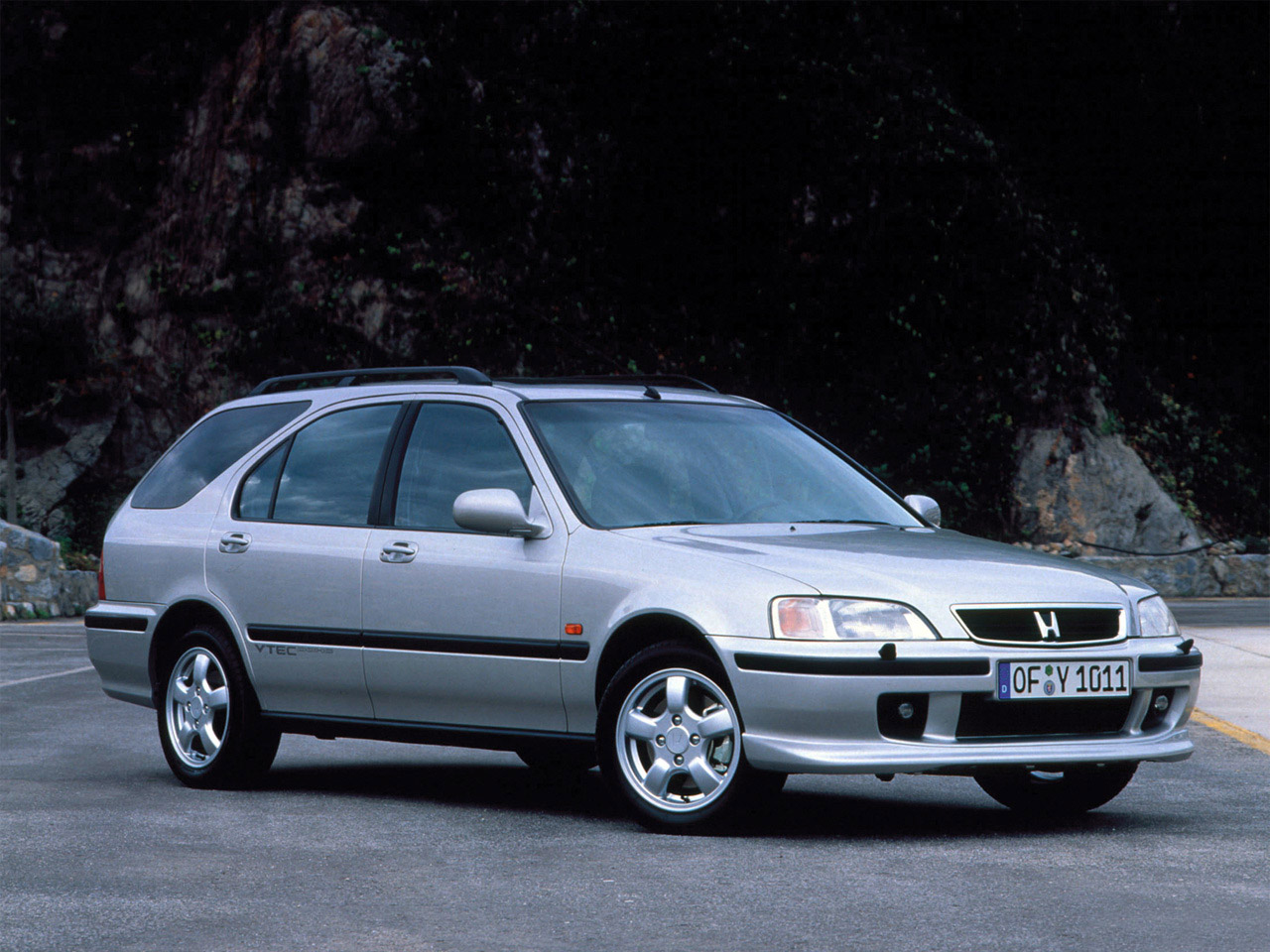
Honda AeroDeck Review and Specifications: A Deep Dive into Honda’s Iconic Shooting Brake
The Honda AeroDeck represents a unique chapter in automotive history, primarily referring to the shooting-brake variant of the third-generation Accord (1985–1989) and the later five-door wagon version of the sixth-generation Civic (199...
The Honda AeroDeck represents a unique chapter in automotive history, primarily referring to the shooting-brake variant of the third-generation Accord (1985–1989) and the later five-door wagon version of the sixth-generation Civic (1998–2001). While the Accord version is celebrated for its avant-garde design and double-wishbone suspension, the Civic version remains a cult classic for its blend of B-series VTEC performance and daily utility.
Contents
The Evolution of the AeroDeck Concept
The term "AeroDeck" was first coined by Honda to describe a body style that defied conventional categorization. In the mid-1980s, Honda sought to create a vehicle that combined the sleek profile of a coupe, the aerodynamics of a sports car, and the luggage capacity of a small station wagon. This resulted in the "shooting brake" silhouette—a three-door layout with an extended roofline and a near-vertical tailgate.
In 2026, the Honda AeroDeck is firmly established as a modern classic. Enthusiasts prize these vehicles not just for their nostalgia, but for their mechanical purity. Unlike modern crossovers that attempt to be everything to everyone through electronic aids, the AeroDeck achieved its versatility through clever packaging and superior chassis engineering. The nameplate transitioned from the Accord to the Civic platform in the late 1990s, specifically for the European market, shifting the focus from experimental design to high-performance practicality.
The Accord AeroDeck (1985–1989): A Design Masterpiece
The third-generation Honda Accord was a landmark vehicle, but the AeroDeck variant was its most daring expression. Launched in 1985, it featured pop-up headlights—a hallmark of 80s cool—and a low-slung hood line made possible by innovative engine packaging.
Aesthetic and Aerodynamics
The Accord AeroDeck was designed with a drag coefficient ($C_d$) of approximately 0.34, which was impressive for a vehicle with such a vertical rear end. The most striking feature was the "long-tail" roof that extended over the rear passenger area, culminating in a wrap-around rear window. This glass curved into the roof section, providing an airy cabin feel and exceptional visibility.
The Double-Wishbone Revolution
Technically, the Accord AeroDeck was a pioneer. It was one of the first front-wheel-drive passenger cars to utilize a four-wheel double-wishbone suspension system. This setup, derived from Honda’s Formula 1 experience, allowed for precise camber control and a lower hood line because it did not require the tall strut towers associated with MacPherson struts. For the driver, this translated to a level of handling sophistication and ride quality that few competitors in the 1980s could match.
Engine and Drivetrain
In Europe and Japan, the Accord AeroDeck was often powered by the 2.0-liter B20A engine. This DOHC (Double OverHead Cam) 16-valve engine was canted backward at an angle to fit under the exceptionally low hood. It produced roughly 160 horsepower in Japanese spec (JDM), though European versions often utilized the SOHC A20 series engines, which prioritized torque and reliability over high-RPM power.
Technical Specifications: Honda Accord AeroDeck (3rd Gen)
The following table outlines the technical specifications for the peak performance variants of the 1980s Accord AeroDeck.
| Feature | Specification (2.0i-16 / B20A) | Specification (2.0 EXi / A20A) |
|---|---|---|
| Engine Type | Inline-4, DOHC, 16-Valve | Inline-4, SOHC, 12-Valve |
| Displacement | 1,958 cc | 1,955 cc |
| Horsepower | 160 hp @ 6,300 rpm (JDM) | 122 hp @ 5,500 rpm |
| Torque | 186 Nm @ 5,000 rpm | 166 Nm @ 4,000 rpm |
| Transmission | 5-Speed Manual / 4-Speed Auto | 5-Speed Manual / 4-Speed Auto |
| Suspension | 4-Wheel Double-Wishbone | 4-Wheel Double-Wishbone |
| Brakes | 4-Wheel Discs (ABS optional) | Front Disc / Rear Drum or Disc |
| Curb Weight | Approx. 1,120 kg | Approx. 1,080 kg |
| Top Speed | 200+ km/h | 188 km/h |
The Civic AeroDeck (1998–2001): Performance Meets Utility
By the late 1990s, the AeroDeck name shifted to the Civic line, specifically for the European market (built in Swindon, UK). This version moved away from the 3-door shooting brake style in favor of a traditional 5-door station wagon (estate) format. While it lost the radical styling of its predecessor, it gained legendary status through the 1.8 VTi trim.
The B18C4 Engine
The crown jewel of the Civic AeroDeck range was the 1.8-liter VTi. This model featured the B18C4 engine, a sibling to the high-revving powerplants found in the Integra Type R. Equipped with VTEC (Variable Valve Timing and Lift Electronic Control), the engine offered a dual personality: fuel-efficient and docile below 5,800 rpm, and aggressive and loud as it climbed to its 8,000 rpm redline.
Practicality and Chassis
The Civic AeroDeck was based on the "M" platform, which shared DNA with the Rover 400 series. This resulted in a more "mature" interior compared to the Japanese-market Civics. It featured a larger cargo area than the hatchback and integrated roof rails, making it a favorite for small families who refused to sacrifice driving engagement. Crucially, the VTi models came equipped with a Torsen limited-slip differential (LSD), a rarity for a family wagon at the time, which significantly improved cornering traction.
Driving Dynamics: What Is It Like to Drive?
Driving a Honda AeroDeck in 2026 is an exercise in mechanical transparency. Whether you are behind the wheel of the 80s Accord or the late 90s Civic, several characteristics remain consistent across the nameplate.
- Visibility: The Accord AeroDeck, in particular, offers a panoramic view of the road. The low beltline and expansive glass make the car feel much smaller and more maneuverable than modern vehicles with high door panels and thick pillars.
- Steering Feedback: Before the advent of electric power steering (EPS), Honda utilized hydraulic systems that provided genuine feedback. You can feel the texture of the asphalt and the limits of front-end grip through the steering wheel.
- Engine Character: Honda engines of this era are "top-end" focused. They require the driver to work the gearbox to stay in the powerband. For enthusiasts, the mechanical sound of a B-series engine entering the VTEC zone is an experience that modern turbocharged engines cannot replicate.
- Handling Balance: Thanks to the double-wishbone setups, these cars resist "plowing" (understeer) much better than their contemporaries. They feel light on their feet, with a center of gravity that feels significantly lower than modern hatchbacks.
Maintenance and Ownership in 2026
Owning a Honda AeroDeck today requires a commitment to preservation. While Honda's reputation for reliability is well-earned, age is the ultimate enemy of these vehicles.
Common Issues to Monitor
- Rust (Corrosion): This is the primary killer of both Accord and Civic AeroDecks. Rear wheel arches, sills, and the sunroof surrounds are notorious "hot spots" for oxidation. In 2026, finding a rust-free example usually requires looking at cars from dry climates or those that have undergone professional restoration.
- Pop-up Headlight Motors: On the 3rd-gen Accord, the gears inside the headlight motors can strip over time. While manual overrides exist, sourcing replacement motors is becoming increasingly difficult.
- VTEC Solenoids and Gaskets: On the Civic VTi, oil leaks around the VTEC solenoid are common. If neglected, low oil pressure can prevent VTEC engagement or, worse, cause internal engine damage.
- Suspension Bushings: The complex double-wishbone system relies on numerous rubber bushings. When these perish, the precision of the handling vanishes, replaced by "clunks" and vague steering. Upgrading to polyurethane bushings is a common 2026-era modification for improved longevity.
Market Value and Collectability
The Accord AeroDeck has transitioned from a "cheap old car" to a legitimate collector's item. Pristine 2.0i-16 models with the B20A engine have seen significant price appreciation as collectors seek out unique 80s designs. The shooting-brake silhouette is particularly popular in the "RADwood" car culture scene.
The Civic AeroDeck VTi remains a performance bargain, though prices are rising as the supply of unmolested B-series engines dwindles. Many were used as "donor cars" for engine swaps into lighter Civic hatchbacks, making original, unmodified AeroDeck wagons increasingly rare.
Frequently Asked Questions
Is the Honda AeroDeck the same as a station wagon?
The Civic AeroDeck (1998–2001) is a traditional station wagon. However, the Accord AeroDeck (1985–1989) is technically a "shooting brake." A shooting brake is typically a two-door (or three-door) vehicle with a wagon-like rear, whereas a station wagon usually has four doors for passengers.
How fuel-efficient is a Honda AeroDeck?
For the 1.8 VTi Civic AeroDeck, you can expect approximately 28–32 mpg (8.8–7.4 L/100km) under mixed driving conditions. The older Accord AeroDeck is less efficient, typically hovering around 22–26 mpg, depending on whether it uses a carburetor or fuel injection.
Can I find spare parts for these cars in 2026?
Mechanical parts (engines, brakes, suspension) are relatively easy to find because they are shared with high-volume models like the standard Accord or Civic. However, body panels, specific AeroDeck trim pieces, and the wrap-around rear glass are extremely difficult to source and often require searching specialized salvage yards or international enthusiast forums.
Why did Honda stop using the AeroDeck name?
Honda shifted its branding strategy in the early 2000s, opting for names like "Tourer" (for the Accord) and "Tourer" or "Shuttle" for other wagon variants. The AeroDeck name was retired as the brand moved toward more conventional global naming conventions.
Final Recommendation for Buyers
If you are looking for a unique vintage experience, the Accord AeroDeck (3rd Gen) is the choice. Its pop-up headlights and avant-garde glasswork make it a standout at any classic car gathering. Be prepared to hunt for body parts and prioritize a car with a solid, rust-free chassis.
For those who need a practical daily driver with a "sleeper" performance edge, the Civic AeroDeck 1.8 VTi is unparalleled. It offers the legendary B-series power delivery in a package that can still handle a trip to the hardware store or a family camping excursion. Regardless of which model you choose, the AeroDeck remains a testament to a time when Honda was at the peak of its engineering and design creativity.
Image Gallery