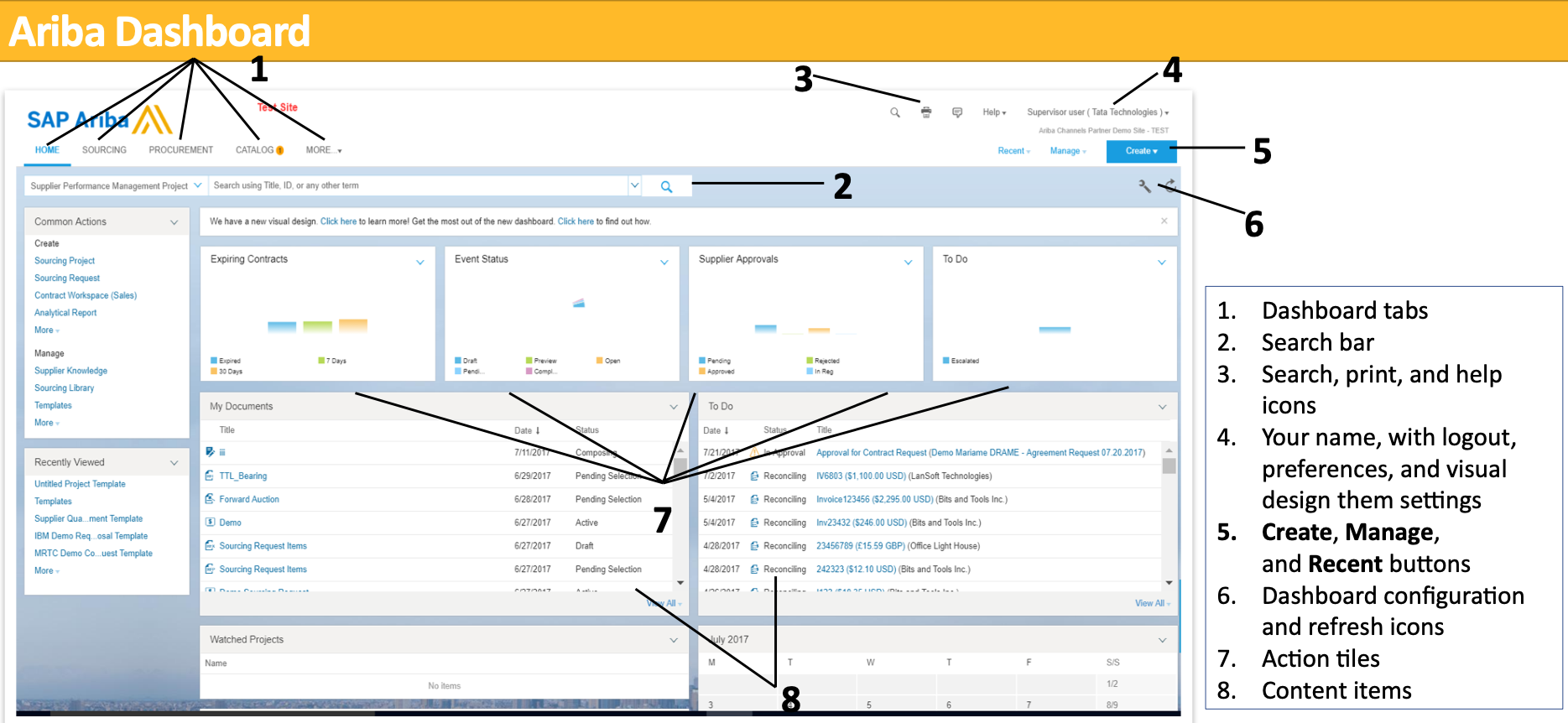
A Strategic Framework for Approaching SAP Ariba Implementation
Successfully implementing SAP Ariba requires a shift from viewing the project as a simple software installation to treating it as a fundamental transformation of your organization's procurement ecosystem. The process centers on alignin...
Successfully implementing SAP Ariba requires a shift from viewing the project as a simple software installation to treating it as a fundamental transformation of your organization's procurement ecosystem. The process centers on aligning your strategic sourcing and operational procurement goals with the platform's cloud-native capabilities, prioritizing data integrity, supplier network integration, and robust change management to ensure long-term adoption.
Contents
Defining the Scope and Objectives
Before interacting with technical configurations, your organization must define the boundaries of the implementation. SAP Ariba is a modular suite, and attempting to deploy every feature simultaneously often leads to scope creep and operational paralysis. Determine whether your initial phase should focus on Source-to-Contract (Sourcing, Contracts, and Supplier Management) or Procure-to-Pay (Buying, Invoicing, and Catalogs).
A best-practice approach involves a "pilot-led" rollout. Select a specific business unit or a manageable geographic region to test the integration of your existing ERP—typically SAP S/4HANA or an integrated third-party system—with the Ariba Network. Define clear Key Performance Indicators (KPIs) such as spend under management, reduction in manual purchase orders, or cycle time improvements in the sourcing process.
Essential Prerequisites and Technical Foundations
The integrity of your implementation rests upon the quality of your master data. SAP Ariba relies heavily on accurate supplier records, commodity codes, and user hierarchies. Before the migration, perform a thorough data cleansing exercise to remove duplicate supplier entries and reconcile inconsistent procurement terminology.
Integration architecture is the second critical prerequisite. Decide on your integration methodology early. Most organizations utilize the SAP Ariba Cloud Integration Gateway (CIG) to connect their backend systems. Evaluate the following technical components:
- Master Data Governance: Ensure your supplier, user, and accounting master data in your ERP is normalized and ready for mapping to Ariba.
- ERP Compatibility: Verify your current ERP version’s compatibility with the specific Ariba modules, noting any required add-ons or middleware adjustments.
- Security and Authentication: Implement Single Sign-On (SSO) protocols to maintain enterprise-level security standards from day one.
Phased Implementation Roadmap
An effective SAP Ariba implementation follows a disciplined, phase-based progression. Skipping these stages often results in "shadow procurement," where users bypass the system because the user experience was not sufficiently tailored to their workflows.
Phase 1: Planning and Discovery
Assemble a cross-functional team, including procurement leads, IT architects, and financial stakeholders. During this phase, map your existing "as-is" processes against the "to-be" capabilities of SAP Ariba. Document gaps and define the configuration requirements for the Ariba Network adapters.
Phase 2: Design and Configuration
Configuration should remain as close to standard as possible. Heavy customization of Ariba’s source code increases the complexity of future upgrades and complicates the integration with SAP’s periodic cloud updates. Focus on configuration parameters that reflect your organization’s unique approval workflows and budget validation rules.
Phase 3: Testing and Validation
Comprehensive testing is non-negotiable. Execute "User Acceptance Testing" (UAT) with a diverse group of stakeholders, including occasional users who will only use the platform for simple requisitioning. Verify that the procurement lifecycle—from requisition and approval to purchase order generation and invoice matching—operates flawlessly in a test environment.
Phase 4: Change Management and Deployment
Technical success is insufficient without user adoption. Develop comprehensive training materials and host workshops to explain the "why" behind the new system. Address common employee pain points, such as the transition from manual, informal buying to a structured, catalog-driven procurement process.
Comparative Overview of Implementation Approaches
When deciding how to manage the deployment, organizations typically choose between internal resources, a specialized systems integrator (SI), or a hybrid model.
| Approach | Primary Benefit | Potential Risk | Suitability |
|---|---|---|---|
| Internal Team | Deep institutional knowledge | Lack of niche Ariba expertise | Small, low-complexity rollouts |
| System Integrator | Proven expertise and methodologies | Higher initial investment costs | Enterprise-wide transformations |
| Hybrid Model | Balanced cost and specialized support | Misaligned roles and accountability | Mid-to-large organizations |
Common Pitfalls and Troubleshooting
The most frequent hurdle in SAP Ariba implementation is underestimating the complexity of supplier onboarding. If your suppliers do not join the Ariba Network or struggle to integrate their own systems, your procurement data will remain incomplete. Proactively communicate with your top suppliers early in the project. Provide them with the documentation and support necessary to transition to digital invoicing and order management.
Another common issue involves "feature fatigue." When organizations enable too many optional features, users find the interface overwhelming. If you encounter low adoption rates post-launch, revisit the user interface and simplify the view, removing non-essential fields and streamlining the approval routing to the absolute minimum required for compliance.
Frequently Asked Questions
What is the role of the SAP Ariba Network in the implementation? The Ariba Network serves as the digital bridge between your organization and your suppliers. It enables real-time collaboration, digital document exchange, and automated order confirmation. Integrating the network is the most critical step for achieving full procure-to-pay automation.
How does SAP Ariba integrate with non-SAP ERP systems? SAP Ariba is designed to be ERP-agnostic. While it offers pre-packaged integration for SAP S/4HANA via CIG, it can connect to other ERP platforms using standard APIs, flat files, or web services, provided that the necessary middleware is configured to handle the data mapping.
How much time should I allocate for a typical implementation? Timelines vary significantly based on the modules enabled and the complexity of the organization's legacy data. A standard implementation for a single module may take 4 to 6 months, while a full, multi-module global deployment can take 12 to 18 months or longer.
What is the most critical factor for long-term success? Executive sponsorship combined with dedicated Change Management is the deciding factor. The technology will function only if the organization is prepared to enforce the use of the platform and abandon legacy, manual procurement habits.
Can I implement Ariba in phases? Yes, and it is highly recommended. Starting with Sourcing and Contracts before moving to operational procurement modules like Buying and Invoicing allows the team to gain expertise and stabilize the data flow before scaling to a full procure-to-pay environment.
Recommendations for Next Actions
To initiate your SAP Ariba implementation, prioritize the formation of a steering committee consisting of both IT and Procurement leadership. Commission a formal "gap analysis" to identify exactly which legacy processes currently create the most friction in your procurement cycle. Once you have established these benchmarks, engage with a certified SAP partner to validate your integration architecture, ensuring your chosen path aligns with both your technical constraints and your long-term strategic objectives for 2026 and beyond.
Image Gallery