Freeway Auto Insurance Holiday in FL Explained: Benefits, Eligibility, and Requirements
In 2026, the Freeway Auto Insurance holiday in Florida refers to a specific promotional or hardship-based period where policyholders may receive premium discounts, fee waivers, or payment deferrals. Typically initiated during the year-...
In 2026, the Freeway Auto Insurance holiday in Florida refers to a specific promotional or hardship-based period where policyholders may receive premium discounts, fee waivers, or payment deferrals. Typically initiated during the year-end season or following state-declared emergencies, this "holiday" aims to provide temporary financial relief to drivers navigating Florida's complex high-premium insurance landscape.
Contents
The term "insurance holiday" often causes confusion among Florida drivers. Is it a government-mandated break from payments? A sales tax exemption? Or a private promotional event held by a specific brokerage? In the context of Freeway Insurance—one of the largest independent insurance agencies in the United States—a "holiday" is generally a structured marketing campaign or a disaster-relief program designed to help non-standard drivers maintain their coverage during periods of financial strain.
Understanding how this works in Florida is critical, as the state’s "no-fault" insurance laws are among the strictest in the nation. Failing to grasp the terms of a payment holiday could result in a lapse of coverage, leading to the suspension of your driver’s license and significant reinstatement fees.
Defining the Freeway Auto Insurance Holiday Concept
To understand the Freeway Auto Insurance holiday in Florida, one must first distinguish between the various types of "holidays" recognized in the insurance industry. In 2026, Freeway Insurance utilizes this terminology to encompass three primary scenarios:
- The Promotional Sign-Up Holiday: This is a marketing event, often held during the winter months (November through January). Freeway may offer to waive "broker fees" or "initiation fees" for new policies. While the insurance premium itself is set by the carrier, the broker (Freeway) can discount their specific service fees, effectively creating a lower entry cost for the consumer.
- The Payment Deferment Holiday: Usually triggered by localized events such as hurricanes or economic downturns, this is a grace period. During this "holiday," the insurer agrees not to cancel policies for non-payment for a set duration (typically 30 to 60 days). It is important to note that this is not "free" insurance; the balance is usually amortized over the remaining months of the policy.
- The Florida Sales Tax Holiday Connection: Occasionally, people confuse insurance with Florida’s periodic "Sales Tax Holidays" (like the Disaster Preparedness or Freedom Month holidays). However, in 2026, Florida does not charge standard sales tax on insurance premiums. Any "holiday" branded by Freeway is almost exclusively a private corporate initiative rather than a state tax exemption.
Why Florida Drivers Specifically Seek This Relief
Florida remains one of the most expensive states for auto insurance. Factors such as high litigation rates, frequent extreme weather events, and a high density of uninsured drivers contribute to soaring premiums. For many Freeway customers—who often fall into the "non-standard" category due to credit issues, prior accidents, or the need for SR-22 filings—a "holiday" represents a vital window to secure or maintain legal driving status without the immediate burden of a heavy down payment.
Eligibility and Prerequisites for the 2026 Holiday
Not every driver is automatically eligible for the benefits of a Freeway Auto Insurance holiday. Because Freeway acts as a broker for multiple carriers (such as Progressive, Dairyland, and others), the specific "holiday" rules may vary depending on which underlying carrier provides the policy.
Core Requirements for Existing Policyholders
For those looking to benefit from a payment deferral or a loyalty-based holiday discount in 2026, the following criteria generally apply:
- Policy Standing: The policy must typically be active and not already in a "pending cancellation" status for reasons other than the current installment.
- Geographic Restriction: The vehicle must be registered and primarily garaged in the State of Florida.
- Documentation: If the holiday is based on hardship (e.g., hurricane recovery), the policyholder may need to provide proof of residency in a FEMA-declared disaster zone.
Requirements for New Customers
If the "holiday" refers to a promotional sign-up period, new customers must meet standard Florida underwriting guidelines:
- Proof of Florida Residency: A valid FL driver's license or utility bill.
- Vehicle Information: Correct VIN and proof of ownership or lease.
- Prior Insurance History: While Freeway specializes in helping those without prior insurance, having a record of your last carrier can sometimes unlock deeper "holiday" discounts.
Understanding Florida's Mandatory Coverage During a "Holiday"
It is a common mistake to believe that an insurance holiday allows a driver to operate a vehicle without active coverage. In Florida, the law is uncompromising regarding the "Four-Wheeled Vehicle" rule. Even during a payment holiday, your policy must remain in force to satisfy the Florida Department of Highway Safety and Motor Vehicles (FLHSMV).
PIP and PDL Minimums
Regardless of any promotional discount, your policy must maintain:
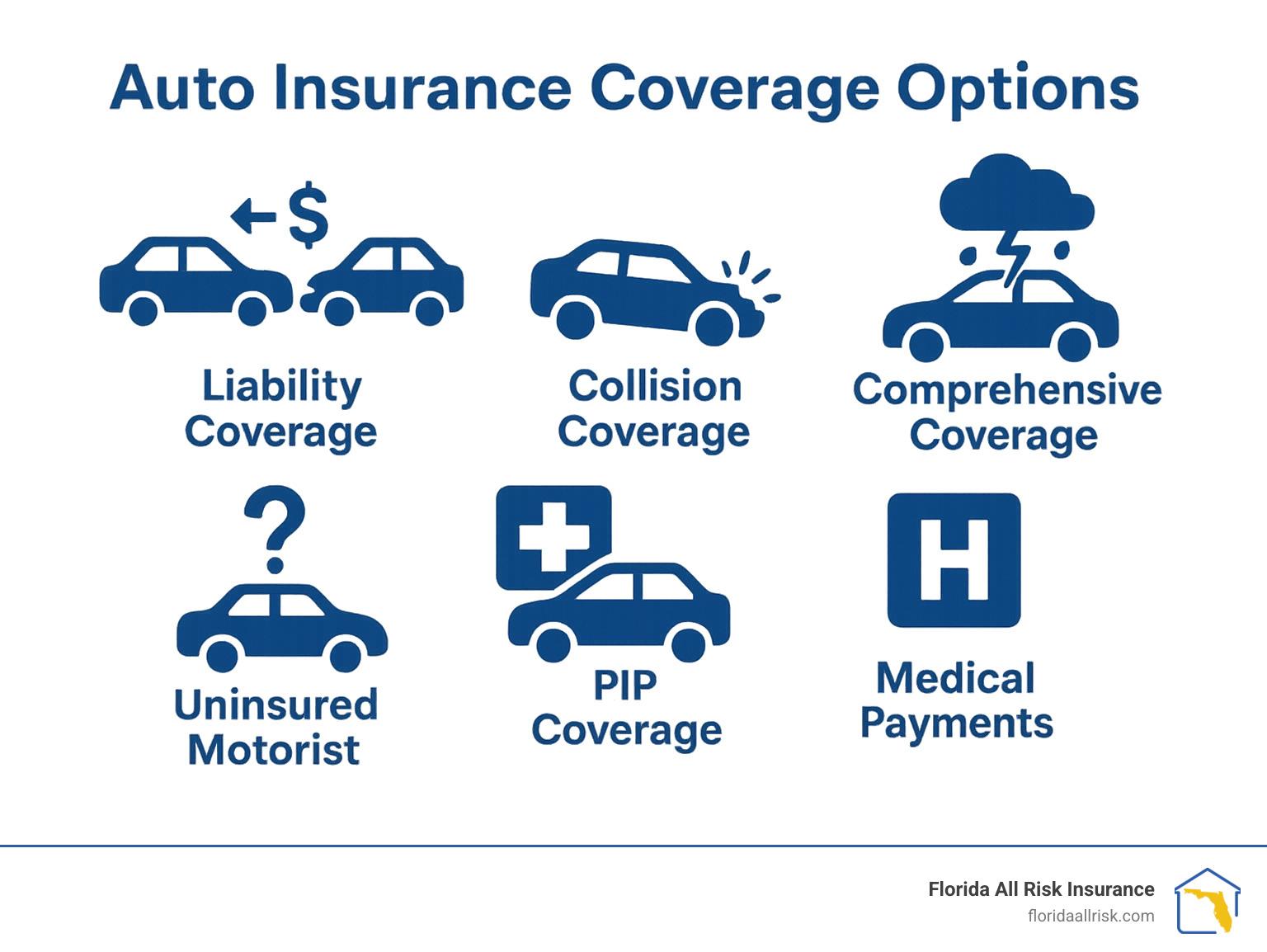
- $10,000 Personal Injury Protection (PIP): This covers 80% of all necessary and reasonable medical expenses up to $10,000, regardless of who caused the accident.
- $10,000 Property Damage Liability (PDL): This pays for damage you or members of your family cause to other people’s property while driving.
If a "holiday" resulted in a total suspension of coverage rather than just a deferral of payment, the insurance company would be legally required to notify the FLHSMV. This would trigger an immediate "Financial Responsibility" flag, leading to the suspension of your license, tags, and registration. Therefore, the Freeway holiday is structured to keep the policy active while providing financial flexibility.
How to Activate the Freeway Auto Insurance Holiday
Accessing these benefits is rarely automatic. Because Freeway Insurance operates through both physical storefronts and digital portals, the activation process requires a proactive approach from the driver.
Step 1: Verification of the Current Offer
Visit the official Freeway Insurance website or a local Florida branch office (common in cities like Miami, Orlando, and Tampa) to confirm the specific terms of the 2026 holiday. These offers are often seasonal and may be labeled under names like "Winter Savings Event" or "Summer Relief Program."
Step 2: Consultation with a Licensed Agent
Since Freeway is a broker, an agent must check which of their partner carriers is participating in the holiday program. Some carriers may offer a "zero down" option during the holiday, while others may offer a percentage discount on the total six-month premium.
Step 3: Application of Promotional Codes or Hardship Waivers
If you are an existing customer seeking a payment holiday due to financial hardship, you must call the customer service line. You will need to request a "Payment Extension" or "Grace Period Extension." In 2026, Freeway has streamlined this through their mobile app, allowing users to select "Request Relief" during qualifying periods.
Step 4: Confirmation of New Payment Schedule
Once the holiday is applied, ensure you receive a written or digital confirmation showing your new "Next Payment Date." Do not assume the holiday has been applied until you see the updated status in your account portal.
Comparison of Relief Options in Florida (2026)
The following table compares the Freeway Auto Insurance holiday against other common forms of financial relief available to Florida drivers.
| Feature | Freeway "Holiday" (Promotional) | Florida State Grace Period | Carrier-Specific Hardship |
|---|---|---|---|
| Primary Benefit | Lowered/Waived Broker Fees | No cancellation for 30-60 days | Customized payment plans |
| Eligibility | New & Existing Customers | Disaster Victims Only | Individual assessment |
| Impact on Premium | Reduces total cost | Shifts cost to later date | May include interest |
| Frequency | Seasonal/Annual | Triggered by Governor | As needed |
| Coverage Status | Remains Active | Remains Active | Remains Active |
Potential Risks and Common Mistakes
While the Freeway Auto Insurance holiday is designed to be beneficial, misinterpreting the terms can lead to severe consequences. In the 2026 insurance market, "automatic" features are rare; everything requires verification.
Mistake 1: Confusing "Holiday" with "Free"
The most significant risk is assuming that a payment holiday means the month of insurance is free. In almost all cases involving Freeway and its partners, the skipped or discounted payment is a deferral. You are still responsible for the cost of the coverage provided during that time. If you do not plan for the subsequent "catch-up" payments, you may find yourself in a deeper financial hole the following month.
Mistake 2: Ignoring the "Non-Standard" Tag
Freeway Insurance often works with "non-standard" carriers. These companies have very strict cancellation policies. If you miss the deadline to resume payments after a holiday, these carriers may cancel the policy without the standard 10-day warning period if the "holiday" agreement included a specific "repayment date" waiver.
Mistake 3: Failing to Update the FLHSMV
If you switch policies during a holiday to take advantage of a "zero-down" offer, ensure that your old policy is not canceled until the new one is fully reported to the state. Even a 24-hour gap in coverage can result in a $150 fine from the Florida DMV for a first offense.
Frequently Asked Questions
Does the Freeway Insurance holiday apply to SR-22 or FR-44 filings?
Generally, yes. However, the stakes are higher for drivers with these filings. An SR-22 (for driving without insurance or DUI) or an FR-44 (for high-liability requirements) requires continuous coverage. If your "holiday" involves a payment deferral, you must ensure the carrier does not file a "Notice of Cancellation" (Form SR-26) with the state, as this will immediately trigger a license suspension regardless of the "holiday" status.
Is the holiday available in all Florida counties?
While Freeway Insurance operates statewide, certain hardship-based holidays (like those following a hurricane) may be limited to specific counties identified in executive orders issued by the Governor of Florida. Promotional holidays, however, are typically available to all Florida residents.
Can I combine the holiday discount with other savings?
In 2026, Freeway allows the "holiday" fee waivers to be combined with standard discounts, such as multi-car discounts, military discounts, and "good driver" rebates. It is always advisable to ask your agent to "stack" these options to maximize the initial savings.
What happens if I move out of Florida during the holiday period?
Insurance is state-specific. If you move out of Florida, the "FL Explained" holiday terms will no longer apply. You would need to rewrite the policy for your new state of residence, and the holiday benefits would likely be forfeited as the Florida-specific broker fees and state-regulated grace periods are no longer applicable.
Practical Recommendation for Florida Drivers
If you are currently looking to utilize the "Freeway Auto Insurance Holiday" in Florida, your first action should be to verify the nature of the holiday. Is it a reduction in fees or a delay in payments?
For those in a financial crunch, a Payment Deferral Holiday is the best route, but it requires a phone call to Freeway’s customer service to document your situation. For those looking to save on a new policy, timing your sign-up during the Promotional Holiday (usually November or December) can save you between $50 and $150 in initial broker and setup fees.
Always keep a digital copy of your "Proof of Insurance" on your phone. In Florida, digital insurance cards are legally valid and can save you from a "failure to provide insurance" citation during a traffic stop, even if your physical paperwork is currently being processed due to holiday updates.
Image Gallery