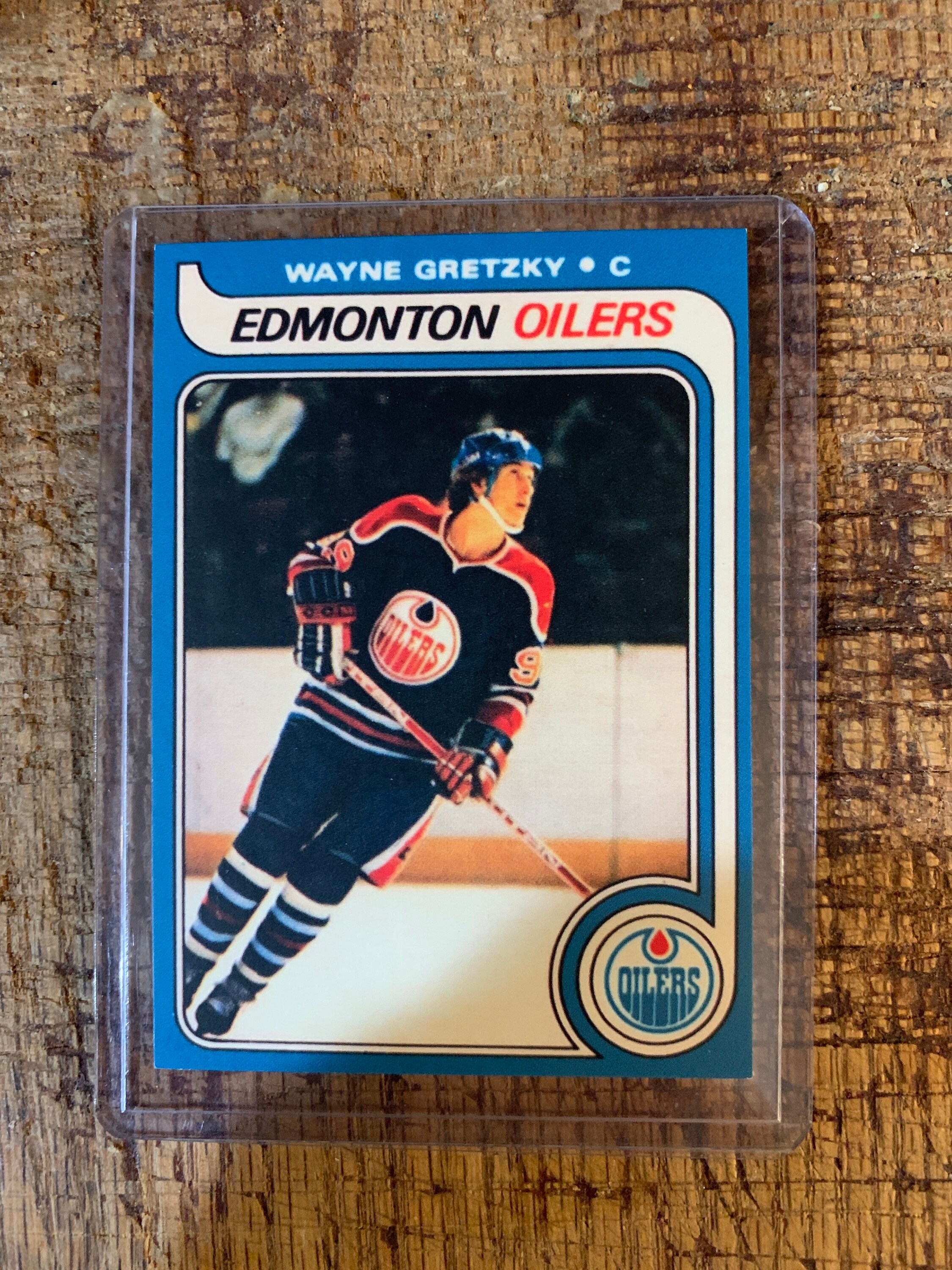
Understanding the Wayne Gretzky Stroke Health Narrative
Public speculation regarding the health of Wayne Gretzky, the legendary NHL icon, has periodically surfaced in digital media over the last two decades. While interest in the health of public figures is common, it is essential to clarif...
Public speculation regarding the health of Wayne Gretzky, the legendary NHL icon, has periodically surfaced in digital media over the last two decades. While interest in the health of public figures is common, it is essential to clarify that there is no verified medical evidence or public record indicating that Wayne Gretzky has ever suffered a stroke. The persistent rumors often stem from conflated news reports regarding other public figures, a lack of distinction between professional sports injuries, and the general public's high level of interest in the well-being of the athlete often referred to as "The Great One."
Contents
The Origins of Public Curiosity
The association between Wayne Gretzky and the term "stroke" appears to be a result of misinformation or the blurring of news cycles. In the era of social media, news regarding high-profile athletes often undergoes a "telephone game" effect, where headlines are misinterpreted or headlines concerning different individuals are aggregated under a single search trend.
In the medical context, a stroke is a serious neurological event that would require significant public disclosure if it involved a public figure of Gretzky’s stature. Given his ongoing involvement in professional hockey—including his tenure as a head coach, his role in team ownership, and his frequent appearances as an analyst—there has been no professional or personal indicator that his health has been compromised by such a condition. It is common for celebrities to be the subject of "death hoaxes" or false health reports, and these narratives often gain traction on third-party forums or clickbait-oriented websites without any factual basis.
Distinguishing Sports-Related Injuries
Part of the confusion surrounding Gretzky’s health history may stem from the physical toll of his illustrious 20-season NHL career. Gretzky, who played from 1979 to 1999, navigated the league during a period characterized by a more aggressive style of play. While he was renowned for his exceptional vision and ability to avoid heavy body checks, he was not immune to injuries.
Throughout his career, Gretzky managed various ailments common to professional hockey players, including:
- Back Issues: Gretzky struggled with chronic back pain, which was a significant factor in his eventual retirement.
- Concussions and Minor Injuries: Like many players of his era, he experienced the physical demands of high-level competition, though he famously lacked a history of severe, long-term neurological trauma often associated with the modern discourse on Chronic Traumatic Encephalopathy (CTE).
Distinguishing between these career-related orthopedic issues and a medical event like a stroke is crucial for maintaining an accurate historical record.
Current Health Status and Ongoing Activity
As of 2026, Wayne Gretzky remains an active and visible public figure. His participation in professional broadcasts, charity events, and business ventures requires a level of health and stamina that would be inconsistent with the recovery trajectory of a stroke survivor.
The following table summarizes the types of health-related inquiries often directed at professional athletes and how they compare to the documented reality for Gretzky.
| Inquiry Type | Typical Medical Concern | Wayne Gretzky Context |
|---|---|---|
| Neurological | Stroke, Brain Injury | No record of such events. |
| Orthopedic | Chronic back/knee pain | Well-documented career history of back pain. |
| Cardiovascular | Heart conditions | No public disclosure of cardiovascular issues. |
| Public Visibility | Sudden withdrawal from media | Maintained consistent public and professional profile. |
The Role of Fact-Checking in Public Health
In the digital age, users are encouraged to verify health claims regarding public figures through primary sources, such as official statements from the athlete's management, credible sports journalism, or established medical news organizations. Relying on search engine auto-suggestions or non-authoritative forums often leads to the perpetuation of myths.
When a search for "Wayne Gretzky stroke" is conducted, it frequently leads to results that address the absence of such an event rather than the existence of one. This serves as a reminder that the digital footprint of a name is not synonymous with the factual history of the individual. For those concerned about stroke awareness, it is more productive to utilize resources provided by health organizations like the American Stroke Association or the Heart and Stroke Foundation of Canada rather than speculating on the health of retired sports personalities.
Frequently Asked Questions
1. Has Wayne Gretzky ever addressed the rumors of a stroke? Wayne Gretzky has not found it necessary to formally address these specific, unfounded rumors. When public figures are subjected to false health narratives, they or their representatives typically ignore the speculation unless it poses a significant personal or professional risk.
2. Why do people search for "Wayne Gretzky stroke" so often? The frequency of the search is often driven by algorithmic triggers. When users search for "Wayne Gretzky" alongside health-related terms or general news, these searches are recorded and sometimes erroneously grouped with news about other athletes who may have actually experienced health crises.
3. Could the search intent be related to his family members? There is no public record indicating that immediate members of the Gretzky family have suffered from strokes that would lead to this specific search pattern. It is more likely that the association is purely a result of misinformed online speculation.
4. Does Wayne Gretzky have any long-term medical conditions? Gretzky has spoken openly about the chronic back pain he dealt with throughout the latter half of his playing career. This is a common occupational hazard in professional hockey and is distinct from the neurological or cardiovascular events implied by the term "stroke."
5. How can I verify the health status of a public figure? To verify health information, look for reports from major, reputable news outlets such as the Associated Press, Reuters, or specific sports-focused media organizations like ESPN or TSN. If a health event has not been reported by these outlets, it should be treated as conjecture.
Conclusion and Recommendations
The inquiry into whether Wayne Gretzky suffered a stroke can be definitively answered in the negative. The rumor has no factual basis, and the athlete remains an active, engaged, and healthy individual. When conducting research into the health of public figures, always prioritize information from verified media sources and official statements. If you are interested in learning about stroke prevention or symptoms for personal health reasons, please consult a qualified medical professional or visit official public health websites for accurate and actionable data.
Image Gallery