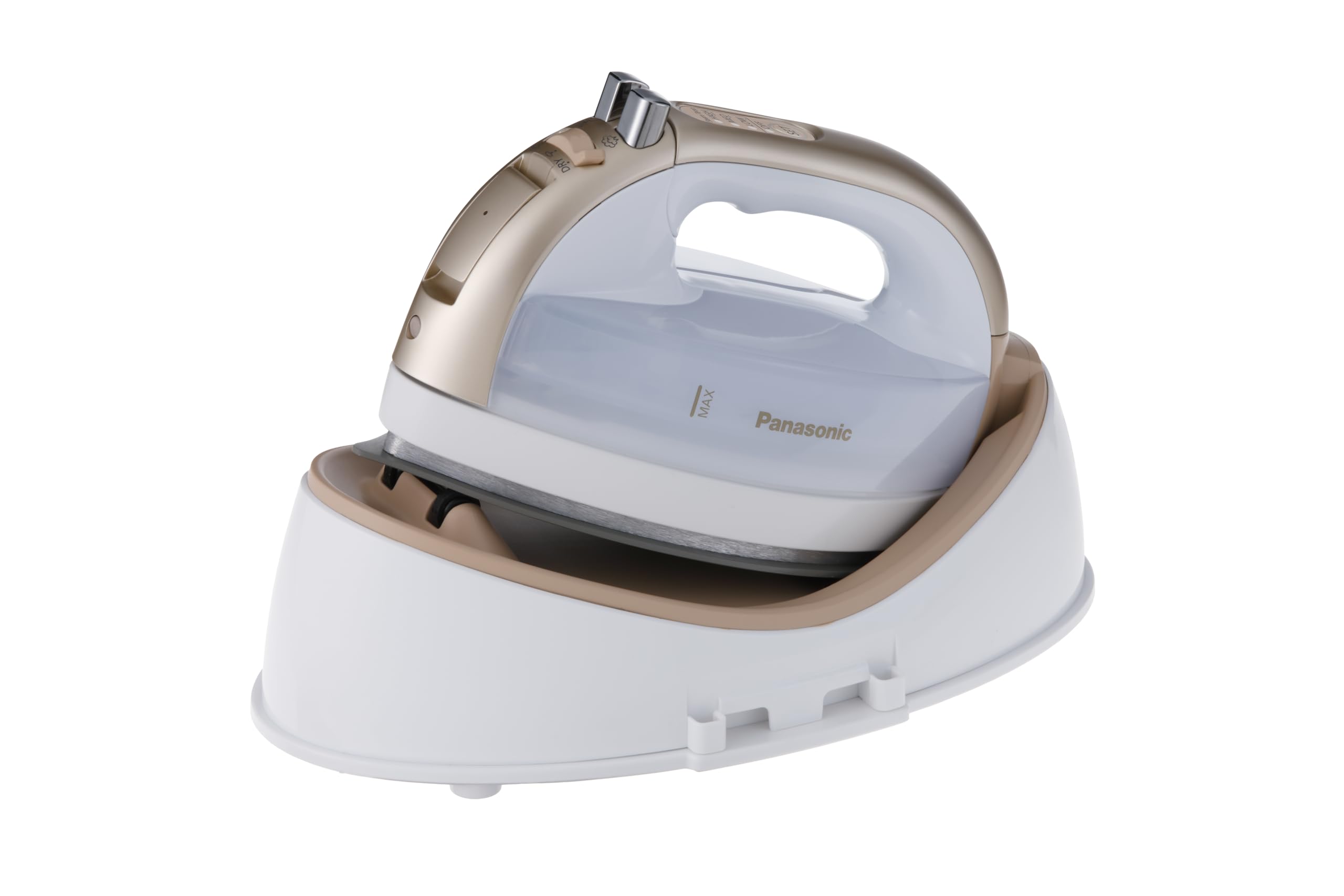
The Best Iron for Dress Shirts: Professional Results in 2026
The best iron for dress shirts is one that combines high wattage (at least 1700W) with a precision-tapered stainless steel soleplate and a powerful steam burst. Models like the Rowenta SteamForce Max or the Oliso TG1600 Pro Plus are cu...
The best iron for dress shirts is one that combines high wattage (at least 1700W) with a precision-tapered stainless steel soleplate and a powerful steam burst. Models like the Rowenta SteamForce Max or the Oliso TG1600 Pro Plus are currently the gold standard for achieving crisp, laundry-quality finishes at home.
Contents
Investing in a high-quality iron is not merely about removing wrinkles; it is about preserving the longevity of fine cotton fibers and maintaining a professional image. Dress shirts, particularly those made from high-thread-count Egyptian or Sea Island cotton, require precise heat management and deep steam penetration to relax the weave without scorching the fabric. In 2026, the technology has evolved to prioritize faster heat-up times and smarter safety features, yet the fundamental physics of heat, moisture, and pressure remains the primary driver of a perfectly pressed garment.
Key Features That Define a Superior Dress Shirt Iron
When selecting an iron specifically for dress shirts, generic household models often fall short because they lack the localized pressure and consistent steam volume necessary for stiff collars and thick cuffs. To navigate the current market, one must evaluate several technical specifications.
Soleplate Material and Design
The soleplate is the most critical component. For dress shirts, stainless steel is widely considered superior to ceramic or non-stick coatings. Stainless steel offers better glide across cotton and linen, and it is more resistant to scratches from buttons or zippers. Furthermore, a "precision tip" is essential. This is a narrowed, pointed front end of the soleplate designed to navigate the tight spaces between buttons and the intricate folds of a shirt’s yoke.
Steam Output and Pressure
Wrinkles in natural fibers are essentially "set" hydrogen bonds. Steam introduces moisture and heat to break these bonds, allowing the fibers to be repositioned.
- Continuous Steam: Look for a minimum of 35 to 50 grams per minute (g/min).
- Steam Burst: For stubborn wrinkles in heavy starch shirts, a "shot of steam" feature delivering 200g/min or more is necessary.
- Micro-holes: High-end models often feature over 300 micro-holes distributed across the soleplate to ensure even moisture distribution, preventing "wet spots" that can cause water staining on light-colored fabrics.
Wattage and Heat Recovery
In 2026, the standard for a professional-grade home iron is 1800 watts. Higher wattage does not necessarily mean a higher maximum temperature, but it dictates how quickly the iron reaches its target temperature and, more importantly, how fast it recovers after a heavy steam burst. If the wattage is too low, the iron will cool down rapidly during steaming, leading to water spitting and inconsistent pressing.
Top Recommendations for Dress Shirt Maintenance in 2026
Based on technical performance and long-term durability, the following models represent the best options for professionals who wear dress shirts daily.
| Model | Primary Material | Wattage | Key Advantage | Best For |
|---|---|---|---|---|
| Rowenta SteamForce Max | Stainless Steel | 1800W | 400+ Micro-holes | Heavy cotton and linen |
| Oliso TG1600 Pro Plus | Ceramic/Stainless | 1800W | iTouch Auto-lift | Ergonomics and speed |
| CHI Steam Titanium | Titanium-Infused | 1700W | Precise Temp Control | Delicate blends |
| Reliable Maven 140IS | Ceramic | 1500W | Separate Steam Tank | High-volume ironing |
The Rowenta SteamForce Max
The Rowenta series remains the benchmark for heavy-duty ironing. Its integrated steam generator pushes steam deeper into the fabric than traditional gravity-fed irons. This is particularly useful for "non-iron" shirts that have been treated with resins; while they resist wrinkles, once a wrinkle is set, it requires significant steam pressure to remove. The 400-micro-hole design ensures that the entire width of the shirt panel is treated simultaneously, reducing the number of passes required.
The Oliso TG1600 Pro Plus
Ergonomics play a vital role for those who iron an entire week's worth of shirts in one sitting. The Oliso utilizes iTouch technology, which features sensors that deploy "scorch guards" (small legs) when you let go of the handle. This allows the user to leave the iron horizontal without burning the board or the shirt, eliminating the repetitive wrist strain of lifting the iron to a vertical position.
The Technical Process: How to Iron a Dress Shirt Correctly
Even the best iron will produce sub-optimal results if the technique is flawed. Following a specific order of operations ensures that you do not re-wrinkle sections you have already pressed.
- Preparation and Sorting: Check the care label. Most high-quality dress shirts are 100% cotton and require high heat. If the shirt is a synthetic blend, lower the temperature to prevent melting the fibers. Ensure the water tank is filled with the manufacturer-recommended water type (usually tap water, unless your local area has extremely high mineral content).
- The Collar: Start with the underside of the collar, moving from the points toward the center. Flip and repeat on the outside. This prevents the fabric from bunching at the points.
- The Cuffs: Unbutton the cuffs and lay them flat. Iron the inside first, then the outside. Carefully navigate around the buttons using the precision tip of the iron.
- The Sleeves: Lay the sleeve flat on the board, using the seam as a guide for a crisp crease, or offset it slightly if you prefer a rounded sleeve. Iron from the shoulder down to the cuff.
- The Back and Yoke: Position the shirt so the "shoulders" of the ironing board fit into the yoke of the shirt. Iron the top section (the yoke) first, then slide the shirt to press the main back panel.
- The Front Panels: Iron the side without buttons first. Then, move to the button side, using the iron's tip to press between the buttons. Never iron over buttons, as the heat can crack them or cause them to melt into the fabric.
Maintenance and Longevity of High-End Irons
A common failure point for premium irons is calcium buildup (limescale), which can clog steam holes and cause "spitting." To maintain a "best-in-class" iron through 2026 and beyond, follow these maintenance protocols:
- Self-Clean Cycles: Most modern irons have a self-clean button. Use this once a month to flush out mineral deposits.
- Soleplate Cleaning: If starch builds up on the soleplate, use a specialized soleplate cleaner or a damp cloth while the iron is slightly warm. Never use abrasive scouring pads, which will ruin the glide.
- Water Management: Always empty the water tank after use. Leaving water in the reservoir encourages bacterial growth and mineral crystallization.
Common Mistakes to Avoid
One of the most frequent errors is ironing a shirt that is bone-dry. For the best results, iron shirts while they are slightly damp or use a fine-mist spray bottle to pre-moisten the fabric. This "pre-conditioning" allows the steam from the iron to work more efficiently.
Another mistake is the "circular motion" trap. Ironing in circles can stretch the fabric and distort the weave. Instead, use long, straight strokes in the direction of the grain of the fabric. This maintains the shirt's shape and ensures the tension of the seams remains intact.
Frequently Asked Questions
Should I use distilled water or tap water in a high-end iron?
Most modern irons, including those from Rowenta and CHI, are designed to work best with plain tap water. The minerals in tap water actually help the steam sensor function correctly. However, if your water is exceptionally hard, a 50/50 mix of tap and distilled water is recommended. Using 100% distilled water in some models can actually cause the iron to leak or "spit" because the water is too "pure" to boil predictably on the sensor surfaces.
What is the difference between a steam iron and a steam station?
A standard steam iron has the water tank built into the handle unit. A steam station has a separate, large water reservoir and a base that generates steam at much higher pressures (often up to 7 or 8 bars). For the average person, a high-end steam iron is sufficient for dress shirts. However, if you are ironing more than 10–15 shirts per week, a steam station is faster and more powerful.
Can I use a steamer instead of an iron for dress shirts?
Vertical steamers are excellent for removing light wrinkles from suits or delicate dresses, but they cannot provide the mechanical pressure needed for a crisp dress shirt. A steamer will not give you a sharp collar or a flat placket. For a professional, "starched" look, a traditional iron and ironing board are indispensable.
How often should I replace my iron?
A high-quality 1800W iron should last between 5 to 10 years with proper maintenance. If you notice the iron is dragging, if the steam output has significantly diminished despite cleaning, or if the cord shows signs of fraying, it is time for a replacement. In 2026, many parts are more modular, but the heating element remains the core component that eventually wears out.
Practical Recommendation
For the best balance of professional results and ease of use, the Rowenta SteamForce Max is the recommended choice for 2026. Its high steam pressure and stainless steel soleplate make it uniquely suited for the thick cotton fabrics used in high-quality dress shirts. Pair it with a sturdy, wide ironing board to provide the necessary surface area for efficient pressing. If you find ironing physically taxing, the Oliso TG1600 Pro Plus is the superior ergonomic alternative.
Image Gallery