Understanding the Benefits of .gov Domains and Government Digital Infrastructure
The .gov top-level domain (TLD) serves as the exclusive digital anchor for verified government entities in the United States. Its primary benefit is the establishment of immediate institutional trust, as registration is strictly limite...
The .gov top-level domain (TLD) serves as the exclusive digital anchor for verified government entities in the United States. Its primary benefit is the establishment of immediate institutional trust, as registration is strictly limited to authorized agencies. By utilizing a .gov address, government organizations enhance cybersecurity, improve public accessibility, and provide a clear, authenticated source for official information.
Contents
The Role of .gov in Institutional Identity
In an era of increasing digital impersonation and misinformation, the .gov TLD functions as a critical indicator of authenticity. Managed by the Cybersecurity and Infrastructure Security Agency (CISA), this domain namespace is restricted exclusively to U.S.-based government organizations. Unlike commercial domains (.com or .org), which are accessible to virtually any entity, the .gov registry requires rigorous validation.
When a citizen navigates to an official website ending in .gov, they receive an implicit guarantee that the entity behind the URL is a legitimate government body. This verification reduces the risk of phishing, where malicious actors create look-alike domains to harvest sensitive personal or financial information. By centralizing government presence under this TLD, agencies protect the integrity of their communications and maintain a reliable channel for public interaction.
Cybersecurity and Risk Mitigation
One of the most significant technical benefits of the .gov domain is its integration with specialized security protocols. Because CISA oversees the domain registry, they are able to enforce strict security standards that are generally more robust than those found in the private sector.
Enhanced Security Protocols
- Domain Name System Security Extensions (DNSSEC): This protocol is mandatory for .gov domains, preventing attackers from hijacking DNS responses to redirect users to malicious servers.
- HSTS Preloading: Most .gov domains are preloaded into browsers with HTTP Strict Transport Security (HSTS), ensuring that all connections are forced over encrypted HTTPS, mitigating man-in-the-middle attacks.
- Centralized Reporting: Agencies using .gov domains have access to centralized monitoring tools, allowing them to identify and remediate security vulnerabilities more rapidly than independent organizations.
By mandate, any organization managing a .gov site must comply with these security postures, which creates a safer environment for users transmitting personal data, such as tax filings, permit applications, or benefits requests.
Public Trust and Accessibility
Government services often require users to share sensitive information, such as Social Security numbers, health records, or business identifiers. The .gov domain serves as a visual and technical signal that the user has reached an authenticated portal. This trust is not merely subjective; it is a measurable component of public service efficiency.
When the public understands that .gov is the single point of truth for official services, it reduces the friction associated with verifying whether a website is a government portal or a third-party lead-generation service. This clarity prevents the public from inadvertently utilizing paid "assistance" sites that often charge exorbitant fees for services that are provided free of charge by the government.
Comparison of Domain Trust Factors
| Feature | .gov Domain | .com / .org / .net |
|---|---|---|
| Registration Eligibility | Restricted to official U.S. government entities | Available to the general public |
| Verification Process | Rigorous background/legal verification | Minimal to no verification required |
| Primary Intent | Public service and information | Commercial gain or organizational mission |
| Security Standards | Mandatory DNSSEC/HTTPS enforcement | Voluntary and variable |
| Trust Signal | High; recognized as authentic | Variable; subject to spoofing risks |
Eligibility and Administrative Requirements
Not every public-facing organization can obtain a .gov domain. Under the guidelines established by the DOTGOV Program, eligibility is limited to federal, state, local, tribal, and territorial government entities. The application process serves as the gatekeeper for these benefits.
The Registration Path
- Verification of Identity: The applicant must prove they are an authorized representative of a recognized government body.
- Domain Approval: CISA reviews the proposed domain name to ensure it is descriptive, avoids ambiguity, and conforms to naming conventions that prevent confusion with other agencies.
- Compliance Audit: Once approved, the agency must configure its DNS settings to meet specific security requirements, such as enabling mandatory security headers.
- Ongoing Stewardship: Administrators must ensure that the domain remains active and that all security contacts are kept current, ensuring that the domain does not fall into disuse or expire.
Economic and Operational Efficiency
While the security benefits are substantial, there is also an operational cost-benefit. Because .gov domains are managed by CISA, the registration and maintenance fees are structured to be accessible to government entities of all sizes, including small town councils and specialized municipal departments.
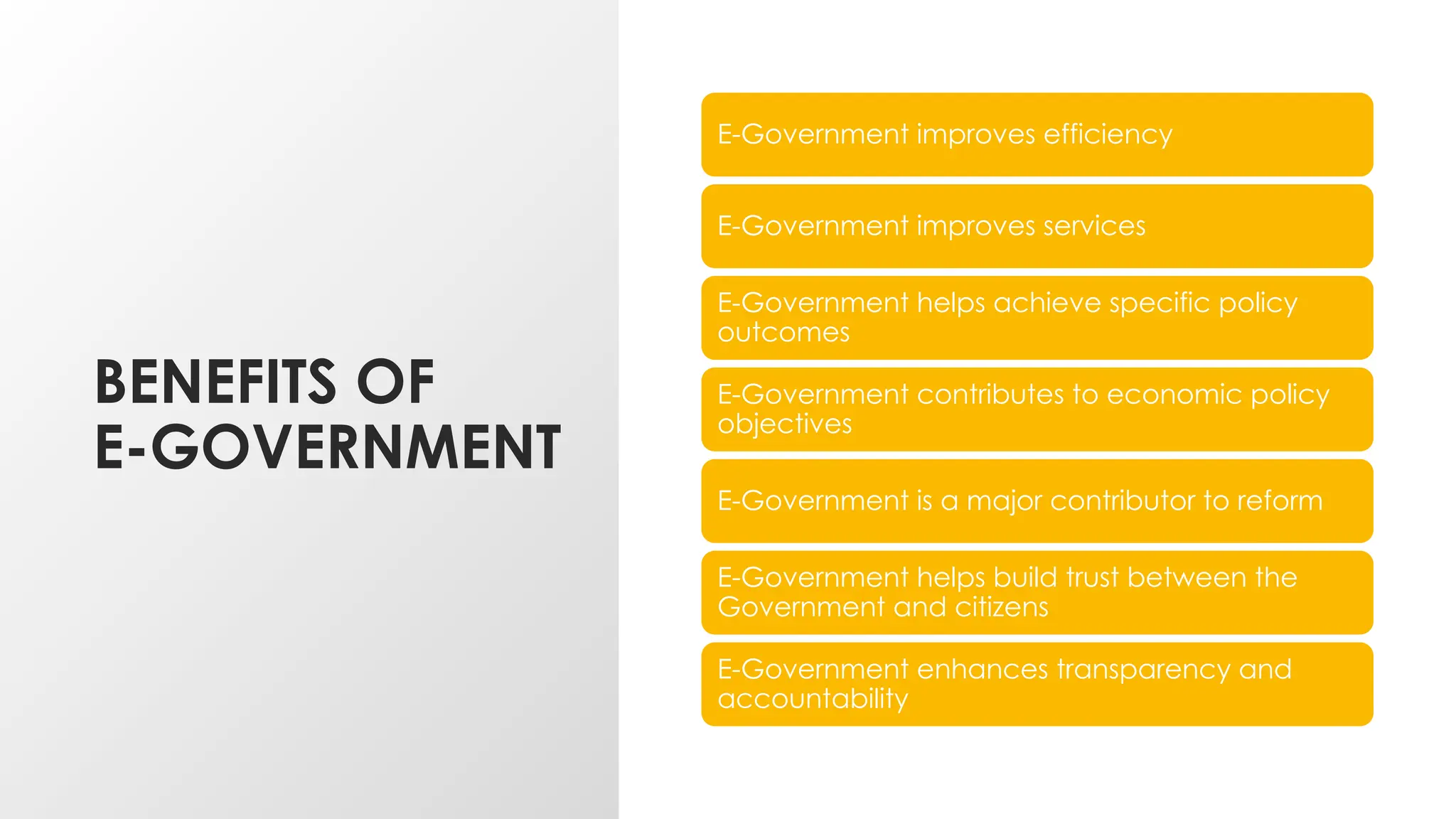
By minimizing the overhead associated with domain management and providing a standard technical framework, the .gov program allows smaller agencies to leverage "enterprise-level" security without the need for an massive, dedicated cybersecurity budget. This standardization allows for interoperability between different levels of government, facilitating the integration of digital services across state and federal lines.
Addressing Common Misconceptions
A common error among the public is the belief that any government service must have a .gov address. While this is a best practice, some legacy government programs or specific public-private partnerships might operate under other domains. However, the current policy trend is to migrate all official government business to the .gov space.
Another frequent question concerns whether a .gov domain provides search engine optimization (SEO) advantages. While search engines do not assign a direct "ranking bonus" based solely on a domain ending, they do recognize the high authority and low spam profile associated with .gov domains. Consequently, these sites often rank highly in search results because they are considered high-quality, authoritative sources of information.
Frequently Asked Questions
Does a .gov domain guarantee that a website is legitimate? Yes, it serves as a strong indicator of authenticity. Because the domain space is strictly limited to verified U.S. government entities, it is nearly impossible for a private party to register a legitimate .gov address. Always check the URL in your browser bar before entering personal information.
Why are some government websites using .com? While some older sites or specific public outreach programs might use .com, they are increasingly discouraged. Most agencies are transitioning to .gov to ensure consistent security and brand trust. If you encounter a government service on a .com site, verify the link via an official, trusted government portal first.
Who manages the .gov domain registry? The .gov domain is managed by the Cybersecurity and Infrastructure Security Agency (CISA). This agency is responsible for the vetting of applicants and the technical security standards required to maintain a .gov presence.
Can a business or nonprofit apply for a .gov domain? No. Eligibility is strictly limited to U.S. government entities, including federal, state, local, territorial, and tribal governments. Private businesses, non-profits, and individuals cannot register .gov domains.
What happens if a .gov domain is used for fraud? Because the registration process requires verifying a government entity, fraud is extremely difficult. If a domain is found to be non-compliant or involved in malicious activity, CISA has the authority to immediately revoke the registration, effectively shutting down the site's ability to present itself as a government entity.
Recommendation for Continued Verification
When engaging with any digital service provided by a government agency, always confirm the domain matches the official entity's verified portal. For those tasked with managing government web assets, prioritize the immediate migration to the .gov namespace to ensure full compliance with CISA security mandates and to maintain the highest level of public trust.
Image Gallery