How to Find Police Reports Online in 2026: The Complete Access Guide
Navigating public records can be a complex endeavor, particularly when you need to secure official documentation quickly. Whether you are conducting a background check, preparing for legal proceedings, resolving an insurance claim, or...
Navigating public records can be a complex endeavor, particularly when you need to secure official documentation quickly. Whether you are conducting a background check, preparing for legal proceedings, resolving an insurance claim, or satisfying personal curiosity, learning how to find police reports online in 2026 requires understanding modern municipal digital portals, state Freedom of Information Act (FOIA) frameworks, and official records management systems. This comprehensive guide details the exact steps, jurisdictional hurdles, data privacy constraints, and technological tools necessary to locate and download police records efficiently.
Contents
Understanding the Digital Landscape of Police Records
Public safety agencies across the United States have steadily modernized their record-keeping workflows. By 2026, the vast majority of metropolitan police departments and county sheriff offices utilize specialized online record management portals. However, finding these documents is rarely as simple as typing a name into a single national search engine. Law enforcement is inherently decentralized, split across thousands of local, county, state, and federal jurisdictions.
When searching for a record, you must first identify the precise agency that responded to the incident. If a traffic accident occurred on a state highway, the state highway patrol holds the file. If an incident occurred within city limits, the municipal police department is the custodian of records.
- Local Municipal Police: Handle crimes, minor accidents, and local disturbances within city boundaries.
- County Sheriff Departments: Manage records for unincorporated county areas, county jails, and rural enforcement.
- State Highway Patrols / State Police: Maintain records exclusively for state-managed roadways, interstate accidents, and statewide criminal investigations.
- Federal Agencies: Handle cross-border crimes, federal property incidents, and immigration offenses via specialized federal portals.
Step-by-Step Procedure to Request Records Digitally
Securing an incident or crash report online demands a structured workflow. Follow this step-by-step operational process to minimize administrative rejections and expedite document retrieval.
- Identify the Exact Jurisdiction: Determine the specific law enforcement agency that dispatched officers to the scene. Note the exact date, time, and physical address or intersection of the incident.
- Locate the Official Agency Portal: Navigate directly to the official government website (.gov domain) of the specific police department or sheriff's office. Avoid third-party data broker sites that charge exorbitant fees for public data.
- Review Agency-Specific Requirements: Check whether the department utilizes third-party digital clearinghouses such as BuyCrash, LexisNexis Police Reports, or a custom municipal portal.
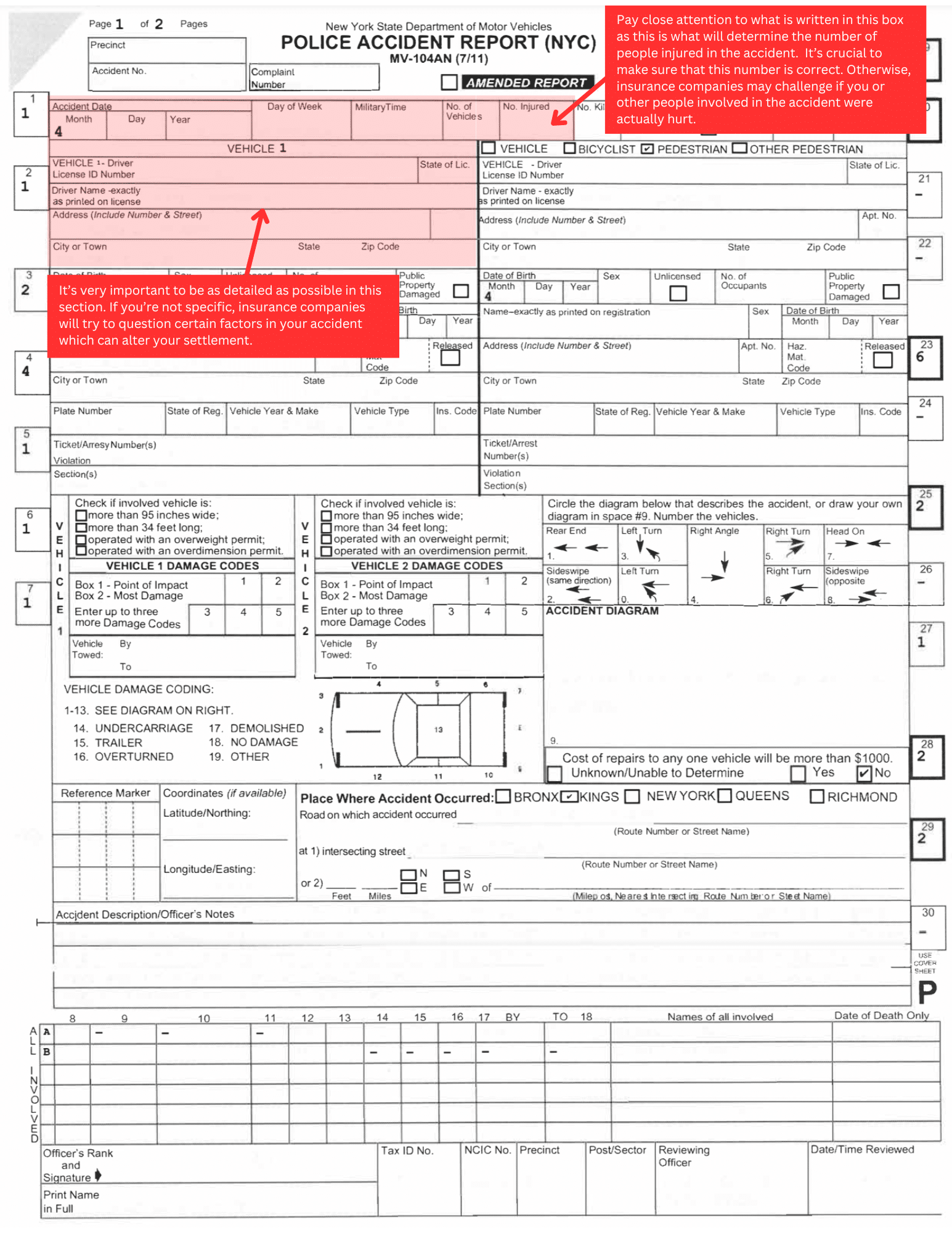
- Gather Required Metadata: Prepare mandatory identification details. Most portals require the official case or incident number, the date of the occurrence, and the last name of at least one involved party.
- Submit Fees and Authorization: Pay any statutory administrative retrieval fees via secure credit card processing and complete required identity verification steps if the record contains restricted personal data.
- Download and Secure the Document: Once processed, download the digital PDF file immediately and store it securely with encrypted backups.
Comparison of Record Acquisition Channels
Different platforms offer varying speeds, costs, and data depths. Evaluating your options helps determine the most reliable route for your specific retrieval needs.
| Retrieval Method | Average Processing Time | Typical Cost Range | Data Accuracy & Completeness | Best Used For |
|---|---|---|---|---|
| Official Municipal Police Portal | Instant to 3 business days | $5.00 - $20.00 | 100% Official & Unredacted (per law) | Direct city incidents and local traffic accidents |
| State Highway Patrol Database | Instant to 5 business days | $10.00 - $25.00 | 100% Official State Records | Highway collisions and state route incidents |
| Third-Party Clearinghouses (e.g., LexisNexis) | Instant | $15.00 - $35.00 | High (Dependent on agency sync) | Rapid retrieval of participating municipal crash reports |
| Commercial People Search Engines | Instant | Subscription ($1.00 - $50.00) | Low to Moderate (Often outdated) | General background scanning (Not official reports) |
Legal Limitations, Redactions, and Privacy Rules
Not all information contained within a police report is available for public consumption. Federal and state privacy laws mandate strict redaction rules to protect victims, juveniles, and ongoing criminal investigations. Understanding these legal barriers prevents frustration when reviewing downloaded documents.
Data Privacy Protection Standards Mandatory Redactions: Personally Identifiable Information (PII) such as Social Security numbers, dates of birth, exact financial account numbers, and minor identities are routinely scrubbed from public-facing documents. Active Investigation Exemptions: Under state public records acts and the federal FOIA, police departments can legally withhold entire files if releasing them would compromise an active criminal investigation, endanger an informant, or jeopardize a pending prosecution.
Troubleshooting Common Search Failures
Attempting to pull records online often leads to roadblocks if minor data discrepancies occur. Employ these troubleshooting strategies when your initial search yields no results:
- The Case Number is Missing: If you do not have the incident number, search by date range, street name, and the involved parties' full legal names. Note that common last names may require a narrower date window.
- The System Returns "Record Not Found": Police agencies typically maintain a mandatory processing lag. A report filed today may take anywhere from 3 to 10 business days to clear supervisor approval and upload into the digital database.
- Geographical Mismatch: Ensure you are searching the correct municipality. Many unincorporated areas share mailing addresses with nearby cities, but jurisdiction belongs entirely to the county sheriff.
Frequently Asked Questions
Can I get a police report online for free?
While public records laws generally mandate low-cost or at-cost access, truly free access is rare. Most municipal and third-party portals charge nominal administrative processing fees ranging from $5 to $25 to cover digital infrastructure and labor costs.
What information do I need to pull a police report online?
You typically need the official case or incident number, the date of the incident, the location or address, and the name of an involved party. Having the precise badge number or officer name can also accelerate manual searches within agency archives.
Are all police reports available to the general public?
No. Reports involving active criminal investigations, juvenile offenders, sexual assault victims, and confidential informants are heavily restricted or entirely exempt from public disclosure under state and federal privacy statutes.
How long does it take for a police report to appear online?
Most law enforcement agencies require a mandatory administrative review and approval window, meaning reports generally take between 3 to 10 business days to transition from an officer's field device into the public online portal.
What is the difference between a police blotter and an official police report?
A police blotter is a daily, abbreviated log of calls for service and minor events meant for general public awareness. An official police report is a comprehensive, formal investigative document compiled by the responding officer, which carries legal weight for insurance and court proceedings.
Take Action to Secure Your Documentation Today
Locating official documentation requires precision, patience, and adherence to jurisdictional rules. Begin by confirming the exact agency responsible for the incident, gather your case identifiers, and utilize official municipal or state portals to ensure authentic, uncompromised results. Secure your records today to support your legal, financial, or personal tracking needs effectively.
Image Gallery