Why Insulated Running Pants Matter in Cold Weather: Enhancing Performance and Safety
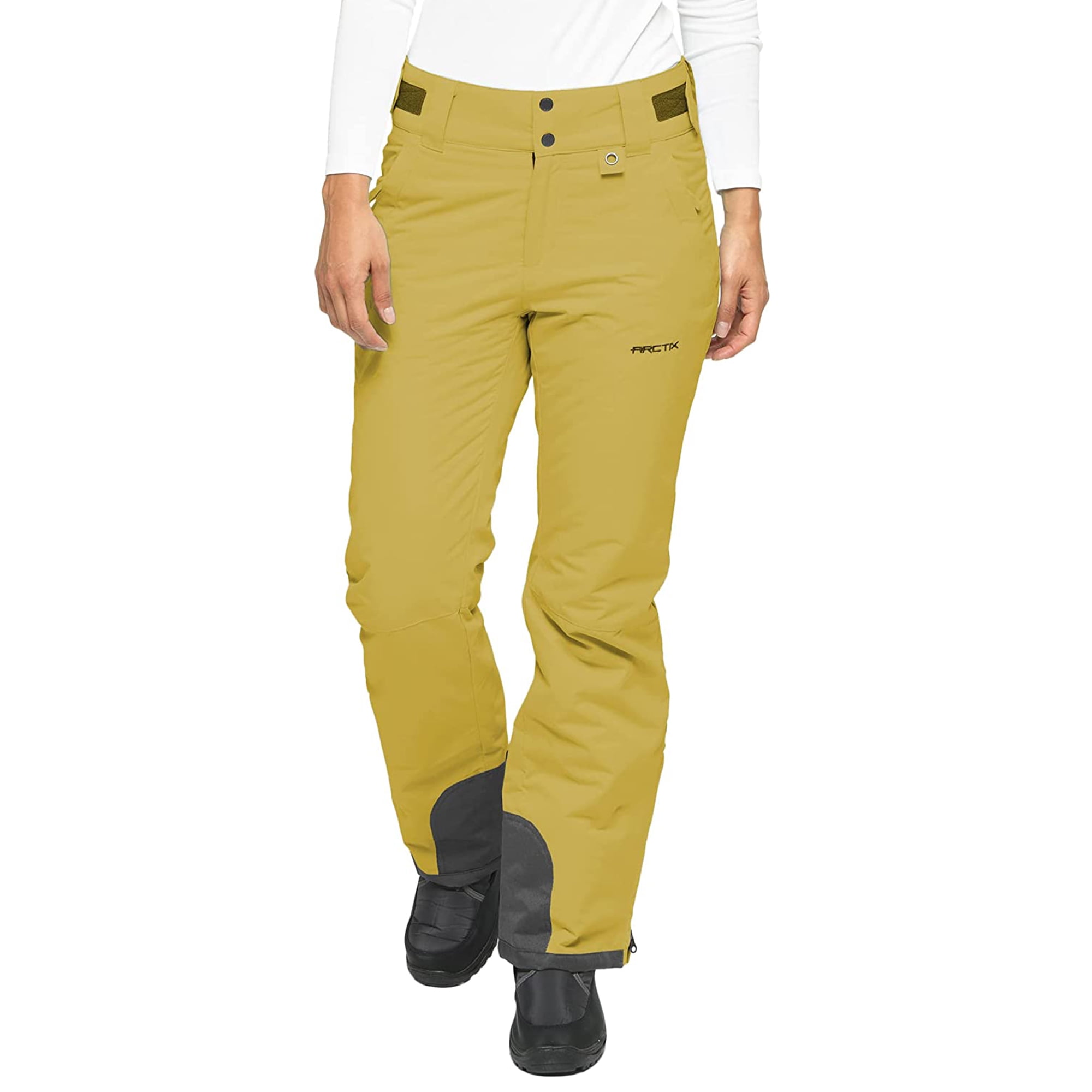
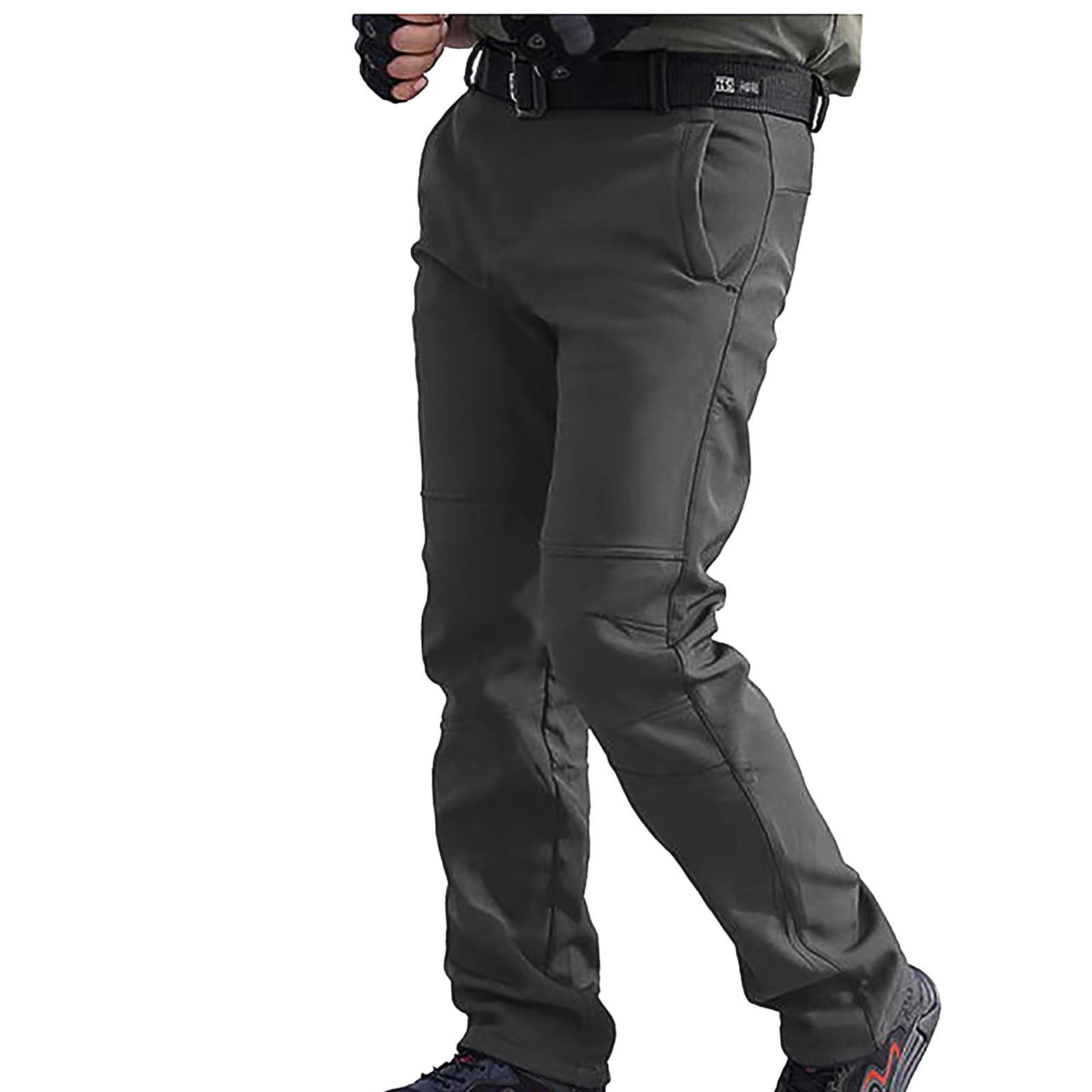
Insulated running pants are essential for maintaining muscle temperature and preventing injury when temperatures drop below 40°F (4°C). They combine thermal retention with moisture-wicking properties, ensuring runners stay dry and warm...
Insulated running pants are essential for maintaining muscle temperature and preventing injury when temperatures drop below 40°F (4°C). They combine thermal retention with moisture-wicking properties, ensuring runners stay dry and warm. Unlike standard leggings, they offer wind protection and specialized fabrics that facilitate optimal metabolic efficiency during winter training sessions.
Contents
The Science of Thermoregulation in Cold Weather Running
Running in cold environments presents a unique physiological challenge: the body must balance the heat generated by intense physical exertion with the rapid heat loss caused by low ambient temperatures and wind. Thermoregulation is the process by which the body maintains its core internal temperature. When you run, your muscles generate significant heat, but in sub-freezing conditions, the "microclimate" between your skin and your clothing can be stripped away by convection.
Insulated running pants matter because they provide a structural barrier that traps a thin layer of air close to the skin. This trapped air acts as a natural insulator. In 2026, fabric technology has evolved to use advanced lofted fibers and synthetic micro-grids that maximize this air-trapping capability without adding significant bulk or weight. Without this insulation, the body redirects blood flow away from the extremities and toward the core to protect vital organs—a process known as peripheral vasoconstriction. This reduction in blood flow to the legs can lead to decreased muscle performance and an increased risk of cramping.
Muscle Efficiency and Injury Prevention
One of the most critical reasons to wear insulated gear is the preservation of muscle elasticity. Muscles function most efficiently when they are warm. Cold muscles are inherently more brittle and less pliable, making them significantly more susceptible to strains, pulls, and tears.
When muscle fibers are cold, the chemical reactions required for contraction and relaxation slow down. This leads to a decrease in power output and a higher metabolic cost for the same amount of work. By using insulated running pants, you maintain a consistent temperature in the quadriceps, hamstrings, and calves. This ensures that the muscle tissue remains supple and responsive, allowing for a natural range of motion and reducing the mechanical stress on tendons and ligaments. Furthermore, warm muscles facilitate better oxygen delivery via the blood, delaying the onset of fatigue and allowing for longer, more productive training sessions in the winter months.
Technical Fabrications: Understanding the Materials
Modern insulated running pants are not merely "thick" pants; they are highly engineered garments utilizing multi-component textile systems. To understand why they matter, one must look at the specific technologies used to combat the elements.
Brushed Fleece and Thermal Grids
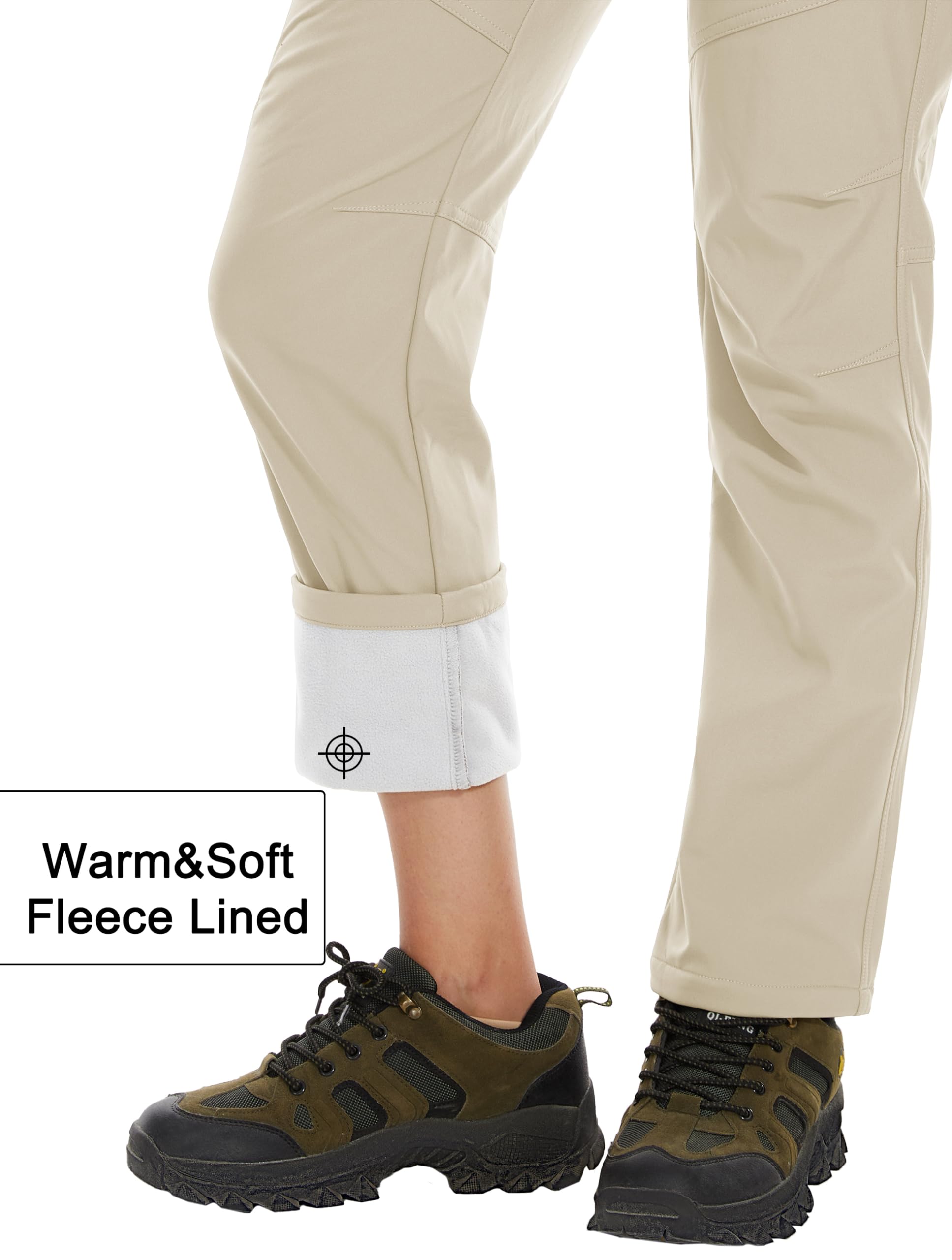
The interior of most high-quality insulated pants features a brushed fleece or "peeled" texture. This process lifts the fibers of the fabric to create more surface area, which enhances the material's ability to trap heat. Some manufacturers use a grid-based pattern (often called "power grid" or "thermal hex") which creates channels for moisture to escape while the raised sections provide insulation. This balance is crucial; if a pant is too warm and lacks breathability, sweat will accumulate, eventually cooling the body down once the runner stops or slows down.
Windproof Membranes and DWR
In cold weather, the "real feel" temperature is often dictated by the wind. Wind chill can strip heat from the body at an accelerated rate. Many insulated running pants incorporate a windproof membrane, such as GORE-TEX INFINIUM or similar proprietary laminates, specifically on the front-facing panels of the thighs and shins. These membranes block cold air from penetrating while allowing water vapor (sweat) to escape from the inside. Additionally, a Durable Water Repellent (DWR) coating is often applied to the outer shell to shed light snow or sleet, preventing the fabric from becoming "wet out," which would immediately destroy its insulating properties.
The Difference Between Insulated Tights and Running Pants
Runners often debate between tight-fitting thermal leggings and looser insulated running pants. Both have their place in a 2026 winter wardrobe, but their functions differ slightly based on the intensity of the run and the severity of the weather.
- Insulated Tights: These provide a "second skin" fit. They are superior for high-intensity interval training or tempo runs where aerodynamics and maximum moisture wicking are priorities. The compression fit also helps with blood circulation.
- Insulated Running Pants: These usually feature a tapered but slightly relaxed fit. They often incorporate more robust wind-blocking panels and may have a dual-layer construction. They are ideal for "Zone 2" easy runs, long-distance base building, or recovery days when the heart rate—and thus internal heat production—is lower. The small gap between the skin and the fabric in a pant-style garment provides an extra layer of air insulation that tights sometimes lack.
Key Features to Prioritize for Winter 2026
When selecting insulated running gear, several technical features determine the garment's effectiveness and longevity.
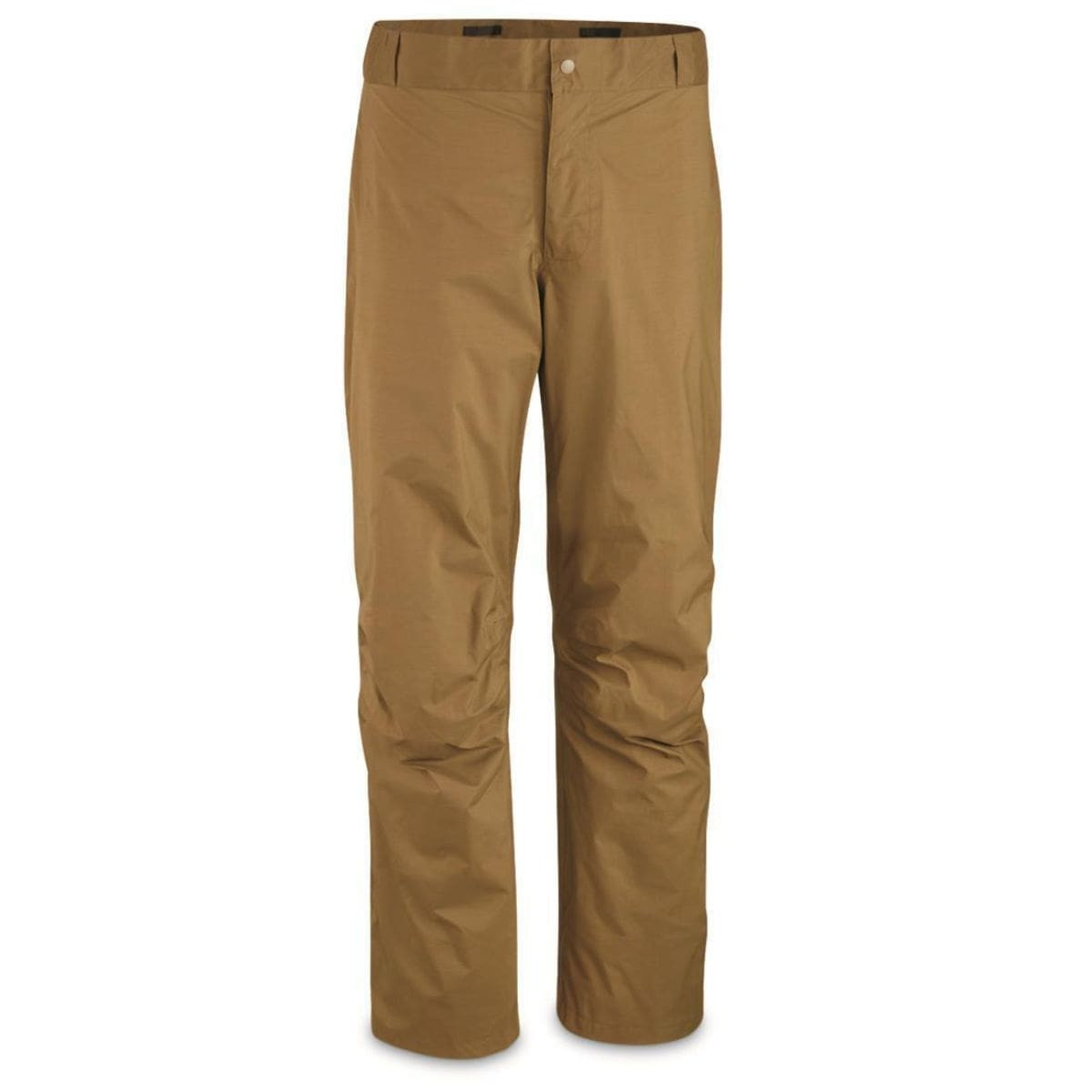
- Articulated Knees: Because insulated fabrics are often denser and less stretchy than summer Lycra, look for pants with pre-shaped or articulated knees. This prevents the fabric from bunching behind the knee or pulling tight across the kneecap, which can alter your gait.
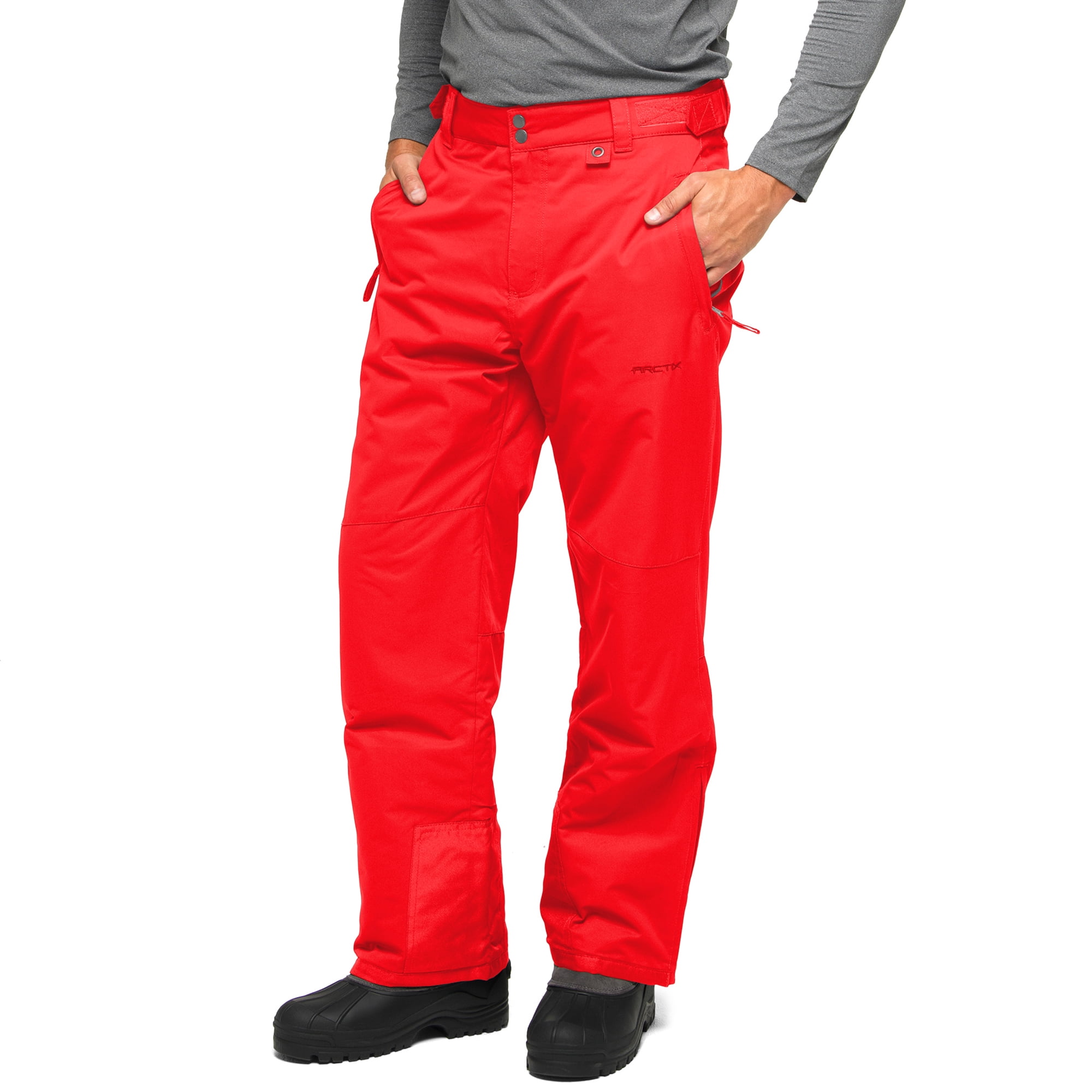
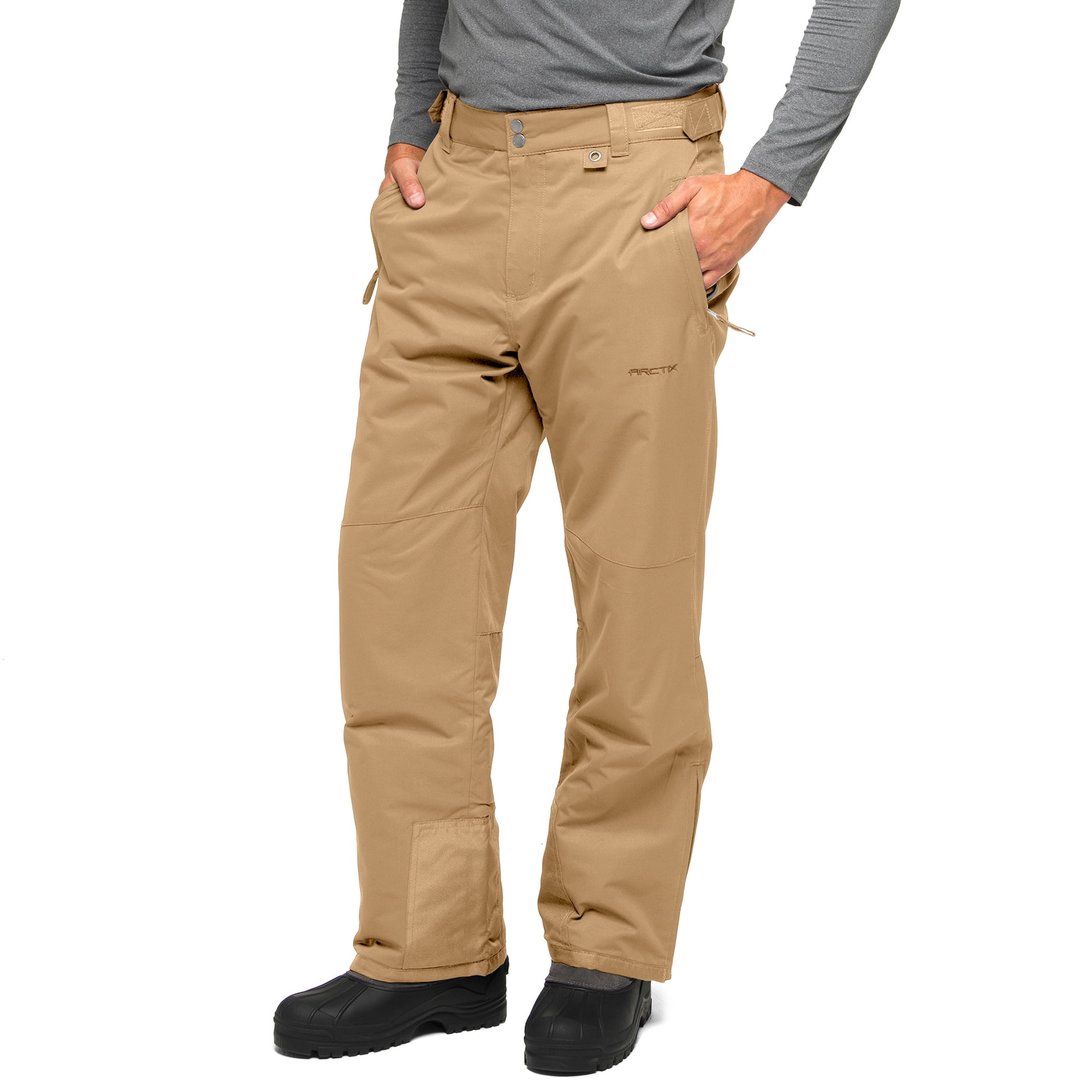
- Ankle Zippers: These allow for easy transitions over running shoes and can serve as secondary ventilation points if the temperature rises during a long run.
- High-Visibility Elements: In 2026, integrated reflectivity is a standard safety requirement. Since winter days are shorter, insulated pants should feature 360-degree reflective hits to ensure visibility to motorists in low-light conditions.
- Strategic Venting: Look for pants with non-insulated, highly breathable panels behind the knees or at the small of the back. These "heat zones" allow excess thermal energy to escape, preventing overheating during intense efforts.
Comparison of Insulation Levels by Temperature
Choosing the right gear depends heavily on the specific conditions. The following table provides a guideline for selecting legwear based on the ambient temperature and wind conditions.
| Temperature Range | Recommended Fabric Type | Primary Feature | Activity Suitability |
|---|---|---|---|
| 35°F to 45°F (1°C to 7°C) | Lightweight Thermal Tights | Brushed interior, high breathability | Fast-paced runs, intervals |
| 20°F to 35°F (-6°C to 1°C) | Mid-weight Insulated Pants | Wind-blocking front panels, DWR coating | Daily training, long runs |
| 0°F to 20°F (-18°C to -6°C) | Heavy-weight Thermal Pants | Dual-layer fleece, full windproof membrane | Recovery runs, extreme cold |
| Below 0°F (Below -18°C) | Hybrid Layering System | Thermal base layer + Wind-shell pants | Survival pace, mountaineering runs |
Common Mistakes When Choosing Cold Weather Gear
One of the most frequent errors runners make is over-dressing. It is a common rule of thumb to dress as if it is 15 to 20 degrees warmer than the actual thermometer reading, as your body temperature will rise significantly within the first ten minutes of movement. If you start the run feeling "toasty," you will likely be drenched in sweat and overheating mid-way through.
Another mistake is neglecting the moisture-wicking aspect of insulation. Some lower-end "warm" pants are made of heavy cotton or non-technical polyester blends that trap sweat. Cotton is particularly dangerous in cold weather; it absorbs up to 27 times its weight in water and loses all insulating value when wet, which can lead to rapid cooling and even hypothermia. Always verify that the insulated pants are made of synthetic (polyester, nylon, elastane) or natural technical fibers (merino wool).
Safety and Visibility Considerations
Beyond physical comfort, insulated running pants are a safety tool. In extreme cold, the risk of hypothermia increases if a runner is forced to stop due to injury or fatigue. Insulated gear provides a "safety margin," keeping the muscles and core warm enough to prevent a rapid drop in body temperature during an unplanned walk back to the trailhead.
Moreover, the integration of deep pockets in modern insulated pants allows for the secure carry of mobile phones and emergency nutrition. Cold temperatures significantly degrade battery life; insulated pockets that sit close to the body use your own body heat to keep your phone's battery from dying, ensuring you have a communication lifeline if needed.
Frequently Asked Questions
Can I just wear regular sweatpants for winter running?
While regular cotton sweatpants provide initial warmth, they are not recommended for running. Cotton absorbs sweat, becomes heavy, and chafes significantly. Most importantly, once cotton gets wet from sweat or snow, it fails to insulate, which can cause your body temperature to drop dangerously fast. Technical insulated running pants are designed to move moisture away from the skin while retaining heat.
How do I wash insulated running pants without ruining the fabric?
To preserve the technical membranes and DWR coatings, wash your insulated pants in cold water on a gentle cycle. Avoid fabric softeners, as they clog the pores of breathable membranes and destroy the wicking capabilities of the fleece. It is best to hang dry them; high heat in a dryer can damage the elastic fibers and any windproof laminates.
Do I need to wear a base layer under insulated running pants?
In most conditions between 10°F and 40°F, a single pair of high-quality insulated running pants is sufficient. However, if temperatures drop below zero or if there are extreme winds, adding a thin moisture-wicking base layer (like silk or lightweight merino wool) can provide an extra layer of trapped air for added warmth.
Are insulated pants worth the investment for occasional cold days?
If you live in a climate where temperatures regularly drop below 40°F, they are a vital investment for consistency. Maintaining a training schedule in winter is difficult without the right gear. Insulated pants allow you to run comfortably in conditions that would otherwise be miserable, reducing the likelihood of skipping workouts and protecting you from seasonal muscle injuries.
Should insulated pants be tight or loose?
They should be "athletic fit"—meaning they are close to the body to trap heat effectively but not so tight that they restrict blood flow or movement. A tapered leg is preferable to prevent the fabric from flapping or getting caught in your stride. If they are too loose, the "bellows effect" will cause warm air to escape every time you move.
Practical Recommendation
For the 2026 winter season, prioritize a pair of insulated running pants that features a hybrid construction: wind-blocking panels on the thighs and a breathable, brushed fleece on the back of the legs. This configuration addresses the most common cold-weather challenges—wind chill and overheating—simultaneously. Ensure the fit allows for a full range of motion and that the garment includes sufficient reflectivity for safety. Investing in high-quality technical legwear is not just a matter of comfort; it is a fundamental requirement for maintaining athletic performance and physical health during the winter months.
Image Gallery