Navigating Insurance Auto Auction Lot 27837979: Verification, Vehicle History, and Buying Guide
Lot 27837979 represents a specific vehicle listed through an insurance auto auction platform, typically detailing a salvage, total-loss, or recovered-theft asset managed on behalf of an insurance carrier. Buyers evaluating this invento...
Lot 27837979 represents a specific vehicle listed through an insurance auto auction platform, typically detailing a salvage, total-loss, or recovered-theft asset managed on behalf of an insurance carrier. Buyers evaluating this inventory number must review critical vehicle identifiers, assess damage documentation, verify licensing prerequisites, and account for auction-specific fees before placing a bid.
Contents
When navigating online vehicle salvage marketplaces, encountering a specific stock or lot number like 27837979 insurance auto auction lot usually directs an interested buyer to a singular asset listing. Whether sourced from platforms like Copart, IAAI (Insurance Auto Auctions), or regional independent liquidators, individual auction lots require careful due diligence. This guide outlines how to trace, verify, and safely evaluate a specific insurance auto auction lot, detailing the operational requirements, documentation standards, and risk assessment strategies necessary for salvage and clean-title vehicle acquisition.
Understanding the Role of Insurance Auto Auctions
Insurance auto auctions serve as the primary secondary market where insurance carriers liquidate vehicles that have been deemed total losses. When a vehicle sustains collision, weather, flood, fire damage, or is recovered after being stolen, the cost to repair it often exceeds a designated percentage of its pre-accident cash value. Under state regulations and standard insurance guidelines, the carrier settles the claim with the policyholder, takes possession of the title, and consigns the vehicle to an auction facility.
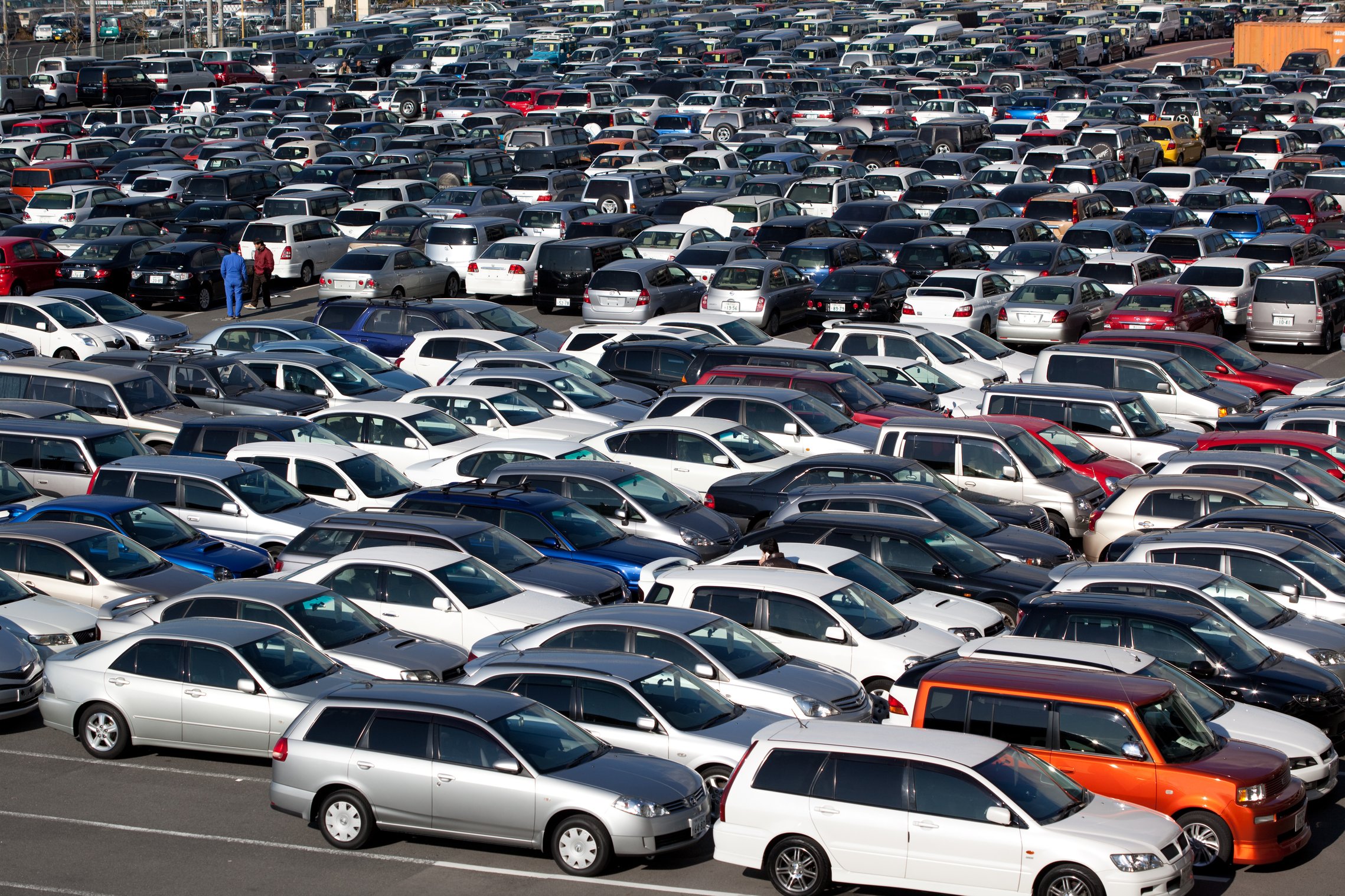
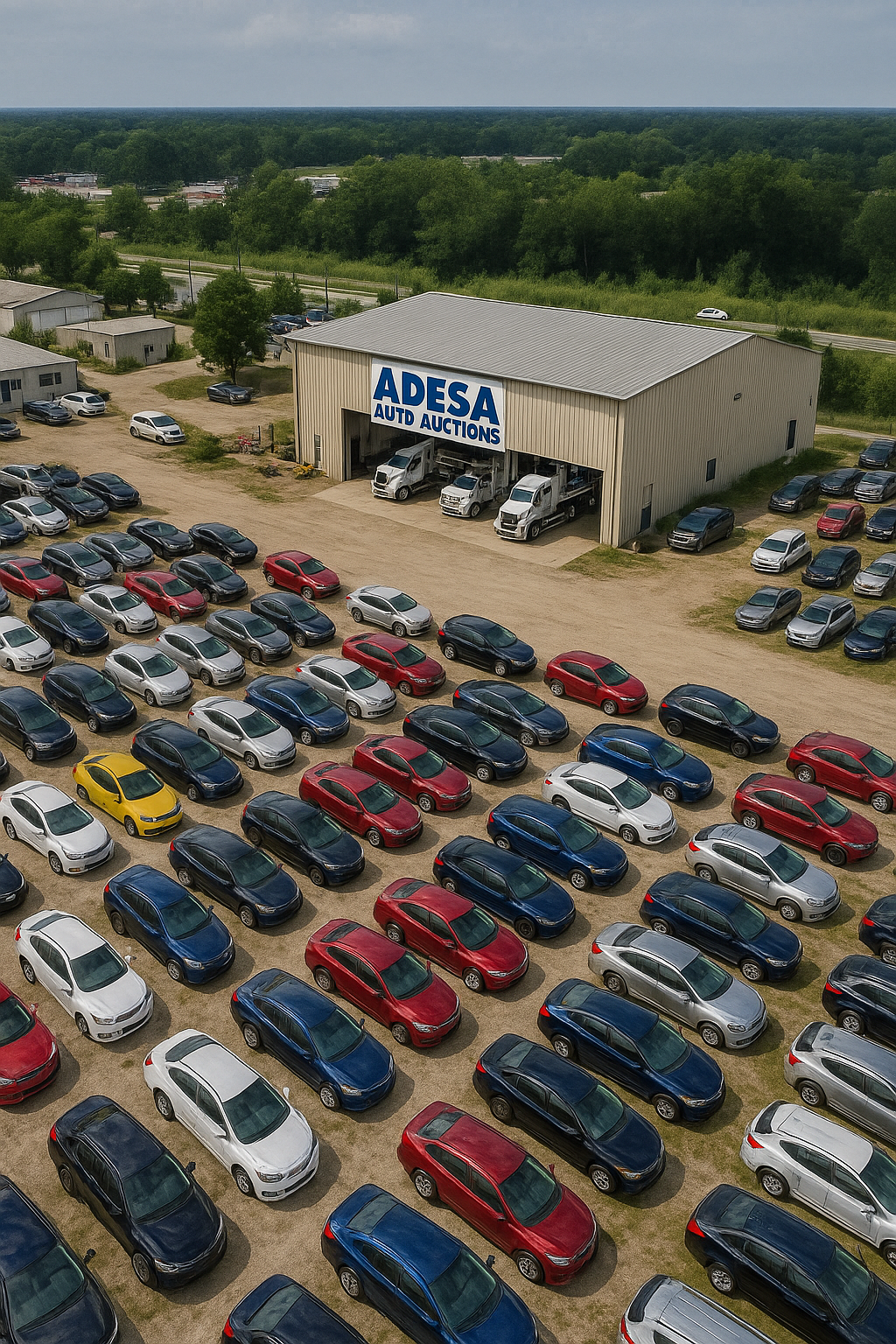
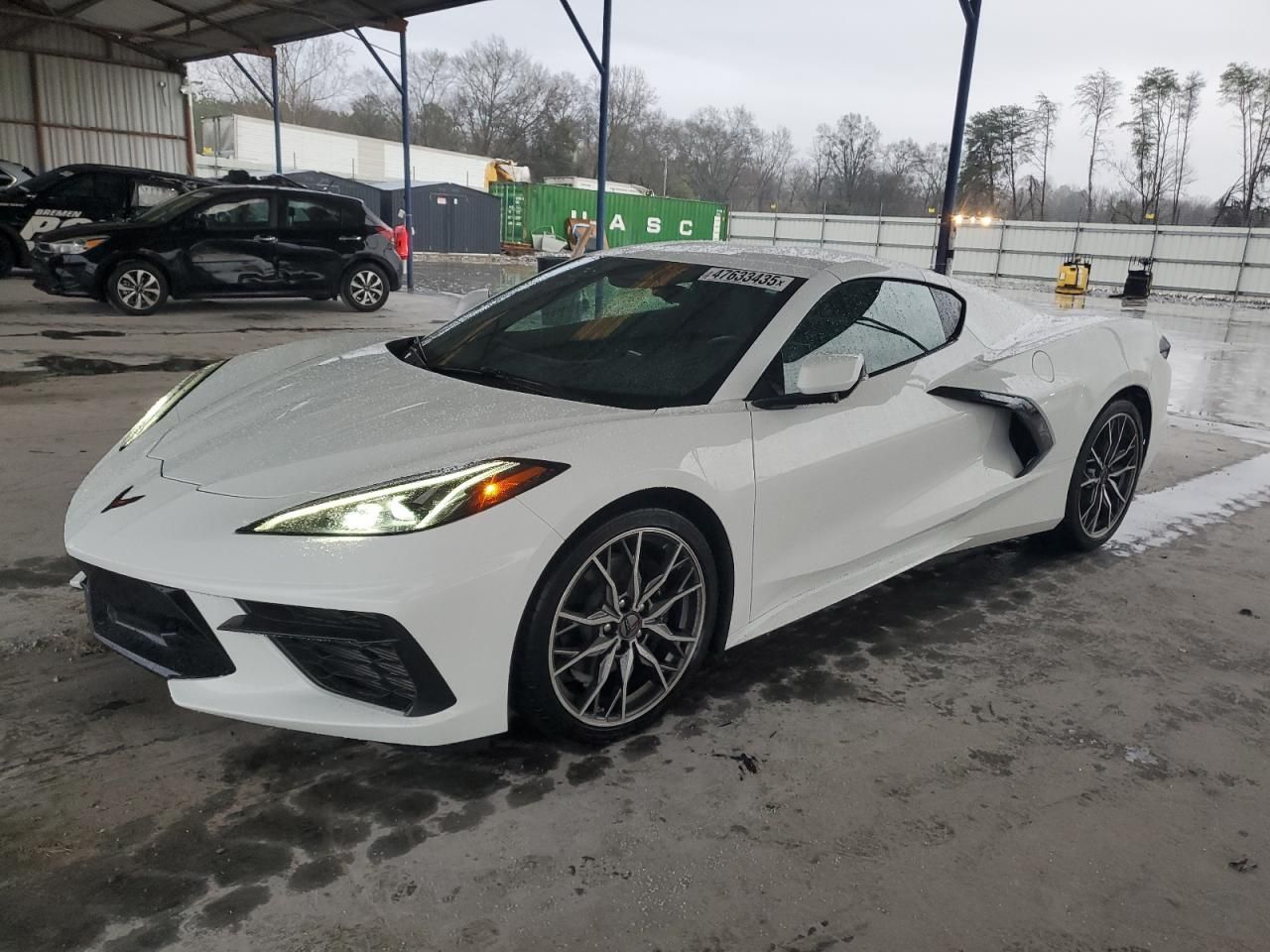
The resulting inventory consists of cars, trucks, motorcycles, and heavy machinery categorized by specific lot numbers. A designation such as lot 27837979 functions as a unique inventory tracker within the auction house database. This number directs buyers to the precise physical yard location, vehicle identification number (VIN), salvage title type, and condition report associated with that single asset.
Why Insurance Carriers Liquidate Vehicles
- Financial Mitigation: Insurers recoup a portion of the total-loss payout by selling the wreckage or salvageable components to licensed dismantlers, rebuilders, and exporters.
- Liability Reduction: Retaining damaged assets poses storage and environmental liability risks for insurance firms, making rapid auction liquidation standard industry practice.
- Regulatory Compliance: State motor vehicle departments require formal transfer of ownership via salvage or non-repairable certificates, which auctions facilitate systematically.
Prerequisites and Buyer Eligibility
Participating in platforms that list insurance auto auction lots requires meeting specific regulatory and platform-specific prerequisites. Not all lots are open to the general public; accessibility depends heavily on state laws and the type of title assigned to the vehicle.
Public vs. Dealer-Only Inventories
Many insurance auction lots are restricted to buyers possessing valid business licenses, such as used car dealer licenses, automotive dismantler licenses, or international export credentials. However, several jurisdictions allow public buyers to bid on specific lots directly or through licensed third-party broker services.
- Public Access: Vehicles with clean titles or specific salvage classifications in permissive states may allow direct public bidding.
- Broker Representation: If lot 27837979 requires a dealer license that the buyer does not possess, third-party brokers can legally place bids on behalf of the retail buyer for a fee.
- Account Registration: Prospective buyers must register with the platform, verify their identity with government-issued documentation, and secure payment methods or deposits prior to bidding.
Evaluating Lot 27837979: Key Verification Steps
Before committing capital to any insurance auto auction lot, buyers must conduct a multi-point verification process. Relying solely on the initial auction listing photos can lead to costly miscalculations regarding repair expenses and structural integrity.
1. Vehicle Identification Number (VIN) Verification
The foundational step in evaluating any salvage asset is extracting and running the complete 17-digit VIN. Buyers should cross-reference the VIN listed on the auction platform against independent vehicle history providers such as the National Insurance Crime Bureau (NICB) VINCheck, Carfax, or AutoCheck.
- Previous History: Check for prior salvage brands, odometer rollbacks, or flood designations that predate the current insurance claim.
- Loss Type Consistency: Verify that the stated loss type (e.g., collision, hail, vandalism) matches the physical damage visible in the lot photographs.
2. Assessing Damage Classifications
Auction platforms categorize damage into primary and secondary classifications. Understanding these labels prevents unexpected mechanical or structural surprises:
| Damage Category | Description | Common Risk Factors |
|---|---|---|
| Front End | Impact concentrated on the bumper, grille, and engine compartment. | Potential frame distortion, radiator damage, and deployed airbags. |
| All Over | Widespread damage across multiple panels and structural pillars. | High probability of unibody compromise and total economic loss. |
| Water / Flood | Submersion affecting interior electronics, carpet, and powertrain. | Long-term electrical corrosion, mold growth, and transmission failure. |
| Hail | Cosmetic dents to exterior sheet metal and glass breakage. | Generally favorable for rebuilders as mechanical components remain intact. |
3. Title Status and Jurisdictional Transferability
The legal status of the vehicle’s title dictates how—and where—it can be registered after purchase. Insurance auctions generally assign titles into specific categories:
- Salvage Certificate: Indicates the vehicle cannot be registered for highway use until it undergoes a formal state inspection after repairs are completed.
- Clear Title: Occasionally, high-value theft recoveries or minor claims result in clean titles despite passing through insurance channels.
- Bill of Sale / Parts Only: Permanently restricts the vehicle from being retitled for road use, limiting its value to component harvesting.
Financial Considerations: Beyond the Bid Price
A common pitfall for buyers unaccustomed to insurance auto auctions is focusing exclusively on the final winning bid. Acquiring lot 27837979 involves a complex fee structure that can significantly elevate the total cost of acquisition.
Breakdown of Auction Fees and Costs
- Buyer Fees: Tiered administrative fees charged by the auction house based on the final sale price of the vehicle.
- Internet Bid Fees: Surcharges assessed for placing bids online rather than in-person at the physical auction yard.
- Storage and Late Fees: Daily accumulation charges if the vehicle is not removed from the auction facility within the designated post-sale grace period (typically 3 to 5 business days).
- Transportation Expenses: Costs associated with hiring a flatbed tow truck or specialized auto transport service to move the vehicle from the yard to a private workshop or residence.
- Titling and Re-licensing Fees: State Department of Motor Vehicles (DMV) fees for salvage inspections, bonding, and issuing a rebuilt title.
Step-by-Step Purchasing and Logistics Workflow
Successfully acquiring and transporting an insurance auto auction lot requires a structured sequence of operations, moving from initial research to final delivery.
Lot Identification & Research
VIN & History Check
Licensing & Broker Verification
Budgeting (Bid + Fees + Transport)
Auction Bidding & Payment
Yard Release & Logistics Coordination
Initial Search: Locate the specific listing using the lot number (e.g., 27837979) on the respective auction provider's search engine.
Condition Review: Inspect all high-resolution images, noting whether keys are present, the engine starts, or the vehicle runs and drives.
Financial Calculation: Establish a maximum bid ceiling that incorporates all buyer fees, taxes, and towing estimates.
Execution of Payment: Complete wire transfers or approved electronic payments within the strict payment windows enforced by insurance auctions (usually 2 to 3 business days).
Logistics Handshake: Provide the designated transporter with the official gate release documents, barcode, and lot credentials for seamless yard pickup.
Frequently Asked Questions
Can anyone buy insurance auto auction lot 27837979?
Whether an individual can buy a specific lot depends on state licensing laws and the vehicle's title type. If the lot requires a dealer license and the buyer is an unlicensed retail customer, they must utilize a registered broker service to complete the transaction legally.
How can I verify if lot 27837979 has hidden frame damage?
Auction photos provide a baseline, but they cannot reveal internal structural twists. Reviewing suspension alignment in photos, checking door gap symmetry, and hiring an independent mobile inspector to visit the physical yard are effective methods for identifying hidden frame damage before bidding.
What does "Run and Drive" mean on an insurance auction listing?
A "Run and Drive" designation means the vehicle started, was put into gear, and moved forward under its own power at the time the auction facility processed the vehicle. It does not guarantee that the vehicle is road-legal, structurally sound, or free from mechanical defects.
What happens if I miss the payment deadline for my winning bid?
Failing to pay for a won auction lot within the allotted timeframe typically results in relisting fees, administrative penalties, and potential suspension or permanent banning of the buyer's account from the auction platform.
Are vehicle warranties provided on insurance auto auction lots?
No. All insurance auto auction lots are sold strictly "AS IS - WHERE IS" with no express or implied warranties regarding mechanical condition, safety performance, or completeness.
Next Actions for Prospective Buyers
Buyers intending to bid on lot 27837979 should immediately pull a comprehensive vehicle history report using the complete VIN, verify their account licensing permissions against the auction platform's requirements for that specific asset, and calculate a strict maximum bid threshold that factors in both towing logistics and potential repair parts availability.
Image Gallery