Understanding Mold Remediation in Saint Augustine Beach
Mold remediation in Saint Augustine Beach is a specialized professional process involving the identification, containment, and removal of fungal growth within coastal properties. Because of the high humidity and salt-laden air characte...
Mold remediation in Saint Augustine Beach is a specialized professional process involving the identification, containment, and removal of fungal growth within coastal properties. Because of the high humidity and salt-laden air characteristic of Northeast Florida, effective remediation requires rigorous moisture control, HEPA-grade air filtration, and strict adherence to Florida’s licensing regulations to ensure long-term indoor air quality.
Contents
The Environmental Challenges of Saint Augustine Beach
Saint Augustine Beach presents a unique set of environmental variables that facilitate rapid mold proliferation. Situated on Anastasia Island, the local climate is characterized by high relative humidity, frequent tropical precipitation, and the corrosive influence of salt spray. In 2026, property owners continue to face the reality that indoor humidity levels can easily exceed the 60% threshold where mold spores become active.
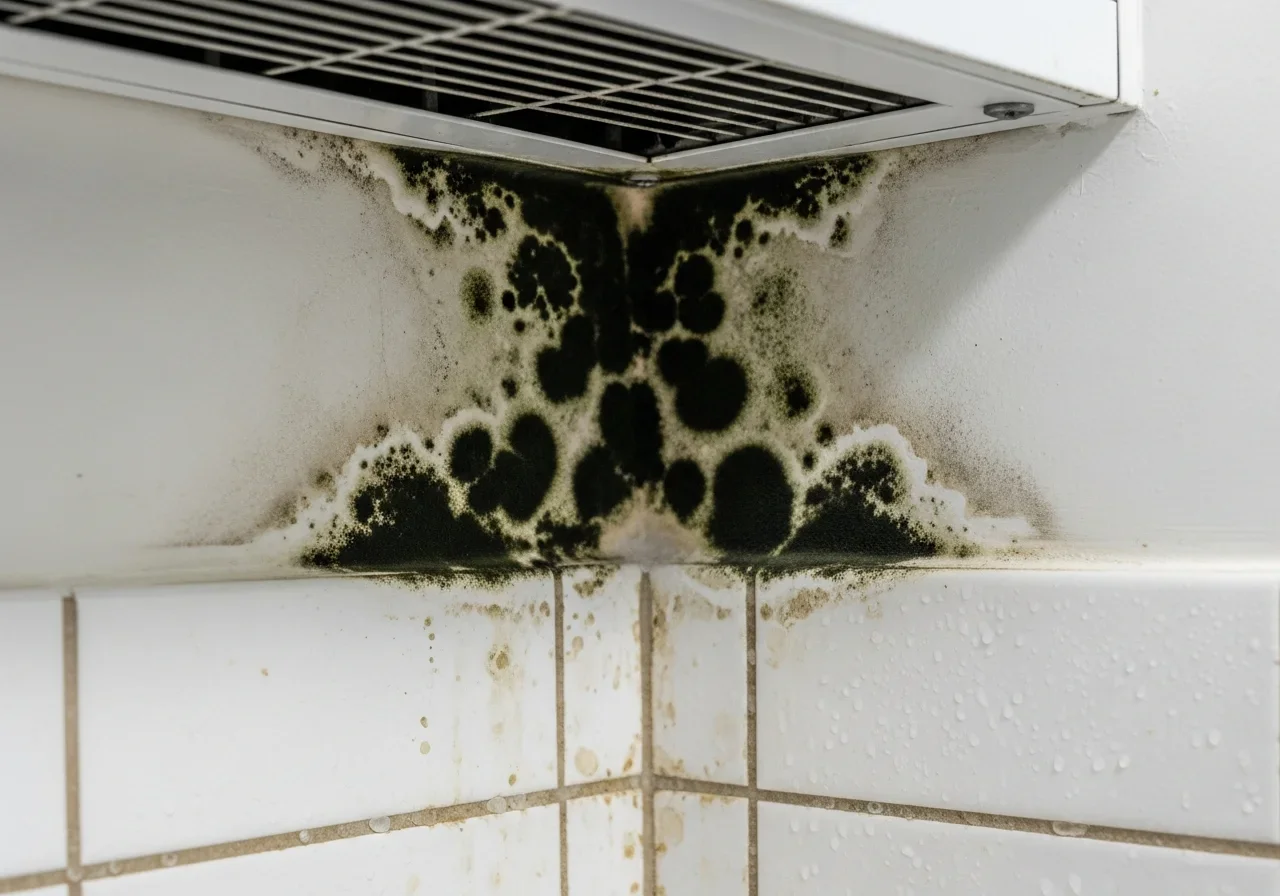
The primary driver of mold in this region is the intersection of high outdoor dew points and indoor climate control. When warm, moist air from the Atlantic coast enters a cooled building—whether through building envelopes, open windows, or ventilation systems—it reaches its dew point on cold surfaces like drywall, metal window frames, and HVAC supply vents. This condensation provides the requisite moisture for dormant spores to colonize organic substrates such as paper-faced gypsum board and wood framing.
Furthermore, Saint Augustine Beach is susceptible to "micro-flooding" during seasonal king tides and tropical storm surges. Even minor water intrusion that is not professionally dried within 24 to 48 hours can lead to systemic mold issues. Understanding these local stressors is the first step in a successful remediation strategy.
Florida Regulatory Standards for Mold Services
In Florida, the mold industry is strictly regulated under Florida Statutes Chapter 468, Part XVI. These laws are designed to protect consumers from substandard work and ethical conflicts of interest. It is vital for residents of Saint Augustine Beach to distinguish between the two primary licenses issued by the Florida Department of Business and Professional Regulation (DBPR):
- Licensed Mold Assessor: These professionals are authorized to perform inspections, take air and surface samples, and create a "remediation protocol."
- Licensed Mold Remediator: These professionals are authorized to perform the actual cleanup, demolition, and treatment of the mold based on the assessor’s protocol.
To maintain ethical standards, Florida law generally prohibits the same company from performing both the assessment and the remediation on a single project if the project exceeds 10 square feet of mold. This "separation of powers" ensures that the person identifying the problem does not have a financial incentive to inflate the scope of the cleanup, and the person performing the cleanup is held accountable by a third-party post-remediation verification.
The Professional Remediation Process
Professional mold remediation is not merely "cleaning" mold; it is a technical discipline guided by the IICRC S520 Standard for Professional Mold Remediation. The process is designed to prevent the cross-contamination of unaffected areas of the home while returning the indoor environment to a "Condition 1" (normal fungal ecology) status.
Step 1: Inspection and Moisture Mapping
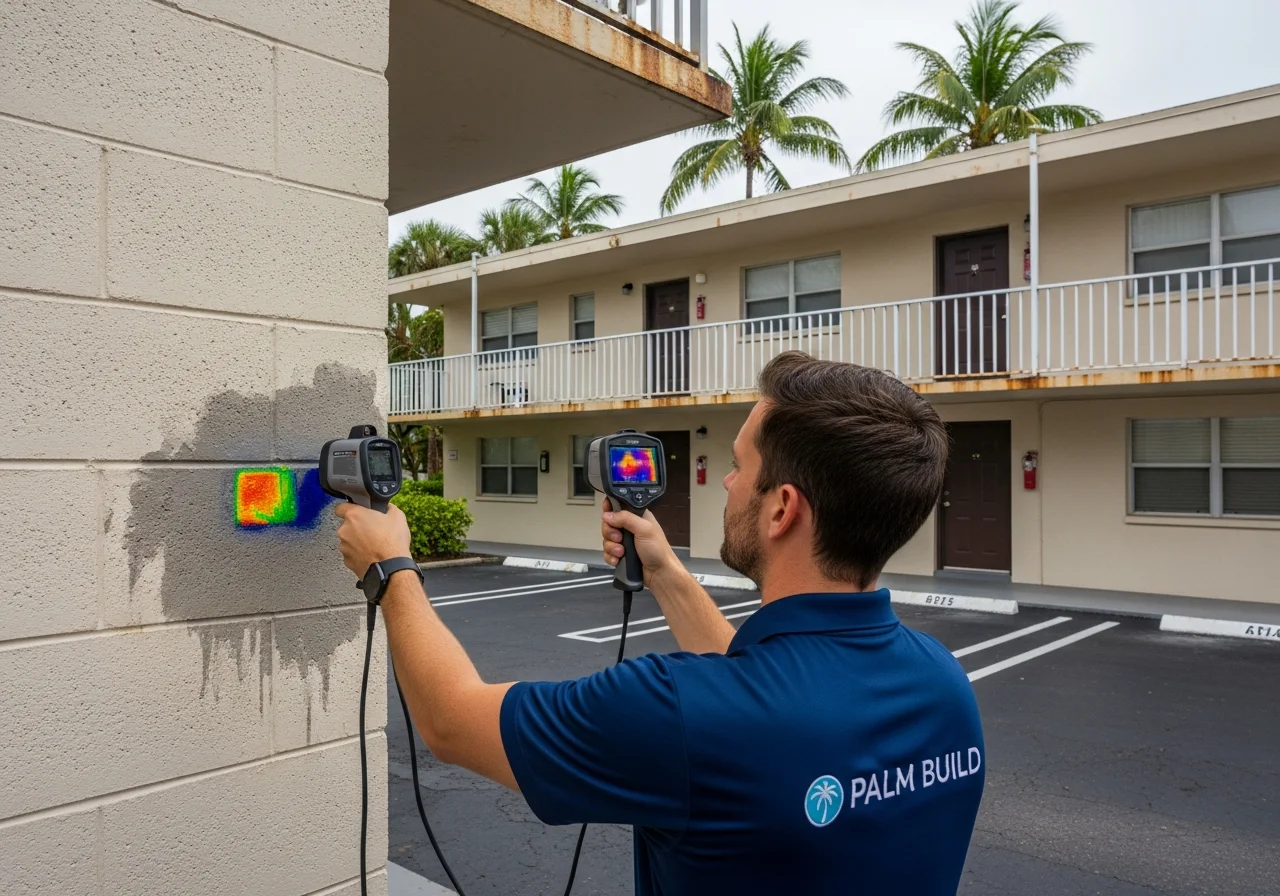
The process begins with a thorough assessment. Professionals use infrared thermography (thermal imaging) to detect temperature anomalies behind walls that suggest hidden moisture. Moisture meters are then used to confirm the moisture content of building materials. In Saint Augustine Beach homes, special attention is paid to the building’s "envelope"—the barriers between the humid exterior and the conditioned interior.
Step 2: Containment and Negative Pressure
Before any demolition begins, the affected area must be isolated. Remediators use 6-mil polyethylene sheeting to create physical barriers. To ensure that microscopic spores do not escape during the removal process, "negative air machines" are deployed. These machines exhaust filtered air outside the building, creating a vacuum effect that pulls air into the containment zone, rather than letting contaminated air out into the rest of the home.
Step 3: Air Filtration
High-Efficiency Particulate Air (HEPA) filtration is the backbone of remediation. While the work is underway, air scrubbers continuously cycle the air inside the containment zone. These filters are capable of capturing 99.97% of particles as small as 0.3 microns, which includes the vast majority of mold spores and fragmented fungal hyphae.
Step 4: Removal and HEPA Vacuuming
Porous materials, such as mold-infested drywall, insulation, and carpeting, are typically non-salvageable and must be removed. These materials are double-bagged before being transported through the home. Semi-porous materials, like wood framing, are cleaned using mechanical agitation (sanding or wire brushing) and HEPA vacuuming. Unlike standard household vacuums, HEPA vacuums do not exhaust spores back into the room.
Step 5: Antimicrobial Treatment and Encapsulation
Once the physical mold is removed, surfaces are treated with EPA-registered antimicrobials to kill any remaining microscopic spores. In some cases, a fungistatic coating (encapsulant) is applied to wood members to prevent future growth, though this is only effective if the underlying moisture problem has been resolved.
| Feature | Mold Assessment | Mold Remediation |
|---|---|---|
| Primary Goal | Identify source, type, and extent of mold. | Remove mold and restore air quality. |
| Tools Used | Infrared cameras, moisture meters, air pumps. | HEPA scrubbers, negative air, biocides. |
| Documentation | Remediation Protocol (The "Map"). | Post-Remediation Verification (The "Proof"). |
| License Required | Florida Licensed Mold Assessor (MRSA). | Florida Licensed Mold Remediator (MRSR). |
| Key Output | Lab results and moisture source ID. | Physical removal and structural drying. |
Health Considerations and Mycotoxins
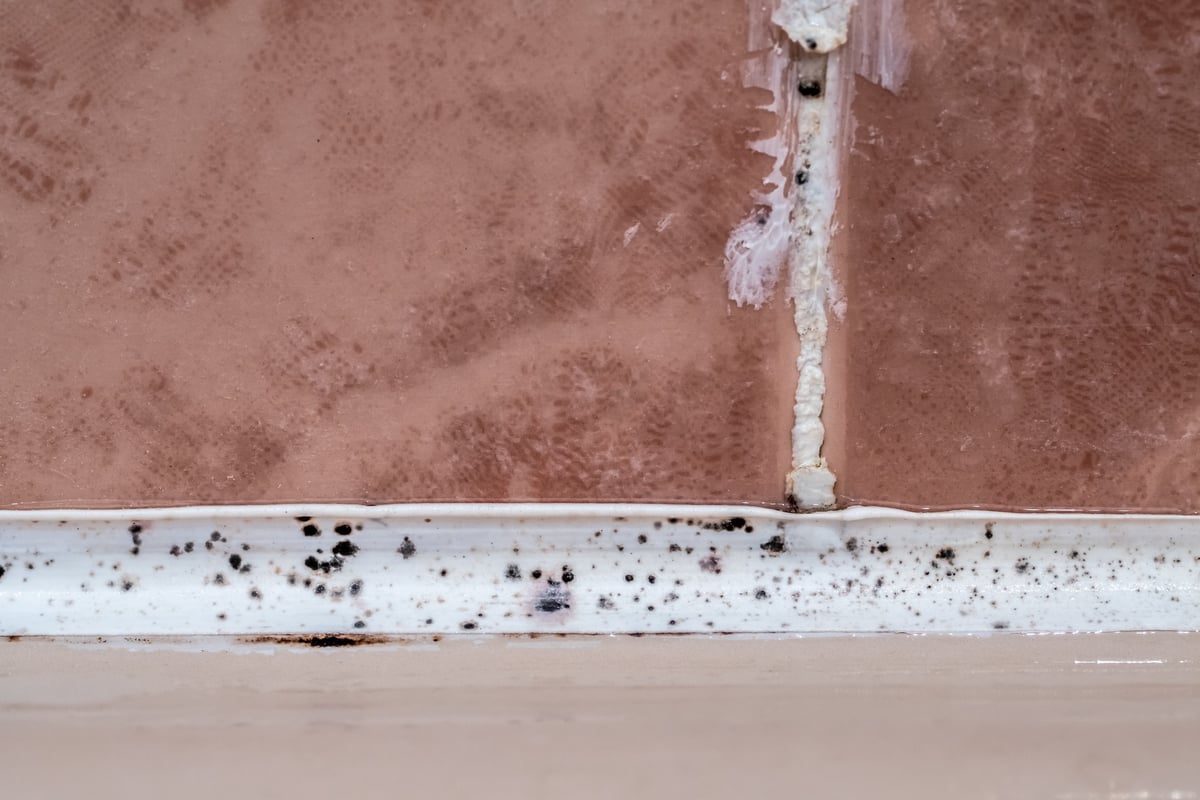
The urgency of remediation in Saint Augustine Beach is often driven by health concerns. Mold species commonly found in humid coastal environments, such as Aspergillus, Penicillium, and Stachybotrys chartarum (often called "black mold"), can produce mycotoxins. These are secondary metabolites that can cause respiratory irritation, allergic reactions, and in sensitive individuals, more severe neurological or systemic symptoms.
The Environmental Protection Agency (EPA) notes that while not everyone is sensitive to mold, those with asthma, cystic fibrosis, or compromised immune systems are at higher risk. In a beach community where many residents are retirees or seasonal vacationers, maintaining a "Condition 1" indoor environment is essential for the safety of vulnerable populations.
Addressing the Root Cause: Coastal Humidity Control
Remediation is a temporary fix if the underlying moisture issue is not addressed. In Saint Augustine Beach, this almost always involves the HVAC system. Modern remediation in 2026 emphasizes the "Science of Drying."
- Sizing the HVAC: An oversized air conditioner is a common culprit in Florida. It cools the air quickly but does not run long enough to remove humidity, leading to a "cold and clammy" environment where mold thrives.
- Whole-Home Dehumidification: Many professional remediators now recommend the installation of dedicated whole-home dehumidifiers that operate independently of the cooling system, ensuring indoor relative humidity stays below 50% regardless of the temperature outside.
- Pressure Balancing: If a home is under "negative pressure" (meaning air is being sucked out), it will pull hot, humid air through wall cavities and electrical outlets. Ensuring the home is slightly positively pressured with filtered, dry air is a key preventive measure.
Cost Factors in Saint Augustine Beach
The cost of mold remediation in the Saint Augustine area varies significantly based on several 2026 market factors:
- Accessibility: Homes built on pilings or with tight crawlspaces often require more labor-intensive containment and equipment setups.
- Material Scarcity: The cost of replacing specialty coastal building materials (such as moisture-resistant drywall or hurricane-rated components) can increase the total restoration budget.
- Scope of Contamination: Small areas (under 10 sq. ft.) can often be handled by property owners following EPA guidelines, but larger, systemic issues involving HVAC ductwork require specialized equipment that increases the price.
FAQ
Can I just use bleach to clean mold in my beach house?
No, bleach is generally ineffective for long-term mold remediation on porous surfaces like drywall or wood. While it may remove the surface stain, the water content in bleach can actually soak into the material and feed the internal mold roots (hyphae). Professional remediators use EPA-registered antimicrobials designed to penetrate the substrate and kill the organism without damaging the structure.
How do I know if I need a professional or if I can do it myself?
According to the EPA and Florida guidelines, if the mold covers an area larger than 10 square feet (roughly a 3-foot by 3-foot patch), professional remediation is recommended. If the mold is inside the HVAC system, you should always hire a professional, as DIY attempts can spread spores throughout the entire property via the ductwork.
Does homeowners insurance cover mold remediation in St. Augustine Beach?
Coverage depends on the "peril" that caused the mold. If the mold resulted from a sudden, accidental pipe burst, it is often covered. However, if the mold is a result of long-term humidity, lack of maintenance, or floodwaters (unless you have specific flood insurance), it is frequently excluded from standard policies. Always review your policy for "mold riders" or "fungi limitations."
How long does the remediation process typically take?
A standard remediation project in a Saint Augustine Beach residence typically takes between 3 and 7 days. This includes the setup of containment, the actual removal of materials, a minimum of 24 to 48 hours of air scrubbing, and the final clearance testing by a third-party assessor.
Is "black mold" more dangerous than other types found in Florida?
While Stachybotrys chartarum (black mold) is frequently highlighted in media, many other molds like Aspergillus can be equally problematic for indoor air quality. The color of the mold is not an accurate indicator of its toxicity. A professional lab analysis is the only way to determine the specific species and their potential health impacts.
Practical Recommendation for Property Owners
If you suspect mold growth in your Saint Augustine Beach property, your first action should be to contact a Florida Licensed Mold Assessor who does not perform remediation. This ensures an unbiased evaluation of the problem. Once you receive a written remediation protocol, provide that document to at least two Licensed Mold Remediators to obtain competitive bids. Ensure that the final step of any contract includes a "Post-Remediation Verification" (Clearance Test) performed by the original assessor to confirm the home is safe for re-occupancy.
Image Gallery