Why Adam Sandler Sweatpants and Sweatshirt Matter: The Evolution of Unapologetic Comfort
Adam Sandler’s signature look—a mismatched oversized sweatshirt paired with loose-fitting basketball shorts or sweatpants—has transcended simple fashion choice to become a cultural phenomenon. By consistently favoring extreme comfort o...
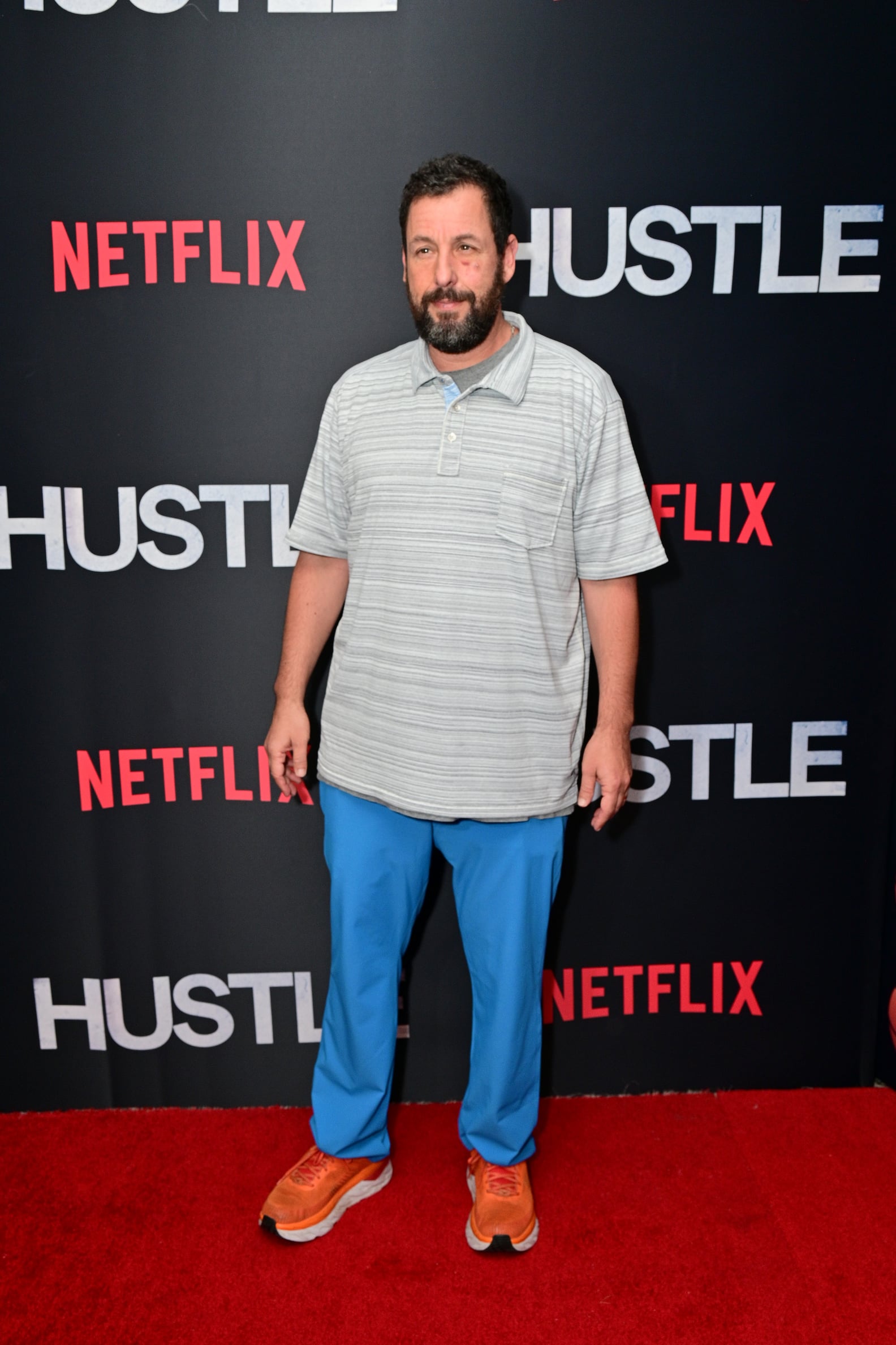
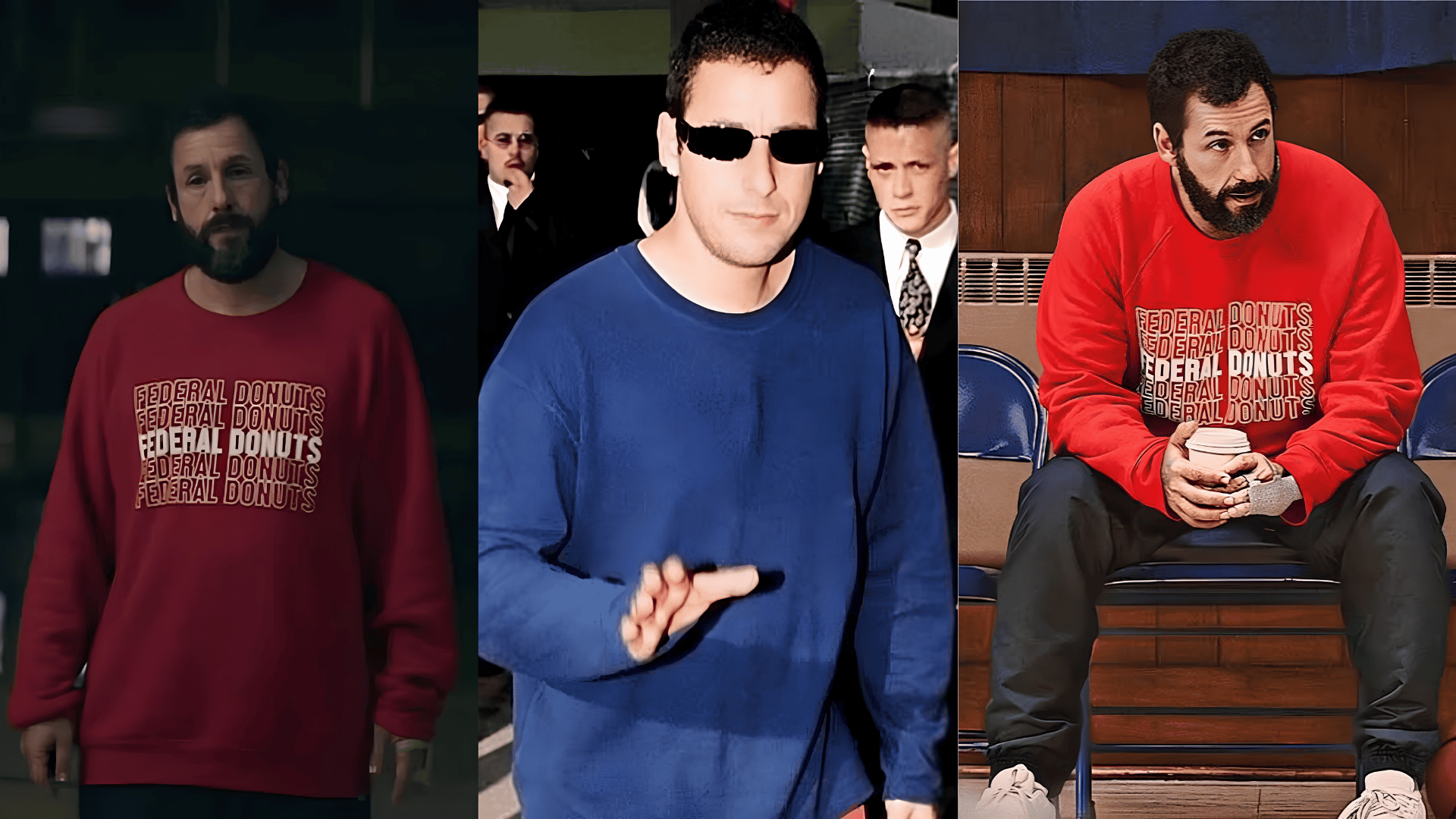
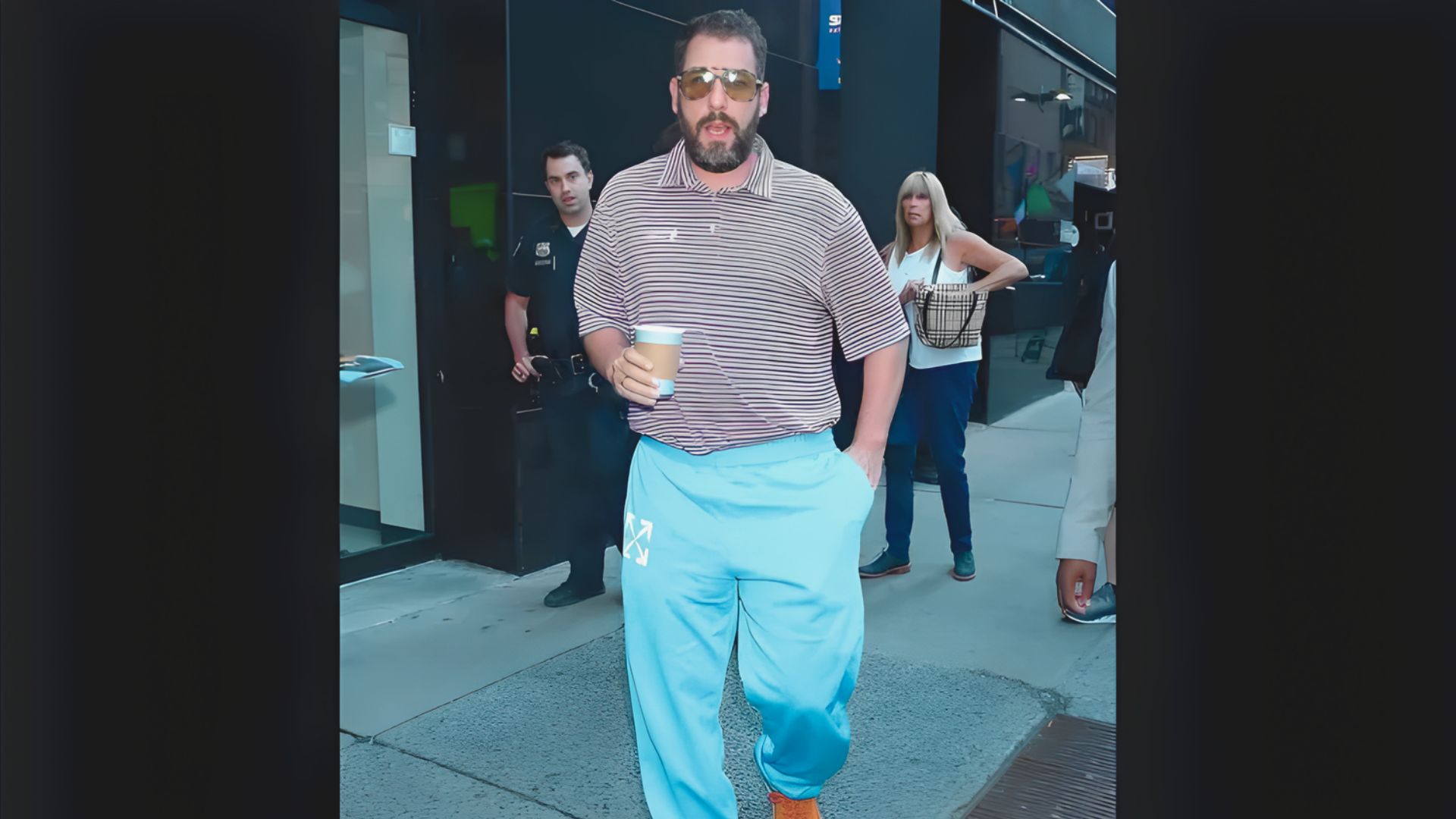
Adam Sandler’s signature look—a mismatched oversized sweatshirt paired with loose-fitting basketball shorts or sweatpants—has transcended simple fashion choice to become a cultural phenomenon. By consistently favoring extreme comfort over high-end tailoring, Sandler has challenged traditional Hollywood expectations of status, influencing modern style trends that prioritize function and personal ease over performative aesthetics.
Contents
The Anatomy of the Sandler Aesthetic
To understand why this specific style matters, one must look at the components of the ensemble. Sandler’s wardrobe is defined by high-volume cotton blends, relaxed silhouettes, and a complete disregard for traditional color coordination. It is an aesthetic of "anti-fashion," where the goal is the absolute mitigation of physical restriction.
In an industry where actors are frequently managed by high-priced stylists and pressured to curate a public image aligned with luxury brands, Sandler’s refusal to participate in this game is a bold statement. His look functions as a rejection of the "Hollywood uniform." When a major studio star appears on a red carpet or at a high-profile industry event in clothing that resembles gym wear, it disrupts the viewer's expectation of the "celebrity spectacle." This dissonance is exactly why the style remains relevant: it suggests that the man’s talent, rather than his tailor, is the primary source of his value.
Cultural Implications: The Rise of "Sandlercore"
By 2026, the movement colloquially known as "Sandlercore" has become a staple of casual streetwear. The style prioritizes the wearer’s internal experience of the garment over the external perception of others. This is a direct response to the hyper-curated nature of social media, where "fit checks" and expensive ensembles often serve as proxies for success.
The Sandler approach matters because it democratizes fashion. It suggests that if one of the most successful entertainers in the world can opt out of traditional dress codes, the average person is empowered to do the same. This has trickled down into the mass market, where luxury brands now frequently release "elevated" versions of sweatpants and oversized hoodies, acknowledging that the demand for maximum comfort is no longer limited to the living room.
Comparing Traditional Hollywood Style and the Sandler Model
The following table outlines the fundamental differences between the traditional industry expectation and the Sandler-inspired approach to public appearance.
| Feature | Traditional Hollywood Style | Adam Sandler Aesthetic |
|---|---|---|
| Primary Goal | Projected status and brand alignment | Personal comfort and utility |
| Silhouette | Tailored, structured, form-fitting | Oversized, unstructured, loose |
| Public Perception | Calculated, curated, aspirational | Authentic, relatable, indifferent |
| Maintenance | High-effort, professional styling | Low-effort, self-styled |
| Primary Fabric | Wool, silk, premium blends | Heavyweight cotton, fleece, polyester |
The Psychology of Unapologetic Comfort
Beyond the visual impact, there is a psychological layer to why these garments matter. Clothing is often a form of armor; it communicates identity and social standing. By intentionally choosing garments that signal a lack of effort, Sandler engages in a practice of "status leveling."
In environments where everyone else is performing a role through their clothing, the person in the sweatshirt and sweatpants occupies a unique position of leverage. They are effectively saying that their presence—and their work—speaks for itself. For the target audience, this provides a psychological permission slip to prioritize self-care and comfort over the performance of professional success. It is an act of liberation from the burden of constant self-presentation.
Practical Application: How to Incorporate the Look
Adopting this style is not merely about choosing the oldest clothes in one's closet; it is about intentionality. If you wish to incorporate the philosophy of Sandler’s attire into your daily life, consider the following steps:
- Prioritize Fabric Weight: The essence of the look is the drape of the fabric. Opt for heavyweight fleece or thick-gauge cotton that retains its shape even when oversized.
- Size Up Deliberately: The look relies on excessive volume. Do not fear clothing that feels slightly too large, as this is central to the relaxed silhouette.
- Maintain Consistency: The power of the look comes from its ubiquity. It is not an outfit for special occasions; it is an everyday uniform that resists the urge to dress for external approval.
- Focus on Neutrality: Stick to muted, unpretentious colors. The goal is to avoid being the center of attention through flashiness, allowing the personality to stand out instead of the brand logos.
Common Misconceptions About the Look
A frequent critique of the Sandler aesthetic is that it signifies a lack of professional discipline. However, this conflates "dress" with "capability." In the entertainment industry and beyond, the ability to produce high-value creative work is independent of one’s choice of attire. Critics often overlook that this aesthetic requires a high level of self-assurance—a quality often associated with the very professional confidence critics claim is missing.
Another misconception is that the style is expensive. While luxury brands have pivoted to emulate the look, the core of the Sandler aesthetic is rooted in accessibility. It does not require high-end label items to be authentic; it requires an indifference to the status signaling often associated with those labels.
Frequently Asked Questions
Why has the Adam Sandler sweatshirt look become so popular in the mid-2020s? The trend gained momentum due to a collective shift toward remote work and a desire for authenticity. After years of curated digital perfection, the public moved toward styles that emphasize comfort and a "real-life" aesthetic, which Sandler has long championed.
Is it acceptable to wear sweatpants in a professional setting? While workplace standards vary by industry, the "Sandler effect" has softened many formal dress codes. However, you should always assess your specific environment. If you work in a creative or tech-adjacent field, the threshold for casual attire is significantly lower than in traditional law or finance firms.
Does the style require specific brands to be authentic? No. Authentic Sandler-style dress is about the fit and the attitude, not the price tag. Any quality garment that provides a loose, comfortable silhouette serves the same purpose as the more expensive designer versions.
What is the "Sandlercore" movement? "Sandlercore" is a term used by fashion observers to describe the celebration of messy, oversized, and ultra-comfortable clothing in public spaces. It represents a transition away from the rigid aesthetic standards of the early 21st century.
How does one balance this style with the need to look presentable? Balance is achieved by ensuring the garments are clean and well-maintained. Even if the fit is loose and casual, maintaining the integrity of the fabric ensures that you look intentionally stylish rather than unintentionally disheveled.
Next Actions: Embracing the Philosophy
If you choose to adopt this style, your next action should be an audit of your wardrobe. Identify the items that provide the most physical comfort and evaluate whether they possess the structural integrity to be worn as a daily uniform. Moving forward, prioritize the purchase of high-quality, heavy-cotton basics that allow for movement. Ultimately, the goal is to stop viewing your clothing as a performance for others and start viewing it as a tool for your own comfort and sustained productivity throughout the day.
Image Gallery