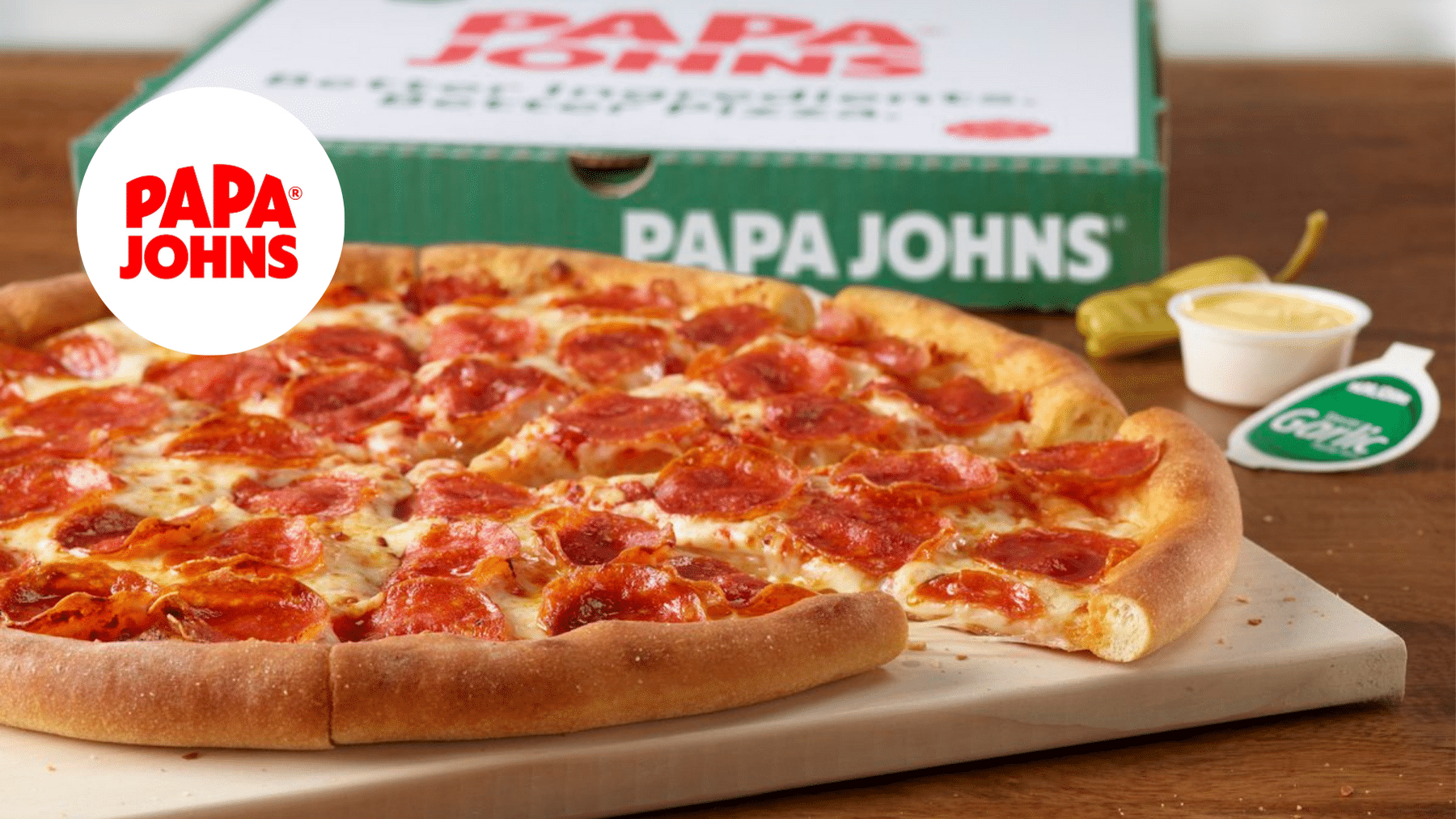
Why Did Papa John’s Get Cancelled? The Full Story of John Schnatter’s Exit
Papa John’s faced a public "cancellation" and a massive brand crisis starting in 2017, primarily due to controversial public statements and the use of a racial slur by its founder and former spokesperson, John Schnatter. These incident...
Papa John’s faced a public "cancellation" and a massive brand crisis starting in 2017, primarily due to controversial public statements and the use of a racial slur by its founder and former spokesperson, John Schnatter. These incidents led to Schnatter’s resignation, a total rebranding of the company, and years of legal and public relations efforts to distance the pizza chain from its founder's image.
Contents
The Genesis of the Crisis: The NFL National Anthem Controversy
The decline of John Schnatter’s public standing began in November 2017 during a quarterly earnings call. At the time, Papa John’s was the official pizza sponsor of the National Football League (NFL). The league was embroiled in a high-profile controversy regarding players kneeling during the national anthem to protest racial injustice and police brutality.
Schnatter attributed a slump in Papa John’s sales to the NFL's leadership, specifically then-Commissioner Roger Goodell. He argued that the league had failed to resolve the player protests, which he claimed was hurting the pizza chain’s brand equity. "The NFL has been polarized by the forces that be," Schnatter stated during the call. "Leadership has hurt Papa John’s shareholders."
The backlash was immediate. Critics argued that Schnatter was essentially blaming Black players for his company’s financial performance. Conversely, white supremacist groups reportedly began praising the brand, forcing Papa John’s to issue an apology and explicitly state they did not want those groups' business. The controversy led to the end of the partnership between Papa John's and the NFL in early 2018, with Pizza Hut quickly stepping in to take the sponsorship. This event marked the first major crack in the "Papa John" persona that had been the face of the company for decades.
The 2018 Conference Call and the Racial Slur
While the NFL controversy caused significant friction, the event that truly "cancelled" John Schnatter and forced his total removal from the company occurred in May 2018. During a diversity training conference call with a marketing agency called Laundry Service, Schnatter used a racial slur.
Ironically, the call was intended as an exercise to help Schnatter avoid future public relations gaffes following the NFL incident. According to reports first published by Forbes, Schnatter was asked how he would distance himself from racist groups online. In his response, Schnatter reportedly complained that "Colonel Sanders called Blacks n-----s," and lamented that Sanders never faced public backlash for it. He also reportedly made comments about his upbringing in Indiana, mentioning that people used to drag Black people behind trucks.
Although Schnatter later claimed he used the word to demonstrate his disdain for racism and to point out a double standard, the context did not matter to the public or the board of directors. The use of the slur was viewed as unacceptable for the leader of a global corporation. When the news of the call broke in July 2018, the fallout was swift and devastating for the brand’s reputation.
Corporate Fallout and the Resignation of "Papa John"
Within hours of the Forbes report, the backlash reached a fever pitch. On July 11, 2018, John Schnatter resigned as Chairman of the Board. He had already stepped down as CEO in December 2017, shortly after the NFL comments, but remained the public face and the largest shareholder of the company.
The corporate response was aggressive. The board of directors realized that the brand was inextricably linked to Schnatter’s face and personality—literally, his image was on the pizza boxes and in every television commercial. To save the company, they had to "de-Papa" the brand. This involved:
- Removal of Likeness: The company began the expensive process of scrubbing Schnatter’s image from all marketing materials, including pizza boxes, store signage, and digital advertisements.
- Eviction from Headquarters: The board voted to terminate a sub-lease for Schnatter’s office space at the corporate headquarters in Louisville, Kentucky.
- Governance Changes: The board adopted a "poison pill" shareholder rights plan to prevent Schnatter from staging a hostile takeover or increasing his stake in the company.
The Financial Impact of the Cancellation
The "cancellation" was not just a social media phenomenon; it had tangible financial consequences for the company. In the quarters following the 2018 incident, Papa John’s reported significant drops in same-store sales. Franchisees, many of whom were people of color or operated in diverse urban areas, felt the brunt of the brand’s damaged reputation.
| Metric | Pre-Controversy (2016-2017) | Post-Controversy (2018-2019) | Recovery Phase (2020-2026) |
|---|---|---|---|
| Brand Spokesperson | John Schnatter | None (Crisis Management) | Shaquille O'Neal & Diverse Influencers |
| Stock Performance | Stable/Growth | Significant Volatility/Decline | Stabilization under new leadership |
| Marketing Focus | "Papa" John’s personal touch | Ingredient quality & Pizza | Culture, Diversity, and Menu Innovation |
| NFL Partnership | Official Sponsor | Terminated | No direct league sponsorship |
| Primary Risk | Dependency on founder | Reputation damage/Lawsuits | Competitive market pressures |
The Shaquille O’Neal Pivot: A Strategy for Redemption
By 2019, Papa John’s was desperate for a new identity. The company hired Rob Lynch, the former president of Arby’s, as the new CEO. One of the most significant moves in the brand's history occurred when they brought on NBA legend Shaquille O’Neal as a brand ambassador and a member of the board of directors.
Shaq’s involvement was a masterclass in reputation management. As one of the most beloved figures in American culture, Shaq provided a complete contrast to the image of Schnatter. Shaq didn't just appear in commercials; he became a franchisee, owning several locations in the Atlanta area. This "Shaq-a-Roni" era signaled to the public that the company was under new management and was committed to a more inclusive culture.
The company also shifted its marketing slogan from focusing on "Papa" to focusing on the product. While they kept the name "Papa John's," they updated the logo (removing the apostrophe in some contexts and simplifying the design) to modernize the look and further distance the brand from a specific individual.
Legal Battles: Schnatter vs. Papa John’s
The cancellation was followed by years of litigation. John Schnatter did not go quietly. He filed multiple lawsuits against the company, alleging that the board of directors acted improperly and that his comments were taken out of context. He claimed that the marketing agency, Laundry Service, had attempted to extort him and that the board had "couped" him from his own company.
The legal battles were messy and public. Schnatter launched a website, "SavePapaJohns.com," to tell his side of the story and critique the new management's performance. He frequently appeared in media interviews, at one point famously claiming he had eaten "40 pizzas in 30 days" and that the quality had declined since his departure.
By 2026, most of these legal disputes have been settled or dismissed, but the friction remains a part of corporate history. Schnatter gradually sold off the majority of his shares in the company, moving from the controlling founder to a detached former investor.
Papa John’s in 2026: The Legacy of a Brand Reborn
Looking back from 2026, the "cancellation" of Papa John’s serves as a primary case study in corporate crisis management and the dangers of "key man risk." The company successfully decoupled its brand from a controversial founder, a feat that many industry analysts thought was impossible in 2018.
The brand today focuses heavily on menu innovation—such as the "Papadias" and various crust varieties—and relies on a decentralized marketing approach that highlights local store owners and diverse employees rather than a single figurehead. While the "Papa John" name persists, the identity of the man behind it has largely faded from the consumer consciousness, replaced by a modernized, corporate identity that prioritizes stability over personality.
Frequently Asked Questions
Why did John Schnatter leave Papa John’s?
John Schnatter stepped down as CEO in 2017 following criticism of his comments regarding the NFL national anthem protests. He later resigned as Chairman of the Board in 2018 after it was revealed he used a racial slur during a media training conference call.
Does John Schnatter still own Papa John’s?
No, John Schnatter no longer has a controlling interest in the company. Following his resignation, he began selling off his shares in the company. By 2026, he is no longer involved in the governance or operations of the business.
How did Shaquille O’Neal help the company?
Shaquille O’Neal joined the board of directors and became a brand ambassador in 2019. His presence helped rehabilitate the brand's image, moving it away from the controversy surrounding Schnatter and toward a more inclusive and fun brand identity.
Did Papa John’s change its name?
The company did not fully change its name, but it did undergo a significant rebranding. This included a new logo that removed the apostrophe in some branding assets and a total removal of the founder's image from all packaging and marketing.
What was the "40 pizzas in 30 days" comment?
In a 2019 interview with WDRB News, Schnatter claimed he had eaten more than 40 Papa John’s pizzas in 30 days and argued that the quality of the product had diminished since he was ousted. The comment became a viral meme and was seen by many as a sign of his continued friction with the new leadership.
Is Papa John’s still considered "cancelled"?
While the brand faced a significant boycott in 2018, it has largely recovered. Through new leadership, diversity initiatives, and successful marketing campaigns, the company has regained its position as one of the top pizza chains in the world, though the history of the controversy remains a well-known chapter of its story.
Final Recommendation
For those studying corporate governance or brand management, the Papa John’s case highlights the necessity of having a robust crisis response plan that is independent of the company's founder. If you are a consumer or investor looking at the brand in 2026, the primary takeaway is that the company has successfully transitioned from a founder-led personality brand to a standard corporate entity. Moving forward, the brand’s success depends on its ability to compete on product quality and digital innovation rather than the reputation of a single spokesperson.
Image Gallery