VCA Pet Hospital: Complete 2026 Guide to Veterinary Care, Services, and Costs
Navigating modern veterinary medicine requires understanding the balance between specialized clinical capabilities, advanced diagnostic technology, and transparent financial planning. VCA Animal Hospitals operates one of the largest ne...
Navigating modern veterinary medicine requires understanding the balance between specialized clinical capabilities, advanced diagnostic technology, and transparent financial planning. VCA Animal Hospitals operates one of the largest networks of veterinary hospitals across North America, offering everything from routine wellness checks to critical emergency care. Pet owners frequently seek clarity on service availability, operational standards, membership plans, and specialized treatments within this extensive network. This guide delivers a comprehensive technical overview of VCA Pet Hospitals for 2026, breaking down service tiers, financial structures, and clinical protocols.
Contents
Structure and Scope of the VCA Veterinary Network
The VCA network comprises over 1,000 community-based animal hospitals, specialized emergency facilities, and multi-disciplinary specialty centers. Understanding how these facilities are categorized helps pet owners route their animals to the appropriate level of care efficiently.
Facility Classifications
- Primary Care and Wellness Centers: Focused on preventative medicine, routine vaccinations, parasite prevention, microchipping, and management of mild acute illnesses or chronic stable conditions.
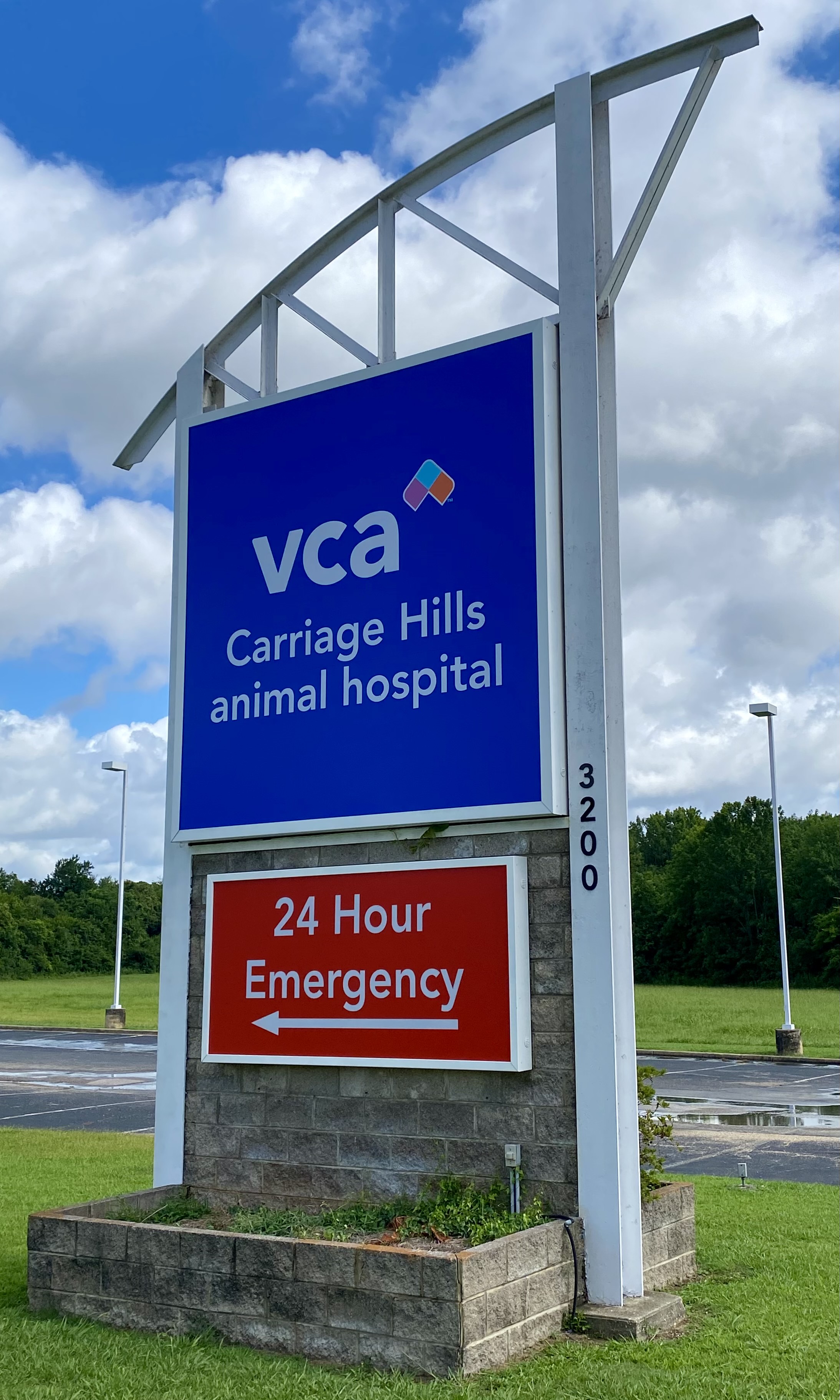
- Emergency and Critical Care (ECC) Facilities: Open 20 hours to 24/7/365, equipped for life-threatening trauma, acute toxicities, severe respiratory distress, and surgical emergencies.
- Specialty and Referral Centers: Staffed by board-certified specialists in fields such as internal medicine, oncology, cardiology, neurology, surgery, and dermatology, operating strictly on a referral basis from primary care veterinarians.
Standardized Clinical Protocols
VCA hospitals operate under standardized medical governance frameworks that mandate specific safety, hygiene, and diagnostic benchmarks across all locations. Facilities utilize integrated electronic medical records (EMR), allowing seamless transfer of diagnostic histories, lab panels, and imaging files if a patient transitions from a local primary care clinic to a regional specialty or emergency hospital.
Core Services Offered Across VCA Facilities
Comprehensive veterinary medicine requires a blend of diagnostic precision and preventative strategy. VCA clinics structure their clinical offerings around core health pillars designed to maximize feline and canine life expectancy.
Preventative Care and Wellness Examinations
Annual and bi-annual wellness examinations form the foundation of early disease detection. VCA protocols for preventative care encompass:
- Comprehensive physical assessments (cardiovascular auscultation, orthopedic evaluation, dental grading, and dermatological inspection).
- Tailored core and lifestyle-dependent vaccination schedules (Rabies, DHPP, Bordetella, FVRCP, FeLV).
- Parasite screening (fecal analysis for gastrointestinal endoparasites and 4Dx snap tests for vector-borne pathogens like heartworm, Lyme disease, Ehrlichia, and Anaplasma).
- Nutritional and weight management counseling tailored to life stage and breed predispositions.
Advanced Diagnostics and Imaging
When clinical symptoms require internal visualization or laboratory verification, VCA facilities deploy advanced diagnostic machinery. Modern clinics frequently feature in-house blood gas analyzers, complete blood count (CBC) and chemistry platforms, digital radiography (X-ray), and ultrasonography. Larger specialty hospitals extend these capabilities to include:
- Magnetic Resonance Imaging (MRI) for neurological and spinal evaluations.
- Computed Tomography (CT) scans for complex oncological staging, orthopedic planning, and thoracic evaluations.
- Echocardiography for real-time hemodynamic and structural cardiac assessments.
Financial Management, Pet Insurance, and Care Plans
Veterinary costs can vary significantly based on geographic location, the complexity of care, and whether treatment occurs in a primary care setting or an emergency referral center. Navigating these financial realities requires familiarity with accepted payment frameworks and wellness packages.
VCA CareClub and Wellness Packages
To help owners budget for predictable preventative care, VCA offers subscription-based wellness plans known as CareClub. These programs bundle routine services into monthly payments.
| Plan Tier | Typical Included Services | Best Suited For |
|---|---|---|
| Puppy/Kitten Plan | Unlimited physical exams, series of core vaccines, deworming, fecal exams, microchip insertion. | Growing pets requiring foundational immunity and frequent monitoring. |
| Adult Canine/Feline Plan | Annual exams, core boosters, diagnostic blood screening panels, parasite testing, unlimited nail trims. | Healthy adult pets requiring routine maintenance and early disease screening. |
| Senior Plan | Bi-annual exams, comprehensive geriatric blood panels, urinalysis, blood pressure monitoring, advanced screening diagnostics. | Aging pets (typically 7+ years) requiring vigilant monitoring of organ function. |
Insurance, Third-Party Financing, and Payment Policies
VCA hospitals do not act as direct insurance providers, but they accept all major third-party pet health insurance policies (such as Trupanion, Healthy Paws, Nationwide, and Lemonade). Owners pay the veterinary bill at the time of service and submit claims to their respective insurance providers for reimbursement according to their policy terms.
For unexpected emergency or specialty bills, VCA facilities widely accept third-party healthcare financing providers like CareCredit and Scratchpay. These platforms offer promotional interest-free or low-interest financing windows, subject to credit approval, helping owners manage high-acuity veterinary expenses without delaying urgent care.
Comparing VCA Facilities to Independent Practices
Choosing between a corporate-backed hospital network like VCA and an independent private practice involves evaluating operational consistency, access to specialists, and community integration.
| Operational Attribute | VCA Animal Hospitals | Independent Private Practices |
|---|---|---|
| Specialist Access | Streamlined internal referral pathways to board-certified specialists within the network. | Relies on external referral networks; may require travel to distant university teaching hospitals. |
| Technology and Equipment | High capital investment yields standardized, modern diagnostic and surgical technology. | Technology varies widely based on individual practice ownership and investment capacity. |
| Hours and Availability | Many locations offer extended hours, weekend availability, or attached 24/7 emergency care. | Often restricted to standard business hours; typically utilizes third-party local emergency rotation groups. |
| Standardization | High clinical governance uniformity across locations, ensuring predictable protocols. | Highly individualized practice styles driven entirely by the attending solo practitioner. |
Step-by-Step Guide to Booking and Visiting a VCA Hospital
Maximizing the efficiency of a veterinary visit ensures accurate diagnoses and reduces stress for both the animal and the owner. Follow this operational workflow when engaging with a VCA facility:
- Identify the Appropriate Care Tier: Determine whether your pet requires a routine preventative exam, an urgent acute visit, or a specialized referral. Contact the specific local facility to confirm their current intake capacity for walk-in emergencies.
- Compile Medical History: Gather all prior medical records, vaccination certificates, previous blood work, and a precise list of current medications or dietary supplements. If transferring from another clinic, request that digital records be emailed ahead of time.
- Prepare the Animal for Transport: Utilize secure, species-appropriate carriers for cats and small mammals, or properly fitted harnesses and leashes for dogs. For anxious animals, consult the clinic in advance regarding pre-visit anxiolytics (such as gabapentin or trazodone).
- Complete Intake Documentation: Fill out digital or physical intake paperwork detailing behavioral history, known allergies, and specific clinical concerns.
- Consultation and Diagnostic Plan: Discuss symptoms thoroughly with the attending veterinarian. Review the proposed diagnostic estimate and authorize the clinical plan before testing or treatment begins.
- Discharge and Follow-Up: Review discharge instructions carefully, noting medication administration schedules, activity restriction guidelines, and warning signs that require emergency readmission.
Expert Insights and Practical Recommendations
Veterinary professionals emphasize that proactive preventative care remains the single most effective way to reduce lifetime veterinary expenditures and extend pet longevity.
- Establish a Baseline: Schedule baseline blood work for adult pets well before senior status is reached. Having historical reference ranges allows clinicians to spot microscopic deviations in organ function before clinical disease manifests.
- Dental Hygiene Integration: Periodontal disease is a primary driver of systemic inflammation affecting the kidneys, liver, and heart. Pair daily home dental care (such as Veterinary Oral Health Council-accepted chews or brushing) with routine professional ultrasonic scaling under anesthesia as recommended by your VCA veterinarian.
- Emergency Preparedness: Keep the direct phone number, physical address, and driving directions to the nearest 24/7 VCA Emergency and Specialty hospital programmed into your mobile phone before an urgent situation arises.
Frequently Asked Questions
Do VCA Animal Hospitals accept walk-in emergency cases?
Some VCA locations operate 24/7 emergency rooms that accept walk-ins, while community primary care clinics generally require scheduled appointments. Always call ahead to confirm whether a specific facility has an active emergency triage team on duty.
Can I use my pet insurance at VCA hospitals?
Yes, VCA hospitals accept all standard pet insurance providers. Clients pay for services rendered at the time of discharge and submit itemized invoices and medical records directly to their insurance company for reimbursement.
What is the VCA CareClub program?
CareClub is a preventative wellness subscription plan that bundles routine veterinary care—such as exams, vaccinations, and diagnostic screenings—into predictable monthly payments. It is distinct from insurance, as it does not cover unexpected illnesses, injuries, or surgeries.
How do I transfer my pet's medical records to a VCA hospital?
You can request that your previous veterinary clinic securely email or fax your pet's complete medical history, vaccination records, and recent lab work directly to your local VCA hospital prior to your scheduled appointment.
Are VCA hospitals independently owned?
VCA Animal Hospitals is a corporate network of veterinary hospitals owned by Mars, Incorporated, operating under unified clinical and operational standards while maintaining local clinic branding and experienced veterinary teams.
Conclusion
Engaging with VCA Animal Hospitals provides pet owners access to a robust, standardized healthcare network equipped for everything from routine wellness to advanced specialty intervention. By understanding service tiers, financial tools like CareClub and insurance reimbursement, and proper visit preparation, pet owners can secure optimal medical outcomes for their animals. To begin, locate your nearest VCA facility online and schedule an initial consultation to establish a comprehensive lifelong wellness profile.
Image Gallery