Evaluating the Contributions of Elon Musk to Humanity
Elon Musk has significantly influenced the trajectory of modern technology through his leadership at SpaceX, Tesla, Neuralink, and OpenAI. His efforts center on accelerating the transition to sustainable energy, establishing multi-plan...
Elon Musk has significantly influenced the trajectory of modern technology through his leadership at SpaceX, Tesla, Neuralink, and OpenAI. His efforts center on accelerating the transition to sustainable energy, establishing multi-planetary existence, advancing human-computer interfaces, and developing artificial general intelligence, reshaping industrial standards across automotive, aerospace, and computing sectors by 2026.
Contents
The Shift Toward Sustainable Energy and Transportation
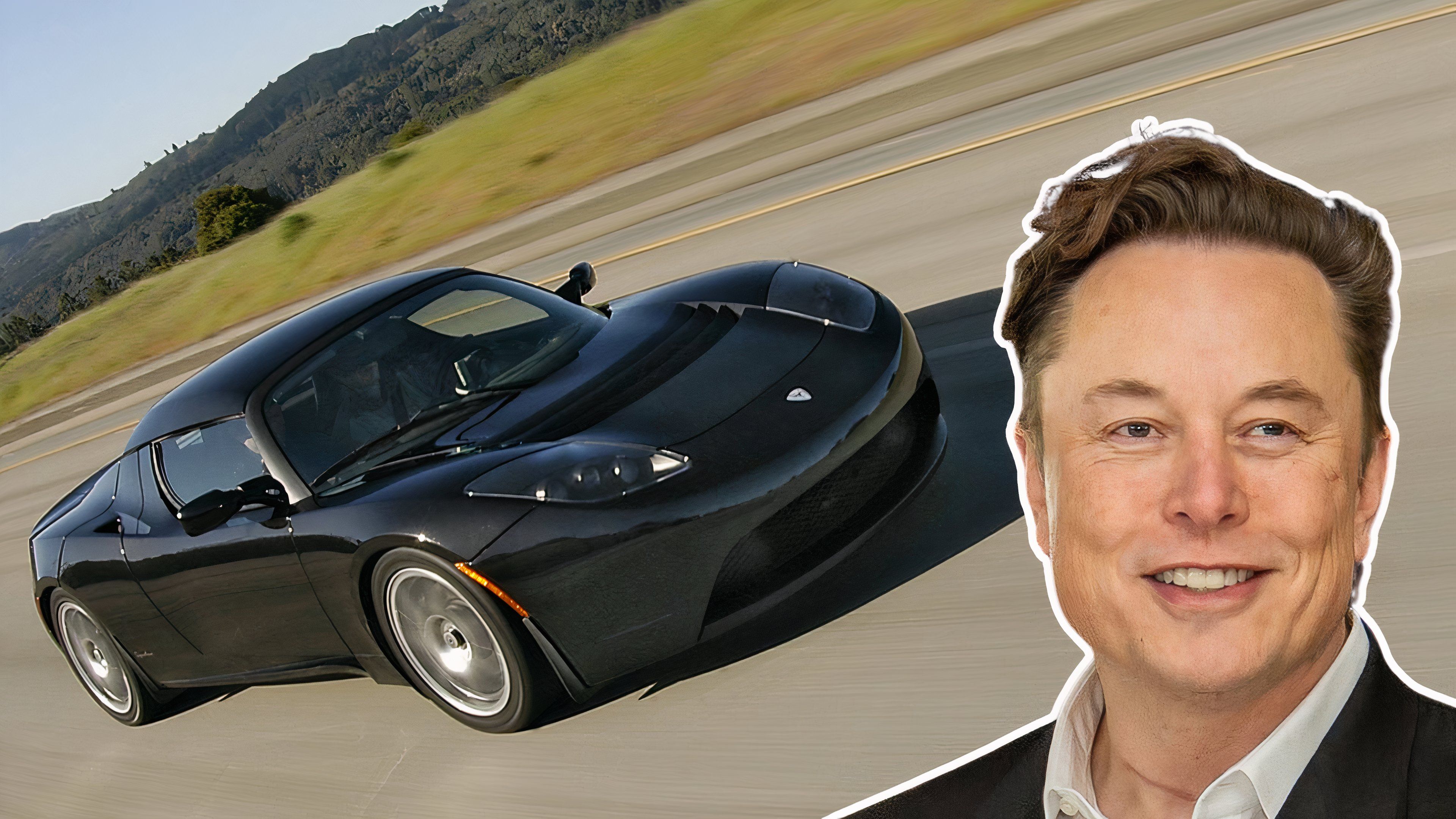
Elon Musk’s most visible contribution to environmental sustainability is the mainstreaming of electric vehicles (EVs). When Tesla, Inc. began its mission, the automotive industry was largely skeptical of the viability of battery-electric vehicles (BEVs) for mass-market consumption. By engineering performance-oriented EVs—beginning with the Roadster and scaling to the mass-market Model 3 and Model Y—Tesla forced a global shift in automotive strategy.
The impact extends beyond the vehicles themselves. Musk’s focus on the "Tesla Ecosystem"—which includes the Powerwall, Powerpack, and Megapack—has fundamentally changed how utility-scale energy storage is managed. By providing solutions that allow residential and commercial users to store renewable energy harvested from solar panels, Tesla has addressed the intermittency issues historically associated with solar and wind power. This vertical integration, from energy generation through SolarCity to energy consumption in the vehicle, provided a blueprint for other manufacturers to follow, effectively accelerating the global adoption of decarbonization technologies.
Revolutionizing Aerospace and Launch Economics
Prior to the rise of SpaceX, the aerospace industry was characterized by prohibitively high launch costs and a lack of innovation in reusable launch systems. Musk’s central contribution here is the engineering of the Falcon 9, the world’s first orbital-class rocket capable of vertical takeoff and landing.
By successfully landing and reusing the first stage of the rocket, SpaceX drastically lowered the cost per kilogram to reach Earth’s orbit. This achievement democratized access to space for academic institutions, smaller satellite companies, and national governments that were previously priced out of the market. Furthermore, the Starlink project has leveraged this launch capacity to create a low-Earth orbit (LEO) satellite constellation. As of 2026, Starlink provides high-speed, low-latency broadband internet to rural and underserved regions globally, bridging the digital divide in areas where traditional fiber or cellular infrastructure remains economically unfeasible.
Advancing Human-Computer Integration
Through Neuralink, Musk has pursued the development of implantable brain-computer interfaces (BCIs). While BCIs have been a subject of academic research for decades, Neuralink aims to standardize and commercialize the technology for both medical and eventual elective use.
The primary humanitarian goal in the near term is the restoration of autonomy to individuals with paralysis or neurological conditions. By enabling direct communication between the brain and external devices, Neuralink’s technology has the potential to allow users to control computers, mobile devices, and prosthetics through thought. The technical development—involving ultra-fine, flexible electrodes and a surgical robot capable of precise implantation—represents a significant leap in how medical engineering approaches neurotechnology.
Table 1: Primary Sectors and Humanitarian Impacts
| Entity | Primary Focus | Humanitarian Contribution |
|---|---|---|
| Tesla | Sustainable Energy | Accelerated mass adoption of EVs and grid storage. |
| SpaceX | Aerospace | Lowered launch costs and expanded global connectivity. |
| Neuralink | Neurotechnology | Potential to treat paralysis and neurological deficits. |
| OpenAI | Artificial Intelligence | Influenced the trajectory of Large Language Model development. |
| xAI | Scientific Inquiry | Advancing AI models for scientific discovery and logic. |
The Role of Artificial Intelligence
Musk’s early involvement in OpenAI and his subsequent founding of xAI underscore a commitment to developing Artificial General Intelligence (AGI). His perspective on AI is characterized by a "safety-first" approach, emphasizing the importance of alignment—ensuring that AI systems remain beneficial to humanity rather than operating in ways that contradict human interests.
By pushing the boundaries of transformer models and large-scale compute clusters, these organizations have influenced how the world approaches algorithmic transparency and security. The technical contributions involve refining data processing efficiencies and developing architectures that allow AI to perform complex reasoning tasks, which serve as foundational blocks for future automation in scientific research, healthcare, and administrative infrastructure.
Challenges and Criticisms
The contributions of Elon Musk are not without complexity. Critics often point to the environmental impact of increased launch cadences on the upper atmosphere and the long-term ethical implications of BCI technology. Furthermore, the rapid deployment of Starlink satellites has raised concerns among astronomers regarding light pollution and the potential for orbital debris, commonly referred to as the Kessler Syndrome risk.
From a socioeconomic perspective, the concentration of critical infrastructure—such as satellite communications and sustainable energy storage—under the management of a single individual’s companies prompts ongoing discussions regarding corporate governance and the necessity of independent oversight. These issues remain central to the discourse surrounding his companies as they continue to scale operations throughout 2026.
Frequently Asked Questions
How does SpaceX lower the cost of space travel? SpaceX achieves cost reduction primarily through the reusability of its launch vehicles. By recovering and refurbishing the first-stage boosters, the company minimizes the cost of manufacturing new hardware for every mission, which was the standard industry practice prior to the Falcon 9.
What is the current status of Neuralink’s clinical applications? As of 2026, Neuralink continues to undergo rigorous clinical trials focused on human safety and functionality. The primary objective remains assisting individuals with severe motor impairments, and progress is measured against regulatory milestones set by health authorities.
Is Tesla’s impact limited to electric vehicles? No, Tesla’s impact includes significant advancements in battery chemistry, energy management software, and large-scale manufacturing techniques like "giga-casting," which have influenced industrial manufacturing standards globally beyond the automotive sector.
Why does Musk emphasize AI safety? Musk frequently cites the risks inherent in developing intelligence that surpasses human capability. His focus on "alignment" aims to ensure that as AI systems grow more autonomous, their objectives remain tethered to human ethics and safety protocols.
Next Actions for Further Research
To fully understand the scope of these developments, interested parties should review the official filings of the relevant companies, which provide technical specifications and mission objectives. For those interested in the environmental impact of EV technology, independent life-cycle assessment reports are the most reliable source of data. For space exploration, the NASA Commercial Crew Program documentation offers insight into the public-private partnership model that enabled these technological leaps.
Image Gallery