Understanding the Financial Distinction Between Net Total Amount and Net Worth
The "net total amount" refers to a specific, transactional sum—typically the remaining balance after subtractions like taxes or fees from a single revenue stream—whereas "net worth" is a comprehensive, holistic measurement of an indivi...
The "net total amount" refers to a specific, transactional sum—typically the remaining balance after subtractions like taxes or fees from a single revenue stream—whereas "net worth" is a comprehensive, holistic measurement of an individual or entity’s total financial health, calculated as the sum of all assets minus the sum of all liabilities.
Contents
Defining Net Total Amount: The Transactional View
In financial accounting and daily commerce, the "net total amount" is almost always situational. It serves as a specific metric for a particular period, project, or invoice. When a business issues an invoice, the net total amount is the figure remaining after specific line-item deductions, such as early payment discounts, volume rebates, or applicable state and local taxes, have been applied to the gross amount.
This figure is essential for cash flow management. It provides a precise "what is in my pocket" number for a singular event. For example, if a freelance designer invoices a client for $5,000 but must deduct a 5% platform fee and a 10% withholding tax, the net total amount received by the designer is the final, realized sum of that specific transaction. It does not account for the designer’s overhead, long-term debts, or personal investments. It is a snapshot of immediate liquidity resulting from a single activity.
Defining Net Worth: The Holistic Metric
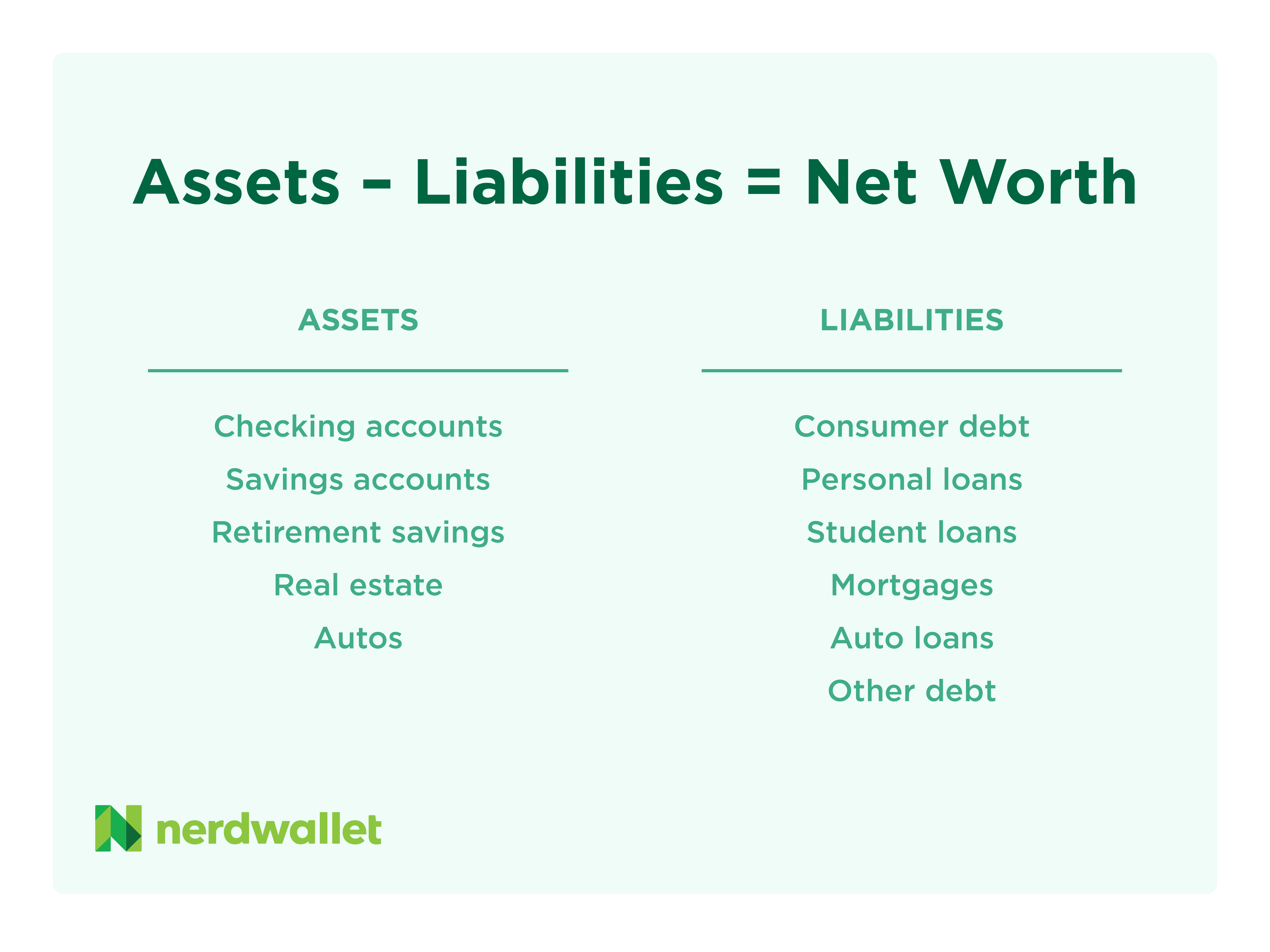
Net worth, conversely, is a status-based measurement. It does not exist as a single transaction but as a balance sheet calculation. To determine net worth, you must compile an inventory of everything you own that holds value—real estate, cash savings, investment portfolios, business equity, and personal property—and subtract every obligation you owe, including mortgage balances, credit card debt, student loans, and business liabilities.
Net worth provides a longitudinal view of financial stability. It is the metric used by banks to approve loans, by investors to judge corporate solvency, and by individuals to plan for long-term retirement. Unlike a net total amount, which fluctuates based on active work or sales, net worth grows through the accumulation of assets and the systematic reduction of liabilities over years or decades.
Comparative Framework: Transaction vs. Position
To better understand how these two figures serve different purposes in financial decision-making, it is helpful to contrast their structural roles.
| Feature | Net Total Amount | Net Worth |
|---|---|---|
| Time Horizon | Transactional (Short-term) | Cumulative (Long-term) |
| Calculation | Revenue minus specific costs | Total Assets minus Total Liabilities |
| Frequency | As needed (per invoice/paycheck) | Periodic (Annually or Quarterly) |
| Primary Goal | Liquidity and cash flow accuracy | Solvency and wealth growth |
| Scope | Single event or specific account | Entire financial profile |
When to Prioritize Net Total Amount
The primary utility of the net total amount lies in budgeting and operational accounting. If you are a business owner, your focus must be on the net total of your monthly operations to ensure you can cover payroll and rent. When you analyze your P&L (Profit and Loss) statement, you are evaluating the net total of your revenue minus your cost of goods sold (COGS) and operating expenses.
If you ignore the net total amount, you risk suffering from "cash flow insolvency," even if your net worth is high. A person or company can have millions of dollars in fixed assets (high net worth) but be unable to pay a $5,000 tax bill because they lack the necessary net total amount in cash on hand. Therefore, net total is your operational survival tool, while net worth is your strategic endgame.
When to Prioritize Net Worth
Net worth is the ultimate scorecard for wealth building. Relying solely on net total amounts can lead to a "lifestyle creep" fallacy, where an individual earns a high income (a high net total per paycheck) but spends it entirely on depreciating assets or high-interest consumer debt.
An individual might see a high net total amount on their monthly pay stub, but if their credit card debt is growing at a rate faster than their savings, their net worth is actually decreasing. Professional financial advisors emphasize that you cannot determine your progress toward financial independence by looking at a net total amount alone. You must consistently audit your net worth to see if your efforts are resulting in a positive delta in your asset-to-liability ratio.
Strategic Integration: How They Work Together
In a robust financial strategy, these two metrics are codependent.
- The Foundation: Your net total amount from your primary income stream provides the capital necessary to acquire assets.
- The Vehicle: You deploy that net capital into investments (stocks, real estate, business ventures).
- The Result: The accumulation of these assets increases your total asset column, which, in turn, increases your net worth.
The mistake most people make is confusing the "inflow" (net total amount) for the "wealth" (net worth). If you optimize for a higher net total amount but do not convert that surplus into assets, you are simply increasing your tax liability and personal consumption, rather than building a sustainable financial future.
Practical Steps for Assessment
To gain a clear picture of your financial situation in 2026, you should perform these two assessments separately:
- For Net Total Amount: Review your most recent three months of cash flow. Use a ledger to subtract all variable costs from your gross income. This will show you exactly what your net surplus is on a recurring basis. If this number is zero or negative, you have an operational issue that no amount of long-term planning can fix.
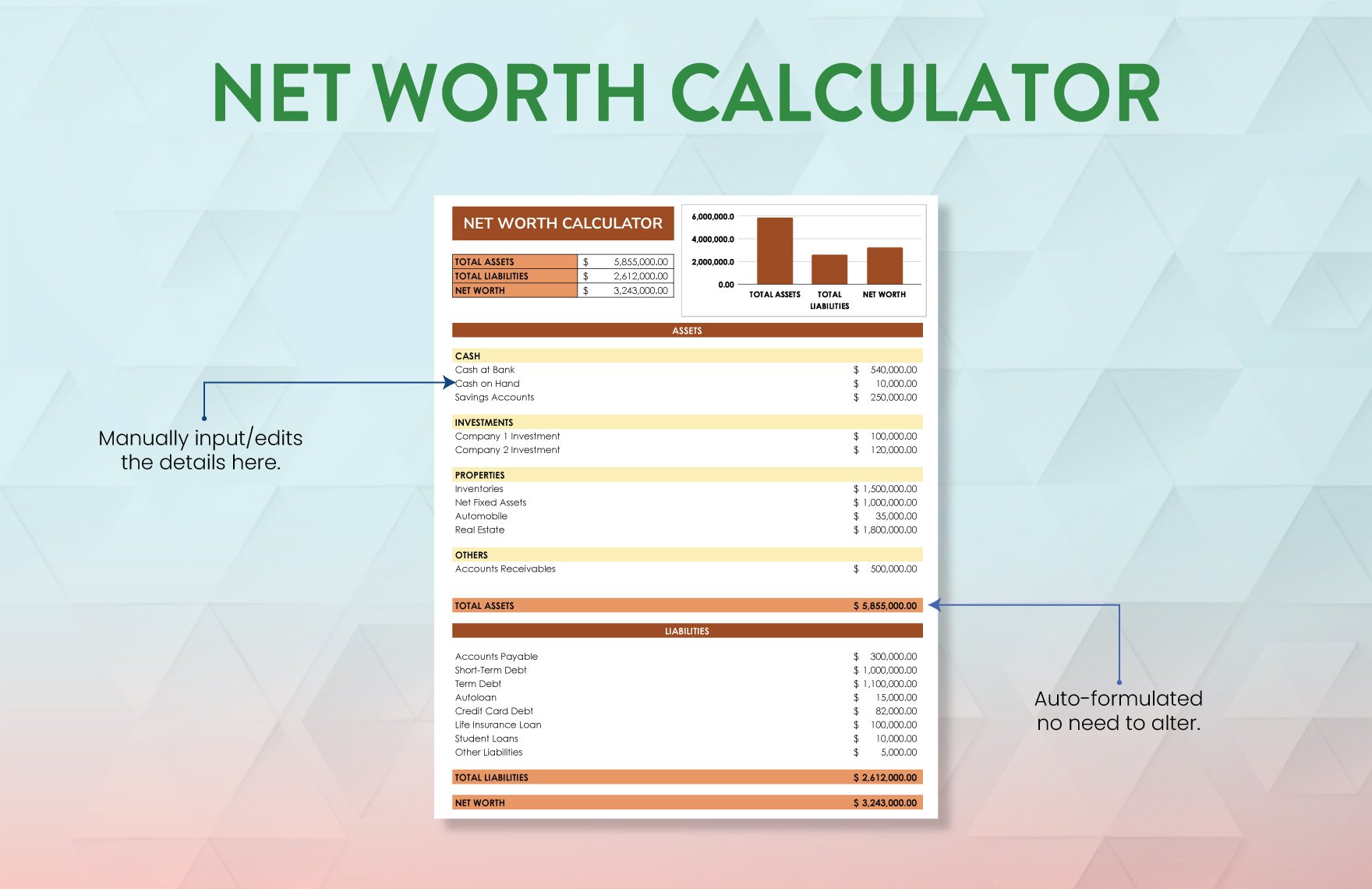
- For Net Worth: Prepare a simple balance sheet. On the left, list everything you own and its current market value. On the right, list all debts you currently owe. Subtract the right column from the left. This is your baseline. Repeat this exercise annually to track if your wealth is trending upward, regardless of individual monthly income fluctuations.
Frequently Asked Questions
Does a high net total amount always indicate a high net worth? No. High income does not equate to high wealth. A person can have a high net total amount coming in each month but spend all of it on depreciating assets or interest payments, resulting in low or negative net worth.
Should I include my primary residence in my net worth calculation? Yes. In standard financial accounting, your home is an asset. However, for a more conservative assessment of liquidity, many financial advisors suggest calculating two versions of net worth: one that includes the equity in your home and one that excludes it, to show how much "liquid" wealth you truly control.
Why is net total amount often used for tax purposes instead of net worth? Governments and tax authorities generally tax specific transactions or annual income flows (net totals). Taxing net worth is rare and complex, involving the valuation of non-liquid assets, which is why your income tax is based on realized gains and net totals rather than your total accumulated value.
Can my net worth be negative? Yes. If your total liabilities (debts) exceed the total market value of all your assets, you have a negative net worth. This is often the case for individuals early in their careers who carry significant student loan debt or high-interest consumer credit balances.
Which metric is more important for retirement planning? Net worth is the superior metric for retirement planning. Retirement is not about the "net total amount" you receive in a single month; it is about having a large enough pool of assets (net worth) to generate enough income to sustain your lifestyle after you stop working.
Next Steps
If you find that your net total amount is consistently healthy but your net worth remains stagnant, your immediate next action should be to audit your spending and redirect your surplus into long-term investments rather than consumer consumption. If your net total amount is insufficient, prioritize identifying high-interest debt or unprofitable operational costs that are dragging down your cash flow. By treating the net total as your "engine" and net worth as your "destination," you create a balanced approach to financial management.
Image Gallery