How to Find Dry Itchy Eyes Relief: Effective Strategies for Lasting Comfort
Finding dry itchy eyes relief starts with identifying the root cause—such as environmental irritants, meibomian gland dysfunction, or screen fatigue—and combining preservative-free artificial tears, warm compresses, and proper eyelid h...
Finding dry itchy eyes relief starts with identifying the root cause—such as environmental irritants, meibomian gland dysfunction, or screen fatigue—and combining preservative-free artificial tears, warm compresses, and proper eyelid hygiene. When symptoms persist, professional clinical evaluations ensure safe, targeted long-term management.
Contents
Dry, itchy eyes can transform a productive workday into an exercise in frustration. The persistent sensation of grit, sand, or burning often leaves individuals rubbing their eyes, which ironically worsens inflammation and triggers further discomfort. Because ocular surface disease encompasses multiple overlapping conditions—ranging from simple environmental fatigue to chronic meibomian gland dysfunction (MGD) and allergic conjunctivitis—achieving lasting relief requires a structured, multi-layered approach. Understanding the underlying mechanisms of tear film instability allows you to select the appropriate over-the-counter remedies, implement lifestyle adjustments, and recognize when it is time to consult an eye care professional.
Understanding the Causes of Dry and Itchy Eyes
To treat ocular irritation effectively, you must first understand why the ocular surface is reacting. The human eye relies on a delicate balance known as the tear film, which consists of three distinct layers: an outer lipid (oily) layer produced by the meibomian glands, a middle aqueous (watery) layer produced by the lacrimal glands, and an inner mucin layer that helps spread the moisture evenly across the cornea. When any of these components fail, the tear film breaks down prematurely, leaving areas of the cornea exposed to air and friction.
Environmental factors frequently disrupt this balance. Low-humidity environments, prolonged HVAC usage, high winds, and continuous exposure to digital screens drastically reduce blink rates, suppressing the natural replenishment of the tear film. Simultaneously, environmental allergens—such as pollen, dust mites, and pet dander—interact with mast cells on the ocular surface, releasing histamines that cause intense itching, redness, and swelling. Distinguishing between primary aqueous deficiency, evaporative dry eye due to meibomian gland blockage, and allergic reactions is the foundational step toward selecting the correct remediation strategy.
Immediate Over-the-Counter Solutions for Rapid Relief
When irritation strikes, over-the-counter (OTC) products provide the fastest route to comfort. However, navigating pharmacy aisles requires careful attention to product formulations to avoid counterproductive ingredients.
Choosing the Right Eye Drops
Not all eye drops serve the same purpose. Selecting an inappropriate formulation can aggravate symptoms or mask a more serious underlying condition.
- Preservative-Free Artificial Tears: For general dryness and mild irritation, artificial tears mimic natural lubrication. Always opt for preservative-free formulas dispensed in single-use vials if you apply drops more than four times a day, as chemical preservatives like benzalkonium chloride (BAK) can irritate the corneal epithelium over time.
- Antihistamine and Mast Cell Stabilizer Drops: If itching is your predominant symptom, OTC drops containing antihistamines (such as ketotifen fumarate) block histamine receptors to stop the allergic cascade. These work well for seasonal or perennial allergic conjunctivitis.
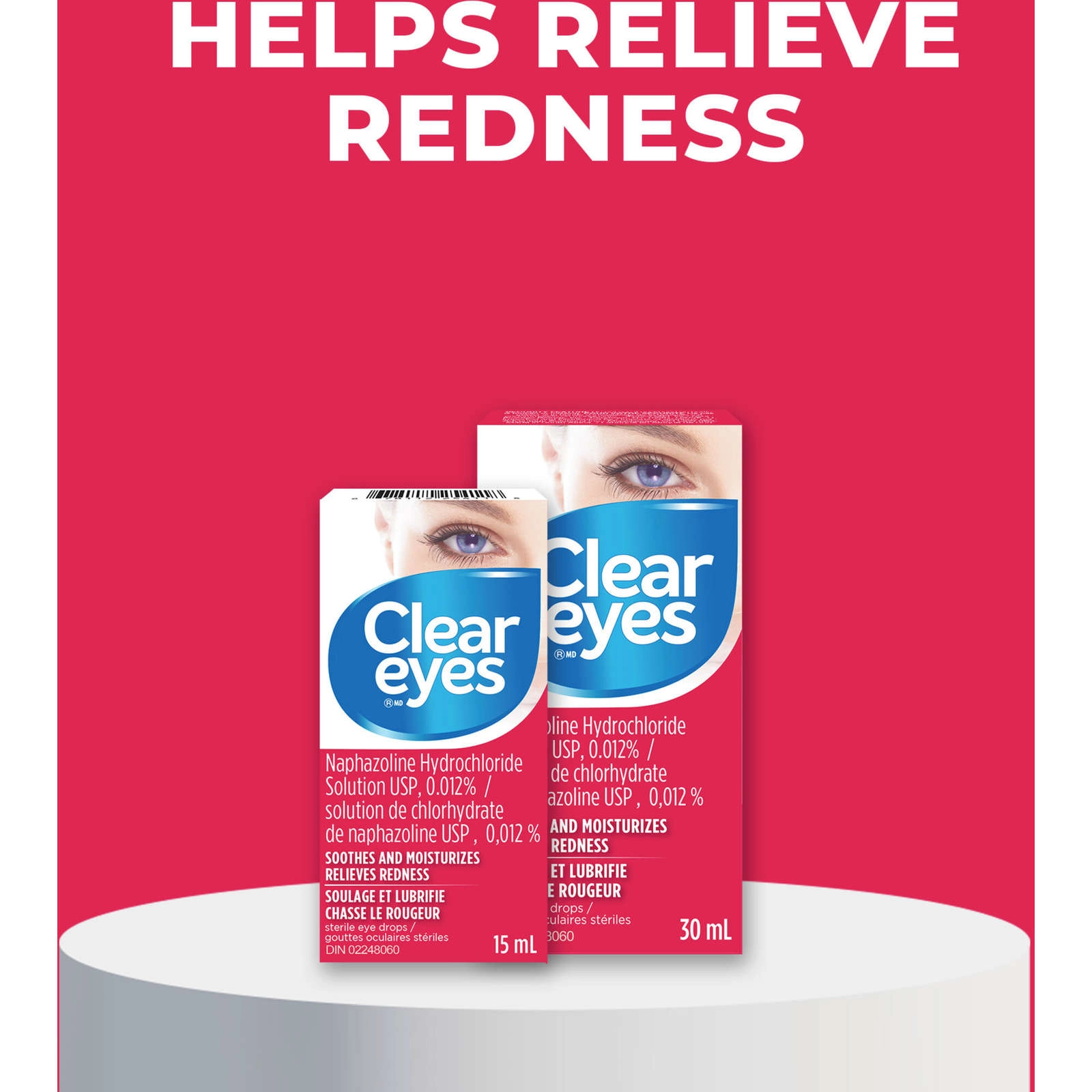
- Redness-Relieving Drops (Vasoconstrictors): Exercise extreme caution with drops designed strictly to "get the red out." These products constrict blood vessels temporarily but frequently cause rebound redness and increased dryness with chronic use.
Ointments and Gels
For overnight relief or severe daytime dryness, lubricating gels and ointments provide a thicker barrier that traps moisture on the eye surface. Because these products significantly blur vision upon application, they are best reserved for bedtime use unless directed otherwise by an optometrist or ophthalmologist.
Natural and Behavioral Strategies to Support Tear Film Stability
While eye drops provide symptomatic management, modifying daily habits and environmental factors addresses the root causes of ocular surface stress. Implementing consistent behavioral adjustments can dramatically reduce reliance on artificial drops.
The 20-20-20 Rule for Digital Eye Strain
Extended screen time reduces blink frequency by up to 60%, accelerating tear evaporation. To counteract this, adopt the 20-20-20 rule: every 20 minutes, look at an object at least 20 feet away for at least 20 seconds. This simple habit encourages complete blinking, which expresses oils from the meibomian glands and coats the cornea.
Environmental Modifications
Optimize your immediate surroundings to protect your eyes from moisture loss:
- Position desk fans, air conditioning vents, and car heaters away from your direct line of sight.
- Use a high-efficiency particulate air (HEPA) filter indoors to minimize airborne allergens and dust.
- Introduce a humidifier into your bedroom and office workspace to maintain ambient indoor humidity between 30% and 50%.
- Wear wraparound sunglasses when outdoors to shield your eyes from drying wind, dust, and ultraviolet radiation.
Advanced Home Remedies and Hygiene Practices
For chronic dry eye and meibomian gland dysfunction, targeted lid hygiene and thermal therapies restore the natural oil flow necessary to prevent rapid tear evaporation.
Warm Compresses
Applying a controlled warm compress to closed eyelids for 10 minutes daily melts solidified oils trapped within the meibomian glands. Specialized microwaveable eye masks or single-use commercial heating pads maintain a steady therapeutic temperature more effectively than a traditional washcloth, which cools down too rapidly.
Eyelid Cleansing
Following a warm compress, gently cleaning the eyelid margins removes microscopic debris, excess oils, and bacterial buildup that contribute to blepharitis and dry eye. Use hypochlorous acid eyelid sprays or specialized eyelid cleansing wipes designed specifically for the sensitive periorbital area. Avoid harsh soaps or facial cleansers, as they disrupt the natural tear film and cause chemical irritation.
Comparing Dry Eye Management Options
Selecting the right intervention depends on the predominant symptoms and severity of the condition. The following comparison outlines common approaches, their primary mechanisms, and their ideal use cases.
| Intervention Type | Primary Mechanism | Best Used For | Key Considerations |
|---|---|---|---|
| Preservative-Free Artificial Tears | Supplements aqueous layer and lubricates corneal surface | Mild dryness, frequent daily use, post-screen fatigue | Safe for frequent application; lacks preservatives that cause toxicity |
| Antihistamine Drops | Blocks histamine receptors and stabilizes mast cells | Intense itching, allergic conjunctivitis, seasonal flare-ups | Treats allergy symptoms, but does not address oil gland dysfunction |
| Warm Compresses & Lid Scrubs | Melts meibomian gland lipids and clears margin debris | Evaporative dry eye, MGD, blepharitis | Requires daily consistency for sustained therapeutic benefit |
| Prescription Anti-inflammatory Drops | Reduces chronic inflammation of the lacrimal functional unit | Moderate to severe chronic dry eye unresponsive to OTC care | Requires professional medical evaluation and prescription management |
When to Seek Professional Medical Care
While self-care strategies manage mild to moderate irritation effectively, certain clinical signs warrant prompt evaluation by an eye care specialist. Persistent dry eye can occasionally lead to corneal abrasions or underlying systemic inflammatory conditions, such as Sjögren's syndrome or rheumatoid arthritis.
Consult an optometrist or ophthalmologist immediately if you experience any of the following "red flag" symptoms:
- Severe eye pain or deep ocular ache
- Extreme sensitivity to light (photophobia)
- Sudden or significant changes in visual acuity, such as persistent blurring
- Discharge of thick, yellow, or green mucus
- A feeling that something is permanently stuck inside the eye despite rinsing
Professional diagnostics may include tear breakup time (TBUT) testing, corneal staining, and meibography to visualize gland atrophy. Advanced in-office treatments—such as intense pulsed light (IPL) therapy, thermal pulsation procedures (like LipiFlow), or prescription cyclosporine and lifitegrast drops—are available when home remedies prove insufficient.
Note: This article is for informational purposes only and does not constitute formal medical advice. Always consult a qualified healthcare professional or ophthalmologist regarding persistent ocular symptoms or before initiating new pharmaceutical treatments.
Frequently Asked Questions
Can dehydration cause my eyes to feel dry and itchy?
Yes, systemic dehydration reduces overall fluid volume in the body, which can compromise tear production and destabilize the tear film. Drinking adequate water throughout the day supports baseline moisture levels, though it rarely resolves chronic dry eye on its own without localized treatment.
Is it safe to use contact lenses while treating dry itchy eyes?
Contact lenses absorb moisture from the eye surface and can trap allergens against the cornea, exacerbating irritation. During flare-ups, switch to eyeglasses, use contact lens-friendly lubricating drops approved for lens wear, or reduce daily lens wear time until symptoms resolve.
Why do my dry eyes water excessively?
Paradoxically, severe dryness often triggers reflex tearing. When the eye surface detects a lack of moisture or irritation, the lacrimal gland floods the eye with watery tears. However, these reflex tears lack the necessary oily component, meaning they evaporate quickly without providing genuine lubrication.
How long does it take for warm compresses to improve dry eye symptoms?
Consistency is critical for thermal therapies. While some individuals notice temporary comfort immediately, significant structural improvement in meibomian gland function typically requires two to four weeks of daily application.
Can allergies alone cause chronic dry eye symptoms?
Allergies frequently mimic or trigger dry eye by causing inflammation of the conjunctiva and disrupting the tear film. Addressing the allergic component with antihistamines while simultaneously supporting the tear film with artificial tears usually yields the best clinical outcome.
Conclusion and Next Actions
Finding lasting relief from dry, itchy eyes requires a methodical strategy that moves beyond temporary fixes. Begin by evaluating your environment and screen habits, switch immediately to preservative-free artificial tears if you require frequent lubrication, and incorporate daily warm compresses and gentle eyelid hygiene. If symptoms persist beyond two weeks of consistent home care, schedule a comprehensive examination with an optometrist or ophthalmologist to explore advanced clinical therapies tailored to your specific ocular health needs.
Image Gallery