Understanding Moesargi Net Worth Explained in Context
Examining the net worth of public figures, online personalities, or niche micro-celebrities often requires looking past speculative internet estimates to understand the actual mechanics of digital wealth generation, valuation challenge...
Examining the net worth of public figures, online personalities, or niche micro-celebrities often requires looking past speculative internet estimates to understand the actual mechanics of digital wealth generation, valuation challenges, and the broader context of online asset accumulation.
Contents
Introduction to Moesargi Net Worth Explained in Context
The phrase "moesargi net worth explained in context" captures a common internet phenomenon: the public fascination with estimating the financial status of individuals who gain visibility through niche online communities, social media platforms, or specialized industries. When users search for financial metrics regarding specific digital entities, the resulting figures found across various biographical websites are frequently speculative, outdated, or generalized guesses rather than verified audits.
To properly contextualize these figures, one must examine how digital visibility translates into revenue, the limitations of public financial data, and the specific variables that influence modern personal valuation. Understanding this dynamic prevents common misconceptions regarding how online profiles monetize attention and build sustainable assets over time.
The Reality of Public Net Worth Estimates
Public curiosity regarding personal wealth has fueled an entire ecosystem of celebrity net worth websites. However, understanding these numbers requires a critical look at their methodology and accuracy.
Sources of Financial Data Online
Most independent biographical websites rely on algorithmic calculations, traffic estimates, and public records to guess an individual's financial standing. These platforms rarely have access to private bank accounts, tax returns, corporate ledgers, or investment portfolios. Instead, they aggregate data points such as:
- Estimated social media advertising revenue based on follower counts and engagement rates.
- Publicly announced business ventures, merchandise sales, or partnership deals.
- Real estate acquisitions found through public property registries, where applicable.
- General industry benchmarks for specific professions or creator tiers.
Why Online Estimates Frequently Fail
Because these metrics rely on external observations, they suffer from significant blind spots. For instance, an online personality with millions of followers may generate substantial gross revenue, but their net worth could be relatively low due to high overhead costs, production expenses, taxes, and debt obligations. Conversely, private investments, equity stakes in private companies, or cryptocurrency holdings often go entirely unnoticed by public estimators, leading to severe underestimations. Therefore, treating any unverified online net worth figure as a definitive financial statement is fundamentally misleading.
Digital Monetization and Asset Building
To understand the financial context behind digital personalities and modern creators, one must look closely at how revenue is generated and retained. Wealth accumulation in the digital age relies on diversification rather than a single income stream.
Revenue Streams in the Creator Economy
Modern digital figures rarely rely solely on platform ad revenue. Sustainable financial structures typically incorporate multiple verticals:
- Brand Partnerships and Sponsorships: Direct contracts with companies looking to access a specific target audience.
- Direct-to-Consumer Products: Launching proprietary merchandise, software tools, or physical goods.
- Subscription Models: Utilizing platforms like Patreon, Substack, or native platform subscriptions to secure recurring monthly revenue.
- Affiliate Marketing: Earning commissions by recommending products or services to followers.
Gross Revenue Versus Net Profit
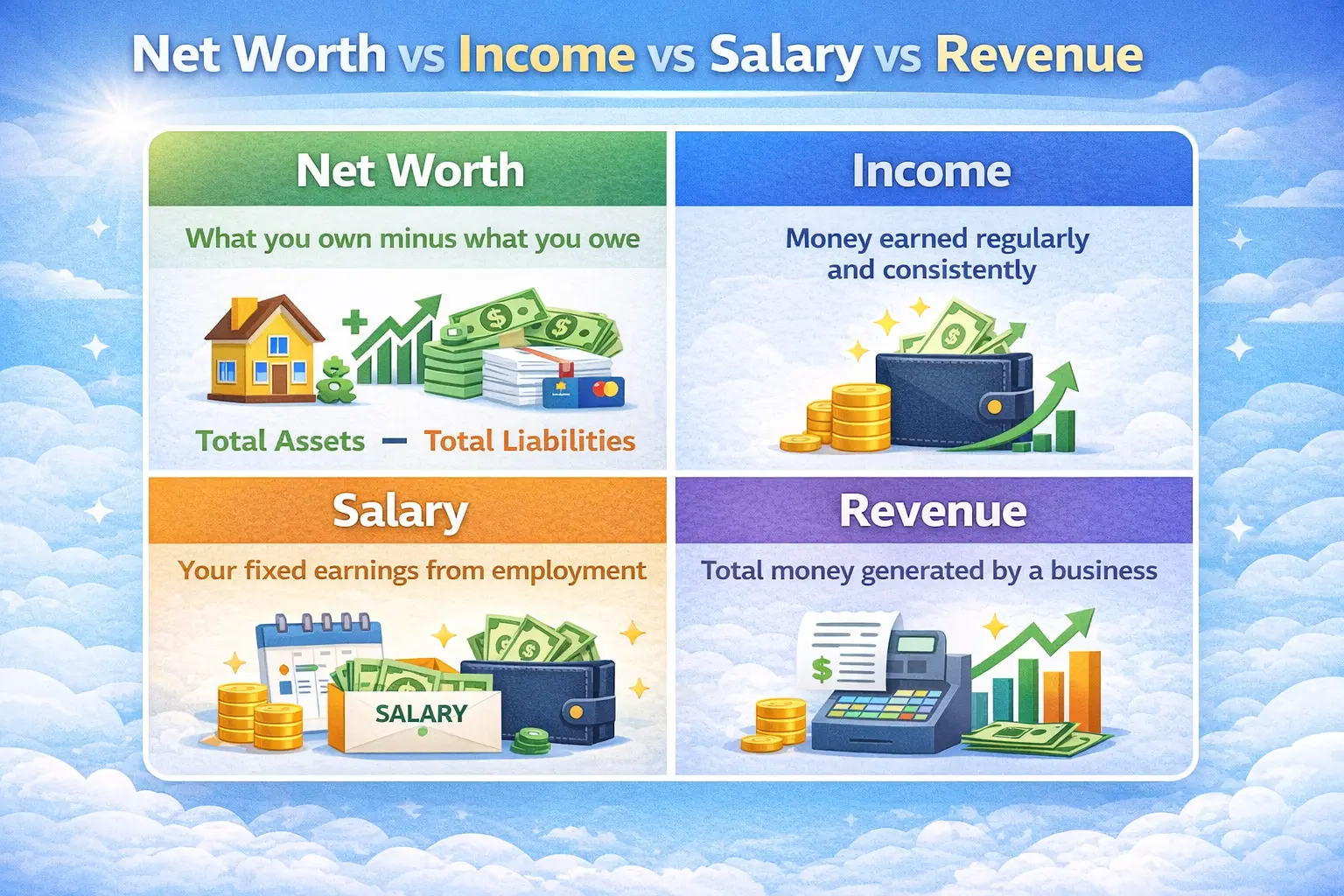
A critical error in public wealth estimation is confusing gross income with net worth. Gross revenue represents the total incoming funds before expenses. In contrast, running a digital brand incurs substantial operating costs. Equipment upgrades, team salaries, legal fees, platform commissions, and aggressive tax liabilities consume a large percentage of incoming capital. True net worth accounts for total assets minus total liabilities, meaning that high cash flow does not automatically translate into massive long-term wealth without disciplined financial management.
Comparative Overview of Digital Valuation Factors
Evaluating financial standing requires examining the difference between liquid cash flow and long-term asset valuation. The following table contrasts common assumptions with financial realities in digital spaces.
| Valuation Metric | Common Public Assumption | Verified Financial Reality |
|---|---|---|
| Social Media Following | Direct correlation to instant millionaire status. | High visibility often yields high expenses and variable net income. |
| Sponsorship Contracts | Lump sums go straight to personal savings. | Funds are subject to agency fees, business overhead, and taxes. |
| Digital Products | Low-cost creation leads to 100% profit margins. | Customer acquisition costs and platform fees significantly reduce returns. |
| Real Estate Holdings | Listed purchase prices reflect total equity. | Mortgages, liens, and market fluctuations alter actual net value. |
Common Mistakes When Analyzing Digital Wealth
Observers often misinterpret the financial health of public figures due to common analytical errors. Avoiding these pitfalls provides a clearer picture of economic reality.
- Conspicuous Consumption as Proof of Wealth: Expensive cars, luxury travel, and high-end clothing rented or purchased for content creation do not indicate net worth. Many visible luxuries are business expenses or financed assets rather than indicators of liquid wealth.
- Ignoring Liabilities: Public trackers rarely account for business debts, loans, or contractual obligations that diminish an individual's actual net worth.
- Failing to Account for Market Volatility: Digital assets, creator-economy stocks, and private equity valuations fluctuate rapidly. A valuation calculated during a peak market cycle can drop significantly within months.
Frequently Asked Questions
Can you accurately determine someone's net worth from public data alone?
No. Accurate net worth calculations require private financial documents, including tax returns, debt ledgers, and investment portfolios. Public websites only offer speculative estimates based on observable metrics.
Why do net worth websites display conflicting figures for the same person?
Different platforms use proprietary algorithms, varying assumptions about expense ratios, and inconsistent update schedules, leading to wide discrepancies across search results.
What is the biggest expense for modern digital creators?
Aside from taxes, operational overhead—such as hiring editors, maintaining production equipment, paying platform commissions, and funding marketing campaigns—typically represents the largest drain on gross revenue.
How do private equity and investments affect personal net worth?
Long-term wealth is usually tied up in illiquid assets like real estate, privately held company equity, and diversified portfolios rather than sitting in liquid bank accounts.
Are brand sponsorship deals paid out all at once?
Most sponsorship agreements involve structured payment schedules tied to specific milestones, deliverables, and performance metrics, rather than single lump-sum payouts.
Conclusion and Next Actions
When examining figures like those associated with "moesargi net worth explained in context," the most prudent approach is skepticism toward unverified internet statistics. Understanding the mechanics of digital monetization, the difference between gross revenue and net profit, and the limitations of public tracking data provides a realistic framework for evaluating modern wealth. For those analyzing digital economies or researching public figures, prioritize primary sources, verify corporate filings where available, and recognize that online financial estimates are primarily speculative entertainment rather than certified audits.
Image Gallery