Comprehensive Guide to What Materials Are Electrical Conductors
Electrical conductors are materials that permit the flow of electric charge, or current, in one or more directions. These substances contain charged particles—most commonly free electrons—that can move relatively easily throughout the...
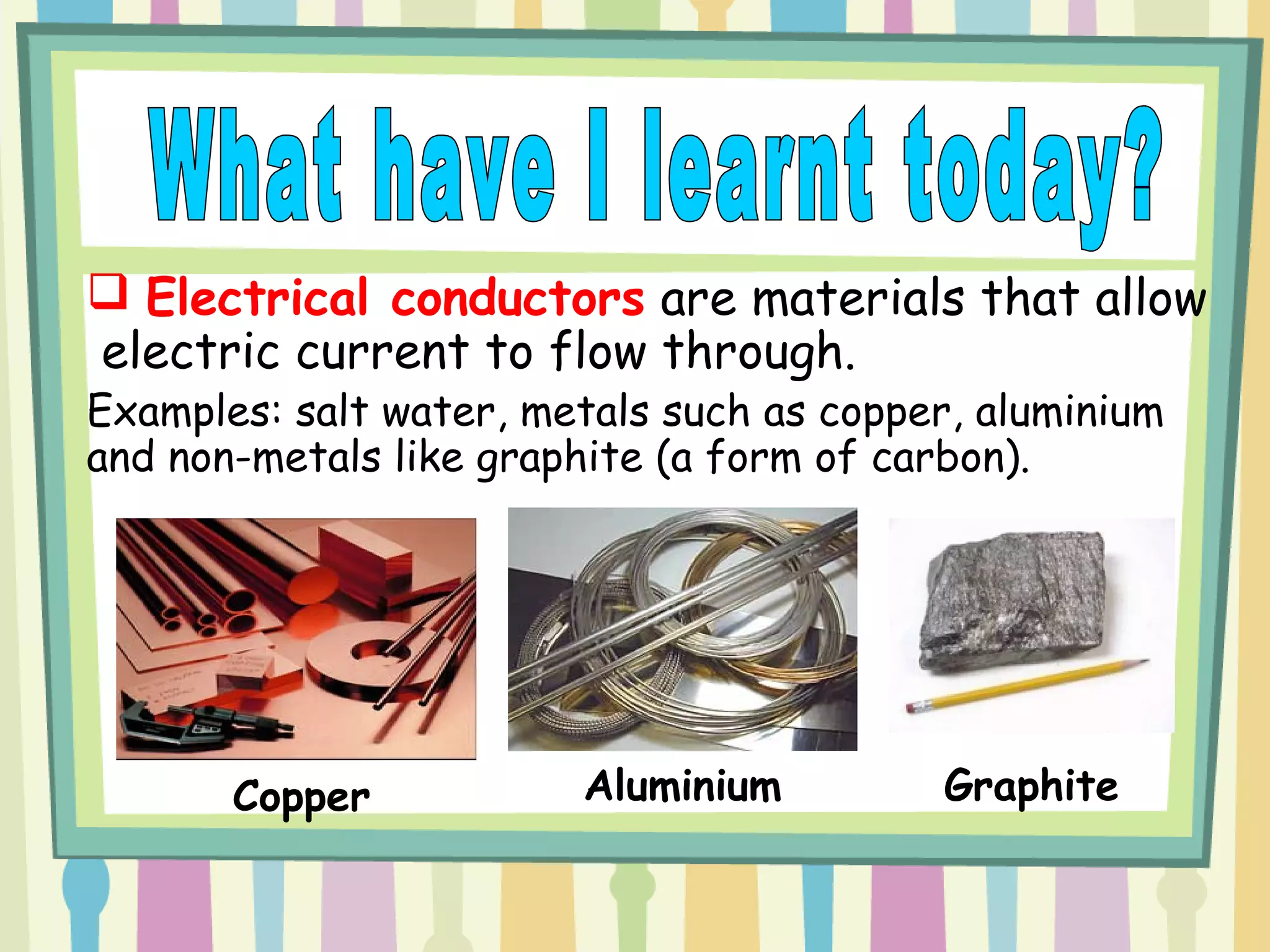
Electrical conductors are materials that permit the flow of electric charge, or current, in one or more directions. These substances contain charged particles—most commonly free electrons—that can move relatively easily throughout the atomic structure when an external voltage or electric field is applied. Understanding which materials act as conductors, how their internal atomic properties enable this behavior, and where they are applied is fundamental to electrical engineering, physics, and everyday technology.
Contents
The Underlying Physics of Electrical Conduction
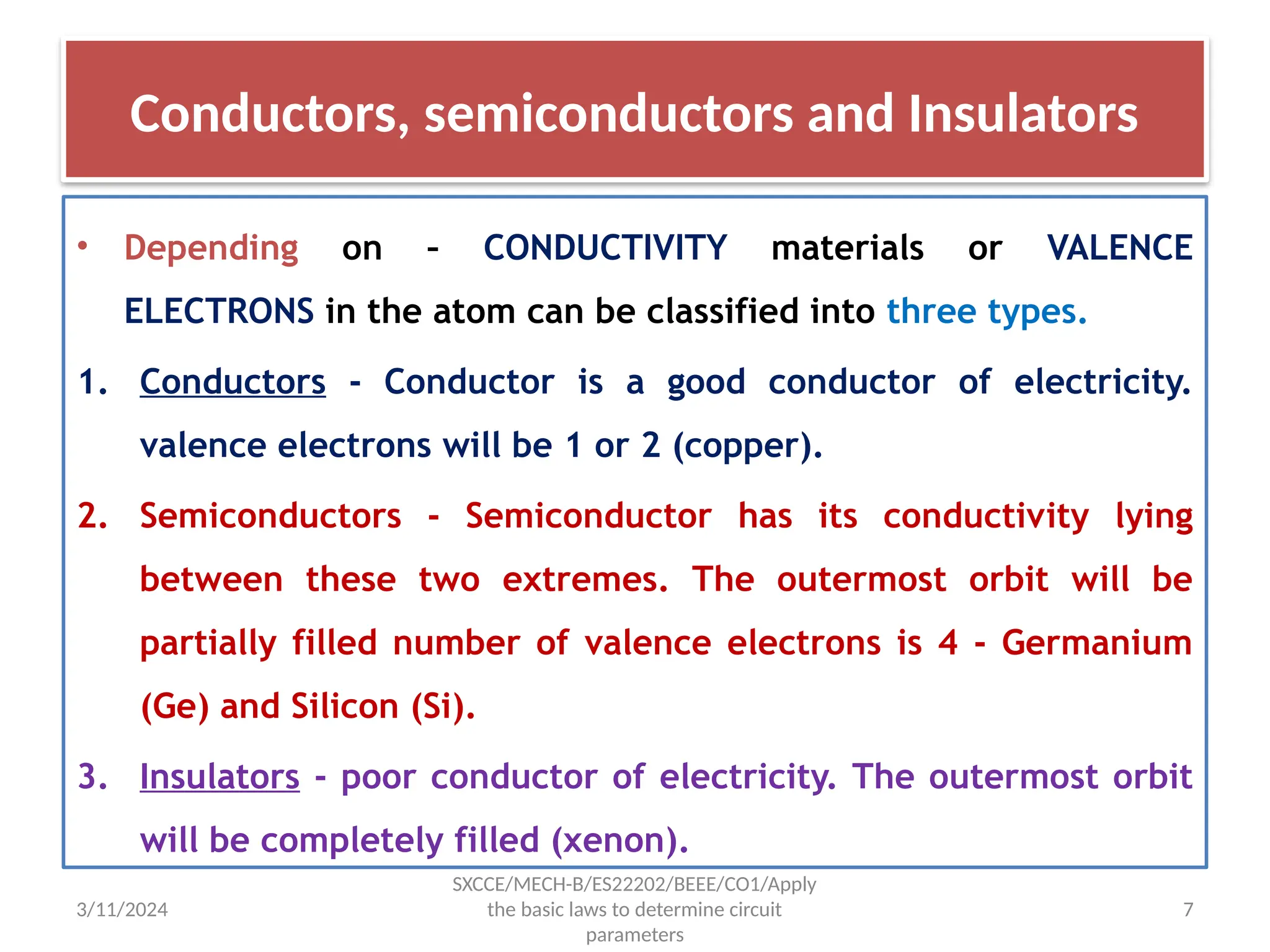
To understand what makes a material an electrical conductor, one must examine atomic structure and electron bonding. In solid materials, atoms are packed closely together in a crystal lattice. The outermost electrons of these atoms, known as valence electrons, are subject to varying degrees of attraction from the positively charged nucleus.
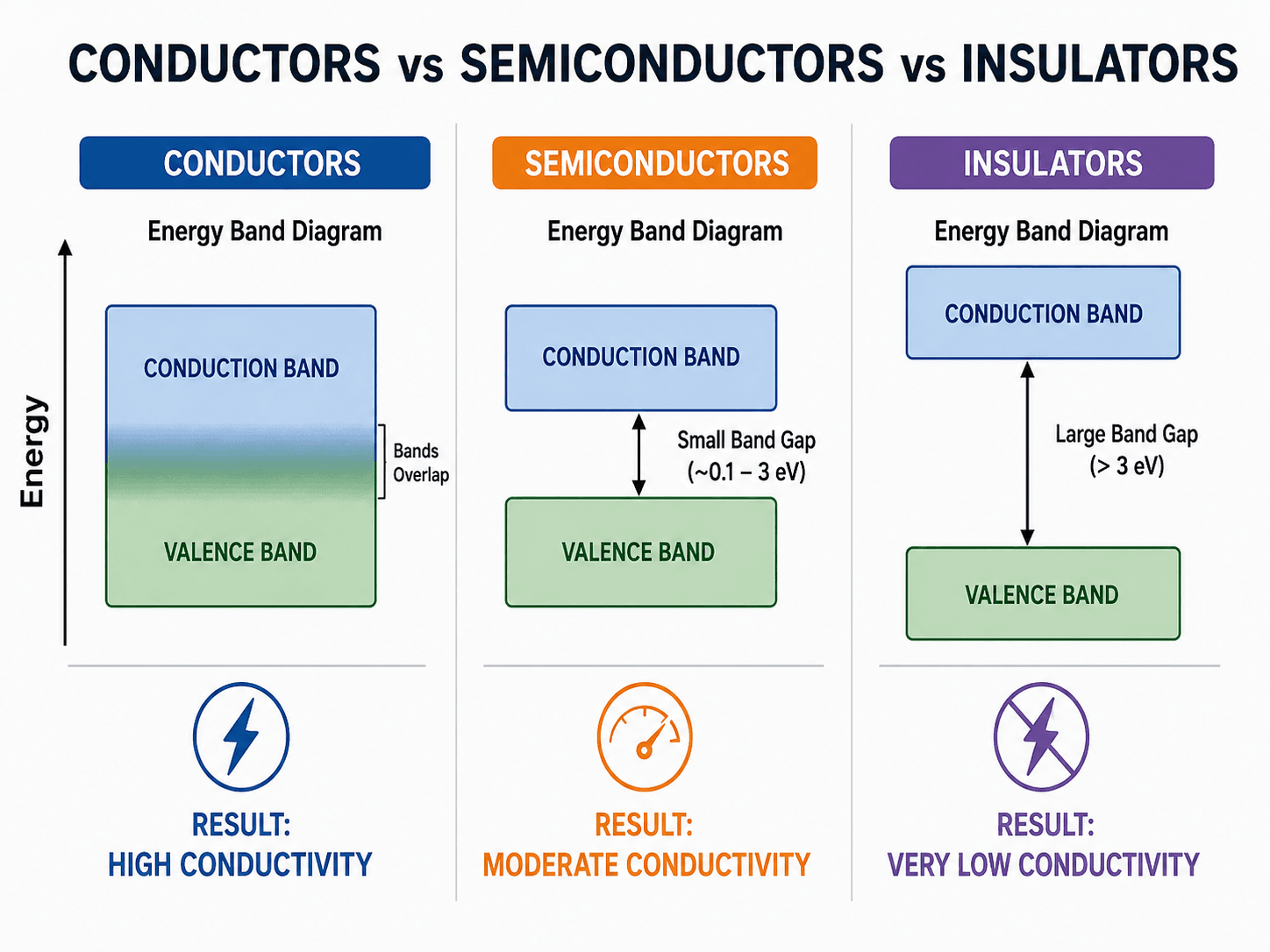
In conductors, these valence electrons are not tightly bound to any single atom. Instead, thermal energy at room temperature is sufficient to dislodge them from their parent atoms, creating a "sea" or cloud of delocalized electrons. When a voltage source, such as a battery or generator, is connected across the ends of the material, it creates an electric field. This field exerts a force on the free electrons, compelling them to drift in a coordinated direction from the negative terminal toward the positive terminal. This directional drift constitutes an electric current.
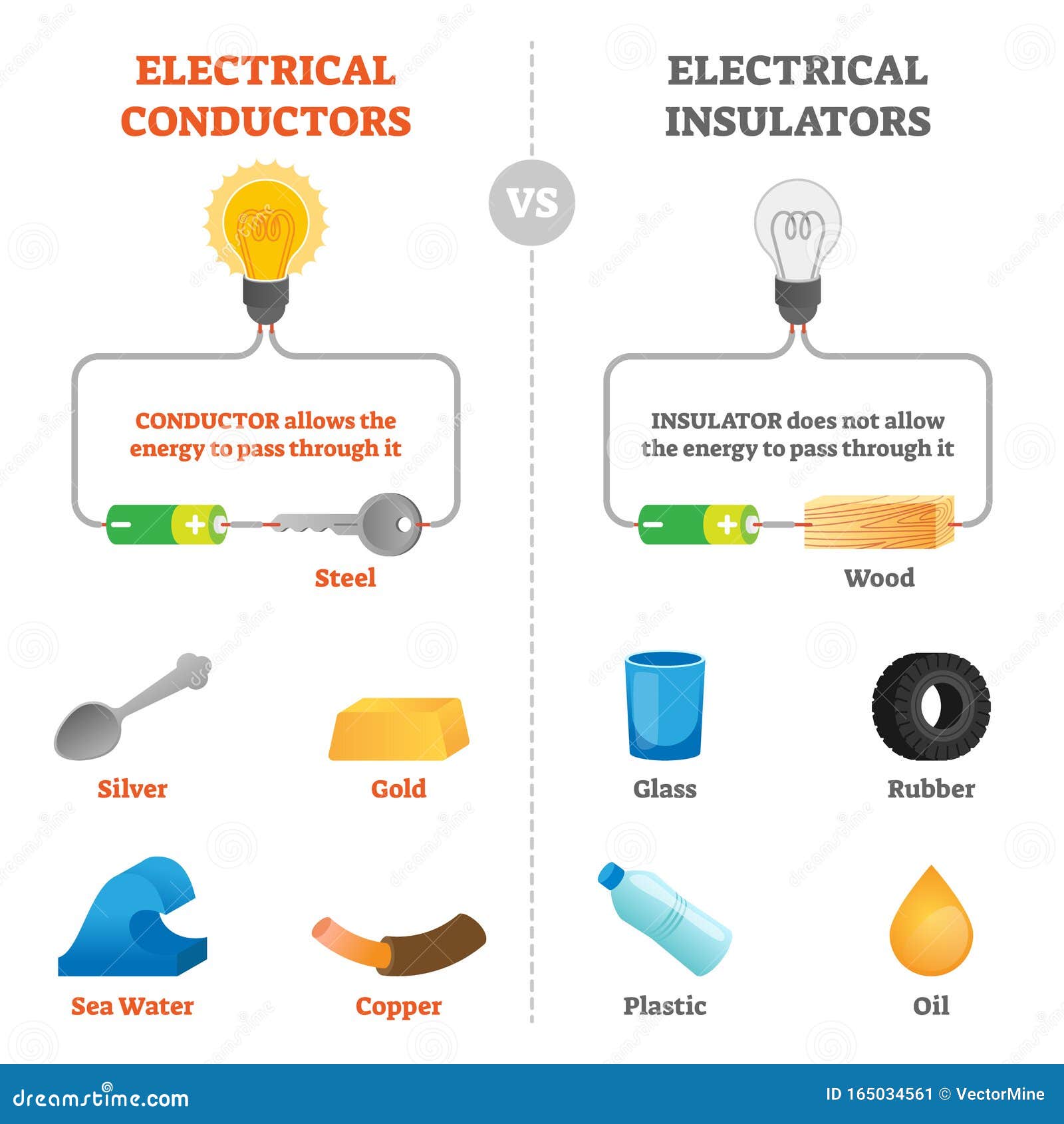
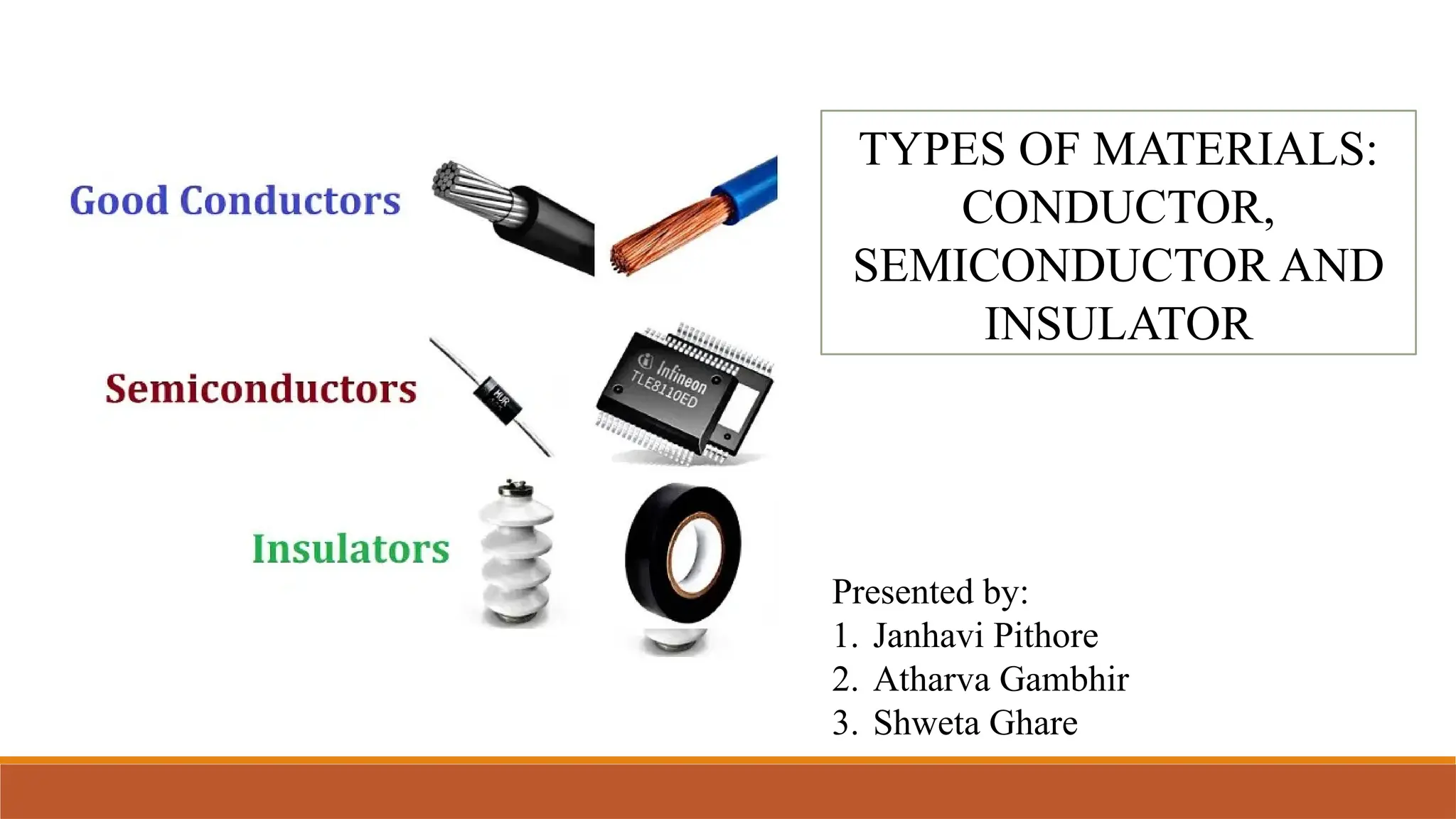
Conversely, materials known as insulators have tightly bound electrons that require a significant amount of energy to escape their atomic orbits. Semiconductors occupy a middle ground, acting as insulators at absolute zero but permitting conduction under specific conditions of thermal excitation, impurity doping, or applied voltage.
Primary Categories of Electrical Conductors
Conductors span across several states of matter and material classifications. While solid metals are the most widely recognized, liquids and gases can also conduct electricity under specific conditions.
Metallic Conductors
Metals represent the most efficient and widely utilized class of electrical conductors. Their atomic configuration relies on metallic bonding, where positive metal ions are immersed in a mobile sea of electrons.
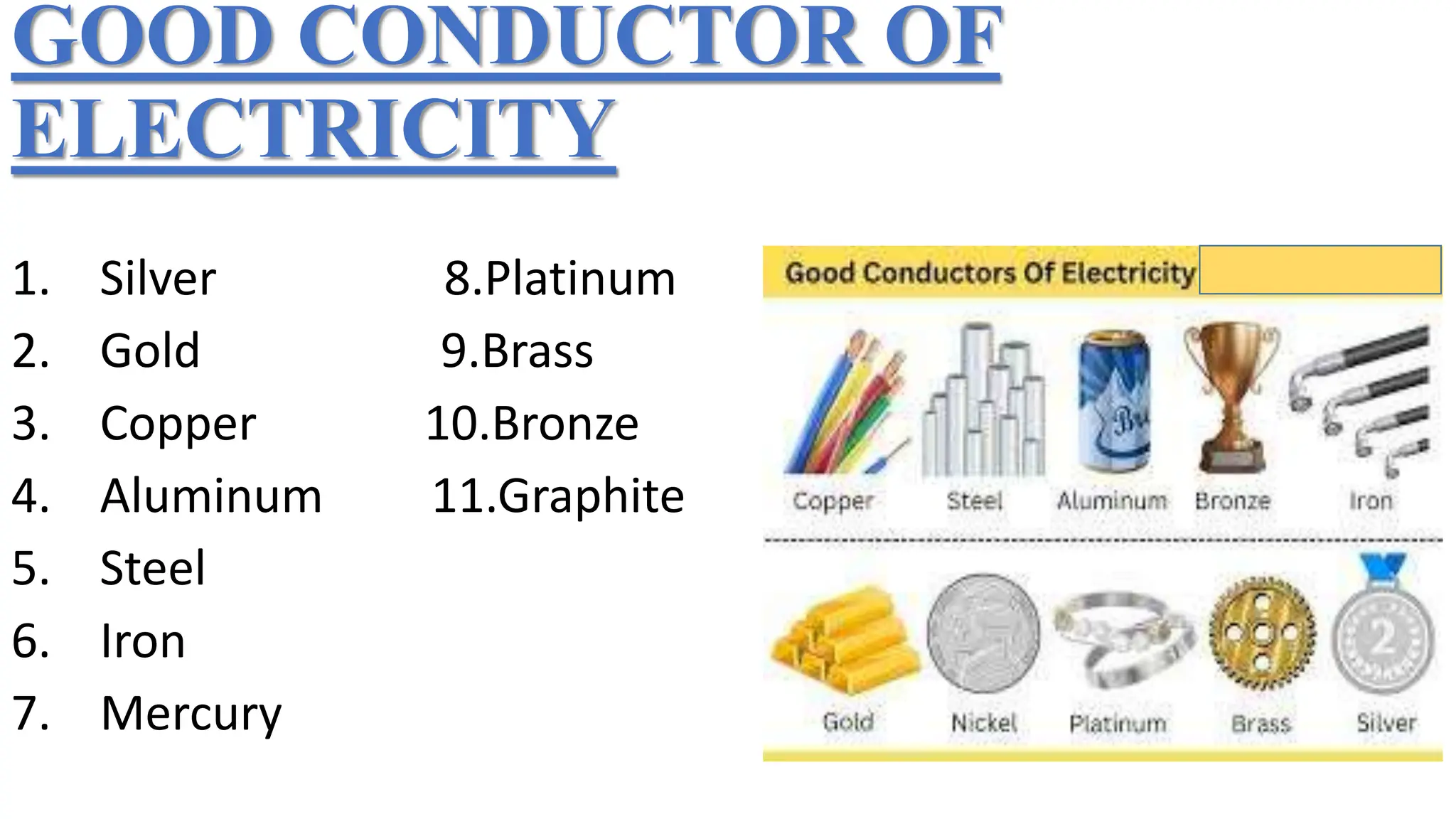
- Silver: Silver possesses the highest electrical and thermal conductivity of all known metals. Its free electrons experience minimal resistance as they move through the crystal lattice. However, due to its high cost and tendency to tarnish (forming a resistive sulfide layer over time), its use is typically reserved for specialized applications, such as high-end audio cables, satellite components, and precision electronic switch contacts.
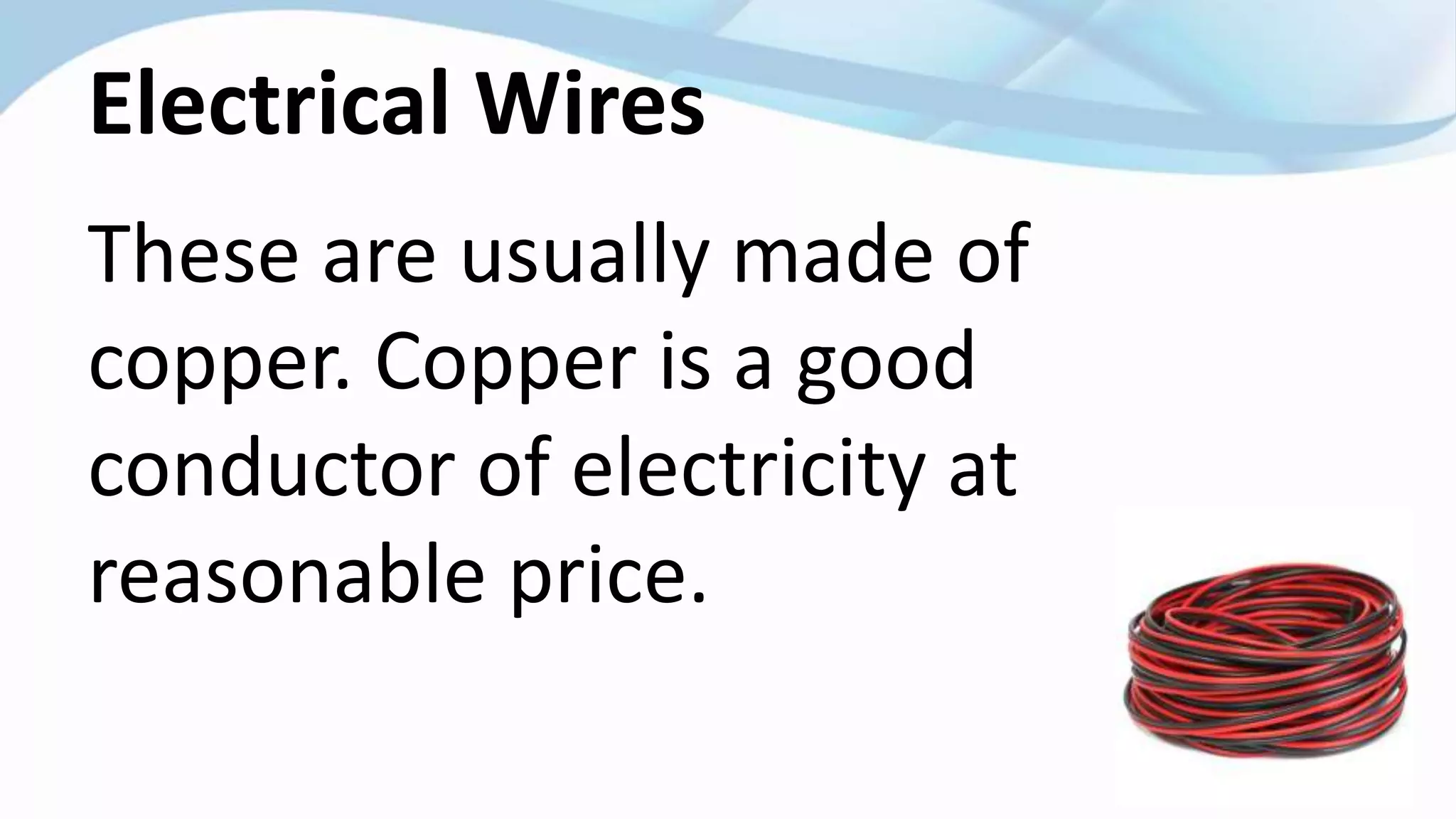
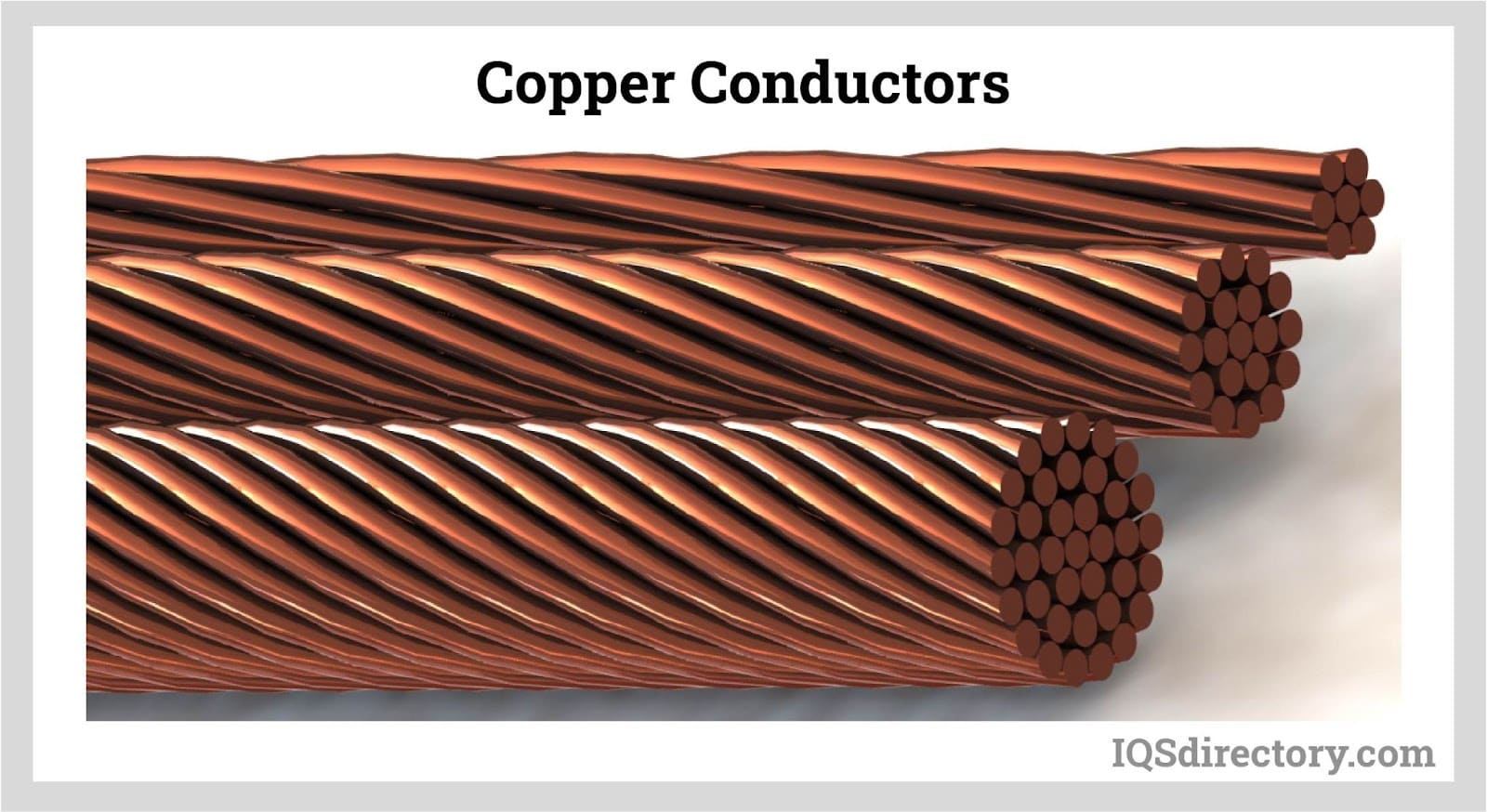
- Copper: Copper is the industrial standard for general wiring and electrical infrastructure. It offers a combination of high conductivity (roughly 95% to 100% of International Annealed Copper Standard, or IACS), excellent ductility, high tensile strength, and resistance to corrosion. It is easily soldered and shaped, making it ideal for residential, commercial, and industrial electrical systems.
- Gold: While less conductive than silver and copper, gold is prized for its chemical stability. It does not oxidize or corrode when exposed to air. Consequently, gold is heavily utilized to plate connectors, edge cards, and contact pins in computers and telecommunications equipment, ensuring low-resistance, reliable connections over long operational lifespans.
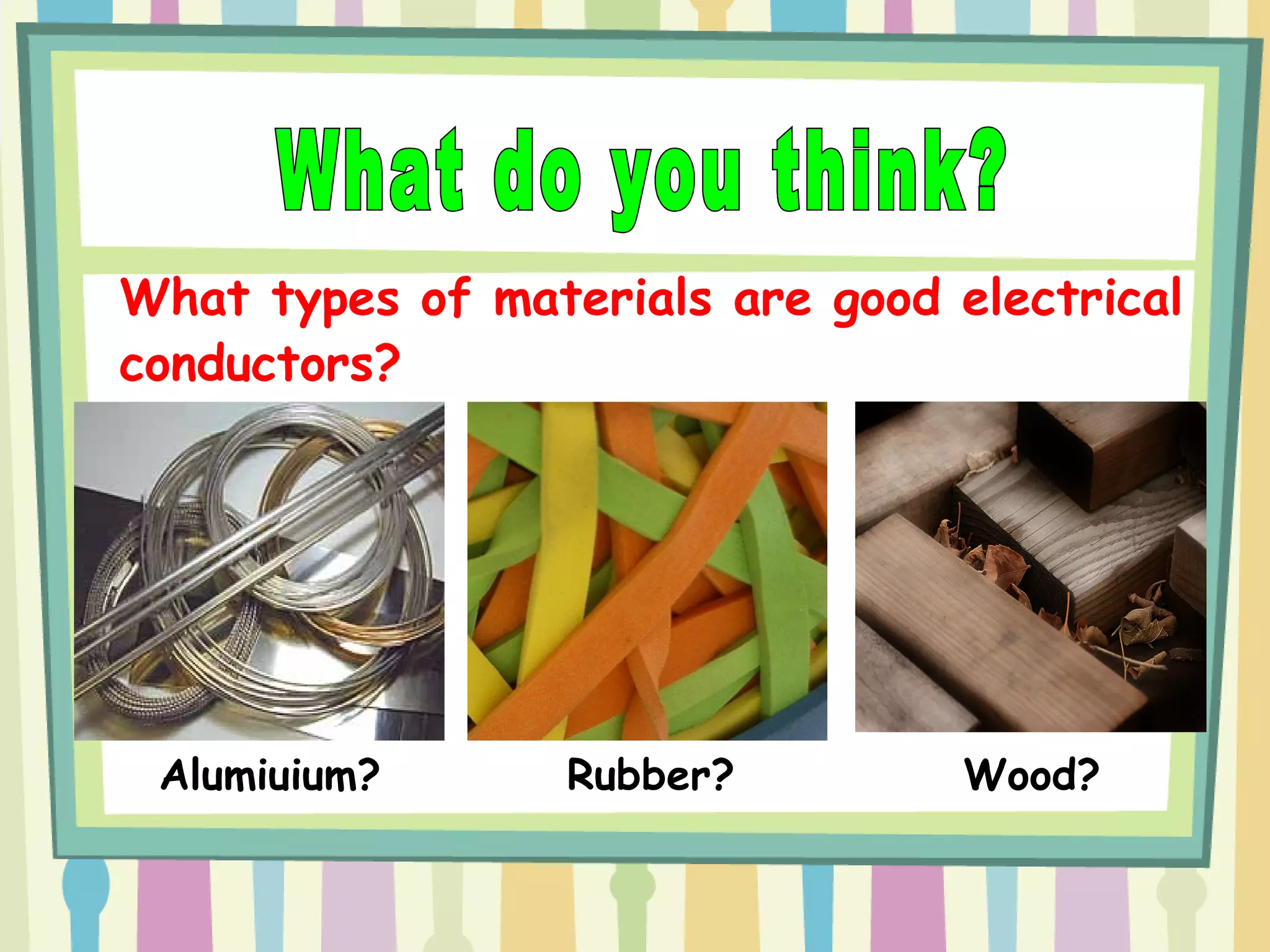
- Aluminum: Aluminum is significantly lighter and less expensive than copper. Although its electrical conductivity is only about 61% of copper's by volume, its high strength-to-weight ratio makes it the material of choice for high-voltage overhead power transmission lines, where minimizing structural sag over long spans between towers is critical.
Non-Metallic Solid Conductors
Not all solid conductors are metals. Certain non-metallic materials exhibit high conductivity due to specialized chemical bonding structures.
- Carbon Allotropes: Graphite, a form of carbon, conducts electricity because its atoms are arranged in planar sheets with delocalized pi-electrons that move freely along the planes. It is widely used in brushes for electric motors and in various types of electrodes.
- Conductive Polymers: While plastics are traditionally utilized as insulators, chemical modifications through a process called doping can create intrinsically conductive polymers (ICPs). These materials are used in anti-static packaging, organic light-emitting diodes (OLEDs), and flexible electronics.
Liquid and Gaseous Conductors
Conduction is not restricted to solids. Liquids and gases can facilitate electrical current through the movement of ions rather than free electrons.
- Electrolytic Solutions: Water in its pure, deionized state is a poor conductor. However, when salts, acids, or bases are dissolved in water, they dissociate into positive and negative ions. These ions migrate toward electrodes when a voltage is applied, carrying an electrical current. This ionic conduction is the basis for electroplating, batteries, and biological nerve function.
- Ionized Gases (Plasma): Under normal atmospheric conditions, gases act as insulators. However, when subjected to high voltages or extreme temperatures, gas molecules lose electrons, creating plasma. Plasma is a highly conductive gas composed of free electrons and positive ions, observed in neon signs, lightning strikes, and fluorescent lighting.
Comparison of Common Metallic Conductors
| Material | Relative Conductivity (% IACS) | Relative Cost | Primary Applications | Notable Limitations |
|---|---|---|---|---|
| Silver | ~106% | Very High | Precision instruments, satellite parts, audio gear | High cost; tarnishes over time |
| Copper | 100% | Moderate | Building wiring, motors, transformers, circuit boards | Heavier than aluminum |
| Gold | ~70% | Extremely High | Connector plating, microelectronics, aerospace | Costly; lower conductivity than copper |
| Aluminum | ~61% | Low | Overhead power lines, large industrial feeders | Prone to creep; forms insulating oxide layer |
Factors Affecting Electrical Conductivity
A material's ability to conduct electricity is not static; it is influenced by several physical and environmental variables. Engineers and technicians must account for these factors when selecting conductors for specific applications.
Temperature
For most metallic conductors, electrical resistance increases as temperature rises. Thermal energy causes the atoms within the crystal lattice to vibrate more vigorously. These increased vibrations scatter the moving free electrons, impeding their smooth transit through the material and reducing overall conductivity. Conversely, cooling a metal reduces atomic vibration, lowering resistance. Under extreme cold, certain metals exhibit superconductivity, where electrical resistance drops to absolute zero.
Impurities and Alloy Composition
The presence of foreign atoms or impurities within a pure metal disrupts the regular geometric periodicity of its crystal lattice. This disruption acts as an obstacle for moving electrons, increasing electrical resistance. Consequently, high-purity metals are preferred for maximum conductivity, while alloys (mixtures of metals) are often engineered to increase mechanical strength at the expense of electrical efficiency.
Frequency and the Skin Effect
When alternating current (AC) flows through a conductor, the magnetic field it generates induces eddy currents that push the primary current toward the outer surface of the wire. This phenomenon, known as the skin effect, effectively reduces the cross-sectional area available for current flow at higher frequencies, increasing the effective resistance. To mitigate this in high-frequency applications, engineers use specialized stranded wire configurations, such as Litz wire.
Practical Considerations and Selection Criteria
Selecting the correct conductive material requires balancing performance metrics against physical constraints and economic factors.
- Current-Carrying Capacity (Ampacity): The conductor must be able to handle the maximum expected current without overheating, which can degrade insulation or cause structural failure.
- Mechanical Properties: Tensile strength, flexibility, and fatigue resistance dictate whether a wire can withstand being pulled through conduits, bent around tight corners, or subjected to continuous mechanical vibration.
- Environmental Resistance: Resistance to moisture, chemical exposure, and temperature extremes ensures long-term reliability. For instance, aluminum requires special antioxidant compounds and fittings when terminated to prevent galvanic corrosion when it interfaces with copper terminals.
- Economic Feasibility: Material and installation costs dictate choices, especially in large-scale infrastructure projects where miles of cabling are deployed.
Frequently Asked Questions
Why is copper used more often than silver if silver is a better conductor?
While silver is the superior electrical conductor, its market price is significantly higher than that of copper. Copper offers an optimal balance of high conductivity, structural durability, and economic feasibility, making it the practical choice for commercial and residential electrical systems.
Can water conduct electricity?
Pure, chemically deionized water is a poor conductor of electricity because it lacks mobile charge carriers. However, tap water and natural water bodies contain dissolved minerals and salts that dissociate into ions. These ions move freely and allow water to conduct electricity, posing significant safety hazards in wet environments.
Why do overhead power lines use aluminum instead of copper?
Aluminum is substantially lighter and less expensive than copper. Although it requires a larger cross-sectional area to carry the same amount of current, its light weight reduces the mechanical stress on supporting utility poles and towers, allowing for greater distances between support structures.
How does temperature affect the conductivity of metals?
As the temperature of a metal increases, its atoms vibrate with greater amplitude. These vibrations obstruct the flow of free electrons, increasing electrical resistance and decreasing overall conductivity.
What is a superconductor?
A superconductor is a material that exhibits zero electrical resistance and expels magnetic fields when cooled below a characteristic critical temperature. These materials allow electrical current to flow indefinitely without energy loss, though current applications are largely confined to specialized research facilities, particle accelerators, and medical magnetic resonance imaging (MRI) machines.
Next Actions and Further Guidance
When designing electrical systems, consulting established standards—such as the National Electrical Code (NEC) in the United States or equivalent international standards—is essential for selecting appropriately sized conductors. Always verify that selected materials match environmental conditions, voltage ratings, and load requirements to ensure safe, compliant operation.
Image Gallery