Comprehensive Recovery Guide for Travis County Flood Victims
Residents of Travis County impacted by flooding can access recovery support through the Travis County Office of Emergency Management, FEMA federal grants, and Small Business Administration (SBA) disaster loans. Effective recovery requi...
Residents of Travis County impacted by flooding can access recovery support through the Travis County Office of Emergency Management, FEMA federal grants, and Small Business Administration (SBA) disaster loans. Effective recovery requires immediate damage documentation, filing insurance claims through the National Flood Insurance Program (NFIP), and potentially engaging with local voluntary organizations like the Austin Disaster Relief Network for long-term assistance.
Contents
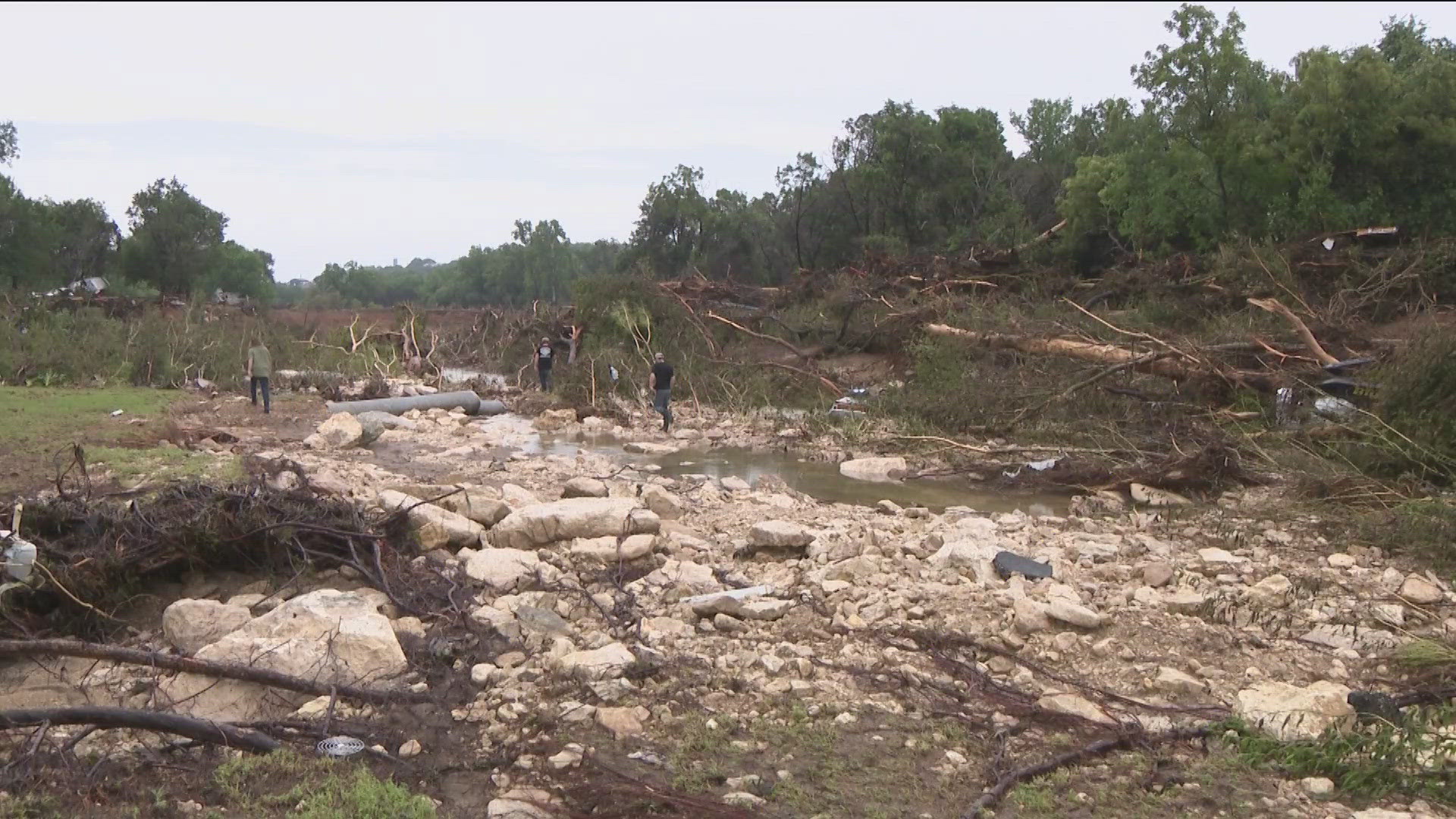
Located in the heart of "Flash Flood Alley," Travis County—including Austin, Pflugerville, and Del Valle—faces unique hydrological challenges due to its proximity to the Balcones Escarpment and rocky terrain. When heavy rains occur, runoff moves rapidly into basins like Onion Creek, Walnut Creek, and the Colorado River, often leaving residents with little time to react. For those who have suffered property loss or displacement, navigating the complex web of local, state, and federal aid is the first step toward restoration.
Immediate Post-Flood Safety and Documentation Requirements
The first 48 hours following a flood event are critical for both physical safety and the eventual success of financial claims. Before entering a home, residents must ensure the structural integrity of the building. In Travis County, the Watershed Protection Department often coordinates with building inspectors to tag homes that are unsafe for occupancy.
Securing the Property and Documenting Loss
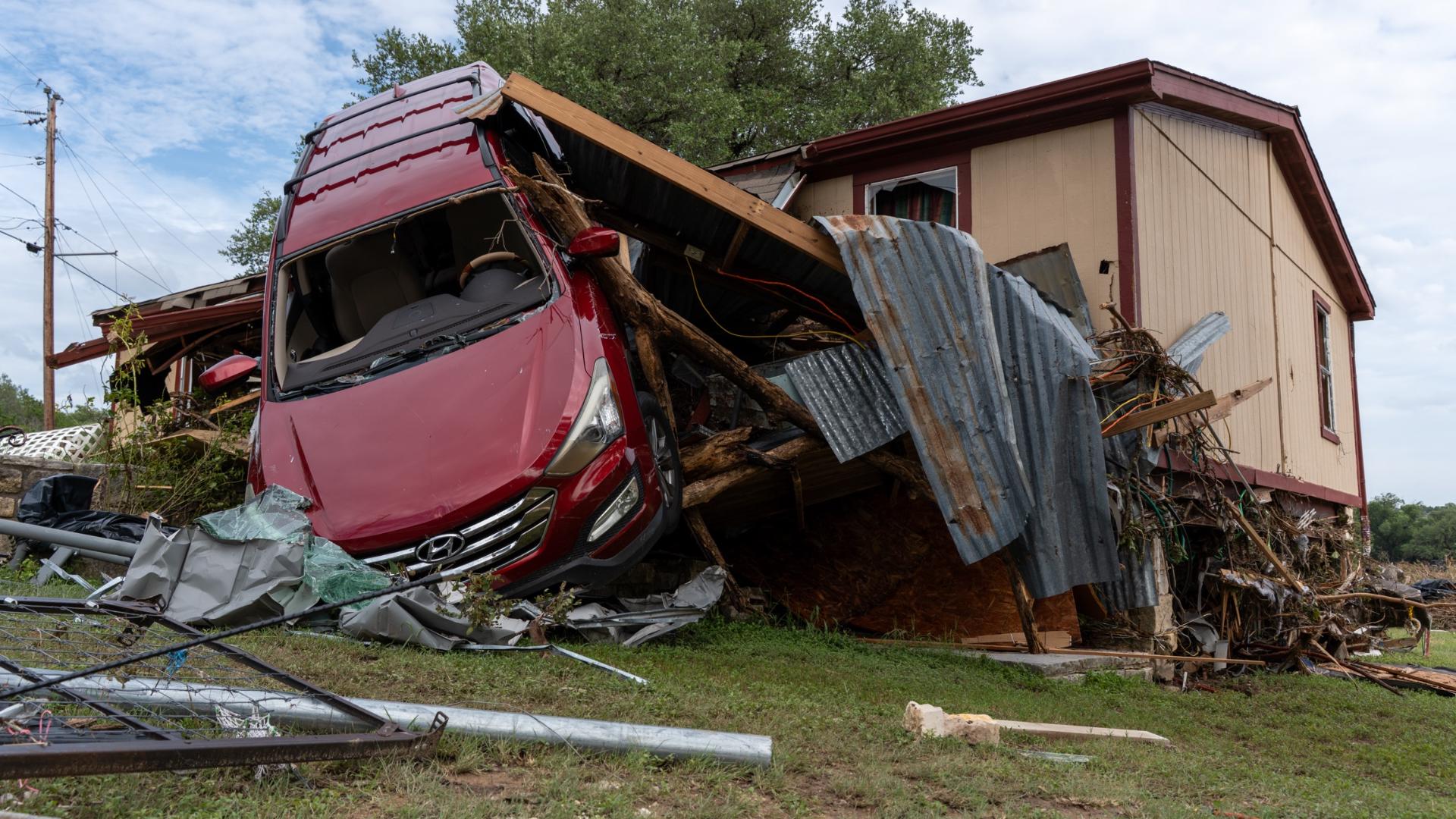
Before any cleanup begins, victims must document the extent of the damage. This documentation serves as the primary evidence for insurance adjusters and FEMA inspectors.
- Photographic Evidence: Take wide-angle photos of every room to show the water line, followed by close-ups of specific damage to appliances, flooring, and structural elements.
- Inventory Logs: Create a detailed list of damaged items, including approximate age, original cost, and serial numbers for expensive electronics or appliances.
- Structural Markers: Use a ruler or yardstick to photograph the height of the watermark on both interior and exterior walls.
- Professional Assessment: Do not discard damaged items until an insurance adjuster has seen them, unless they pose a health hazard (such as spoiled food). If items must be discarded, keep a small swatch of flooring or fabric as a sample for the adjuster.
Mitigating Further Damage
Property owners have a "duty to mitigate," meaning they must take reasonable steps to prevent further damage. This includes covering broken windows with plywood, placing tarps over roof leaks, and beginning the drying process. In the humid Central Texas climate, mold growth can begin within 24 to 48 hours. Using high-capacity dehumidifiers and industrial fans is recommended, but only after an electrician has confirmed that the home’s wiring is safe to energize.
Navigating the Travis County Floodplain Buyout Programs
For residents in areas prone to repetitive flooding, such as the Onion Creek or Lower Walnut Creek watersheds, the most viable long-term solution may be a voluntary buyout. Travis County and the City of Austin operate one of the most robust buyout programs in the United States, designed to move families out of harm's way and restore the floodplain to its natural state.
How the Buyout Process Functions
Buyout programs are typically funded through a combination of federal grants (from FEMA or HUD) and local bond money. The process is voluntary but highly structured:
- Eligibility Determination: The county identifies "at-risk" clusters based on historical flood data and depth of the 100-year floodplain.
- Appraisal: The government hires independent appraisers to determine the "pre-flood" fair market value of the home. This ensures that victims are not penalized for the damage caused by the most recent event.
- Offer and Negotiation: Homeowners receive an offer based on the appraisal. There are often relocation assistance packages available to help families find comparable housing outside the floodplain.
- Demolition and Restoration: Once the county acquires the title, the structure is demolished, and the land is deed-restricted so that no permanent structures can ever be built there again, turning the area into open green space or parkland.
Residents interested in these programs should contact the Travis County Transportation and Natural Resources (TNR) department to inquire about current project cycles and funding availability for 2026.
Federal Assistance: FEMA and the SBA
When the President issues a Major Disaster Declaration for Travis County, federal resources become available. It is important to understand that FEMA assistance is intended to meet basic needs and make a home "safe, sanitary, and functional"—it is rarely enough to restore a home to its pre-loss condition.
FEMA Individual Assistance (IA)
FEMA's Individual Assistance program provides grants for temporary housing, home repairs, and "Other Needs Assistance" (ONA), which covers medical, dental, and funeral expenses related to the flood. To apply, victims must register at DisasterAssistance.gov.
- The Inspection Process: After applying, an inspector will contact you to verify the damage. In 2026, many inspections are supplemented by remote video technology, but physical inspections remain the standard for significant structural claims.
- The Appeal Process: If a claim is denied, victims have 60 days to file a written appeal. Common reasons for denial include "insufficient damage" or "insurance coverage overlap." Providing third-party contractor estimates can often successfully overturn a denial.
SBA Disaster Loans
While the Small Business Administration (SBA) name suggests it is only for companies, it is actually the primary source of federal long-term recovery funds for homeowners and renters. These low-interest loans can be used to repair or replace real estate and personal property. If you are referred to the SBA after applying for FEMA, you must complete the application. If you are denied a loan, the SBA refers you back to FEMA for potential additional grant assistance.
Comparing Assistance Sources for Travis County Residents
| Source | Type of Aid | Eligibility | Purpose |
|---|---|---|---|
| NFIP Insurance | Insurance Payout | Policyholders | Full repair/replacement up to policy limits ($250k structure). |
| FEMA Grants | Federal Grant | All (subject to means test) | Emergency repairs, temporary housing, and essential needs. |
| SBA Loans | Low-interest Loan | Homeowners/Business Owners | Long-term reconstruction and personal property replacement. |
| ADRN | Non-profit Support | Travis County Residents | Immediate crisis kits, furniture, and emotional/spiritual care. |
| County Buyouts | Property Sale | Specific high-risk zones | Permanent relocation and removal of structures from floodplains. |
Managing Debris and Environmental Hazards
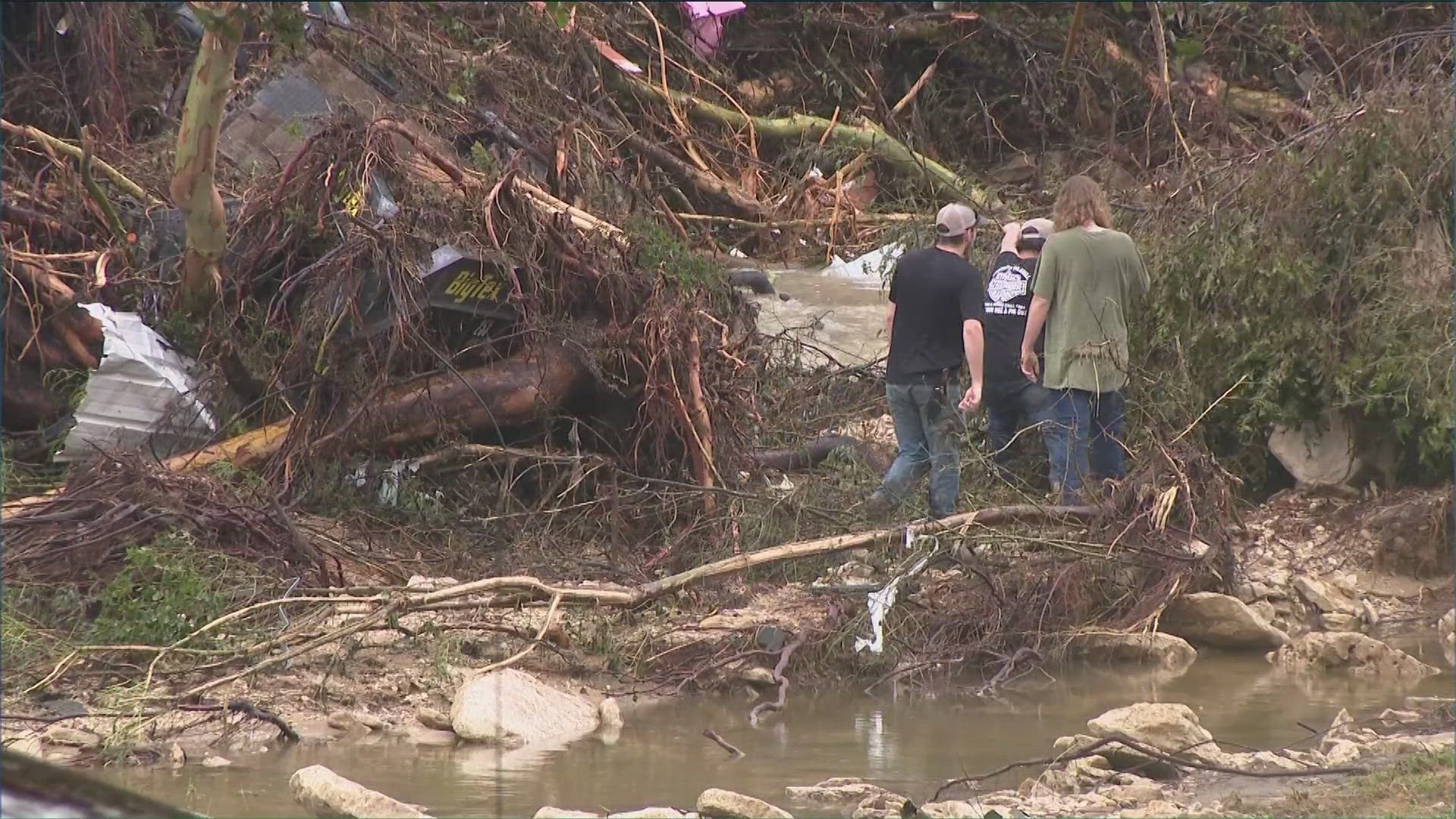
Floodwaters in Travis County often carry contaminants, including agricultural runoff, sewage, and chemicals from local industrial sites. Proper debris management is essential for public health and ensures that the county can receive federal reimbursement for cleanup costs.
Debris Separation Guidelines
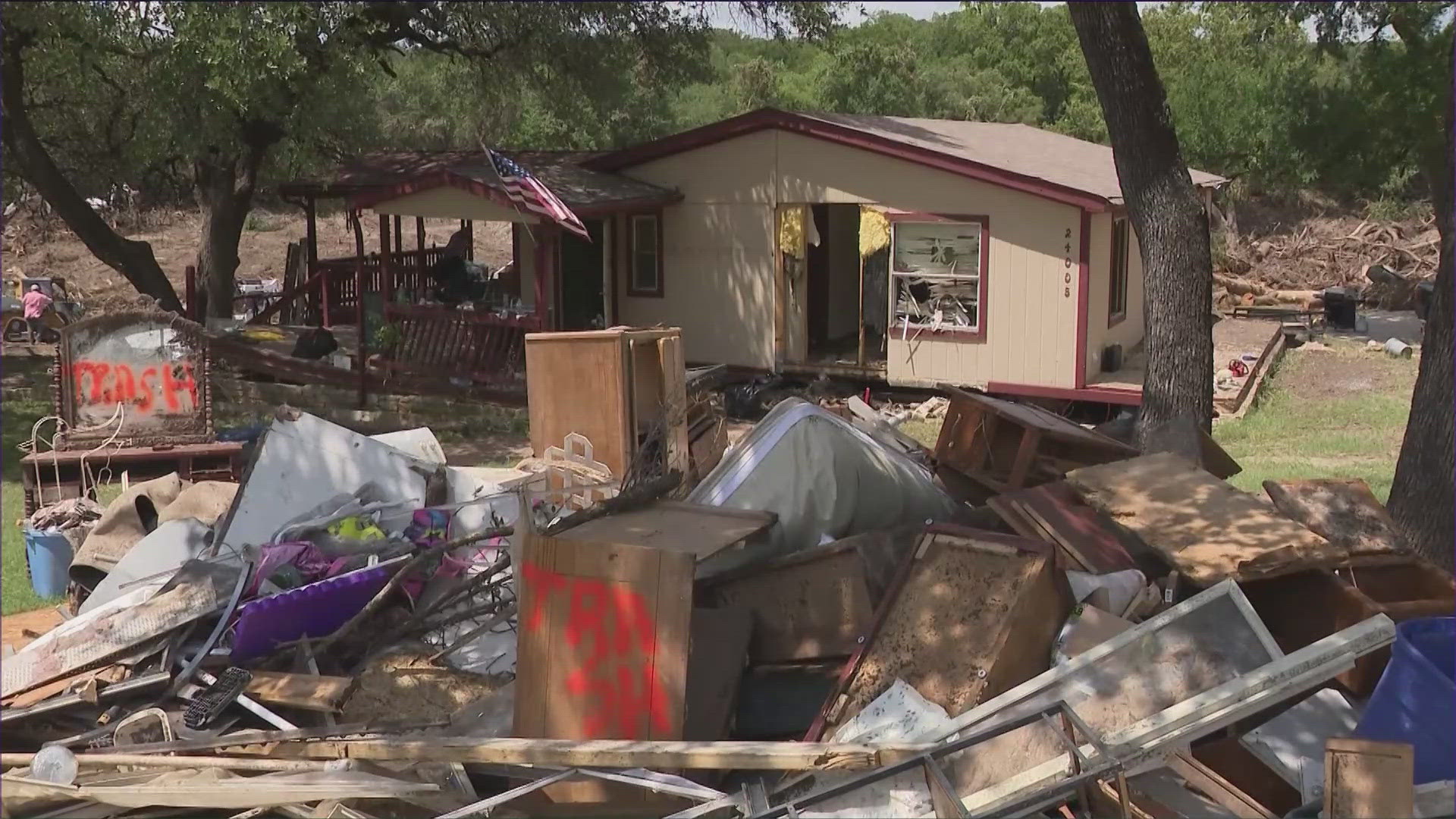
Travis County typically sets up specific curbside pickup schedules following a disaster. Residents are required to separate debris into five distinct piles:
- Vegetative Debris: Tree limbs, branches, and plants.
- Construction & Demolition: Drywall, lumber, carpet, and shingles.
- White Goods: Refrigerators, freezers, and air conditioners (units containing Freon must be handled carefully).
- Hazardous Waste: Paint, batteries, pesticides, and cleaning supplies.
- Electronics: Televisions, computers, and monitors.
Mixing these piles can result in the debris being left behind by municipal crews, as different disposal sites handle different categories of waste.
Legal and Insurance Considerations
Flood insurance claims are distinct from standard homeowners' insurance. Most standard policies do not cover rising groundwater.
The National Flood Insurance Program (NFIP)
If you have an NFIP policy, you must file a "Proof of Loss" statement within 60 days of the flood, though this deadline is sometimes extended by FEMA following major events. The Proof of Loss is a formal document that states the amount you are claiming and includes supporting documentation.
- Actual Cash Value (ACV) vs. Replacement Cost Value (RCV): Most personal property is covered at ACV (depreciated value), while the structure may be covered at RCV if it is your primary residence and insured to at least 80% of its value.
- Legal Recourse: If you disagree with your insurance settlement, you can seek a formal appraisal or file an administrative appeal with FEMA. Legal counsel specializing in disaster law can be beneficial if there are disputes over "earth movement" versus "hydrostatic pressure" damage.
Disclaimer: This information is for educational purposes and does not constitute legal or financial advice. Residents should consult with licensed professionals regarding specific claims or legal rights.
Frequently Asked Questions
Does Travis County offer property tax relief for flood victims?
Yes, under Texas Tax Code Section 11.35, property owners may be eligible for a temporary tax exemption for qualified property damaged by a disaster. The Chief Appraiser of the Travis Central Appraisal District (TCAD) must determine the damage level, which is rated on a scale of Level I to Level IV. Applications must typically be filed within 105 days of the Governor declaring the area a disaster.
How do I check if my home is on the buyout list for 2026?
Residents should visit the Travis County Transportation and Natural Resources (TNR) website or the City of Austin’s Watershed Protection portal. These entities maintain interactive maps showing "active buyout areas." If your home is not in a currently funded area, you can request a "Flood Risk Assessment" to be considered for future grant cycles.
I am a renter; what help is available for me?
Renters are eligible for FEMA Individual Assistance to cover the loss of personal property and to pay for "Disaster-Related Unemployment" or "Relocation Expenses." Renters are encouraged to carry separate Renter's Flood Insurance, as the landlord’s policy only covers the building structure, not the tenant's belongings.
What should I do if my car was flooded in Travis County?
If you have comprehensive auto insurance, your vehicle is likely covered. Document the water line inside the cabin and do not attempt to start the engine, as this can cause permanent mechanical failure. FEMA may provide assistance for vehicle repair or replacement if you can prove the vehicle is essential for work or daily life and you lack insurance.
How can I verify a contractor's legitimacy during recovery?
Post-disaster "scams" are common. Always ensure a contractor is registered to work in the City of Austin or Travis County. Demand a written contract, never pay the full amount upfront, and check for a physical business address. You can verify licenses through the Texas Department of Licensing and Regulation (TDLR).
Next Steps for Recovery
If you have been impacted by flooding in Travis County, your immediate priority is to register with WarnCentralTexas.org to receive ongoing emergency updates. Simultaneously, initiate your insurance claim and document every interaction with recovery officials. For those experiencing immediate housing instability, contact 2-1-1 Texas to find the nearest emergency shelter or Disaster Recovery Center (DRC) currently operating in the Austin area.
Image Gallery