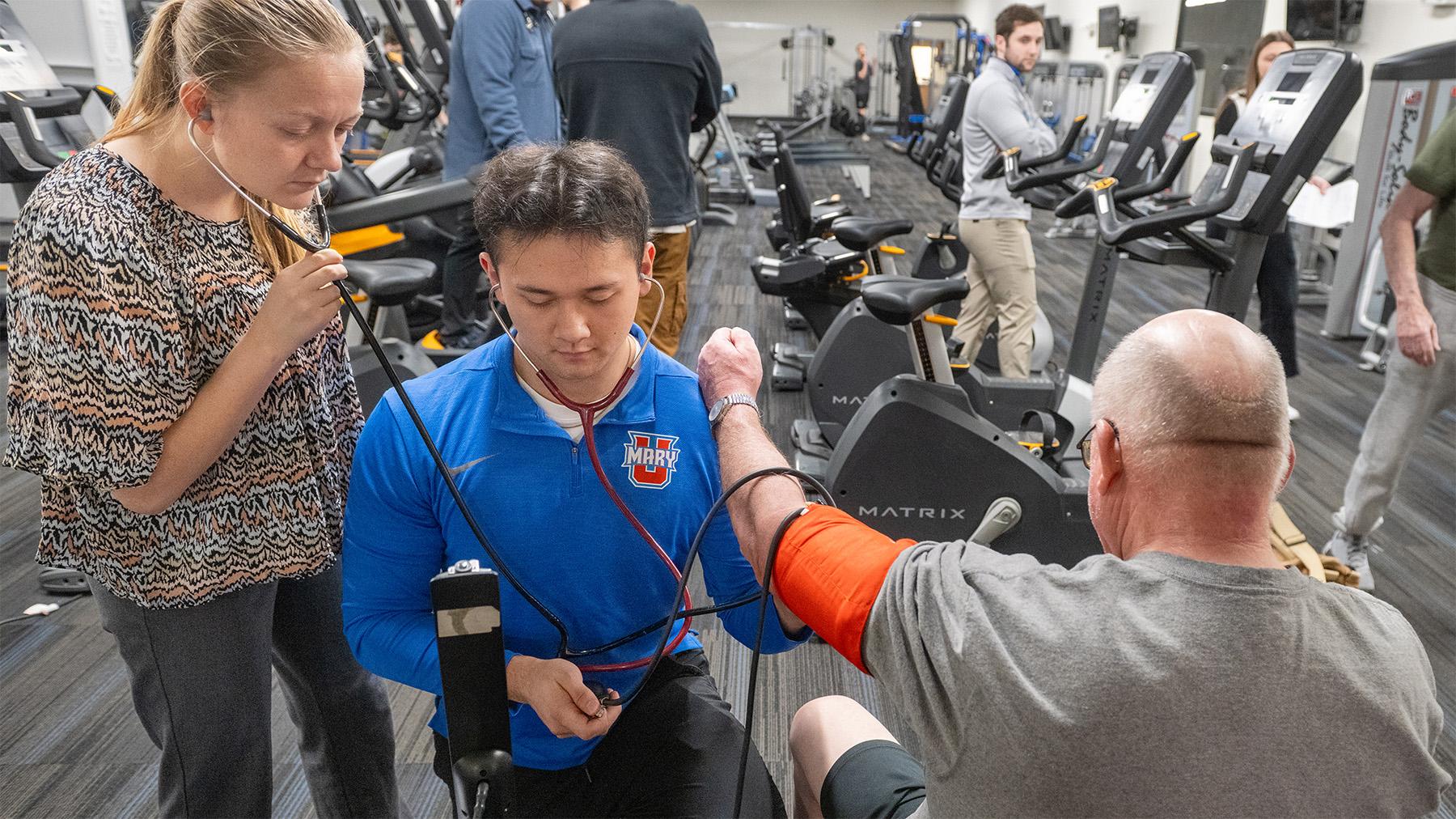
Elijah Bono: Epidemiologist and University Health Advocate
Elijah Bono serves as a bridge between complex epidemiological research and practical campus-wide public health implementation. By integrating data-driven methodology with institutional advocacy, he addresses the unique health challeng...
Elijah Bono serves as a bridge between complex epidemiological research and practical campus-wide public health implementation. By integrating data-driven methodology with institutional advocacy, he addresses the unique health challenges inherent in high-density university environments, focusing on infectious disease mitigation, mental health resource allocation, and the long-term sustainability of collegiate wellness programs.
Contents
The Intersection of Epidemiology and Institutional Health
The role of an epidemiologist within an academic setting has shifted significantly in recent years. No longer relegated solely to research laboratories or public health departments, professionals like Elijah Bono are increasingly integral to the operational infrastructure of universities. An epidemiologist in this context acts as the primary analyst for health trends within a confined, highly mobile population.
When a university functions as a closed ecosystem, the rapid transmission of pathogens and the volatility of student health indicators require a specialized approach. Epidemiologists translate raw data—such as vaccination rates, local disease prevalence, and campus-wide stress markers—into actionable policy. They move beyond descriptive statistics to perform predictive modeling, which helps university administrators anticipate surges in illness or shifts in demand for student health services.
Core Responsibilities of a University Health Advocate
As an advocate for university health, Bono’s work encompasses far more than disease tracking. It involves navigating the bureaucratic and social layers of an academic institution to ensure that health policies are not just theoretically sound but culturally acceptable and logistically feasible.
Infectious Disease Surveillance and Mitigation
At the core of his work is the management of infectious disease risks. University campuses are naturally prone to the rapid spread of respiratory viruses and seasonal illnesses due to dense living conditions in dormitories and constant interaction in shared learning spaces. A university health advocate must:
- Establish Surveillance Systems: Implement wastewater monitoring and clinical reporting systems to identify outbreaks before they reach critical mass.
- Coordinate Vaccination Initiatives: Develop strategies to reach high compliance levels for mandatory and recommended immunizations.
- Outbreak Response Planning: Create scalable protocols that can be activated instantly to isolate cases, communicate with the student body, and maintain educational continuity during public health events.
Mental Health and Systemic Well-being
Beyond infectious diseases, the modern health advocate addresses the crisis of mental health on campus. Research indicates that the transition to higher education is a high-risk period for the onset of psychiatric disorders and chronic stress. Bono’s approach typically involves integrating mental health screenings into standard student health check-ins, thereby destigmatizing access to care and ensuring that resources are distributed based on actual need rather than reactive service requests.
Data-Driven Decision Making in Academic Settings
The primary challenge in university health is balancing individual privacy with the collective safety of the student population. Epidemiologists use aggregate data to inform decisions, ensuring that no individual student’s health history is exposed, while still providing the administration with a clear picture of campus wellness.
Comparative Framework for Campus Health Strategies
Effective health advocacy relies on comparing disparate variables to determine resource allocation. The following table illustrates the key focus areas that an epidemiologist must balance when advising university leadership.
| Focus Area | Primary Metric | Typical Goal | Intervention Type |
|---|---|---|---|
| Infectious Disease | R0 (Reproduction Number) | Below 1.0 | Vaccination/Isolation |
| Student Mental Health | PHQ-9/GAD-7 Scores | Improved access/stability | Peer support/Counseling |
| Physical Infrastructure | Air Exchange/HVAC Data | ASHRAE compliance | Engineering controls |
| Preventive Care | Engagement Rate (%) | Increasing baseline care | Campus outreach |
Prerequisites and Professional Requirements
Pursuing a career path similar to that of Elijah Bono requires a rigorous combination of clinical training and administrative expertise. Prospective health advocates in the academic sector typically follow a structured professional trajectory.
Educational Foundation
Most professionals in this role hold at least a Master of Public Health (MPH) with a concentration in epidemiology. Many institutions now prefer or require a Doctor of Public Health (DrPH) or a PhD, as these degrees provide the intensive training in biostatistics and study design necessary to defend health policy changes to university boards, faculty senates, and skeptical student groups.
Essential Skill Sets
- Biostatistical Proficiency: Mastery of software such as R, Python, or SAS is essential for manipulating large datasets generated by campus health centers.
- Communication and Advocacy: The ability to explain complex statistical models to non-scientists (such as university donors or parents) is perhaps the most important soft skill for an advocate.
- Knowledge of HIPAA and FERPA: Navigating the complex intersection of the Health Insurance Portability and Accountability Act (HIPAA) and the Family Educational Rights and Privacy Act (FERPA) is a critical requirement for any administrator working with student health data.
Common Challenges and Troubleshooting
Even with a robust strategy, implementing public health initiatives on a campus is prone to obstacles. One common issue is "communication friction," where student populations may resist mandatory protocols or feel alienated by top-down directives.
To troubleshoot this, advocates focus on transparency. When a new health policy is introduced—such as a change to campus visitation rules or mandatory health check-ins—it must be accompanied by a clear "why" based on data. If resistance remains high, advocates like Bono often look for community-led solutions, such as partnering with student government organizations to lead health education campaigns, which are often more effective than administrative mandates.
Another technical challenge involves longitudinal data tracking. Students graduate or leave the institution, which creates gaps in long-term health records. Establishing a standardized longitudinal database that allows for anonymized tracking over a student’s four-to-six-year tenure is a significant undertaking that requires constant cooperation between the IT department and the health services team.
FAQs: Understanding the Role of Academic Epidemiologists
1. How does a university epidemiologist differ from a hospital epidemiologist? A hospital epidemiologist focuses primarily on controlling healthcare-associated infections within a clinical setting. A university epidemiologist manages the health of a population that lives, eats, and learns in a communal environment, requiring a broader focus on community wellness, mental health, and policy implementation rather than just clinical containment.
2. Is there a specific certification for a university health advocate? While there is no single "University Health Advocate" certification, most professionals hold the Certified in Public Health (CPH) credential. Specialization is typically achieved through professional experience in higher education settings rather than a specific degree title.
3. What role does technology play in campus disease tracking? Technology, specifically real-time data visualization and automated alert systems, is crucial. Modern universities use dashboarding tools that integrate data from on-campus testing sites and infirmaries to provide a real-time heat map of health trends across campus zones.
4. Can students opt out of health data collection? In most cases, aggregate data used for population-level health trends is anonymized, meaning individual opt-outs are not applicable for broad surveillance. However, students always maintain the right to keep their specific clinical records private from non-health personnel under standard medical privacy regulations.
5. How do these advocates influence university budget decisions? By demonstrating the potential cost savings of preventative health (e.g., lower absenteeism, fewer emergency medical evacuations), these professionals justify the budget for wellness centers and health infrastructure to university finance committees.
Next Steps for Stakeholders
For university administrators and public health students looking to emulate the success of institutional advocates, the first step is the creation of a "Data-to-Action" pipeline. Review existing institutional data streams to identify gaps—such as the lack of a standardized mental health screening tool or outdated infectious disease reporting protocols.
Collaboration should be the priority. An epidemiologist cannot work in a silo; they must build formal channels with the office of the provost, the dean of students, and the faculty senate. By centering health as an essential component of academic success, these advocates ensure that the institutional mission of education is protected by a foundation of public health security.
Image Gallery