Comprehensive Guide to Oracle NetSuite ERP in 2026: Architecture, Capabilities, and Strategic Implementation
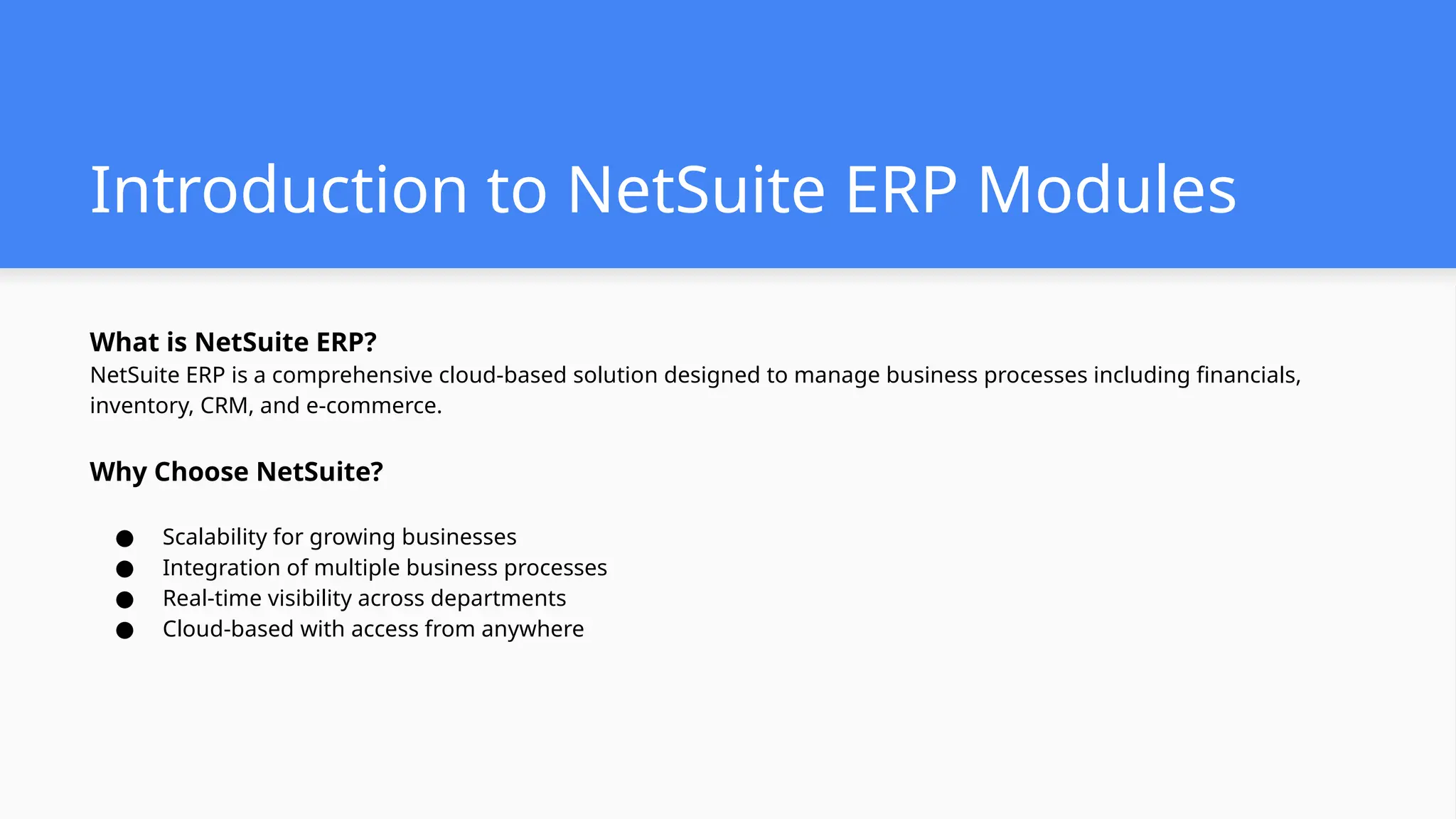
Enterprise Resource Planning has evolved far beyond traditional ledger-keeping into an intelligent, cloud-native operational backbone. Oracle NetSuite ERP remains a dominant force for scaling organizations navigating complex global mar...
Enterprise Resource Planning has evolved far beyond traditional ledger-keeping into an intelligent, cloud-native operational backbone. Oracle NetSuite ERP remains a dominant force for scaling organizations navigating complex global markets, supply chain shifts, and compliance mandates. Selecting and deploying a cloud enterprise platform requires deep technical alignment with modern financial controls, database architecture, and organizational workflows.
Contents
The Evolution of Cloud ERP Architecture in 2026
Modern enterprise software infrastructure relies heavily on multi-tenant cloud environments designed to deliver continuous updates without disrupting daily business operations. NetSuite utilizes a single-database design where all operational modules—ranging from core accounting to customer relationship management and inventory—operate on a unified data schema. This architecture eliminates traditional data silos that plague legacy on-premise systems, ensuring that a transaction in the warehouse instantaneously updates financial ledgers and revenue recognition schedules.
In 2026, organizations must balance high availability with stringent data residency requirements. The platform provides localized data centers, robust role-based access controls (RBAC), and multi-factor authentication (MFA) frameworks natively integrated into the user session lifecycle.
Core Infrastructure Benefits: Unified data models prevent synchronization errors, eliminate batch-processing delays, and guarantee that executive dashboards pull real-time metrics directly from transactional entry points.
Core Functional Modules and Technical Specifications
Deploying an enterprise resource planning system requires mapping organizational units to specific functional modules. NetSuite provides an extensive suite tailored to distinct operational departments:
- Financial Management: Automated general ledgers, accounts payable and receivable, fixed asset management, and advanced revenue management (ARM) compliant with ASC 606 standards.
- Supply Chain and Inventory Management: Multi-location inventory tracking, demand planning algorithms, barcode scanning integration, and automated reorder point calculations.
- Global Business Management (OneWorld): Multi-currency consolidation, intercompany eliminations, global tax engine integrations, and localized compliance reporting across multiple jurisdictions.
- Production Control: Work order management, bill of materials (BOM) versioning, shop floor routing, and capacity planning.
Strategic Implementation Lifecycle and Methodology
Deploying a cloud enterprise platform requires a disciplined methodology to mitigate operational risk and user adoption friction. The standard deployment framework typically spans several distinct phases, each carrying specific technical deliverables.
- Project Initiation and Scope Definition: Establishing the steering committee, defining project milestones, and finalizing the business requirements document (BRD).
- System Configuration and Prototype Design: Configuring the foundational chart of accounts, user roles, subsidiaries, and initial workflow parameters within a sandbox environment.
- Data Migration and Cleansing: Extracting historical data from legacy systems, transforming fields to match NetSuite schemas, and executing test loads to validate relational integrity.
- User Acceptance Testing (UAT) and Training: Executing end-to-end business scenarios, documenting operational exceptions, and training key super-users on daily processing tasks.
- Go-Live and Post-Production Support: Transitioning live transaction entry to the production environment accompanied by hypercare monitoring to resolve immediate user roadblocks.
Comparative Analysis: NetSuite ERP vs. Traditional On-Premise Solutions
Evaluating enterprise software requires weighing infrastructure investments against operational flexibility. The following comparison highlights structural differences between modern cloud platforms and legacy models.
| Evaluation Metric | Oracle NetSuite Cloud ERP | Traditional On-Premise ERP |
|---|---|---|
| Deployment Infrastructure | Multi-tenant cloud (SaaS) hosted by vendor | On-site physical servers or dedicated private data centers |
| Upgrade Cycle | Automatic biannual updates with zero downtime | Manual, highly disruptive upgrade projects every 3 to 5 years |
| Customization Framework | SuiteCloud platform (SuiteScript, SuiteFlow) with upgrade safety | Direct database modifications and custom source code changes |
| Remote Access Capabilities | Native browser-based access with secure mobile applications | Requires complex VPN configurations and third-party remote desktop tools |
| Total Cost of Ownership | Predictable subscription model (OPEX) with minimal hardware overhead | High upfront capital expenditure (CAPEX) for hardware, licenses, and IT staff |
Customization and Extensibility: Leveraging the SuiteCloud Platform
Standard configurations rarely cover every nuance of specialized industries. NetSuite provides a robust development framework known as SuiteCloud, allowing administrators and developers to extend native functionality safely without breaking core upgrade paths.
- SuiteScript: A JavaScript-based development environment enabling client-side and server-side scripting for complex business logic, custom calculations, and external API integrations.
- SuiteFlow (Workflow Management): A visual workflow builder that allows administrators to automate approval chains, mandatory field rules, and email alerts without writing raw code.
- SuiteTalk (Web Services): Comprehensive REST and SOAP web services facilitating seamless integration with third-party logistics (3PL) providers, point-of-sale (POS) systems, and specialized e-commerce storefronts.
Professional Best Practices for Maximizing System ROI
Achieving long-term value from an enterprise deployment demands ongoing governance and proactive optimization. Organizations should implement these core strategies:
- Enforce Strict Change Management: Document every custom script, workflow, and integration to prevent system bloat and ease future upgrade testing.
- Prioritize Continuous Education: Designate internal champions who stay updated on new biannual release features, applying newly deployed tools to existing operational bottlenecks.
- Audit User Permissions Regularly: Conduct quarterly reviews of role-based access controls to maintain strict compliance adherence and protect sensitive financial data.
Frequently Asked Questions
What is Oracle NetSuite ERP?
Oracle NetSuite ERP is a comprehensive, cloud-based business management platform that unifies core functions including financials, inventory, CRM, and order management into a single system. It provides real-time visibility and operational control for growing and enterprise-level organizations.
How are system upgrades handled in NetSuite?
NetSuite delivers automatic biannual updates directly to the cloud environment, ensuring all customers run the latest software version without requiring disruptive, manual infrastructure migrations. Customizations built within the SuiteCloud framework are designed to remain compatible across these updates.
Can NetSuite handle multi-entity and multi-currency operations?
Yes, through its OneWorld module, NetSuite natively manages multiple subsidiaries, currencies, taxation rules, and legal entities with automated financial consolidation and intercompany eliminations. This makes it ideal for multinational corporations and expanding global enterprises.
What database technology powers NetSuite?
NetSuite operates on a high-performance relational database architecture hosted within secure Oracle cloud data centers, ensuring enterprise-grade data security, high availability, and rapid transaction processing speeds.
How does NetSuite integrate with external applications?
NetSuite provides extensive integration capabilities using SuiteTalk web services, RESTful APIs, and pre-built connectors for popular e-commerce, payment gateway, and human capital management platforms. This allows organizations to build a unified technology ecosystem around their core ERP.
What is the typical implementation timeline for NetSuite?
Implementation timelines vary based on organizational complexity, data volume, and module scope, typically ranging from three to six months for standard mid-market deployments. Proper resource allocation and structured project governance are critical to meeting target go-live dates.
Image Gallery