The Children of Lee Van Cleef: Family Legacy of a Cinematic Icon
Lee Van Cleef had three biological children: Alan, Deborah, and David Van Cleef. All three were born during his first marriage to his high school sweetheart, Patsy Ruth Kahle, which lasted from 1943 to 1960. Despite his three subsequen...
Lee Van Cleef had three biological children: Alan, Deborah, and David Van Cleef. All three were born during his first marriage to his high school sweetheart, Patsy Ruth Kahle, which lasted from 1943 to 1960. Despite his three subsequent marriages, he did not have any additional biological children later in life.
Contents
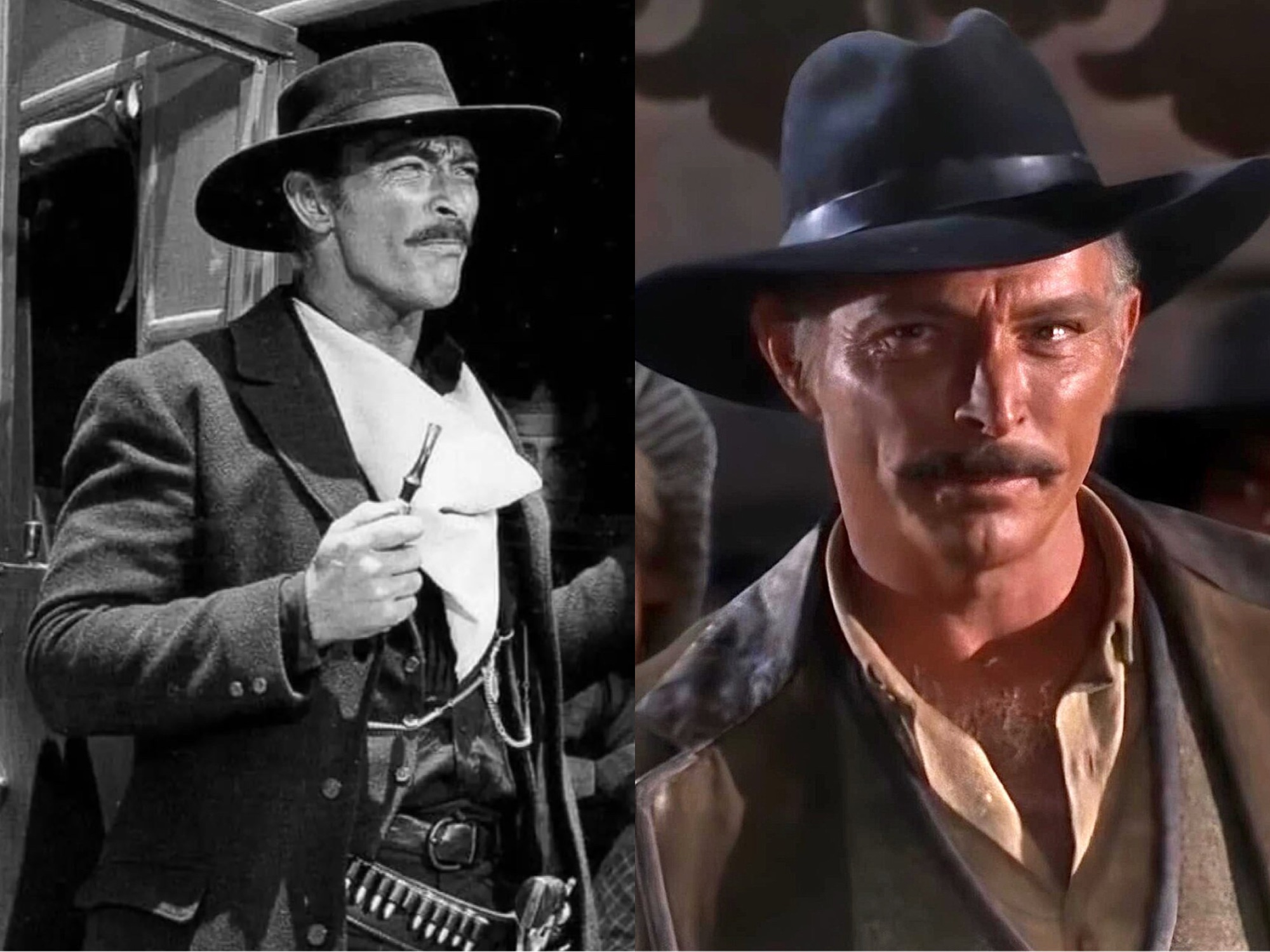
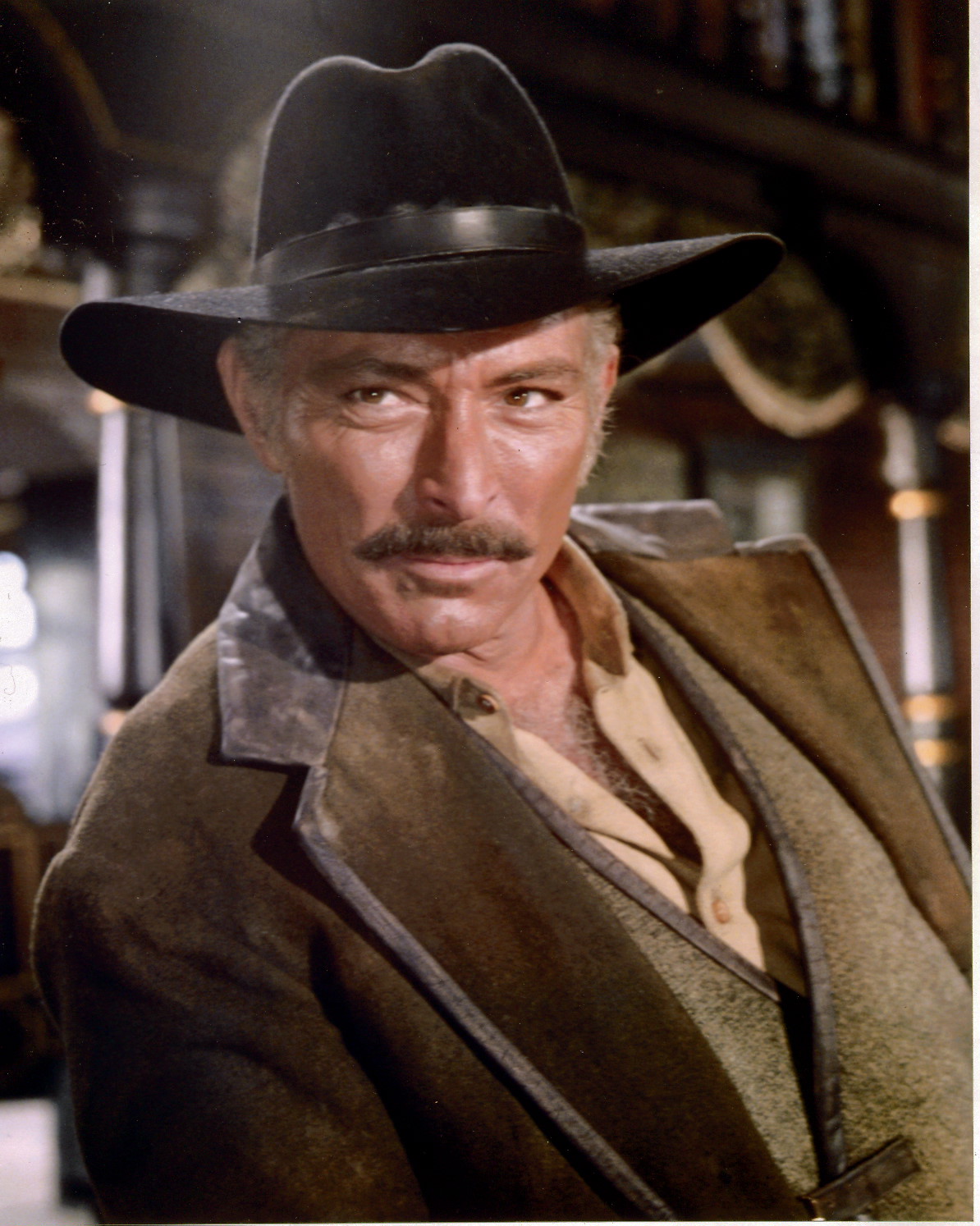
Lee Van Cleef is immortalized in film history as the ultimate "anti-hero" and "bad man" of the Spaghetti Western genre. With his piercing "hawk-like" eyes and sharp features, he became a global sensation in the 1960s. However, behind the menacing screen presence of "Angel Eyes" or "Colonel Mortimer" was a man whose personal life was defined by the complexities of Hollywood fame, a near-career-ending accident, and a commitment to his three children born during the formative years of his career.
The Early Years and First Marriage to Patsy Ruth Kahle
To understand the environment in which Lee Van Cleef’s children were raised, one must look at his early life in Somerville, New Jersey. Born Clarence LeRoy Van Cleef Jr. in 1925, he served in the United States Navy during World War II before pursuing acting. In 1943, he married Patsy Ruth Kahle. This union occurred just as Van Cleef was transitioning from military service into the uncertain world of regional theater and, eventually, Hollywood.
During their seventeen-year marriage, Patsy and Lee welcomed three children:
- Alan Van Cleef: Born in 1947, Alan was the firstborn. He grew up during the initial phase of his father’s career when Lee was frequently cast as a background villain in classic Westerns like High Noon (1952).
- Deborah Van Cleef: Born in 1948, Deborah was the only daughter. Her early childhood coincided with her father’s rising recognition as a reliable "heavy" in Hollywood.
- David Van Cleef: Born in 1952, David was the youngest. His birth arrived around the time his father was becoming a staple of the American Western television and film circuit.
The family life of the Van Cleefs in the 1950s was not one of immense wealth. While Lee was working steadily, he was often a character actor rather than a leading man. This meant the children grew up in a household where the father was a working professional rather than a pampered superstar.
The 1958 Car Accident and Its Impact on the Family
A pivotal moment for the Van Cleef children occurred in 1958. While driving in California, Lee Van Cleef was involved in a severe car accident that resulted in a shattered knee. At the time, doctors told him he might never ride a horse again—a devastating prognosis for a Western actor.
For the three children—Alan, Deborah, and David—this period marked a significant shift in their father’s presence. The accident led to a sharp decline in acting offers, forcing Van Cleef to step away from the cameras for several years. To support his family during this lean period, Lee took up work as a house painter and interior decorator.
This era is often highlighted by biographers as a testament to Van Cleef’s character. His children witnessed their father transition from a Hollywood actor to a manual laborer to ensure their financial stability. This period of struggle preceded his eventual divorce from Patsy Ruth Kahle in 1960, a transition that fundamentally altered the family structure just as the children were entering their teenage years.
The Rise of the Spaghetti Western and the "Absent" Father
In the mid-1960s, Lee Van Cleef’s career underwent a miraculous resurrection. Director Sergio Leone, seeking an actor to star opposite Clint Eastwood in For a Few Dollars More (1965), rediscovered Van Cleef. This launched the "Spaghetti Western" era, which required Lee to spend significant amounts of time filming in Almería, Spain, and Rome, Italy.
By this time, his children were older:
- Alan was entering adulthood.
- Deborah was in her late teens.
- David was a young teenager.
Because the majority of Lee’s most successful work happened in Europe, his children largely remained in the United States. This geographical distance created a dichotomy in their lives: their father was becoming a massive international superstar, yet he was physically distant for long stretches of time. While Lee’s second marriage to Joan Marjorie Drane (1960–1974) and his third marriage to Barbara Havelone (1976–1989) defined his later personal life, his primary biological connection remained with the children from his first marriage.
Comparison of Lee Van Cleef’s Marriages and Family Structure
The following table outlines the timeline of Lee Van Cleef’s domestic life and the distribution of his family responsibilities across his three decades of fame.
| Spouse | Years Married | Children (Biological) | Context of the Relationship |
|---|---|---|---|
| Patsy Ruth Kahle | 1943–1960 | Alan, Deborah, David | High school sweethearts; covered his early career and the 1958 accident. |
| Joan Marjorie Drane | 1960–1974 | None | Covered the height of his Spaghetti Western fame in Europe. |
| Barbara Havelone | 1976–1989 | None | His final marriage; she remained with him until his death in Oxnard, CA. |
Privacy and the Post-Career Lives of the Children
Unlike the children of other Hollywood icons like Clint Eastwood or John Wayne, the Van Cleef children—Alan, Deborah, and David—have largely chosen to stay out of the public eye. They did not pursue high-profile acting careers, nor did they seek the limelight that often follows celebrity offspring.
This privacy has led to a lack of public "tabloid" information regarding their adult lives, which reflects the more reserved, professional nature that Lee Van Cleef himself maintained. While Lee was known for his sharp appearance and "tough guy" exterior, he was described by those close to him as a man who enjoyed simple hobbies, such as painting and building model ships, when he wasn't on set. It is likely that this preference for a quiet personal life influenced his children’s decision to remain private citizens.
By the time of Lee Van Cleef's death in December 1989 due to a heart attack, his children were well into their adult lives. They inherited the legacy of a father who had been both a global icon and a man who once painted houses to keep them fed.
The Van Cleef Heritage and Cultural Impact
In 2026, the fascination with Lee Van Cleef remains potent among film historians and fans of the Western genre. The Van Cleef name is synonymous with a specific era of "Cool" in cinema. For his children, this legacy is twofold.
First, there is the professional legacy. Lee Van Cleef appeared in over 170 film and television productions. His distinct look has been parodied and paid tribute to in everything from Quentin Tarantino films to the character design of "Cad Bane" in the Star Wars universe. His children are the primary heirs to this cultural footprint.
Second, there is the personal legacy. Despite the divorces and the periods of absence during overseas filming, the children remained the central biological lineage of the Van Cleef name. While Lee had a stepdaughter through his second marriage (Joan Drane), his relationship with Alan, Deborah, and David represented his direct connection to his New Jersey roots and his life before the "Man with No Name" trilogy transformed him into a legend.
Common Questions Regarding Lee Van Cleef’s Family
Did Lee Van Cleef have children with his third wife, Barbara?
No. Lee Van Cleef and Barbara Havelone, who was a concert pianist, did not have any children together. They were married for 13 years until his death in 1989. Barbara was instrumental in managing his affairs and health during his later years in Oxnard, California.
Are any of Lee Van Cleef's children actors?
None of his children pursued acting as a primary career. While many celebrity children in the 1960s and 70s attempted to follow their parents into Hollywood, Alan, Deborah, and David chose to maintain private lives away from the entertainment industry.
How many times was Lee Van Cleef married?
Lee Van Cleef was married three times. His first marriage was to Patsy Ruth Kahle (1943–1960), his second to Joan Marjorie Drane (1960–1974), and his third to Barbara Havelone (1976–1989). All of his biological children came from his first marriage.
What happened to Lee Van Cleef’s estate after his death?
Upon his death in 1989, his estate was primarily managed by his widow, Barbara Havelone. The children from his first marriage remained his legal heirs. Over the decades, the estate has authorized various commemorative releases and handled the licensing of his image for documentaries and retrospective collections.
Did the 1958 accident affect his relationship with his children?
While the accident was a period of extreme financial stress, it is often cited as a time when Lee was most "present" as a father because he was unable to work on film sets. He spent those years in California working manual labor jobs, which allowed him to be home with Alan, Deborah, and David during their formative years.
Final Perspective on the Van Cleef Family
The story of Lee Van Cleef’s children is a reminder that even the most stylized and larger-than-life screen legends have grounded, human foundations. Alan, Deborah, and David Van Cleef grew up during a transformation of the American film industry, witnessing their father’s rise, fall, and spectacular rebirth. While they have chosen a life of privacy, their existence remains a vital part of the history of one of cinema’s most enduring figures.
For those looking to explore the history of the Van Cleef family further, focusing on his early years in New Jersey and his initial decade in Hollywood (1950–1960) provides the most insight into his role as a father and the environment in which his children were raised.
Image Gallery