How to Fix Your Credit Rating
Fixing your credit rating requires a structured approach involving checking your credit reports for errors, paying down revolving debt, disputing inaccuracies with credit bureaus, and establishing a consistent history of on-time paymen...
Fixing your credit rating requires a structured approach involving checking your credit reports for errors, paying down revolving debt, disputing inaccuracies with credit bureaus, and establishing a consistent history of on-time payments over several months.
Contents
Your credit rating is one of the most critical financial metrics in your personal life. It influences your ability to secure an apartment, purchase a vehicle, obtain a mortgage, and even secure employment or favorable insurance rates. When your credit score drops due to missed payments, high credit utilization, or errors on your credit report, it can feel like an insurmountable barrier. However, credit ratings are dynamic and designed to reflect your current financial behavior rather than define you permanently.
Repairing a damaged credit score does not happen overnight, nor does it require paying expensive third-party credit repair companies to do things you can easily do yourself. By understanding how credit scoring models work, systematically identifying negative marks, exercising your legal rights to dispute errors, and implementing disciplined debt management habits, you can steadily rebuild your credit health.
Understanding How Credit Ratings Work
Before diving into the mechanics of fixing your credit rating, you must understand the underlying components that build or break your score. Major credit scoring models, such as FICO and VantageScore, evaluate your credit history using data compiled by nationwide credit reporting agencies (commonly known as credit bureaus). While scoring formulas are proprietary, the general weightings of what makes up a credit score are well documented.
Payment history constitutes the largest portion of your credit score, typically accounting for about 35% of the total calculation. Lenders want to know whether you pay your bills on time. Conversely, amounts owed—frequently referred to as credit utilization—make up approximately 30% of your score. This metric measures how much available credit you are currently using compared to your total credit limits.
The remaining portions of your credit score are comprised of the length of your credit history (15%), new credit inquiries and recently opened accounts (10%), and the types of credit accounts you hold, such as revolving credit cards and installment loans (10%). Understanding these percentages tells you precisely where to direct your energy. Focusing heavily on payment history and credit utilization yields the fastest and most dramatic improvements to a lagging credit rating.
Step 1: Obtain and Review Your Credit Reports
The foundational step in fixing your credit rating is pulling your official credit reports from the major credit reporting bureaus. Under federal law in many jurisdictions, consumers are entitled to free periodic copies of their credit reports. Reviewing these reports allows you to see the exact data lenders evaluate when reviewing your loan or credit card applications.
When your credit reports arrive, examine every line item with meticulous care. Look for the following common errors:
- Account status errors: Accounts listed as late or delinquent when you paid them on time.
- Incorrect balances: Credit limits or current balances that do not match your actual financial standing.
- Duplicate accounts: The same debt listed multiple times by different collection agencies.
- Identity errors: Accounts belonging to someone else with a similar name, or fraudulent accounts opened due to identity theft.
- Aged negative data: Negative marks, such as standard late payments or settled accounts, that remain on your report past the legal statutory reporting window (typically seven years for most negative items and ten years for Chapter 7 bankruptcy).
| Credit Report Element | What to Look For | Action Required If Incorrect |
|---|---|---|
| Personal Information | Misspelled names, old addresses, incorrect phone numbers | File an update with the credit bureau to prevent mixed files. |
| Payment History | Incorrectly marked late payments on active accounts | Gather bank statements proving on-time payment and dispute with the bureau. |
| Account Balances | Inflated credit card balances or closed accounts listed as open | Contact the original creditor to update data or file a bureau dispute. |
| Inquiries | Unauthorized hard inquiries from lenders you never applied with | Dispute the inquiry as unauthorized and check for potential identity theft. |
Step 2: Dispute Inaccuracies and Errors
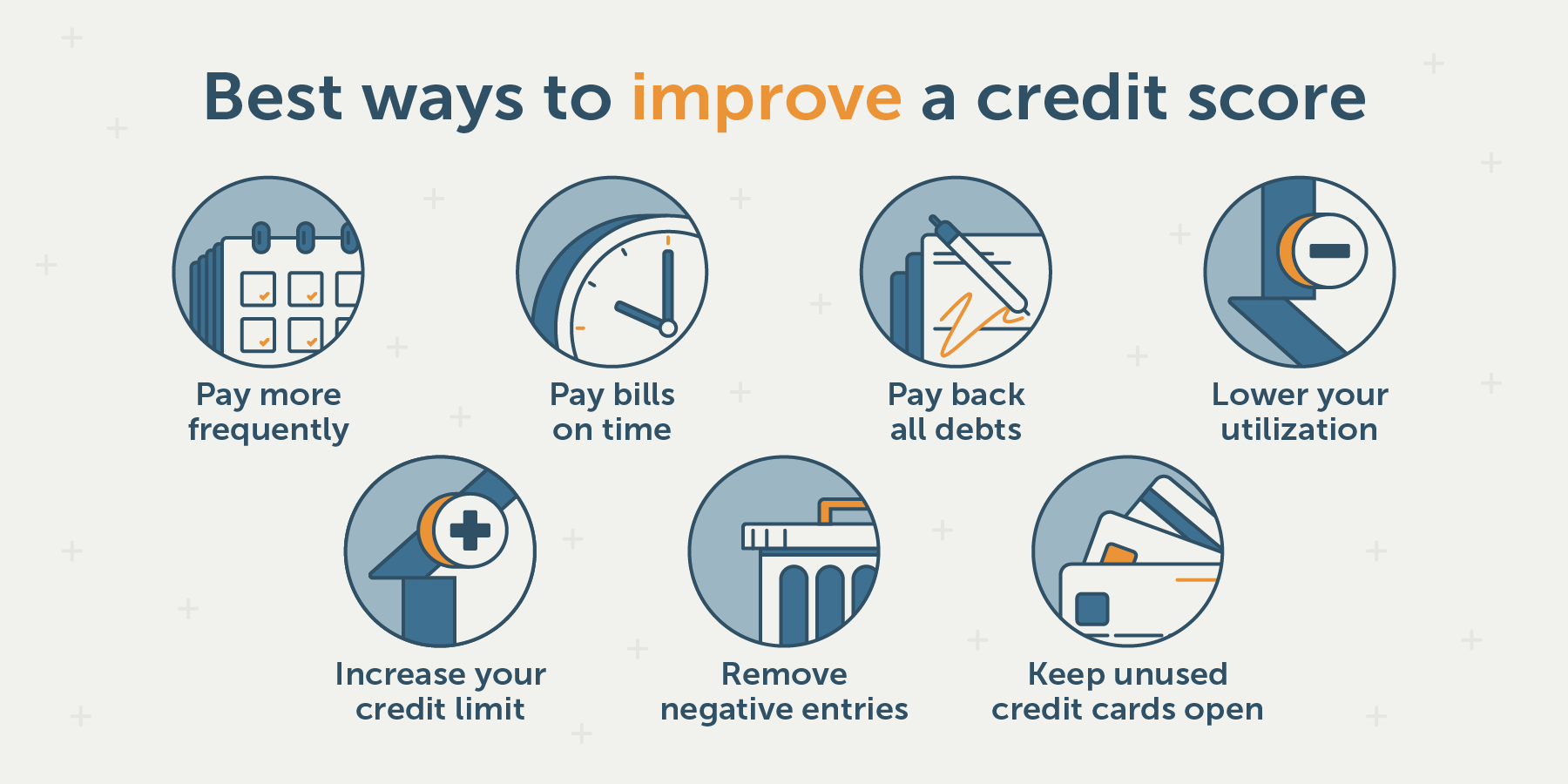
If you discover mistakes or fraudulent entries during your credit report review, you have the legal right to challenge them. Disputing errors is entirely free and can be accomplished online, by phone, or via certified mail through the respective credit bureau (Equifax, Experian, or TransUnion).
To maximize the success of your dispute, gather robust supporting documentation. If a creditor claims you missed a payment in March 2024, but your bank statements show the payment cleared on time, include copies of those statements. Clearly identify the specific item you are challenging, explain why it is inaccurate, and request that the item be corrected or removed entirely.
Under standard regulatory guidelines, credit bureaus typically have 30 to 45 days to investigate your dispute, contact the creditor who furnished the data, and respond to your findings. If the creditor cannot verify the accuracy of the information, or fails to respond within the statutory timeframe, the bureau must remove or correct the item. Additionally, it is wise to contact the data furnisher (the specific lender or collection agency) directly to dispute the error with them concurrently.
Step 3: Lower Your Credit Utilization Ratio
If your credit reports are accurate but your score remains low due to high debt balances, managing your credit utilization is your most effective lever for short-term improvement. Your credit utilization ratio is calculated by dividing your total revolving debt balances by your total revolving credit limits.
Financial experts generally recommend keeping your overall credit utilization below 30%, though keeping it below 10% yields optimal credit score results. For example, if you have a total credit card limit of $10,000 across all your cards, your total balance should ideally remain below $3,000, and preferably under $1,000.
Effective Debt-Reduction Strategies
- The Debt Avalanche Method: Focus your extra cash payments on the debts carrying the highest interest rates while paying the minimums on everything else. This minimizes the total interest you pay over time.
- The Debt Snowball Method: Target your smallest balance debts first, paying them off completely for psychological wins before rolling those payments into larger balances.
- Strategic Mid-Cycle Paydowns: Credit card companies typically report your balance to the credit bureaus once a month, usually around your statement closing date rather than your payment due date. Making multiple payments throughout the month keeps your reported balance artificially low, even if you charge and pay off expenses regularly.
Step 4: Establish a Flawless Payment History
Because payment history makes up the largest segment of your credit score, preventing future delinquencies is non-negotiable. A single recent 30-day late payment can severely damage an otherwise healthy credit rating.
To ensure you never miss a due date again, automate your finances wherever possible. Set up automatic minimum payments for all your credit cards and loan accounts through your banking portal. Even if you plan to pay the balance in full manually each month, having the minimum automatic payment active serves as an emergency safety net against accidental oversight.
If you are currently facing past-due accounts, contact your creditors immediately. Many lenders offer hardship programs, temporary payment deferrals, or forbearance options that can bring an account current or stop it from being reported as delinquent to the credit bureaus. When dealing with collection agencies, negotiate a "pay-for-delete" arrangement if possible, though keep in mind that not all collection agencies agree to remove valid, paid collections from credit reports under modern scoring models.
Step 5: Protect the Age and Mix of Your Credit
Closing old credit card accounts may feel like a productive step toward financial minimalism, but it can actually harm your credit rating. The length of your credit history accounts for 15% of your score, which includes the average age of all your open accounts combined with the age of your oldest account.
Keep your oldest credit accounts open and active, especially if they carry no annual fees. Use them occasionally for small, recurring expenses—such as a monthly streaming subscription—and set up autopay to keep the account active without running up debt.
Furthermore, maintaining a healthy mix of credit—such as installment loans (auto loans, mortgages, student loans) alongside revolving credit (credit cards)—demonstrates to lenders that you can responsibly manage different types of financial obligations. However, you should never open new lines of credit purely for the sake of your credit mix, as each application triggers a hard inquiry that temporarily dips your score.
Common Pitfalls to Avoid When Fixing Credit
When navigating the credit repair process, consumers often fall victim to predatory practices or counterproductive financial moves. Being aware of these traps ensures your efforts yield maximum results:
- Hiring Unscrupulous Credit Repair Companies: Be wary of third-party companies that promise to erase accurate negative information, create a "new credit identity" using an Employer Identification Number instead of a Social Security number, or demand large upfront fees before performing any work. Under consumer protection laws, credit repair companies cannot charge fees until services have been fully rendered.
- Closing Accounts with High Limits: Closing accounts reduces your overall available credit limit, which instantly spikes your credit utilization ratio if you carry balances on other cards.
- Applying for Too Much Credit at Once: Every time you formally apply for a new loan or credit card, the lender initiates a hard inquiry. Multiple hard inquiries in a short span signal financial distress to scoring models.
- Ignoring Small Collections: Ignoring a small medical or utility collection can result in it lingering on your report, though medical debt rules and newer scoring models treat paid medical collections more leniently than in the past.
Frequently Asked Questions
How long does it take to fix a damaged credit rating?
The timeline depends entirely on the nature of the negative marks on your report. Disputing simple reporting errors can resolve within 30 to 45 days. However, recovering from major derogatory marks like bankruptcy, foreclosure, or multiple late payments takes consistent positive behavior over several months or years. While negative marks typically remain on your report for up to seven years, their impact on your score diminishes significantly over time.
Will checking my own credit score lower it?
No. Checking your own credit report or credit score is considered a "soft inquiry." Soft inquiries have zero impact on your credit rating and can be performed as frequently as you like. "Hard inquiries," which occur when a lender checks your credit report as part of a formal lending decision after you apply for credit, can cause a minor, temporary drop in your score.
Should I pay off old collection accounts?
In most cases, yes, paying off collection accounts is beneficial, especially if you are applying for a mortgage or auto loan where underwriters manually review your report. While older credit scoring models did not reward paid collections, modern scoring models like FICO Score 9 and VantageScore 3.0 and 4.0 ignore paid collection accounts entirely, meaning paying them off can immediately boost your score.
Can a creditor add a late payment to my report without warning?
Yes, creditors generally have the right to report a payment as late once it is 30 days past the contractual due date. While most lenders send billing statements or digital alerts before reporting delinquencies, they are not legally mandated to provide advance warning before reporting accurate late payment data to the credit bureaus.
What is a good credit score to aim for?
While exact scoring ranges vary depending on the specific model used, a FICO score of 670 to 739 is generally considered good. Scores ranging from 740 to 799 are considered very good, and scores of 800 and above are considered exceptional. Aiming for a score above 740 ensures you qualify for the lowest available interest rates and best financial terms across most lending products.
Next Actions for Long-Term Financial Health
Fixing your credit rating is ultimately a byproduct of disciplined financial management rather than a single technical fix. Begin today by ordering your official credit reports, checking every entry for discrepancies, and launching formal disputes for any inaccuracies you find. Concurrently, calculate your current credit utilization and set up automated minimum payments for all open accounts to guarantee zero future delinquencies. By maintaining patience and consistency, your credit score will steadily recover, unlocking greater financial flexibility and peace of mind.
Image Gallery