The Sid and Marty Krofft Net Worth Explained: A Legacy of Fantasy and Finance
As of 2026, the combined financial legacy of Sid and Marty Krofft is estimated to be valued between $10 million and $15 million. This net worth reflects the enduring licensing power of their "Saturday Morning" empire, the residuals fro...
As of 2026, the combined financial legacy of Sid and Marty Krofft is estimated to be valued between $10 million and $15 million. This net worth reflects the enduring licensing power of their "Saturday Morning" empire, the residuals from iconic series like H.R. Pufnstuf and Land of the Lost, and the legal precedents they set in intellectual property rights.
Contents
The Krofft brothers are often cited as the masters of psychedelic, live-action children's television. Their career spanned over six decades, moving from high-end adult puppetry to television dominance and eventually into theme park development. While their financial journey included significant losses—most notably their short-lived indoor theme park in Atlanta—their ability to retain control over their characters ensured a steady stream of income through reboots, digital distribution, and merchandising that continues to support the Krofft estate today.
The Foundation of the Krofft Fortune: From Puppets to Production
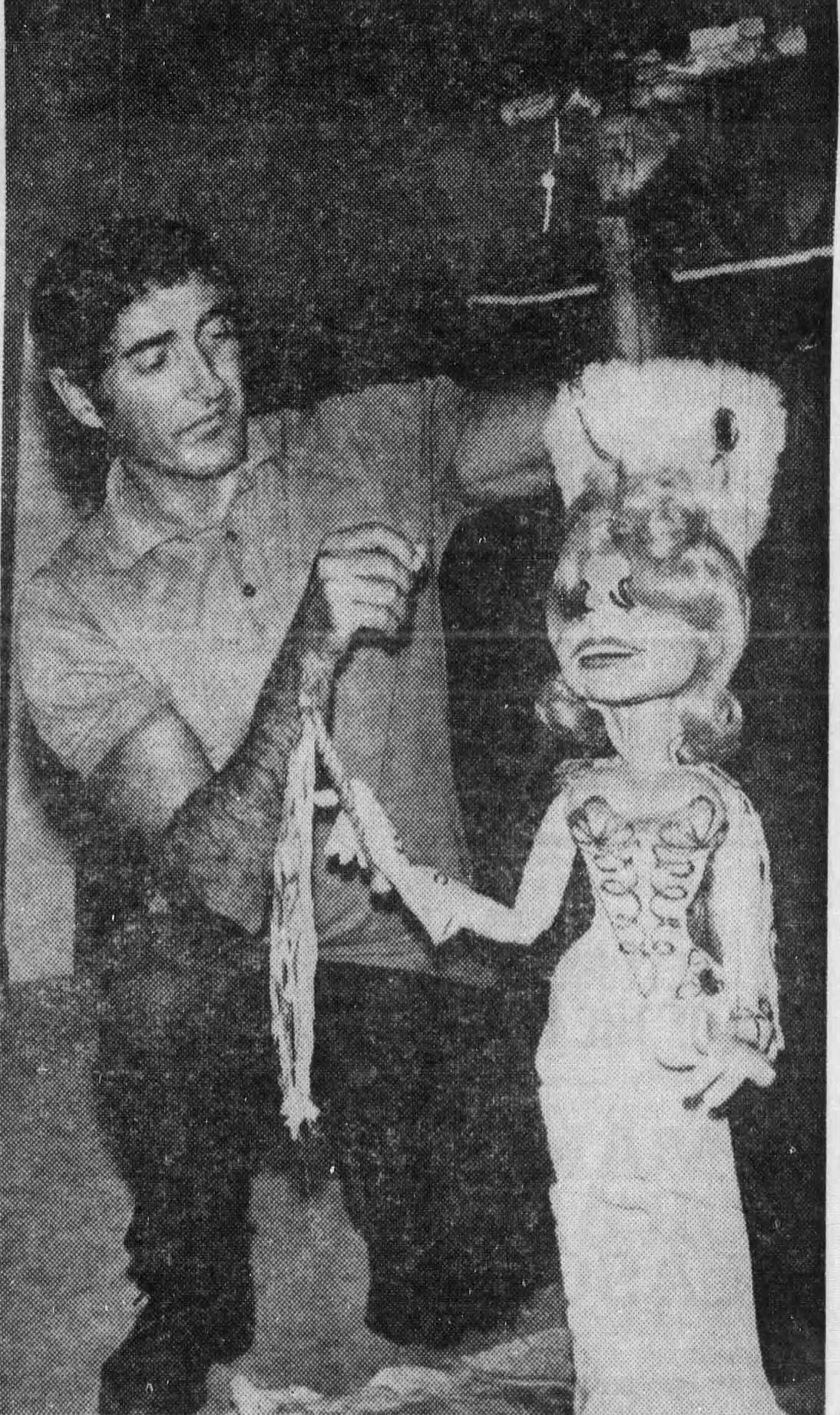
The financial journey of Sid and Marty Krofft began long before the television cameras started rolling. Sid Krofft, a master puppeteer, toured with Ringling Bros. and Barnum & Bailey Circus, establishing a reputation for high-quality craftsmanship. The brothers' first major commercial success was Les Poupées de Paris, an adult-themed puppet show that debuted in the early 1960s.
This show was a massive revenue generator, touring internationally and appearing at the 1962 Seattle World’s Fair and the 1964 New York World’s Fair. Unlike traditional children’s puppetry of the era, Les Poupées de Paris was high-glamour and high-budget, grossing millions in ticket sales and establishing the brothers as savvy entrepreneurs who understood the value of high production standards. This early capital allowed them to transition into television production with their own independent studio, Krofft Pictures.
The Television Empire: Licensing and Syndication
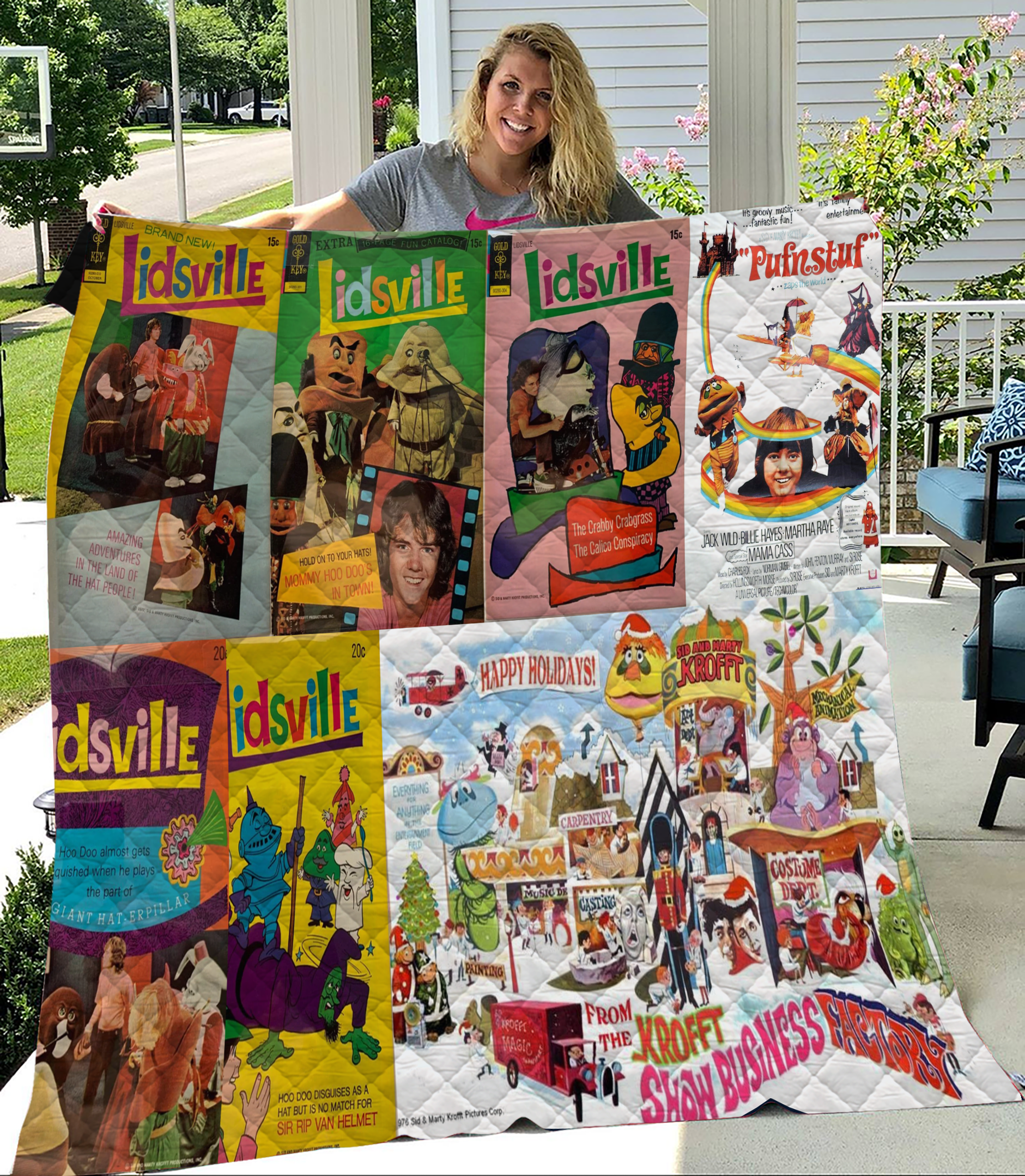
The Kroffts' entry into television in 1969 with H.R. Pufnstuf changed the landscape of Saturday morning programming. While many of their series had relatively short original runs—H.R. Pufnstuf only produced 17 episodes—their financial value lay in syndication and longevity.
The Krofft business model relied on high-concept, visually distinct characters that could be easily branded. Shows such as The Bugaloos, Sigmund and the Sea Monsters, and Land of the Lost became cultural touchstones. By 2026, these properties have been monetized through multiple cycles:
- Original Network Sales: Lucrative contracts with NBC and ABC during the 1970s.
- Home Video and DVD: Significant sales during the 1990s and 2000s as nostalgic parents bought collections for their children.
- Digital Streaming: Licensing deals with platforms like Amazon Prime, which produced the 2016 reboot of Sigmund and the Sea Monsters.
- Feature Film Rights: The 2009 Land of the Lost film, though a critical failure, involved substantial rights payments to the brothers as executive producers.
The Landmark McDonald’s Lawsuit: Protecting Intellectual Property
One of the most significant contributors to the Krofft net worth was not a television show, but a legal victory. In the mid-1970s, the brothers sued the McDonald’s Corporation in the landmark case Sid & Marty Krofft Television Productions, Inc. v. McDonald's Corp.
The Kroffts alleged that the "McDonaldland" characters (including Mayor McCheese) were a direct infringement on the characters from H.R. Pufnstuf. The jury eventually awarded the Kroffts over $1 million in damages, a figure that would be worth significantly more in today's currency. More importantly, the legal victory established the "extrinsic-intrinsic" test for copyright infringement, ensuring that the Kroffts could protect their characters from unauthorized imitation for decades. This protected the "purity" of their brand, allowing them to command higher licensing fees because their characters remained unique in the marketplace.
The World of Sid and Marty Krofft: A Financial Gamble
Not every venture was a success. In 1976, the brothers opened The World of Sid and Marty Krofft, an ambitious indoor theme park located in the Omni International Complex in Atlanta. This was the first of its kind, featuring a multi-story escalator and high-concept rides based on their television properties.
Financially, the park was a significant blow. It closed just six months after opening due to low attendance and the high cost of maintenance in an era when indoor climate control for such a massive space was prohibitively expensive. The brothers lost millions in personal and invested capital. However, their ability to bounce back from this failure is a testament to the strength of their television library. They pivoted back to television production, creating the Donny & Marie variety show and Barbara Mandrell and the Mandrell Sisters, which became major hits and restored their financial standing.
Financial Comparison of Major Krofft Properties
The following table outlines the estimated impact and longevity of the core Krofft intellectual properties that have contributed to their cumulative net worth over the decades.
| Property | Original Debut | Primary Revenue Drivers | 2026 Status |
|---|---|---|---|
| H.R. Pufnstuf | 1969 | Syndication, Lawsuit Settlement, Merchandising | Archival Licensing / Nostalgia Merch |
| Land of the Lost | 1974 | 1990s Reboot, 2009 Film Rights, DVD Sales | Active Streaming / Legacy Property |
| Sigmund and the Sea Monsters | 1973 | 2016 Amazon Reboot, Toy Licensing | Digital Distribution Rights |
| Donny & Marie Show | 1976 | Network Fees, International Distribution | Periodic Syndication / Archival Clips |
| The Bugaloos | 1970 | Music Rights, DVD Sales, Remastering | Niche Licensing |
Modern Revenue Streams and the 2026 Outlook
In the current market of 2026, the Krofft net worth is sustained by the "nostalgia economy." Sid Krofft remains active on social media, maintaining a direct connection with a fanbase that now includes three generations. This engagement drives the value of limited-edition collectibles and high-end memorabilia.
Furthermore, the estate benefits from the transition to 4K and 8K digital restoration. As streaming platforms look for recognizable "legacy content" to fill their libraries, the Krofft library remains a top-tier acquisition target because of its high recognition factor among the Baby Boomer and Gen X demographics. The 2023 passing of Marty Krofft led to a restructuring of the estate, focusing on long-term brand management and ensuring that the Krofft name remains associated with high-quality, imaginative production.
Frequently Asked Questions
Did the Will Ferrell "Land of the Lost" movie hurt their net worth?
While the 2009 film was a financial "bomb" for the studio (Universal Pictures), it did not negatively impact the Kroffts' personal net worth. As creators and executive producers, they received upfront licensing fees for the rights and production fees. While they likely missed out on "back-end" profit participation due to the film's poor box office, the initial deal was a significant financial gain for their company.
How much did the Kroffts win in the McDonald's lawsuit?
The Kroffts were initially awarded $50,000, but upon appeal and further deliberation regarding profits derived from the infringement, the total award exceeded $1 million. In the late 1970s, this was an enormous sum that provided the capital necessary for their subsequent production ventures.
Is the Krofft net worth primarily based on one show?
No. While H.R. Pufnstuf is the most famous, the Kroffts produced over 20 different series and specials. Their financial stability came from the diversity of their portfolio, which included variety shows, live-action adventures, and puppet-based musicals.
Who manages the Krofft assets in 2026?
The assets are managed through Krofft Pictures and the respective family estates. Following Marty Krofft's death in 2023, the management has focused on "legacy protection," ensuring that characters are not used in ways that contradict the original brand identity while exploring modern CGI integration for future reboots.
Did the Atlanta theme park bankruptcy ruin them?
It was a major setback, but it did not lead to permanent financial ruin. Because the park was a separate corporate entity and the Kroffts had a massive secondary income stream from their variety shows (like Donny & Marie), they were able to absorb the loss and continue their production career.
Final Recommendation for Researchers and Fans
To truly understand the financial legacy of Sid and Marty Krofft, one should look beyond simple "net worth" figures and study their impact on independent production. The Kroffts were among the few creators who managed to maintain significant ownership of their characters in an era when networks typically demanded total control.
For those interested in the business of entertainment, the Krofft model serves as a masterclass in IP management. Their ability to turn a show with only 17 episodes into a fifty-year revenue stream is a feat rarely matched in television history. To explore their current projects or view archival material, fans should prioritize official streaming channels and authorized retailers to ensure their support continues to preserve this unique chapter of television history.
Image Gallery