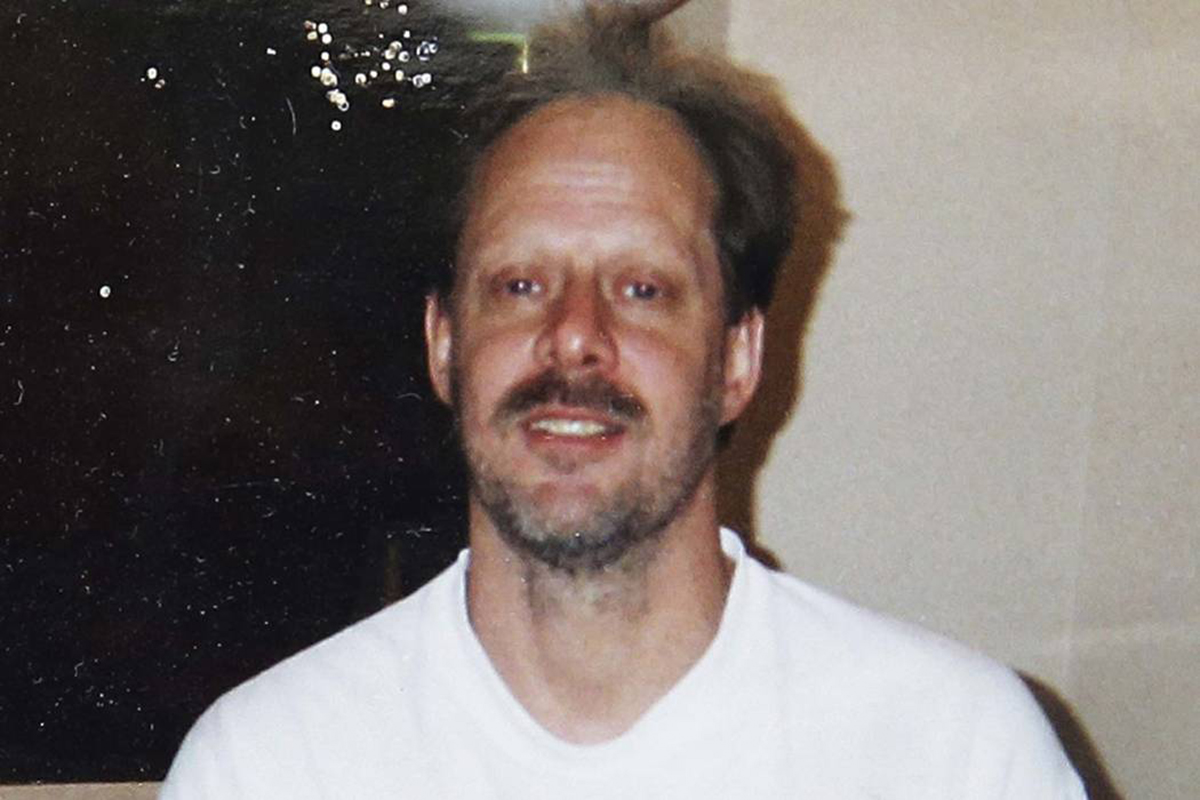
Stephen Paddock: A Comprehensive Profile of the Las Vegas Shooter
Stephen Paddock was the perpetrator of the deadliest mass shooting in modern United States history, occurring on October 1, 2017, in Las Vegas, Nevada. A retired accountant and high-stakes gambler, Paddock killed 60 people and injured...
Stephen Paddock was the perpetrator of the deadliest mass shooting in modern United States history, occurring on October 1, 2017, in Las Vegas, Nevada. A retired accountant and high-stakes gambler, Paddock killed 60 people and injured hundreds more from his hotel suite at the Mandalay Bay Resort and Casino before taking his own life.
Contents
The Life and Background of Stephen Paddock
Stephen Craig Paddock was born on April 9, 1953, in Clinton, Iowa. To the outside world, he appeared to be a successful, if somewhat eccentric, retiree who had built a comfortable life through real estate investment and professional gambling. However, investigative efforts following the 2017 massacre revealed a more complex and isolated individual whose family history was marked by significant instability.
Paddock was the eldest of four sons. His father, Benjamin Hoskins Paddock, was a notorious bank robber who was arrested when Stephen was only seven years old. Benjamin Paddock later escaped from federal prison in 1968 and earned a spot on the FBI’s Ten Most Wanted list, described by the agency as "psychopathic" with suicidal tendencies. While Stephen Paddock reportedly had little contact with his father after the arrest, psychologists and criminal profilers have frequently pointed to this genetic and environmental background as a factor in his later development, though Paddock himself had no criminal record prior to the shooting.
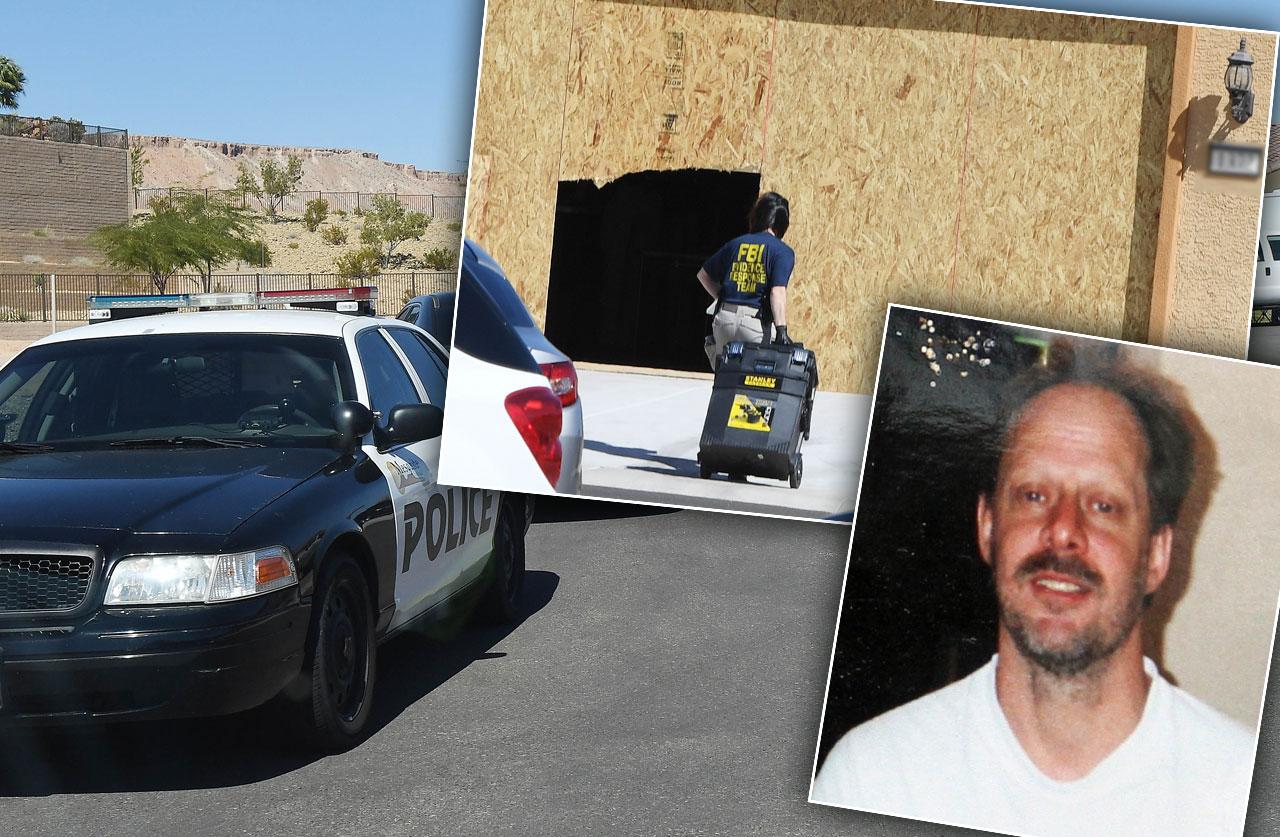
As an adult, Paddock followed a stable professional path for several decades. He attended California State University, Northridge, where he graduated with a degree in business administration in 1977. He worked several federal jobs, including a stint as an internal auditor for the Defense Contract Audit Agency and a position with the U.S. Postal Service. Later, he worked as an accountant for a company that eventually became Lockheed Martin. By the early 2010s, he had transitioned into a life of leisure, living in various retirement communities in Florida and Nevada, most recently in Mesquite, Nevada.
Financial Status and High-Stakes Gambling
One of the most defining characteristics of Paddock’s profile was his financial independence. Unlike many mass shooters who are motivated by immediate economic desperation, Paddock was a multimillionaire. He made a significant portion of his wealth through real estate ventures, owning and managing apartment complexes in Texas and California with his brother, Eric Paddock.
In his later years, Paddock’s primary "profession" was high-stakes video poker. He was known in Las Vegas and Reno as a "whale"—a gambler who bets large sums of money. It was not uncommon for Paddock to gamble upwards of $10,000 to $30,000 in a single day. This lifestyle allowed him to remain largely anonymous; he spent hours in front of machines, often during the late-night hours, receiving "comps" from casinos in the form of free high-end suites, including the one he used for the October 1 attack.
By 2016 and 2017, however, records indicated that Paddock’s wealth was declining. While he was not broke, he had lost a substantial amount of his liquid assets. The FBI’s Behavioral Analysis Unit (BAU) later suggested that this loss of status as a "high roller" might have contributed to his deteriorating mental state. To Paddock, his identity was tied to his financial success and his ability to navigate the casino world with elite status.
The Meticulous Planning of the October 1 Attack
The profile of Stephen Paddock is distinct because of the degree of calculated, tactical planning involved in the shooting. He did not act on impulse; rather, he spent months preparing for the massacre. Investigation by the Las Vegas Metropolitan Police Department (LVMPD) revealed that Paddock had researched other large-scale events and outdoor venues in various cities, including Chicago and Boston, before settling on the Route 91 Harvest festival in Las Vegas.
Tactical Preparations at Mandalay Bay
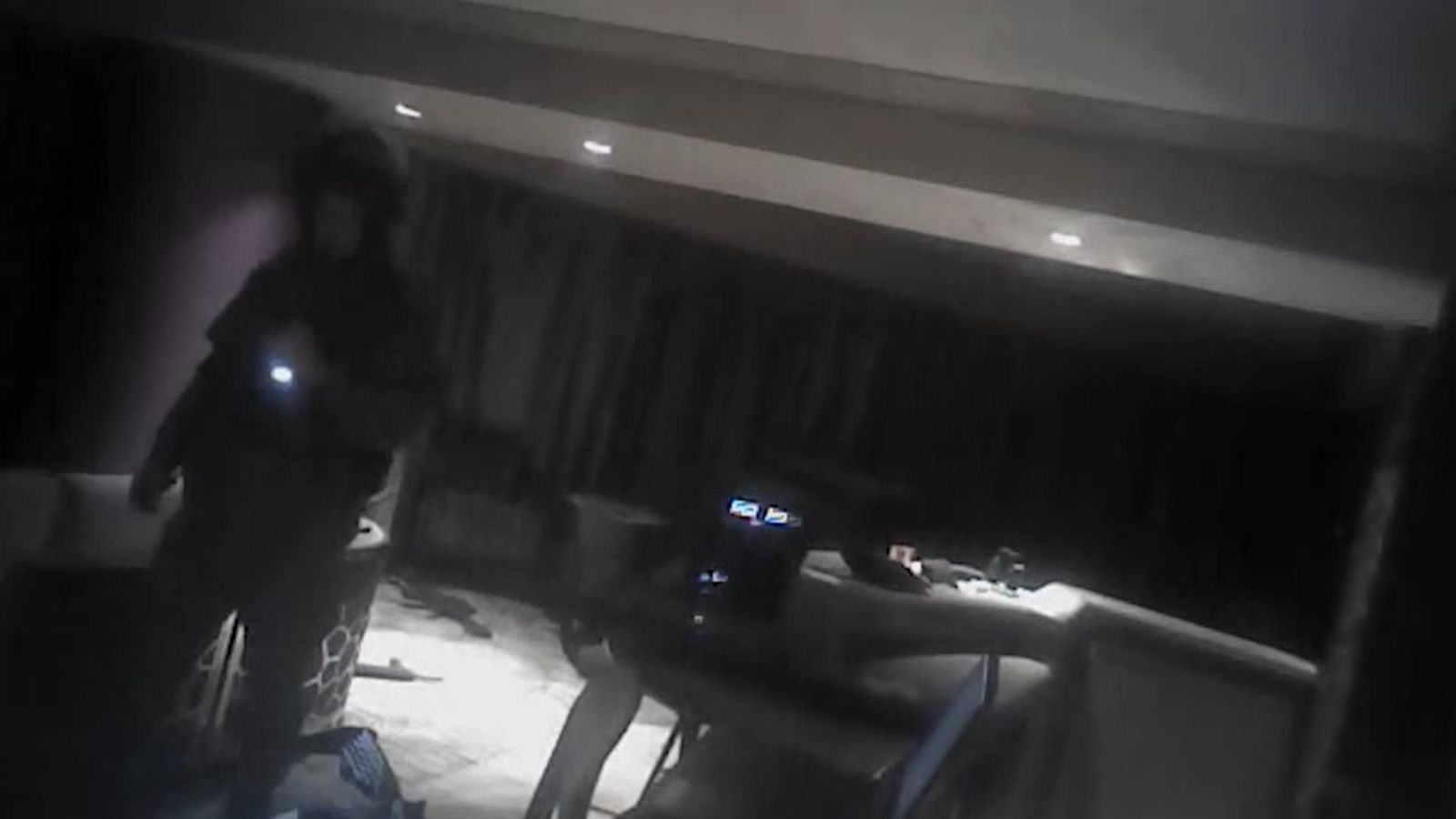
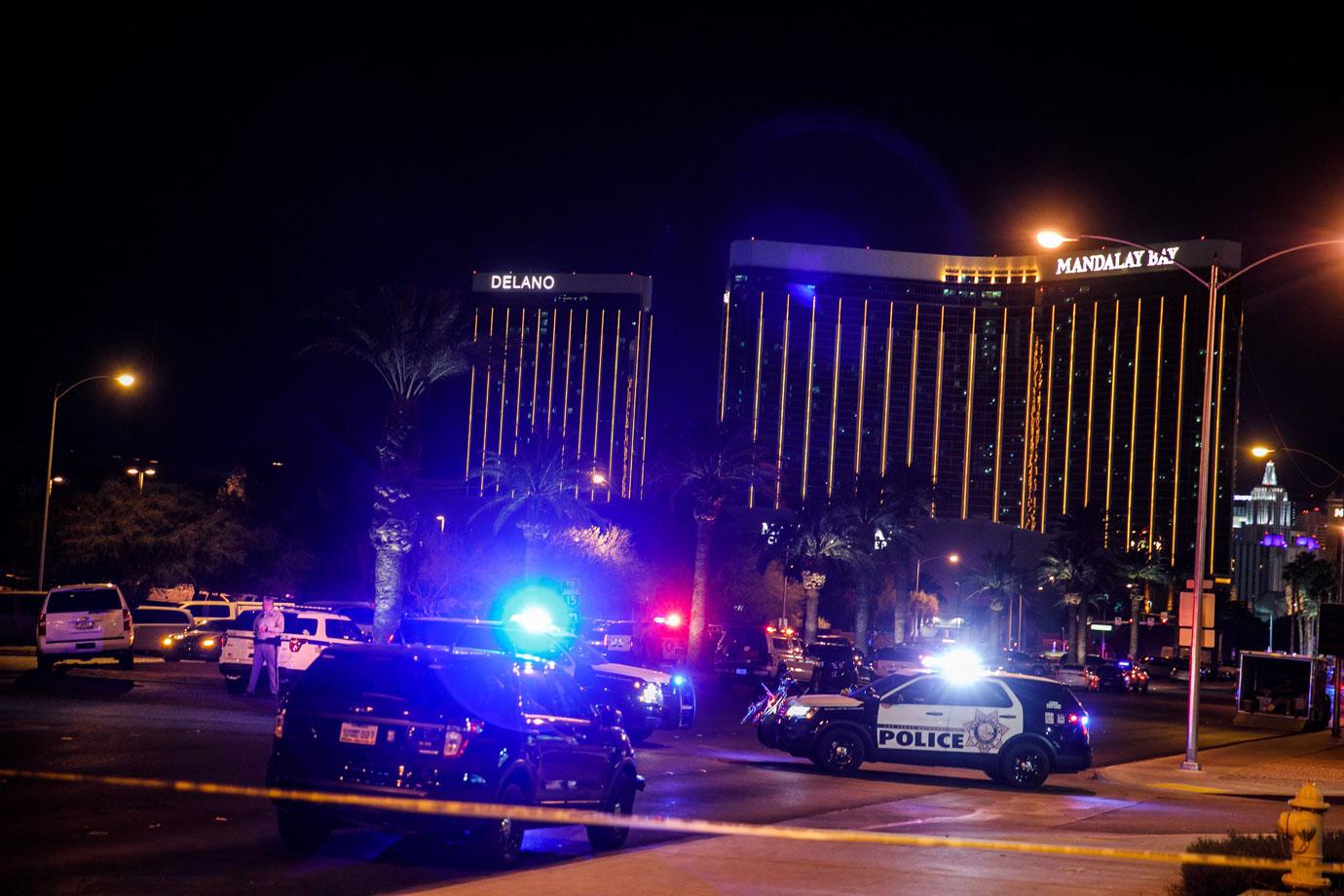
Paddock checked into the Mandalay Bay Resort and Casino on September 28, 2017, three days before the shooting. Over the course of those days, he transported more than 10 suitcases to his suite on the 32nd floor. Because he was a high-status guest, his frequent trips and heavy luggage did not arouse suspicion among hotel staff. Inside those suitcases were 23 firearms, including several AR-15-style rifles and AR-10-style rifles, along with thousands of rounds of ammunition.
His preparations included:
- Surveillance: Paddock set up cameras in the hallway outside his room and on the peephole of his door to monitor the approach of security personnel or law enforcement.
- Modification of Weaponry: He equipped 14 of his rifles with "bump stocks," devices that allow semi-automatic firearms to fire at a rate similar to fully automatic weapons.
- Physical Adjustments: He used a hammer to break two of the large glass windows in his suite, creating sniper vantage points overlooking the festival grounds across the street.
The choice of the 32nd floor provided a significant tactical advantage, allowing him to fire down into a dense crowd of 22,000 people from a distance of approximately 490 yards. The elevation meant that the crowd had nowhere to hide, as the bullets were coming from above rather than a horizontal plane.
Investigative Findings and the Question of Motive
Perhaps the most frustrating aspect of the Stephen Paddock profile for the public and the victims' families was the lack of a clear, "smoking gun" motive. Following an exhaustive investigation that included the FBI and the LVMPD, no evidence was found that Paddock was motivated by religious extremism, political ideology, or social grievances. He did not leave a manifesto, a suicide note, or any social media posts explaining his actions.
In 2019, the FBI’s Behavioral Analysis Unit released its final report on the shooting. The key findings focused on Paddock’s desire for "infamy."
| Feature | Details of the Paddock Investigation |
|---|---|
| Criminal History | None; no prior arrests or documented violent behavior. |
| Mental Health | No formal diagnosis of mental illness, but reports of "distancing" and irritability. |
| Motive | No ideological affiliation; likely sought "infamy" and control over his demise. |
| Weapon Acquisition | All 55 firearms purchased legally between 1982 and 2017. |
| Social Profile | Socially isolated, no active social media, few close friends. |
| Health Factors | Declining physical health and possible undiagnosed neurological issues. |
The BAU concluded that Paddock wanted to die by suicide and chose to do so in a way that would grant him a permanent place in the annals of history. This "legacy" motive, combined with a decline in his physical health and financial standing, created a "perfect storm" for a mass casualty event. Paddock was described as an individual who valued being "in control," and as his control over his life diminished due to aging and financial losses, he asserted control through a violent, catastrophic exit.
Psychological and Behavioral Observations
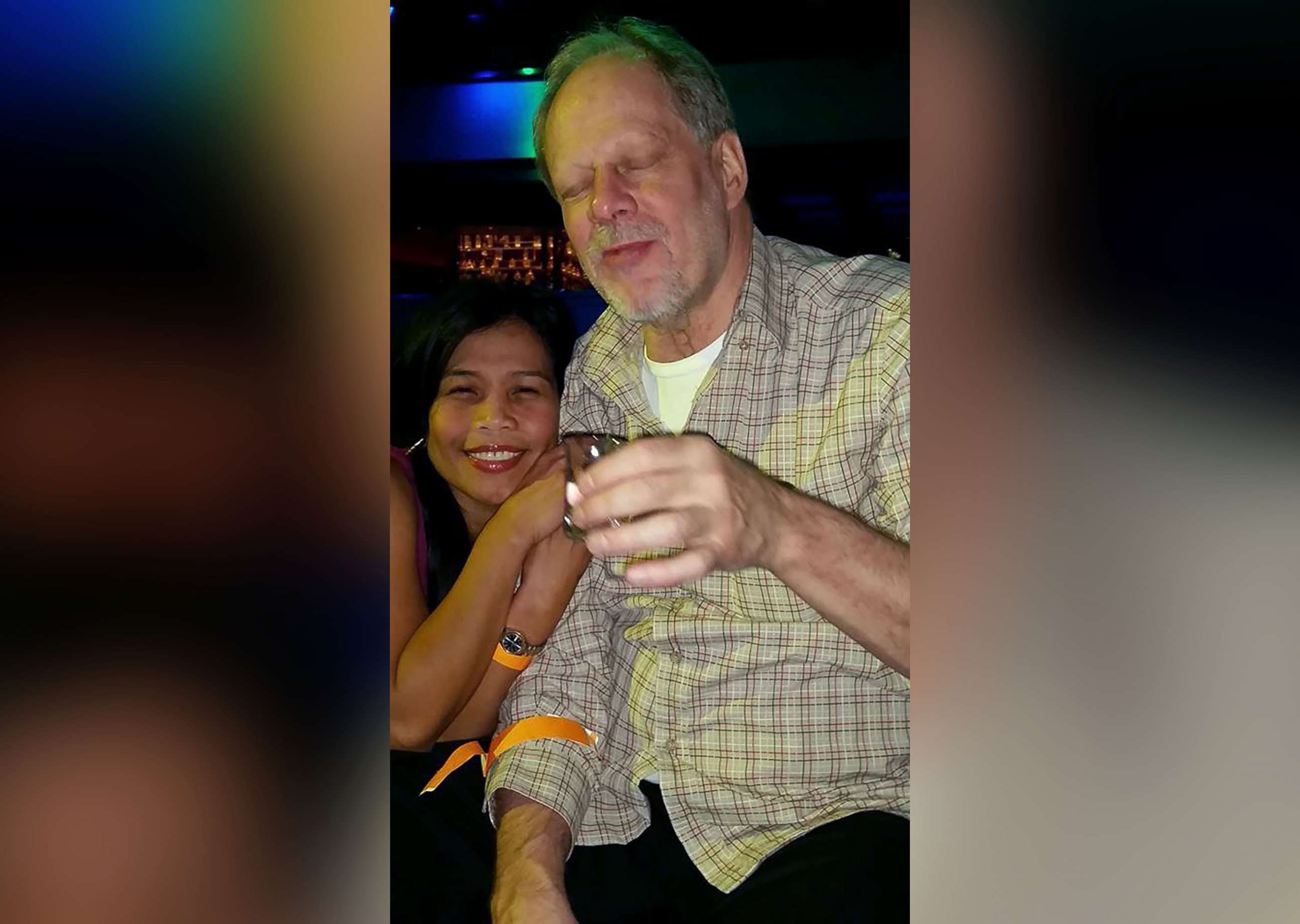
Despite the lack of a manifesto, interviews with those close to him—specifically his brother Eric and his girlfriend Marilou Danley—provided some insight into his personality. He was described as a man who was highly intelligent but often cold and clinical. He was a "numbers guy" who viewed the world through the lens of logic and probability.
Danley, who was in the Philippines at the time of the shooting (Paddock had sent her there and wired her $100,000), told investigators that Paddock had become increasingly "stiff" and that his health seemed to be failing. He complained of being sensitive to chemical smells and often seemed lethargic. Some medical experts have hypothesized that Paddock may have suffered from a form of frontal lobe impairment that affected his empathy and impulse control, though his brain was too badly damaged by a self-inflicted gunshot wound for a definitive post-mortem neurological assessment.
Impact on Legislation and Public Safety
The profile of Stephen Paddock led to immediate and long-lasting changes in American security and firearm regulations. Because Paddock used bump stocks to achieve such a high casualty count, these devices became the center of a national legal battle.
- Federal Bans: In 2018, the U.S. Department of Justice issued a rule classifying bump stocks as "machine guns" under the National Firearms Act, effectively banning them. (Note: This regulation faced multiple court challenges between 2019 and 2024, resulting in a complex legal landscape regarding the administrative power of the ATF).
- Hotel Security: The hospitality industry underwent a massive shift in protocol. Most major hotels in Las Vegas and across the U.S. implemented "Do Not Disturb" policies that require staff to enter a room for a wellness check if the sign has been up for more than 24 to 48 hours.
- Event Security: Outdoor festivals now frequently include "counter-sniper" teams and advanced surveillance to monitor high-rise buildings overlooking event spaces.
Frequently Asked Questions
Was Stephen Paddock a terrorist?
Under the Nevada state definition of terrorism, his actions were classified as an act of terrorism because they were intended to cause great bodily harm or death to the general population. However, under federal definitions, which often require a political or social motive, the label was more contested because no such motive was ever identified.
How did he get so many guns into the hotel?
Paddock utilized his "high roller" status to bring luggage into the hotel over several days. He used the service elevator and bellhops for some bags but carried most of the heavy weapon cases himself. Hotel staff did not check the contents of his luggage, which is standard practice in the hospitality industry.
Did he have any accomplices?
The FBI and LVMPD concluded that Paddock acted alone. While there were many conspiracy theories in the weeks following the shooting, exhaustive digital forensics and surveillance footage showed no evidence of a second shooter or any outside assistance in the planning or execution of the attack.
What happened to his estate?
Following his death, Paddock’s assets—valued at several million dollars—were liquidated. After legal battles, the proceeds were directed toward the victims of the shooting and their families, though the process took several years to resolve.
What was the official conclusion on his motive?
The official conclusion is that there was no single "triggering" event. Instead, it was a combination of his declining health, financial losses, a family history of mental instability, and a narcissistic desire to be remembered through a monumental act of violence.
Recommendation for Further Research
For those seeking the most detailed forensic and behavioral analysis of this case, the LVMPD Final Investigative Report (released in 2018) and the FBI Behavioral Analysis Unit’s Key Findings (2019) remain the primary authoritative sources. These documents provide the most factual, evidence-based overview of Paddock's life and the timeline of the October 1 tragedy, moving beyond the speculation that often surrounds high-profile criminal cases.
Image Gallery