Understanding the Cloud Model Provider Security: A Comprehensive Guide
Cloud model provider security involves safeguarding foundational cloud infrastructures, managed services, and shared execution environments by enforcing physical protections, software isolation, cryptographic controls, and compliance f...
Cloud model provider security involves safeguarding foundational cloud infrastructures, managed services, and shared execution environments by enforcing physical protections, software isolation, cryptographic controls, and compliance frameworks across multi-tenant architectures.
Contents
Introduction to Cloud Model Provider Security
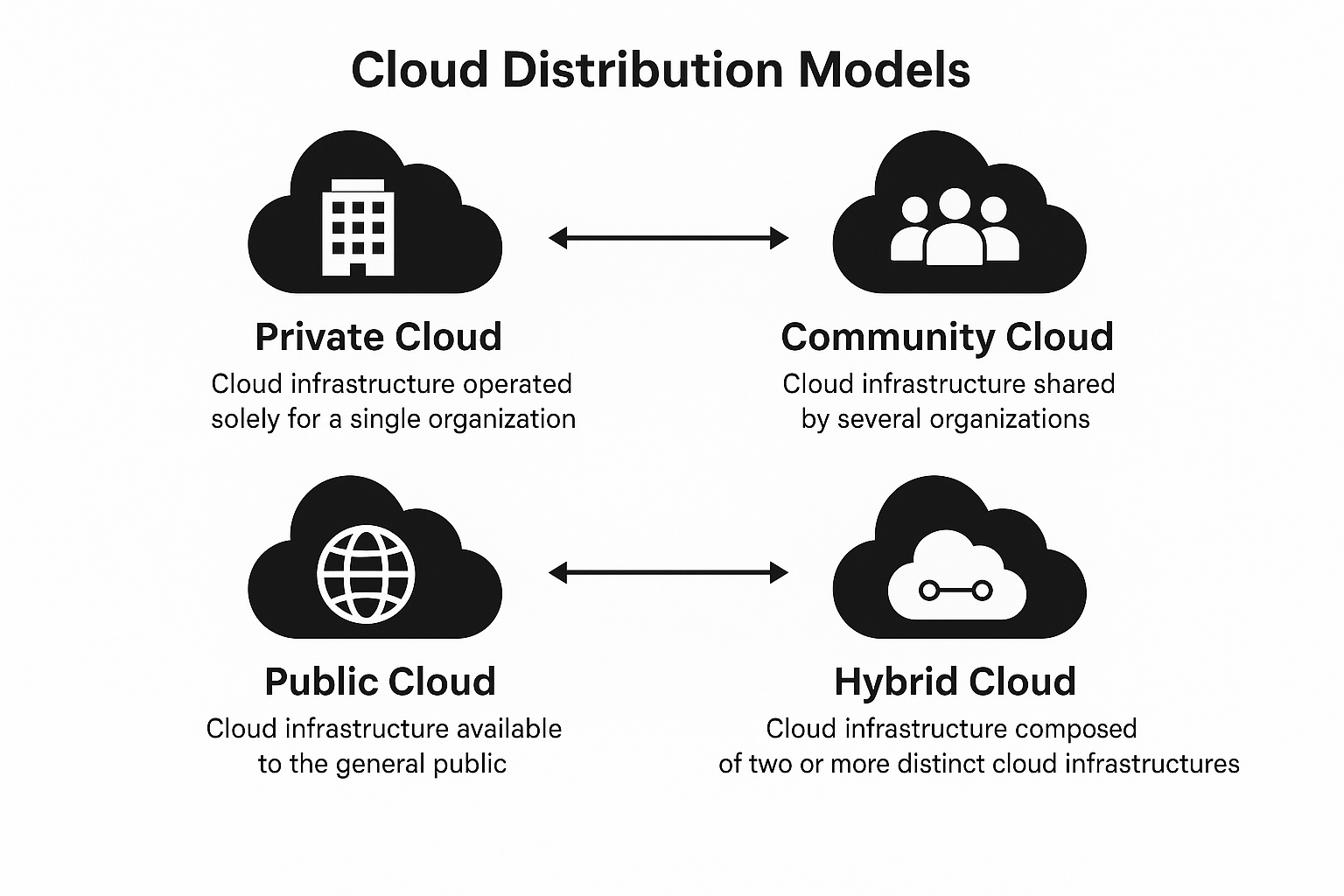
As enterprises and independent developers increasingly migrate mission-critical workloads, proprietary data sets, and complex applications to commercial cloud environments, the underlying security paradigm undergoes a fundamental shift. In traditional on-premises architectures, an organization maintains absolute, direct dominion over its physical servers, network switches, hypervisors, and storage area networks. Moving to a cloud model means delegating substantial segments of this operational surface to a third-party vendor—whether through Infrastructure as a Service (IaaS), Platform as a Service (PaaS), or Software as a Service (SaaS).
Understanding cloud model provider security requires moving beyond generic risk assessments to examine how modern hyper-scalers engineer, isolate, monitor, and defend their multi-tenant ecosystems. This article explores the core architectural principles, the operational boundaries defined by shared responsibility frameworks, technical defense mechanisms, verification standards, and actionable strategies for evaluating cloud provider posture. By examining these elements, technical stakeholders can build resilient deployment strategies that leverage third-party velocity without compromising organizational data integrity.
The Foundations of Cloud Security Architecture
The architectural integrity of any commercial cloud platform rests upon a foundation of defense-in-depth, hardware-enforced isolation, and robust cryptographic lifecycles. Unlike single-tenant data centers, cloud providers operate massive, highly dense data centers where computing instances, storage volumes, and memory spaces belonging to entirely different entities reside on identical physical servers.
Multi-Tenancy and Isolation Mechanisms
Multi-tenancy introduces inherent risks concerning cross-tenant data leakage, side-channel attacks, and unauthorized resource access. To mitigate these threats, cloud providers implement isolation at multiple distinct layers of the technology stack:
- Physical and Environmental Separation: Access to data center floors is strictly controlled via biometric authentication, multi-factor security checkpoints, and continuous closed-circuit monitoring. Hardware assets are inventoried, tracked, and securely wiped or physically destroyed upon retirement.
- Hypervisor and Virtualization Security: Specialized, hardened hypervisors manage the allocation of physical CPU, memory, and I/O resources to virtual machines. Modern cloud architectures increasingly leverage micro-virtualization and bare-metal instances that minimize hypervisor overhead while maintaining strict memory and cache isolation between tenants.
- Network Virtualization: Software-defined networking (SDN) overlays encapsulate tenant traffic using secure tunneling protocols (such as Geneve or VXLAN). This ensures that network packets traversing physical switches are logically segregated, preventing unauthorized packet sniffing or spoofing between distinct cloud accounts.
Cryptographic Protections and Key Management
Data security within a cloud model relies heavily on encryption, both at rest and in transit. Providers offer managed cryptographic services that allow organizations to secure their assets without managing raw key material directly.
Data in transit across wide-area networks and internal data center backbones is routinely encrypted using Transport Layer Security (TLS) with strong cipher suites. Data at rest—stored within object repositories, block volumes, or relational database engines—is protected via symmetric encryption algorithms such as Advanced Encryption Standard (AES-256).
Crucially, mature cloud security models separate data encryption keys from key-management infrastructure. Customers can choose between provider-managed keys, customer-managed keys (stored within dedicated Hardware Security Modules or KMS services), or external key management systems (BYOK—Bring Your Own Key), ensuring that the cloud provider cannot decrypt sensitive customer payloads without explicit, auditable authorization.
The Shared Responsibility Model Explained
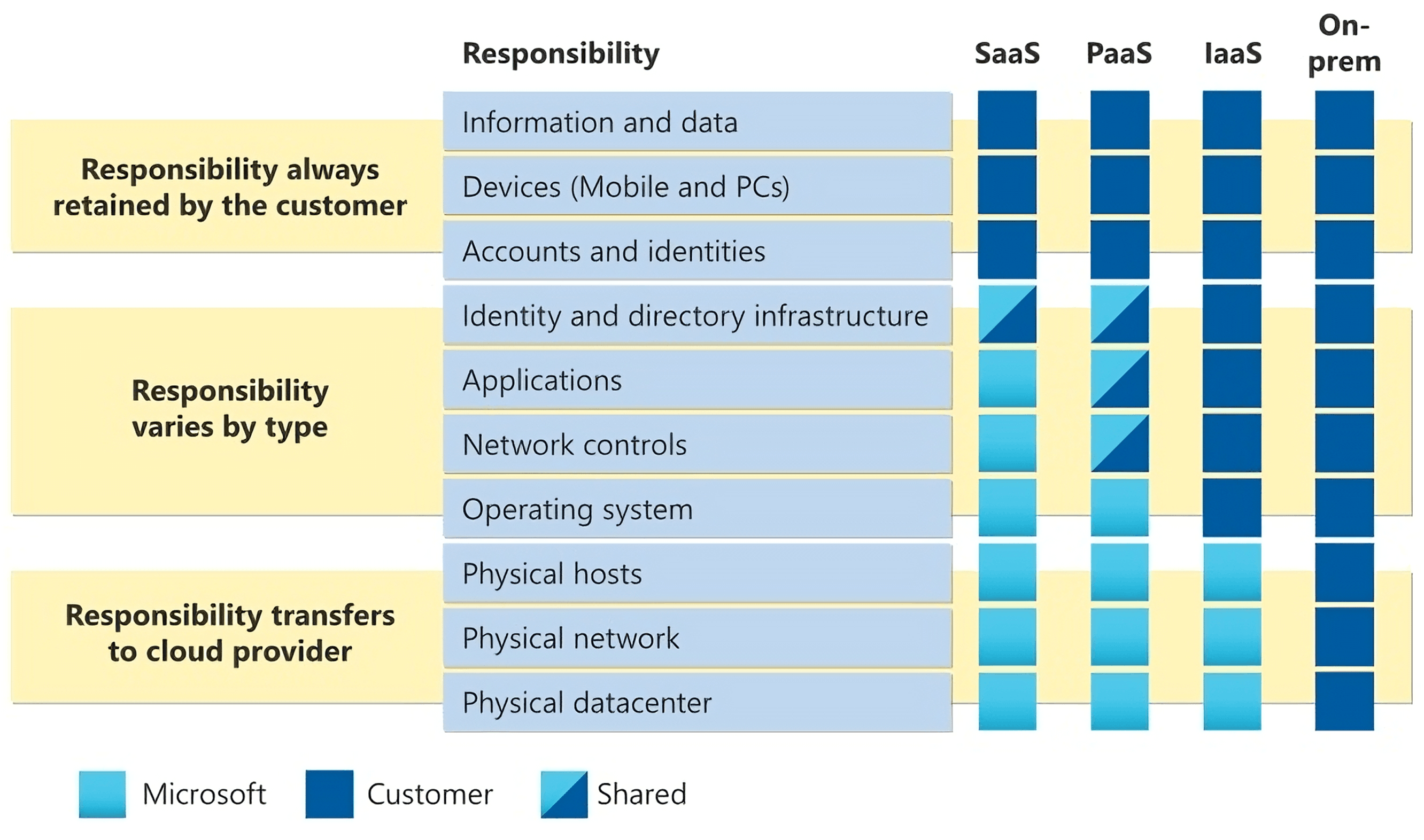
The cornerstone of all cloud security frameworks is the shared responsibility model. Misunderstanding the division of security duties between the cloud provider and the customer remains the leading root cause of cloud data breaches and misconfiguration incidents.
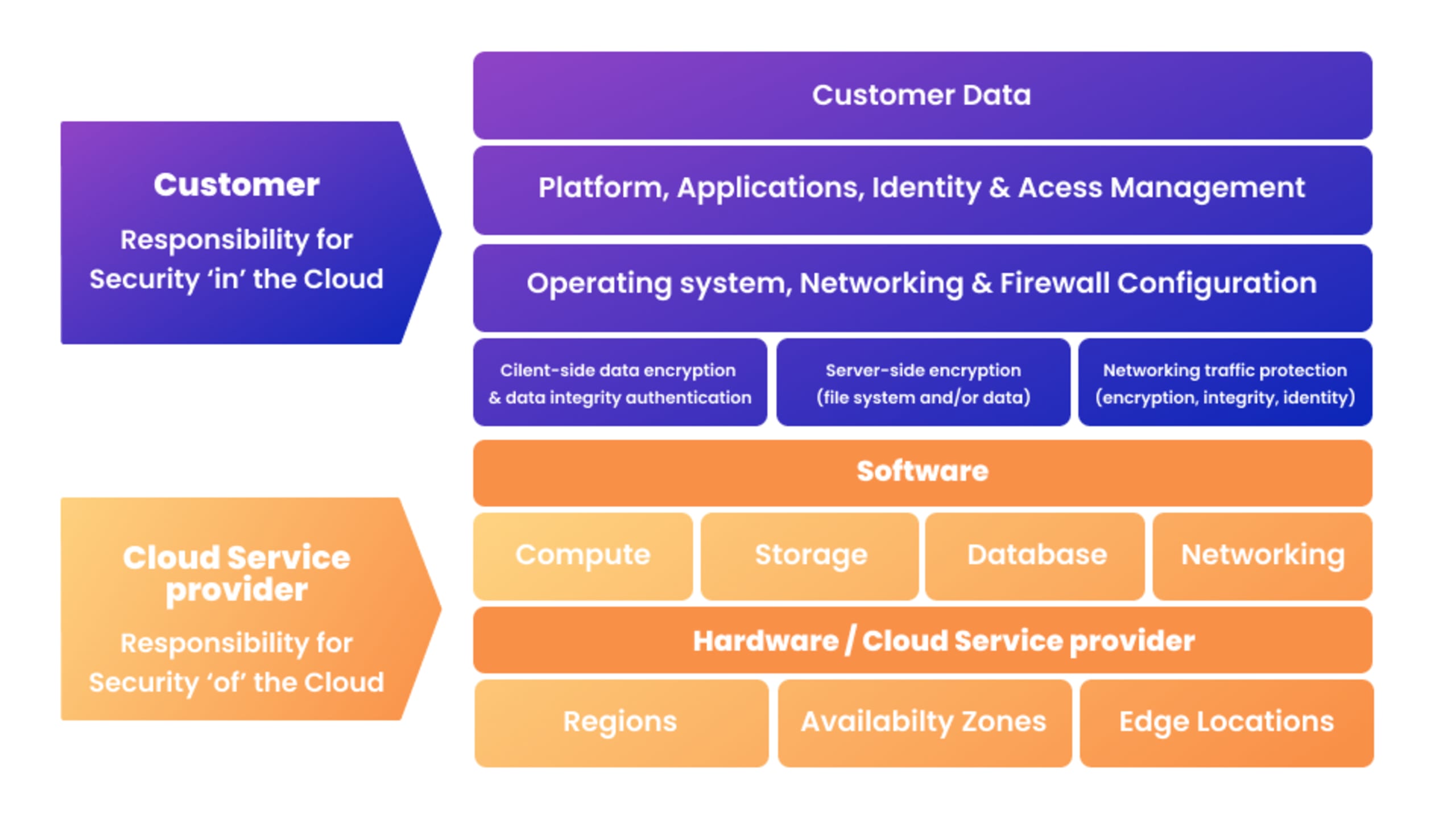
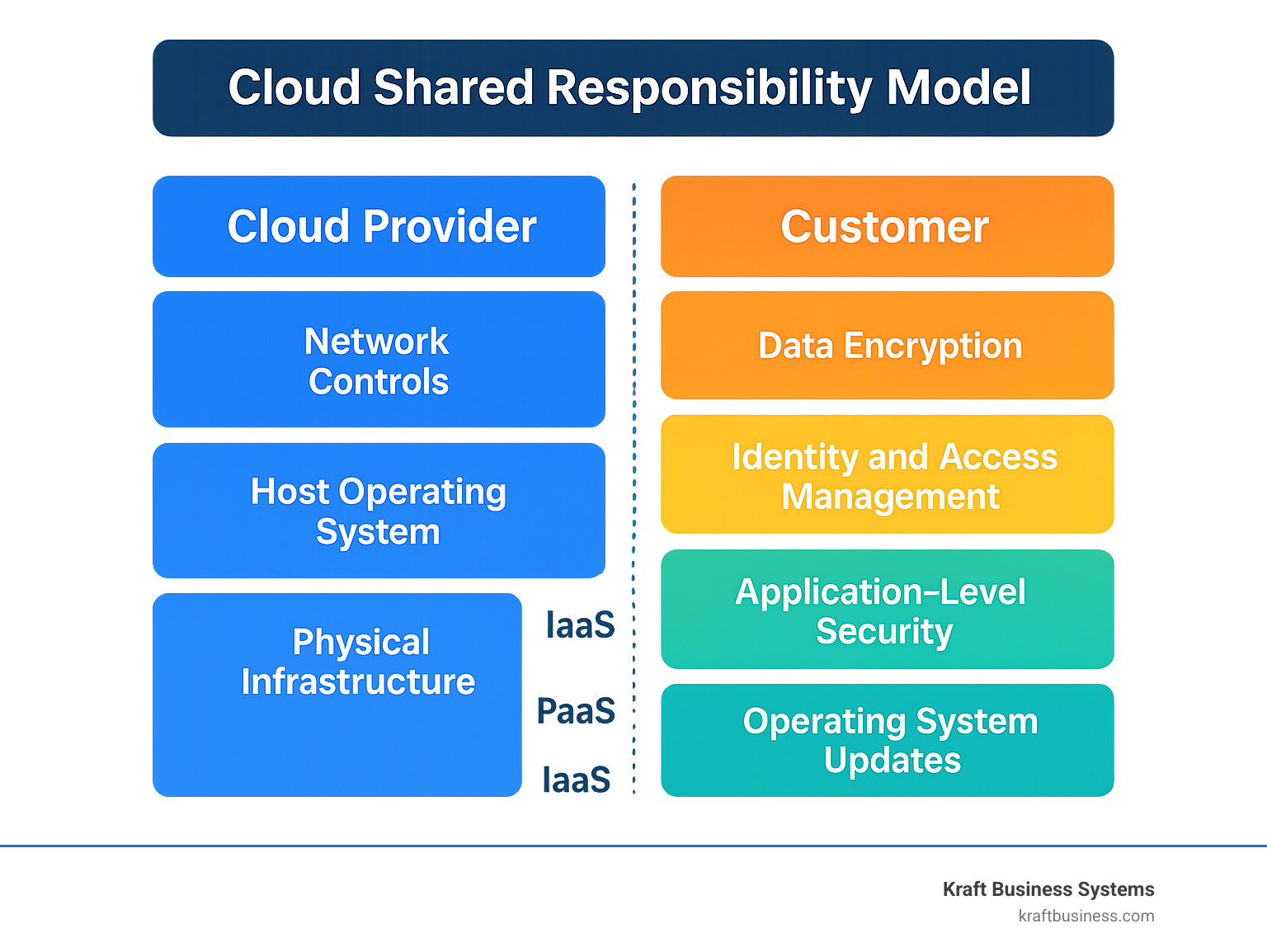
While the exact allocation of responsibilities shifts slightly depending on whether the deployment model is IaaS, PaaS, or SaaS, the universal axiom remains: the provider is responsible for security of the cloud, while the customer is responsible for security in the cloud.
Security Of the Cloud (Provider Domain)
The cloud provider maintains exhaustive control over the underlying fabric of the infrastructure. This includes:
- Physical security of data centers, facilities, and underlying hardware.
- Host operating systems, virtualization software, and hypervisor patching.
- Global network infrastructure, including edge routers, load balancers, and backbone fiber optics.
- Managed service software layers (e.g., the underlying database engine management in a managed SQL service).
Security In the Cloud (Customer Domain)
Regardless of how secure the provider's infrastructure is, the customer retains absolute accountability for the configuration, data, and access controls deployed on top of that infrastructure. This includes:
- Identity and Access Management (IAM), including multi-factor authentication, principle of least privilege, and role-based access control.
- Customer data classification, labeling, and lifecycle management.
- Network configuration, including virtual private cloud (VPC) subnets, security groups, and firewall rules.
- Operating system patches, application security updates, and runtime defense on virtual machines (in IaaS models).
- Client-side and server-side encryption configuration and key management policies.
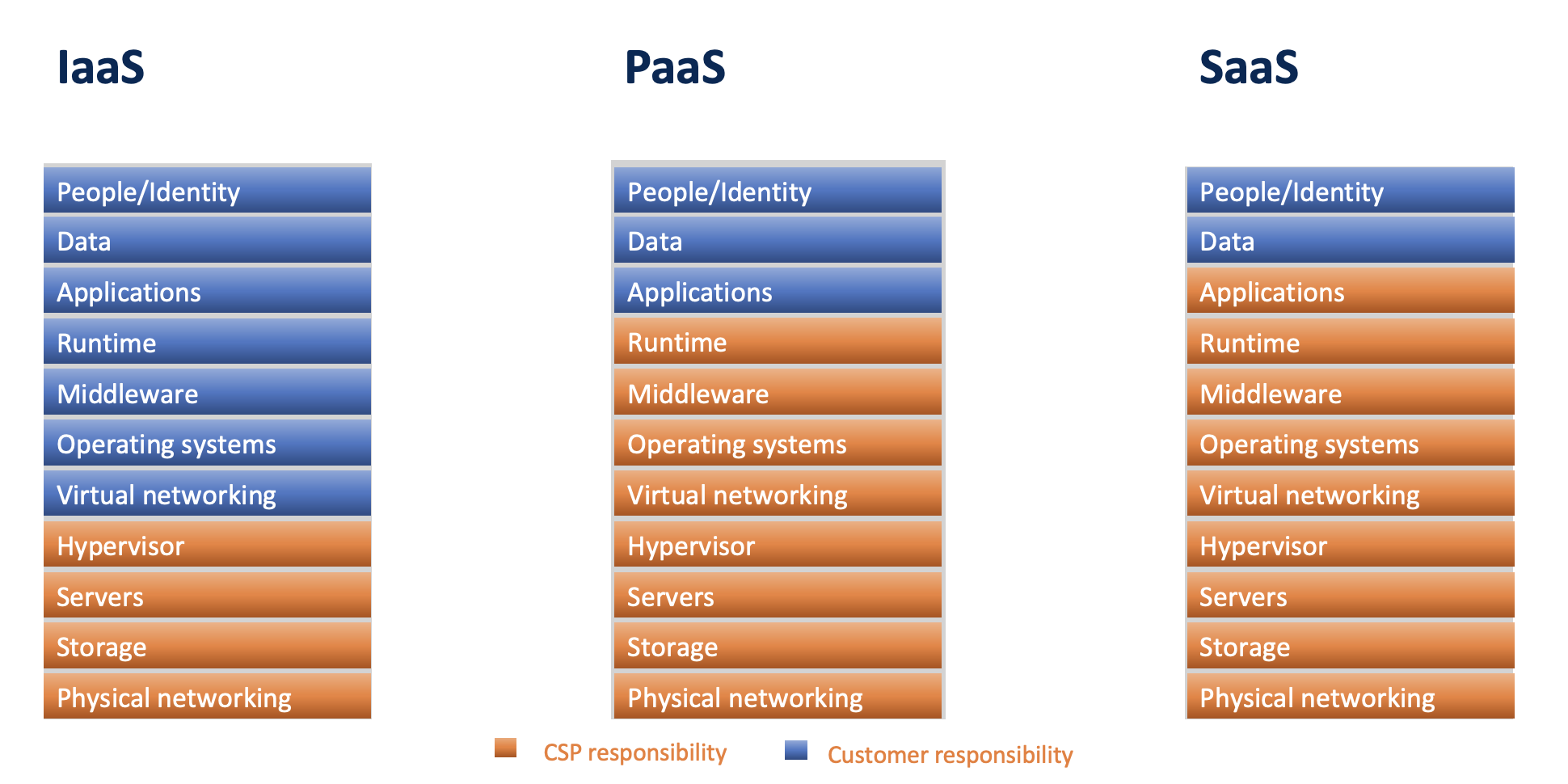
| Cloud Service Model | Provider Responsibility Scope | Customer Responsibility Scope | Typical Use Case |
|---|---|---|---|
| Infrastructure as a Service (IaaS) | Physical data centers, hardware, hypervisors, physical networking. | Operating systems, middleware, runtime, application code, data, IAM configurations. | Custom virtual server clusters, lift-and-shift migrations. |
| Platform as a Service (PaaS) | Hardware, hypervisors, operating systems, runtime engines, database management software. | Application code, database schemas, stored data, user access permissions. | Web application hosting, serverless functions, managed analytics. |
| Software as a Service (SaaS) | Entire application stack, underlying infrastructure, application security, patching, availability. | User account provisioning, role assignments, data classification, endpoint access security. | Email collaboration suites, enterprise resource planning (ERP) systems. |
Technical Verification, Compliance, and Auditing
Trust in cloud provider security cannot rely purely on marketing claims or high-level architecture diagrams. Enterprises must verify provider postures through rigorous third-party certifications, independent audit reports, and continuous compliance monitoring tools.
Independent Attestation Reports
Major cloud model providers undergo rigorous annual audits conducted by accredited, independent certified public accounting (CPA) firms or security assessors. Key frameworks include:
- SOC 1 (Service Organization Control 1): Focuses specifically on internal controls relevant to financial reporting.
- SOC 2 and SOC 3: Evaluates operational controls against the American Institute of Certified Public Accountants (AICPA) Trust Services Criteria: security, availability, processing integrity, confidentiality, and privacy.
- ISO/IEC 27001: An international standard outlining requirements for establishing, implementing, maintaining, and continually improving an Information Security Management System (ISMS).
- FedRAMP (Federal Risk and Authorization Management Program): A government-wide program that provides a standardized approach to security assessment, authorization, and continuous monitoring for cloud products and services used by U.S. federal agencies.
Continuous Compliance and Telemetry
Beyond annual point-in-time audits, modern cloud environments offer native logging, monitoring, and telemetry tools that capture API calls, resource configuration changes, and network traffic flows. Services such as AWS CloudTrail, Microsoft Azure Monitor, and Google Cloud Audit Logs provide tamper-evident records of every administrative action taken within a cloud tenant. Integrating these logs into Security Information and Event Management (SIEM) platforms allows security operations centers (SOCs) to detect anomalies, unauthorized configuration drift, or credential compromise in real time.
Operational Risks and Common Misconfigurations
Despite robust infrastructure security provided by cloud vendors, breaches frequently occur due to human error and improper configuration on the customer side. Recognizing these common pitfalls is essential for maintaining a secure posture.
Over-Privileged Access and IAM Vulnerabilities
The principle of least privilege dictates that users, applications, and service accounts should possess only the minimum permissions necessary to perform their specific tasks. In practice, organizations frequently assign overly permissive roles (such as administrative privileges) to default service accounts or temporary credentials. If an attacker compromises an application endpoint possessing overly broad IAM permissions, they can pivot across the entire cloud environment, exfiltrating databases, spinning up unauthorized cryptomining nodes, or deleting logging infrastructure.
Publicly Accessible Storage Buckets
Unprotected cloud storage repositories—such as Amazon S3 buckets, Azure Blob containers, or Google Cloud Storage buckets—remain a frequent vector for accidental data exposure. Misconfigured access control lists (ACLs) or overly permissive bucket policies can inadvertently expose sensitive personally identifiable information (PII), proprietary source code, or internal corporate documents to the public internet without authentication.
Shadow IT and Ungoverned Deployments
The agility of cloud computing enables individual developers or business units to provision infrastructure independently using corporate credit cards or consumer accounts, bypassing centralized IT and security oversight. This phenomenon, known as shadow IT, creates hidden attack surfaces that lack centralized logging, vulnerability patching, and compliance monitoring.
Strategic Guidelines for Evaluating Cloud Providers
When selecting or reviewing a cloud model provider, security leadership must execute a structured, methodical evaluation process. This involves more than checking compliance checkboxes; it requires evaluating operational transparency, incident response capabilities, and supply chain integrity.
- Analyze Incident Response Transparency: Review the provider's contractual commitments and operational history regarding security incident notification. A mature provider offers clear SLAs for disclosing security vulnerabilities, zero-day exploits, or data breaches affecting shared infrastructure.
- Examine Supply Chain and Hardware Provenance: Inquire about the provider’s hardware supply chain security. Leading hyper-scalers increasingly design custom silicon, secure boot microcontrollers, and specialized cryptographic processors to verify firmware integrity from the manufacturing floor to the rack.
- Assess Data Portability and Exit Strategies: Ensure that the provider supports open standards and standard API interfaces, preventing vendor lock-in and enabling the organization to extract its data and workloads securely should business requirements or regulatory mandates necessitate a migration.
- Validate Regional Data Residency Controls: For organizations bound by strict geographic regulatory frameworks (such as the European Union’s GDPR or regional financial data localization laws), verify that the provider offers explicit guarantees regarding where data is stored, processed, and backed up.
Frequently Asked Questions
Does moving workloads to a cloud provider eliminate the need for an internal security team?
No. While the cloud provider manages physical security, hardware maintenance, and hypervisor patching, the customer remains entirely responsible for securing their data, configuring access controls, managing user identities, and patching guest operating systems in IaaS deployments. An internal security team or managed security service provider is essential for maintaining continuous oversight and policy enforcement.
How do cloud providers protect data from being accessed by government subpoenas or foreign intelligence agencies?
Major cloud providers utilize advanced encryption techniques, including customer-managed keys (CMK) and external key management systems. Because the cryptographic keys remain under the sole control of the customer, the provider mathematically cannot decrypt the underlying data, even when presented with legal requests, unless the customer is compelled to release the keys directly.
What is the difference between customer-managed keys and provider-managed keys?
Provider-managed keys are generated, rotated, and stored entirely by the cloud provider, offering high convenience with lower customer configuration overhead. Customer-managed keys allow organizations to create and control their own cryptographic keys using the cloud's key management service, providing greater autonomy, mandatory audit trails, and the ability to revoke access instantly.
How can organizations prevent accidental public exposure of cloud storage?
Organizations can enforce preventative controls such as account-level or organization-wide "public access blocks" that override individual bucket configurations. Additionally, implementing Infrastructure as Code (IaC) scanning tools (such as Terraform linters) and cloud security posture management (CSPM) software helps identify misconfigurations before deployment.
Are multi-cloud strategies inherently more secure than single-provider deployments?
Not necessarily. While multi-cloud architectures reduce reliance on a single vendor and can prevent total outages, they significantly increase operational complexity, expand the attack surface, and require specialized security expertise across distinct platform ecosystems. Security posture depends more heavily on configuration discipline than on the number of vendors utilized.
Conclusion
Understanding cloud model provider security requires a clear-eyed assessment of the shared responsibility model, rigorous technical verification of isolation and encryption mechanisms, and diligent configuration management by the customer. By acknowledging that cloud security is a collaborative partnership rather than an outsourced guarantee, organizations can harness the scalability and speed of modern cloud platforms while maintaining robust defenses against evolving cyber threats. Organizations must continuously audit their IAM policies, automate compliance checks, and enforce the principle of least privilege to ensure long-term data resilience.
Image Gallery