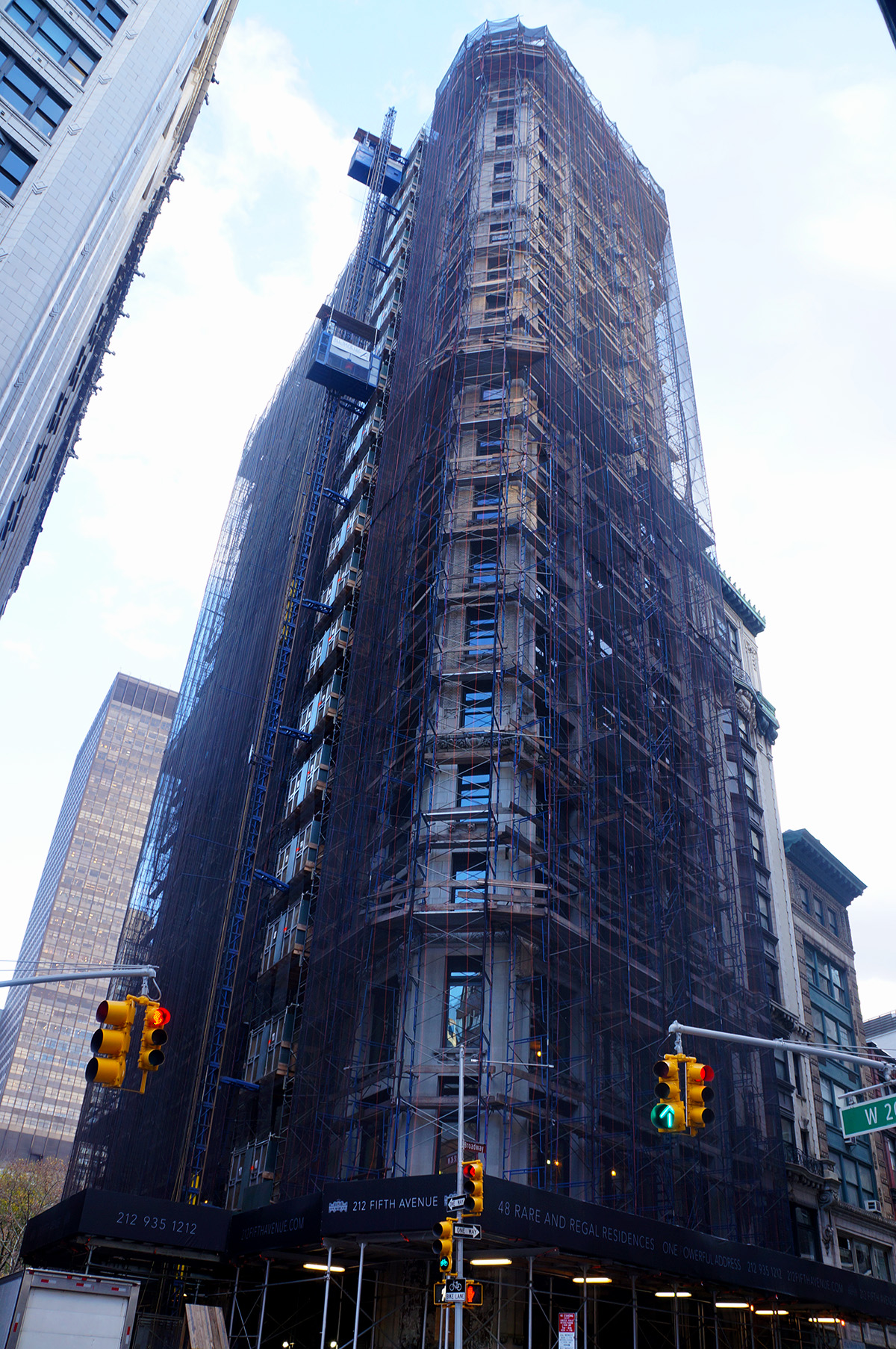
The Essential Guide to NYC Condo Conversions: Regulatory Framework and Process
An NYC condo conversion is the legal and physical process of transforming a rental property, cooperative building, or commercial asset into a condominium form of ownership. This procedure is strictly governed by the New York State Atto...
An NYC condo conversion is the legal and physical process of transforming a rental property, cooperative building, or commercial asset into a condominium form of ownership. This procedure is strictly governed by the New York State Attorney General’s Office, requiring the submission of an offering plan, adherence to tenant protection statutes, and significant architectural or structural compliance to meet current building codes.
Contents
Understanding the Conversion Landscape in 2026
In the current New York City market, a condo conversion represents a sophisticated real estate strategy. Whether you are a developer looking to maximize asset value or a tenant facing a building transition, understanding the distinction between the "Condominium" and "Cooperative" forms of ownership is paramount. A condominium is a form of real property ownership where the owner holds a fee simple interest in their specific unit and an undivided interest in the building’s common elements. This differs from a co-op, where the resident owns shares in a corporation that owns the building, accompanied by a proprietary lease.
Conversion projects generally fall into two categories: "eviction" plans, which allow developers to terminate existing tenancies under specific legal conditions, and "non-eviction" plans, which require the sponsor to offer apartments to current tenants while allowing those who decline the purchase to remain as renters under rent-stabilization protections if applicable.
Prerequisites and Legal Obligations
The process begins long before construction crews arrive. Before any units can be marketed for sale, the project must undergo rigorous scrutiny by the New York State Department of Law (Real Estate Finance Bureau).
- Retaining Specialized Counsel: Real estate law in New York regarding conversions is dense. You must hire an attorney specializing in the Martin Act, the legislation that governs the offer and sale of securities and real estate syndications in New York.
- Drafting the Offering Plan: This is the primary disclosure document. It provides prospective buyers with detailed information about the building's physical condition, the budget for common charges, the reserve fund, and the rights of existing tenants.
- The Reserve Fund Requirement: Under New York law, specifically local statutes governing conversions, sponsors are generally required to establish a reserve fund for the condominium to handle future capital repairs. The size of this fund is typically tied to a percentage of the total offering price.
- Physical Inspection and Building Code Compliance: The building must be inspected to ensure it meets current New York City Construction Codes. Often, older rental buildings require significant upgrades to fire safety, electrical capacity, and accessibility (ADA) standards before they can be legally recognized as residential condominiums.
The Conversion Process: A Strategic Roadmap
Converting a building is a multi-year commitment involving financial, legal, and operational hurdles. The workflow generally follows a standard sequence of milestones:
- Feasibility Analysis: Assessing the net gain of selling individual units versus the cash flow of a rental property. This must account for the costs of upgrading common areas, administrative fees, and marketing.
- Tenant Notification: If the building is currently occupied, the sponsor must serve a formal Notice of Intent to convert. This document triggers specific legal timelines and informs tenants of their right of first refusal to purchase their units at an "insider" price.
- Submission of the Red Herring: The draft offering plan, known as the "red herring," is submitted to the Attorney General. The AG's office will issue a deficiency letter, requiring the sponsor to address specific concerns before the plan is accepted for filing.
- Declaration of Effectiveness: Once a sufficient number of units have been sold—or the legal thresholds for a non-eviction plan have been met—the sponsor declares the plan effective. This is the point at which the conversion moves from a proposal to a binding legal reality.
Financial and Operational Considerations
For the sponsor, the primary objective is to reach the threshold of "effectiveness" as quickly as possible to minimize holding costs. For the eventual owners, the transition involves the shift from a landlord-tenant relationship to a collective governance structure managed by a Board of Managers.
| Consideration | Rental Property | Condominium |
|---|---|---|
| Governance | Managed by owner/landlord | Governed by elected Board of Managers |
| Property Tax | Integrated into rent | Paid directly by the unit owner |
| Capital Repairs | Responsibility of landlord | Funded by common charges and reserve |
| Resale Potential | None (limited to leasehold) | High (market-rate asset appreciation) |
Common Risks and Challenges
The most significant risks in a conversion project are regulatory delays and market volatility. If the real estate market shifts during the protracted period between the initial submission and the declaration of effectiveness, the sponsor may find that the projected sell-out prices are no longer viable.
Furthermore, "non-eviction" plans often result in a building with a mix of unit owners and rent-stabilized tenants. This creates a dual-management scenario where the Board of Managers must navigate the requirements of the New York State Division of Housing and Community Renewal (DHCR) alongside the private rights of the condo owners. Disputes over common charges, building amenities usage, and capital improvement assessments are common in such "split" buildings.
Frequently Asked Questions
What is the difference between an eviction and a non-eviction plan? An eviction plan allows a sponsor to terminate the leases of non-purchasing tenants after specific legal notice periods and requirements are met. A non-eviction plan—which is far more common in the current climate—prohibits the eviction of tenants who choose not to purchase, provided they continue to pay their rent and adhere to their lease terms.
How does an NYC condo conversion impact rent-stabilized tenants? Rent-stabilized tenants are afforded significant protections under New York law. They cannot be evicted simply because of a conversion. Even if they choose not to purchase their unit, their rent-stabilized status typically carries over, and they retain their rights to lease renewals, subject to oversight by the DHCR.
What is the role of the Attorney General in the conversion? The Attorney General’s Real Estate Finance Bureau serves as a consumer protection agency. Their primary role is to ensure that the offering plan is truthful, accurate, and contains no material omissions. They do not judge the "value" of the investment; they judge the adequacy of the disclosures.
What is the minimum number of units required to convert? There is no minimum number of units defined by a specific "floor" for the act of conversion itself; however, for a project to be financially viable and for the condo association to function, the sponsor must satisfy the "effectiveness" threshold defined in their specific offering plan, which is usually a significant percentage of the total units.
Are there tax implications for the sponsor during conversion? Yes. The conversion process may trigger "transfer taxes" (NYC and NYS) and potential capital gains tax consequences. The sponsor must consult with a tax professional to structure the transfer of the property into the condominium entity to optimize these liabilities.
Moving Forward
If you are considering a conversion, your first step should be to engage an experienced real estate attorney who has a track record of successfully navigating the Attorney General’s filing process. Review the building’s current rent roll, confirm the status of all existing leases, and conduct a preliminary engineering audit to estimate the capital expenditures required to satisfy modern building codes. A successful conversion is a product of precise legal drafting and clear communication with existing stakeholders.
Image Gallery