Comprehensive Guide to California Los Angeles Auto Insurance in 2026
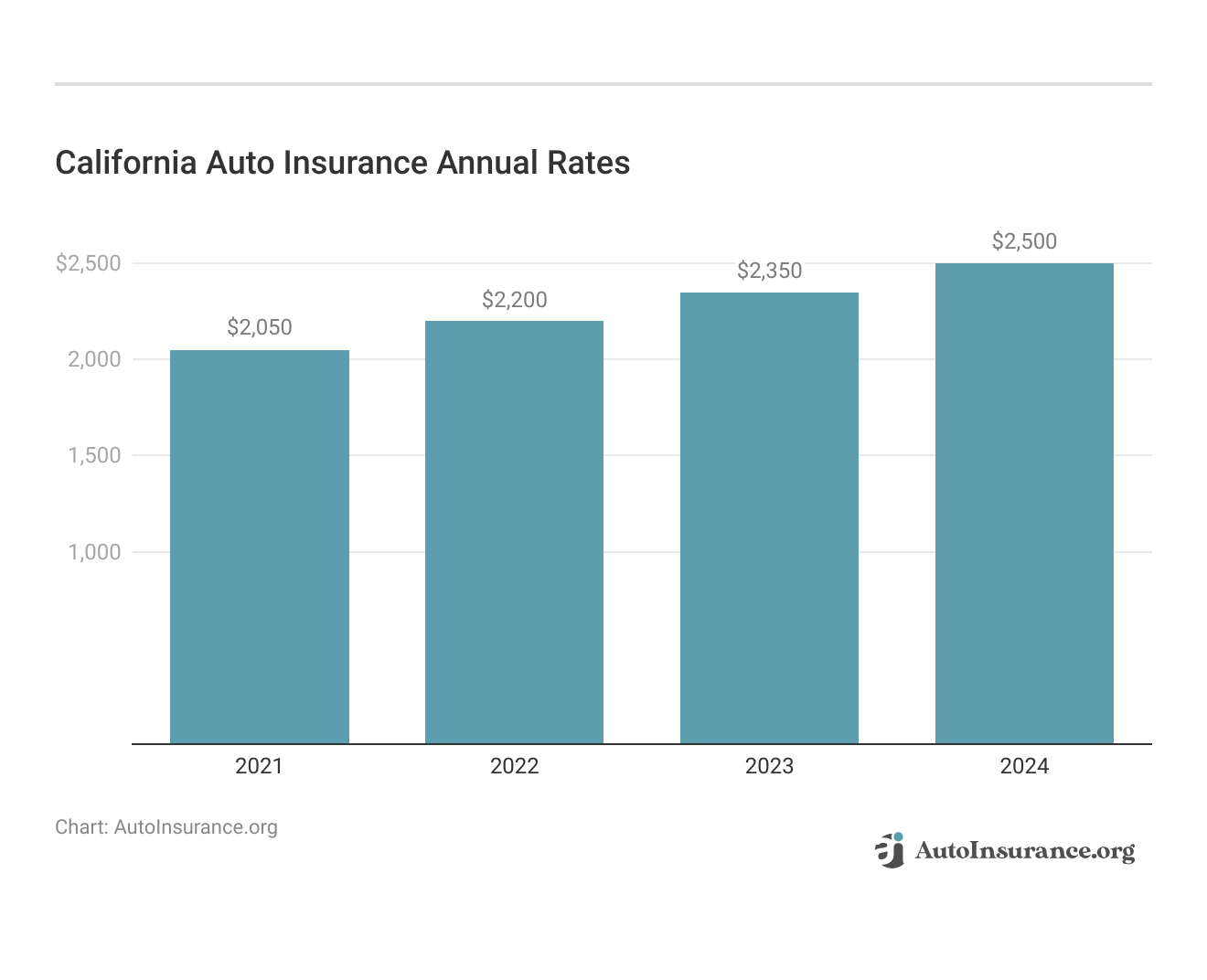
Navigating auto insurance in Los Angeles requires meeting California’s mandatory 15/30/5 liability limits while accounting for the region’s high litigation rates and repair costs. In 2026, LA drivers face some of the highest premiums i...
Navigating auto insurance in Los Angeles requires meeting California’s mandatory 15/30/5 liability limits while accounting for the region’s high litigation rates and repair costs. In 2026, LA drivers face some of the highest premiums in the nation due to traffic density and uninsured motorist risks, making comprehensive coverage and discount optimization essential.
Contents
Driving in Los Angeles is a unique challenge that combines some of the most congested freeways in the world with a complex legal landscape. Whether you are commuting on the 405 or navigating the surface streets of Downtown LA, understanding the nuances of California Los Angeles auto insurance is critical for both financial protection and legal compliance. As we move through 2026, the insurance market has evolved to incorporate more technology-driven pricing, yet the fundamental legal requirements and regional risks remain the cornerstone of any policy.
Mandatory Minimum Coverage in California
California law remains strict regarding the minimum amount of insurance a driver must carry. These requirements are often referred to as the 15/30/5 limits. While these are the legal minimums to register a vehicle at the California Department of Motor Vehicles (DMV), they are rarely sufficient for the high-cost environment of Los Angeles.
The minimum liability limits include:
- $15,000 for bodily injury or death to one person: This covers the medical expenses or legal fees associated with an injury to another individual in an accident where you are at fault.
- $30,000 for bodily injury or death to more than one person: This is the total cap your insurance will pay for all injuries resulting from a single accident.
- $5,000 for property damage: This pays for damage to another person's vehicle or property, such as a fence or storefront.
In a city like Los Angeles, where the average cost of a new vehicle often exceeds $45,000, a $5,000 property damage limit is dangerously low. If you are involved in a multi-car pileup on the 101 Freeway, you could be held personally liable for damages exceeding that small limit. Experts in 2026 generally recommend increasing these limits to at least 100/300/50 to protect personal assets from lawsuits.
Why Los Angeles Insurance Rates Differ from the Rest of California
Los Angeles consistently ranks as one of the most expensive cities for auto insurance in California. Several socio-economic and geographic factors contribute to these elevated premiums. Understanding these variables can help drivers better anticipate their monthly costs.
Population Density and Traffic Congestion
Los Angeles County is the most populous county in the United States. The sheer volume of vehicles on the road increases the statistical probability of collisions. Frequent stop-and-go traffic on major arteries leads to a high frequency of "fender benders," which, while not always fatal, result in a constant stream of insurance claims that drive up regional pool costs.
High Rates of Uninsured Drivers
Despite strict laws, a significant percentage of drivers in the Los Angeles metro area remain uninsured. This forces insured drivers to carry Uninsured Motorist (UM) coverage to protect themselves, adding an extra layer of cost to their premiums. When an uninsured driver causes an accident, the victim’s insurance company often bears the brunt of the costs, which eventually trickles down into higher rates for everyone in the zip code.
Litigation and Medical Costs
California is a "tort" state, meaning someone is always found at fault in an accident. In Los Angeles, the legal environment is highly litigious. High medical costs at Southern California hospitals and a high concentration of personal injury attorneys mean that even minor injury claims can result in substantial payouts, which insurers offset through higher premiums.
Essential Coverage Types for LA Drivers in 2026
While liability is the only coverage mandated by the state, several other types are considered "essential" for those living in Los Angeles.
Collision and Comprehensive Coverage
In a city prone to vehicle theft and catalytic converter larency, comprehensive coverage is vital. It covers non-collision events such as theft, fire, vandalism, and damage from natural disasters (like wildfires or falling palm fronds). Collision coverage, on the other hand, pays for repairs to your own vehicle regardless of who is at fault. If you are financing or leasing a vehicle in LA, your lender will almost certainly require both.
Uninsured/Underinsured Motorist (UM/UIM)
Given the prevalence of uninsured drivers in Los Angeles, UM/UIM coverage is perhaps the most important "optional" add-on. If you are hit by a driver who has no insurance or whose limits are too low to cover your medical bills, your UM/UIM policy steps in to fill the gap. In 2026, many carriers offer "Uninsured Motorist Property Damage" (UMPD) as well, which specifically protects your car's value in hit-and-run scenarios.
Medical Payments (MedPay)
MedPay is a no-fault coverage that handles immediate medical expenses for you and your passengers after an accident. In the high-cost medical landscape of LA, having MedPay can ensure you receive immediate treatment without waiting for a lengthy fault determination process between insurance companies.
| Coverage Type | Mandatory? | Purpose | Recommended Limit (2026) |
|---|---|---|---|
| Bodily Injury Liability | Yes | Pays for others' injuries | $100,000 / $300,000 |
| Property Damage Liability | Yes | Pays for others' property | $50,000 - $100,000 |
| Uninsured Motorist | No* | Pays for your injuries | Match Liability Limits |
| Collision | No | Pays for your car repairs | Actual Cash Value |
| Comprehensive | No | Pays for theft/vandalism | Actual Cash Value |
| Medical Payments | No | Immediate medical bills | $5,000 - $10,000 |
*While not state-mandated, insurers must offer it in writing, and you must sign a waiver to decline it.
The Role of Proposition 103 in LA Insurance Rates
California’s insurance market is governed by Proposition 103, a landmark piece of legislation passed in 1988 that remains the framework for rate-setting in 2026. Under this law, the California Department of Insurance must approve any rate increases before they take effect.
Proposition 103 mandates that insurance companies prioritize three primary factors when determining your premium:
- Driving Safety Record: Your history of accidents and traffic violations.
- Annual Mileage: The number of miles you drive each year (heavily relevant for LA commuters).
- Years of Driving Experience: How long you have been licensed.
Secondary factors, such as zip code, marital status, and vehicle type, are allowed but must carry less weight than the primary three. This is why a "Good Driver Discount" is legally required in California; if you meet the criteria, insurers must provide a discount of at least 20%.
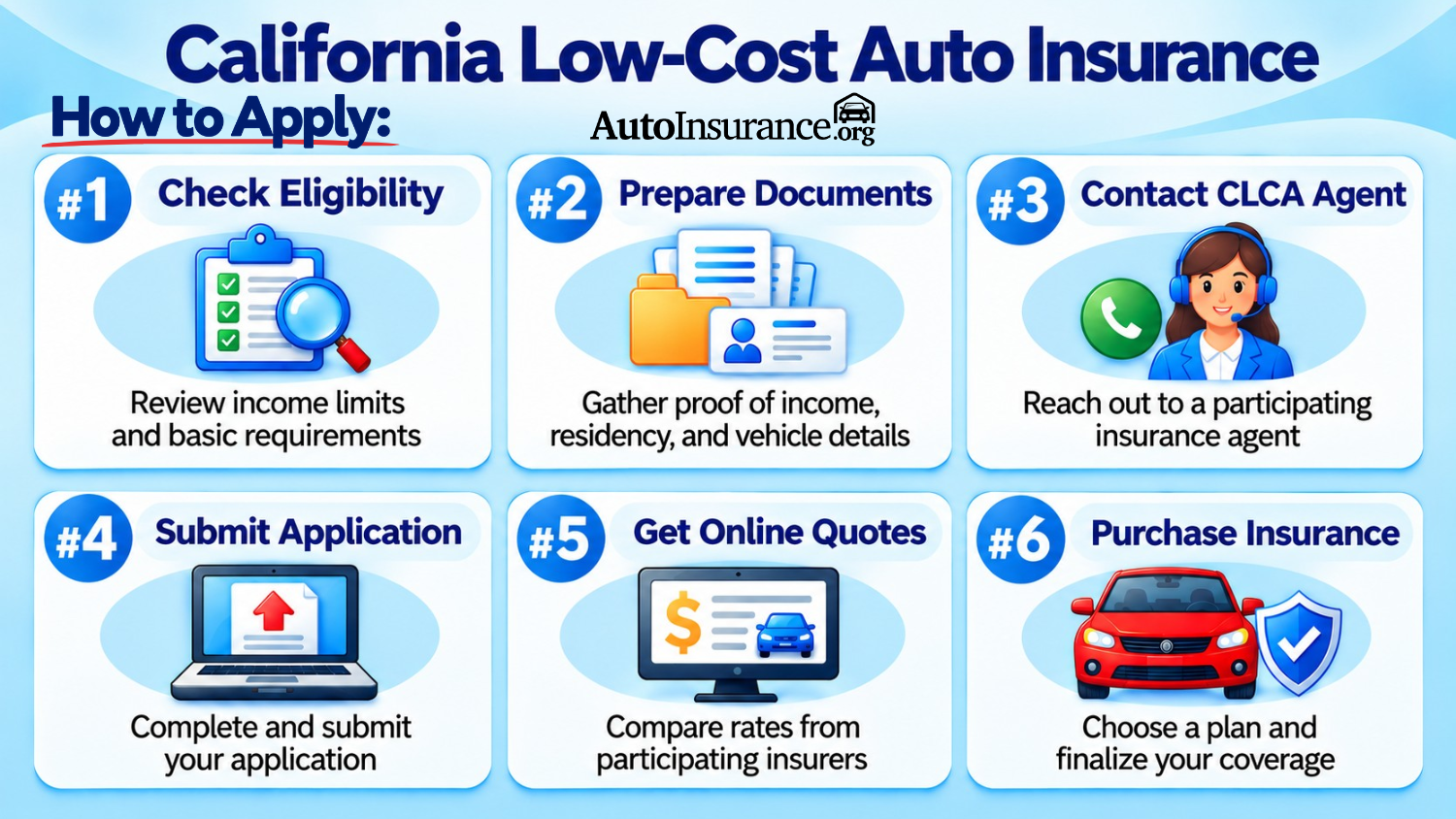
California Low Cost Auto Insurance (CLCA) Program
For many Los Angeles residents, the cost of standard private insurance is prohibitive. The state-sponsored California Low Cost Auto Insurance program provides an affordable alternative for low-to-moderate-income drivers who meet specific eligibility requirements.
To qualify for CLCA in Los Angeles, drivers must:
- Have a valid California driver’s license.
- Own a vehicle valued at $25,000 or less.
- Be at least 16 years of age.
- Meet income eligibility requirements (calculated based on household size).
The coverage limits for CLCA are lower than the standard state minimums (e.g., $10,000 for bodily injury per person), but they satisfy the legal requirement for financial responsibility. This program is a critical resource for maintaining legal status for those working in the gig economy or service sectors within the city.
Modern Trends: Telematics and Usage-Based Insurance (UBI)
By 2026, telematics has become a standard feature for most major carriers in Los Angeles. Usage-based insurance programs use smartphone apps or plug-in devices to track driving behavior, including braking patterns, speed, and the time of day you drive.
In a city like LA, where many people have transitioned to hybrid or remote work, telematics offers a way to lower premiums based on reduced mileage. If you only use your vehicle for errands in Santa Monica and avoid the peak-hour rush on the freeways, UBI can result in significant savings compared to traditional "estimated mileage" policies. However, drivers should be aware that aggressive driving behavior captured by these apps can sometimes lead to rate increases depending on the carrier's specific terms.
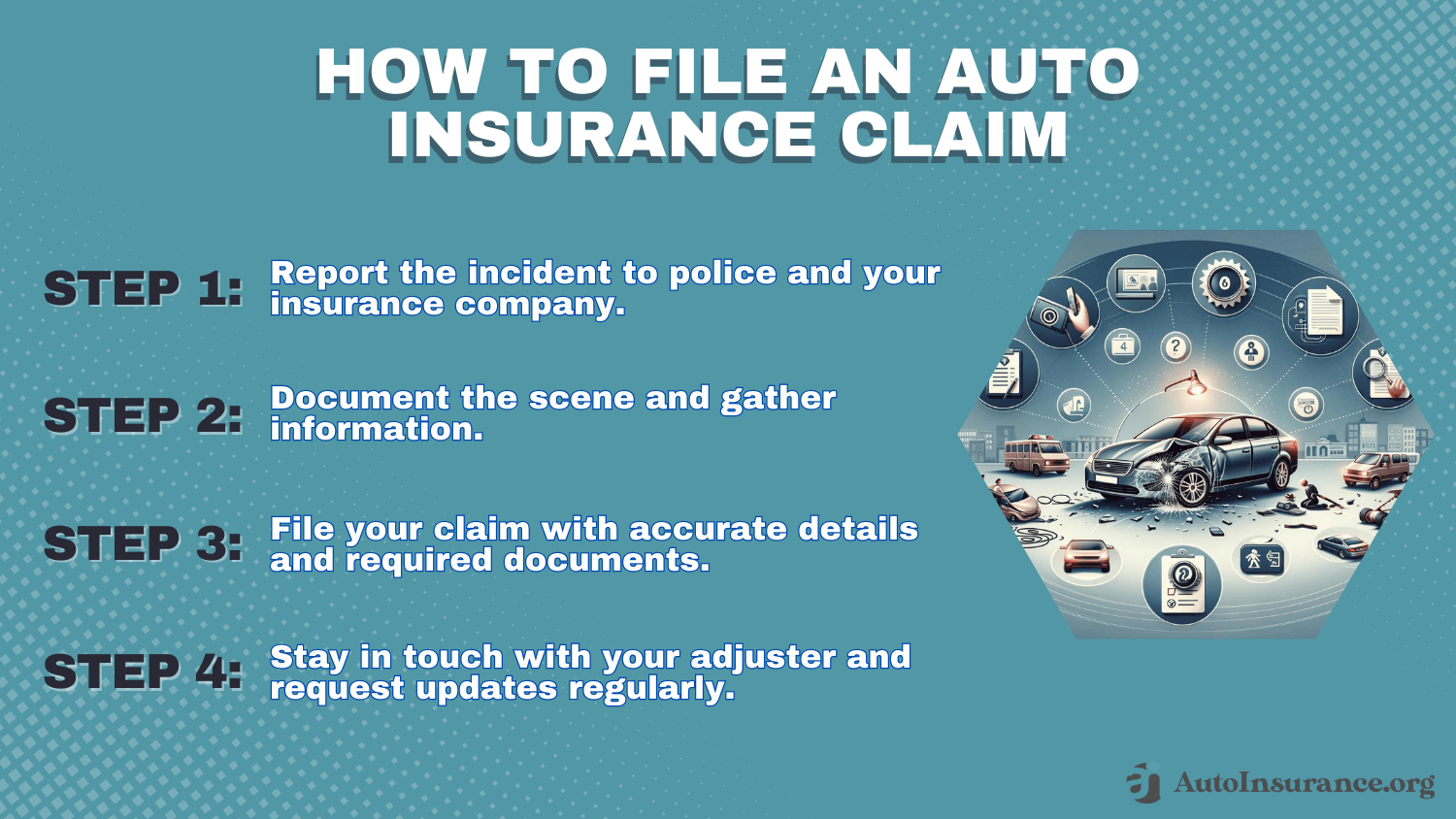
Steps to Take After an Accident in Los Angeles
The density of Los Angeles makes the immediate aftermath of an accident chaotic. Knowing the specific legal steps required in California is essential for a successful insurance claim.
- Ensure Safety and Move Vehicles: If there are no injuries and the vehicles are operable, California law encourages moving them out of the flow of traffic to a safe location.
- Exchange Information: You must exchange driver’s license info, vehicle registration, and insurance details with the other party.
- Document the Scene: Use your smartphone to take photos of the damage, the street layout, and any relevant signage.
- File a Police Report: In Los Angeles, the LAPD may not respond to minor "fender benders" where there are no injuries. However, you should still attempt to file a report online or at a station for insurance documentation.
- Notify the DMV (SR-1 Form): If the accident results in injury, death, or property damage exceeding $1,000, you must file an SR-1 form with the DMV within 10 days. Failure to do so can result in a license suspension.
- Contact Your Insurer: Report the claim promptly, but be cautious about giving recorded statements until you have fully assessed your injuries.
Common Mistakes to Avoid
Many Los Angeles drivers overpay or find themselves under-insured due to a few common errors:
- Underestimating Mileage: With the complexity of LA traffic, a 10-mile commute can take an hour. Many drivers underestimate their annual mileage, which can lead to claim denials if the insurer discovers the discrepancy after a major accident.
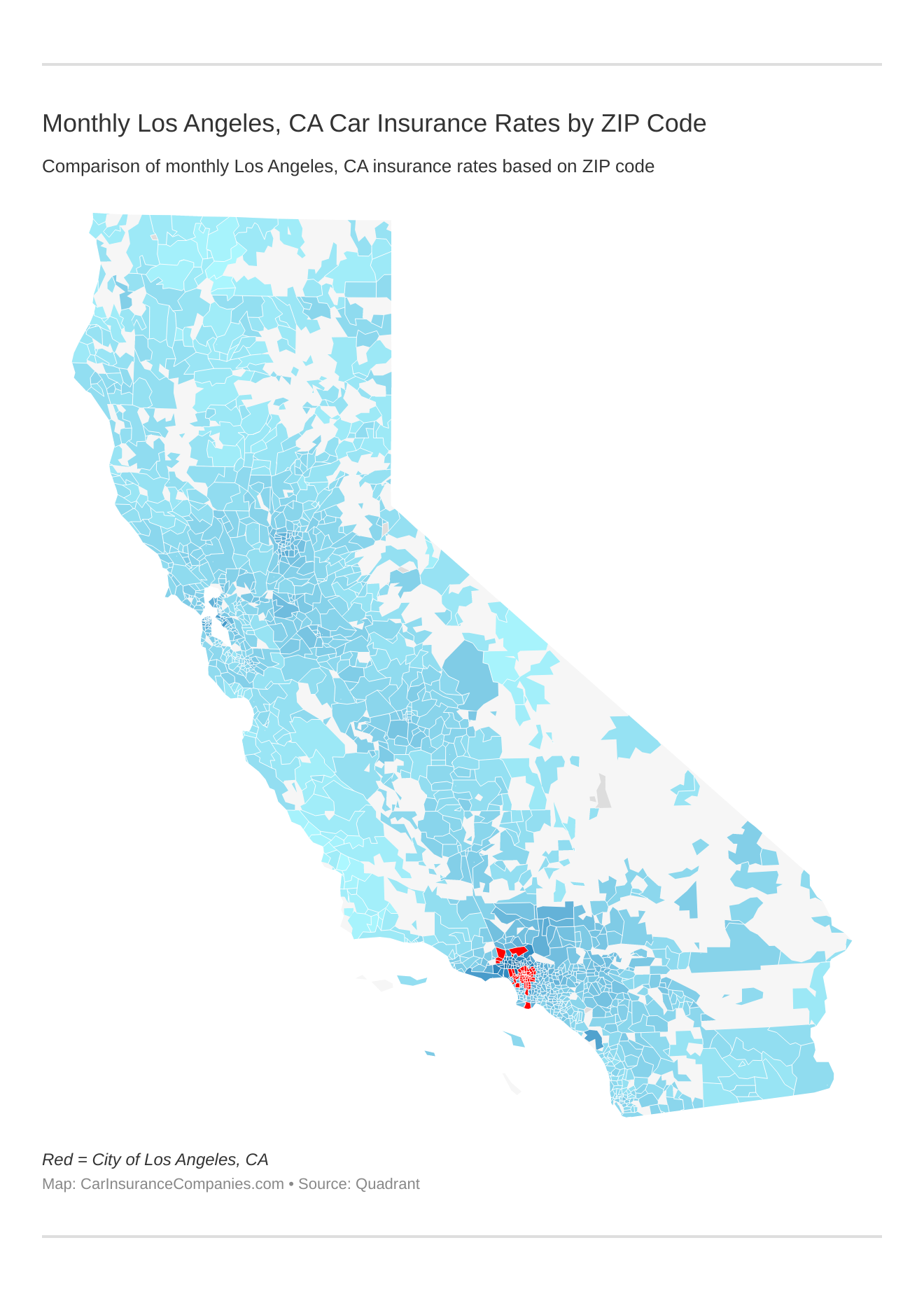
- Ignoring the Zip Code Effect: Moving just a few blocks from one LA neighborhood to another (e.g., from Culver City to Palms) can change your premium significantly. Always update your address immediately.
- Lapsing in Coverage: California insurers report coverage status electronically to the DMV. Even a one-day lapse can trigger a registration suspension and significantly higher "high-risk" rates when you try to re-insure.
Frequently Asked Questions
Is auto insurance more expensive in Los Angeles than in San Francisco?
Generally, yes. While both cities are expensive, Los Angeles often sees higher premiums due to the higher volume of total miles driven and a higher frequency of uninsured motorist claims. However, specific zip codes in San Francisco can occasionally rival LA rates depending on theft statistics.
Can I use a digital insurance card in Los Angeles?
Yes. California law allows drivers to provide proof of insurance on an electronic device, such as a smartphone. It is still recommended to keep a paper copy in the glovebox in case your phone battery dies or you are in an area with poor reception.
What happens if I drive without insurance in LA?
The penalties are severe. For a first offense, you face fines and a potential vehicle impoundment. Furthermore, under California’s "No Pay, No Play" law (Proposition 213), uninsured drivers cannot sue for non-economic damages (like pain and suffering) even if the other driver was 100% at fault.
How can I lower my premium if I live in a high-traffic area like Hollywood?
The most effective way is to maximize your Good Driver Discount by maintaining a clean record. Additionally, consider increasing your deductible from $500 to $1,000 if you have emergency savings; this can lower your monthly premium by 15-25%.
Does my insurance cover me if I drive for a rideshare service in LA?
Standard personal auto policies typically exclude "livery" or commercial use. If you drive for Uber or Lyft, you must inform your insurer and likely purchase a "Rideshare Endorsement." Without this, your insurer can deny any claim that occurs while the rideshare app is active.
Summary of Actionable Next Steps
To ensure you have the best California Los Angeles auto insurance for 2026, start by auditing your current coverage against the actual value of your assets. If you have a clean driving record, shop around every 12 months to ensure you are receiving the mandatory 20% Good Driver Discount. For those in high-congestion areas, inquire about telematics programs that reward low mileage. Finally, never settle for the state minimum property damage limit; the risks on Los Angeles freeways are simply too high for a $5,000 policy.
Image Gallery