Understanding Your Workers' Compensation Rights and Obligations
Workers' compensation is a state-mandated insurance program designed to provide medical care, lost wage replacement, and rehabilitation services to employees who suffer work-related injuries or occupational illnesses. It functions as a...
Workers' compensation is a state-mandated insurance program designed to provide medical care, lost wage replacement, and rehabilitation services to employees who suffer work-related injuries or occupational illnesses. It functions as a "no-fault" system, meaning you generally do not need to prove your employer was negligent to receive benefits, nor can you sue your employer for damages in most circumstances.
Contents
The Foundation of the Workers' Compensation System
At its core, workers' compensation is a social contract between employers and employees. Employers are required by law—in nearly every U.S. jurisdiction—to carry insurance that covers work-related accidents. In exchange for this guaranteed coverage, employees relinquish the right to file civil lawsuits against their employers for workplace injuries. This system is designed to provide immediate, predictable relief to injured workers while protecting businesses from the unpredictable costs of litigation.
It is important to understand that workers' compensation is governed by state laws, not federal laws. Consequently, the specific benefits, eligibility requirements, reporting deadlines, and dispute resolution processes vary significantly depending on where you are employed. You must consult your state’s labor board or workers' compensation commission for specific rules applicable to your jurisdiction.
Determining Eligibility for Benefits
Not every injury occurring on the job is automatically covered. To qualify, an injury or illness must generally satisfy two primary criteria:
- Employment Status: You must be classified as an employee. Independent contractors, gig economy workers, and certain volunteers are frequently excluded from standard workers' compensation coverage.
- Course and Scope of Employment: The injury must arise "out of and in the course of employment." This means the activity you were performing when injured must have been related to your job duties or performed at the direction of your employer.
Common examples of covered events include slips and falls in the office, injuries sustained while operating heavy machinery, or repetitive strain injuries like carpal tunnel syndrome that develop over time. Conversely, injuries sustained during a commute to or from work, or those occurring during a voluntary recreational activity, are typically excluded.
Essential Steps Following a Workplace Injury
If you are injured on the job, your immediate actions are critical to the success of your claim. Failure to follow these steps can jeopardize your ability to receive compensation.
- Seek Medical Attention: Your health is the priority. If the injury is an emergency, obtain immediate treatment. Even for minor injuries, ensure you see a physician as soon as possible to create a formal medical record.
- Notify Your Employer: You must report the injury to your supervisor or human resources department immediately. Most states have strict notification windows, often ranging from 30 to 90 days. If you fail to report the incident within this timeframe, your claim may be denied.
- Document Everything: Keep a detailed log of the accident, including the time, location, witnesses, and a description of what occurred. Save copies of all medical records, correspondence with your employer’s insurance carrier, and documentation regarding lost time from work.
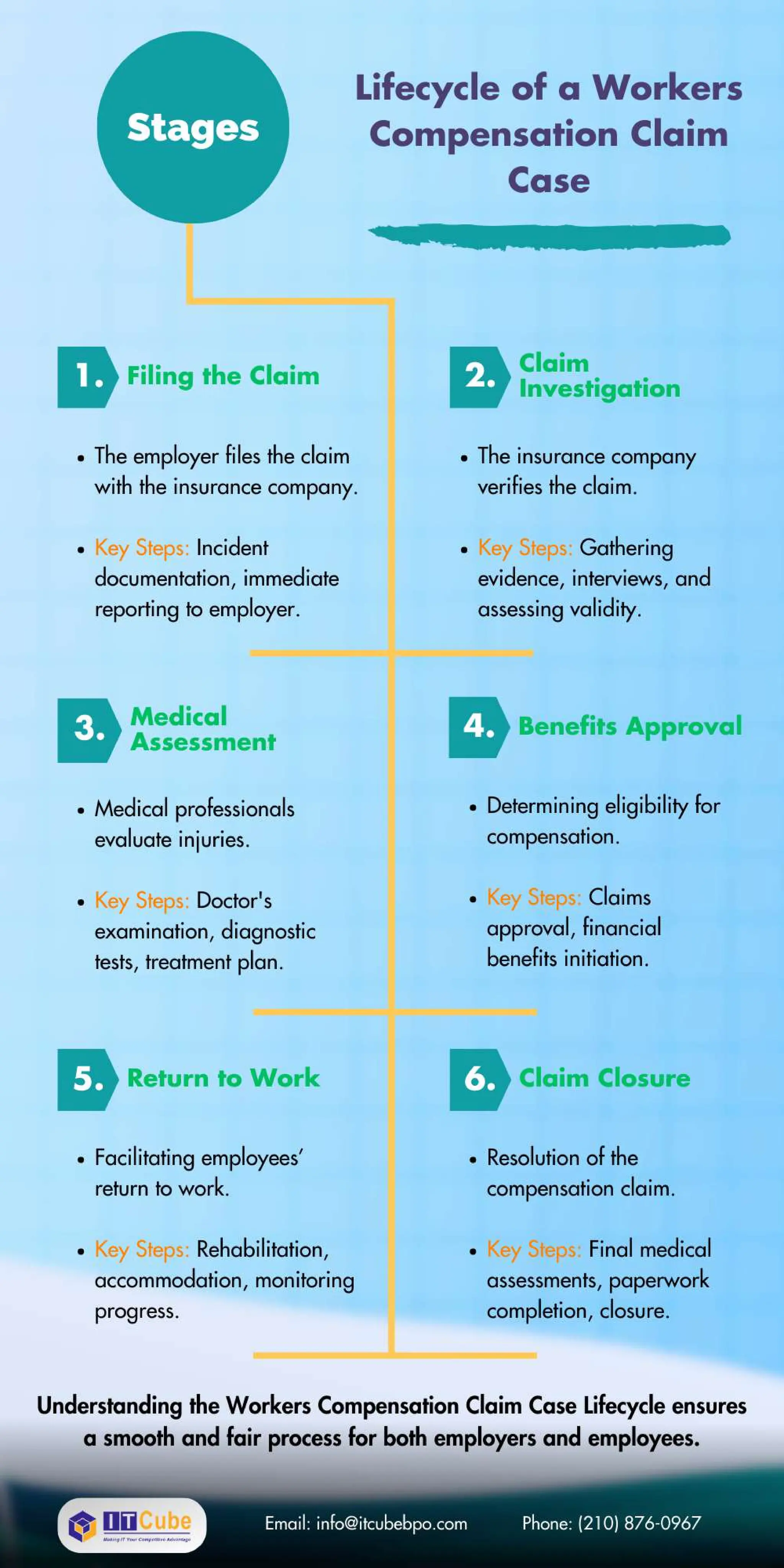
- File the Claim: Depending on your state, either you or your employer must file an official claim form with the state workers' compensation board. Your employer is legally required to provide you with the necessary paperwork.
Overview of Potential Benefits
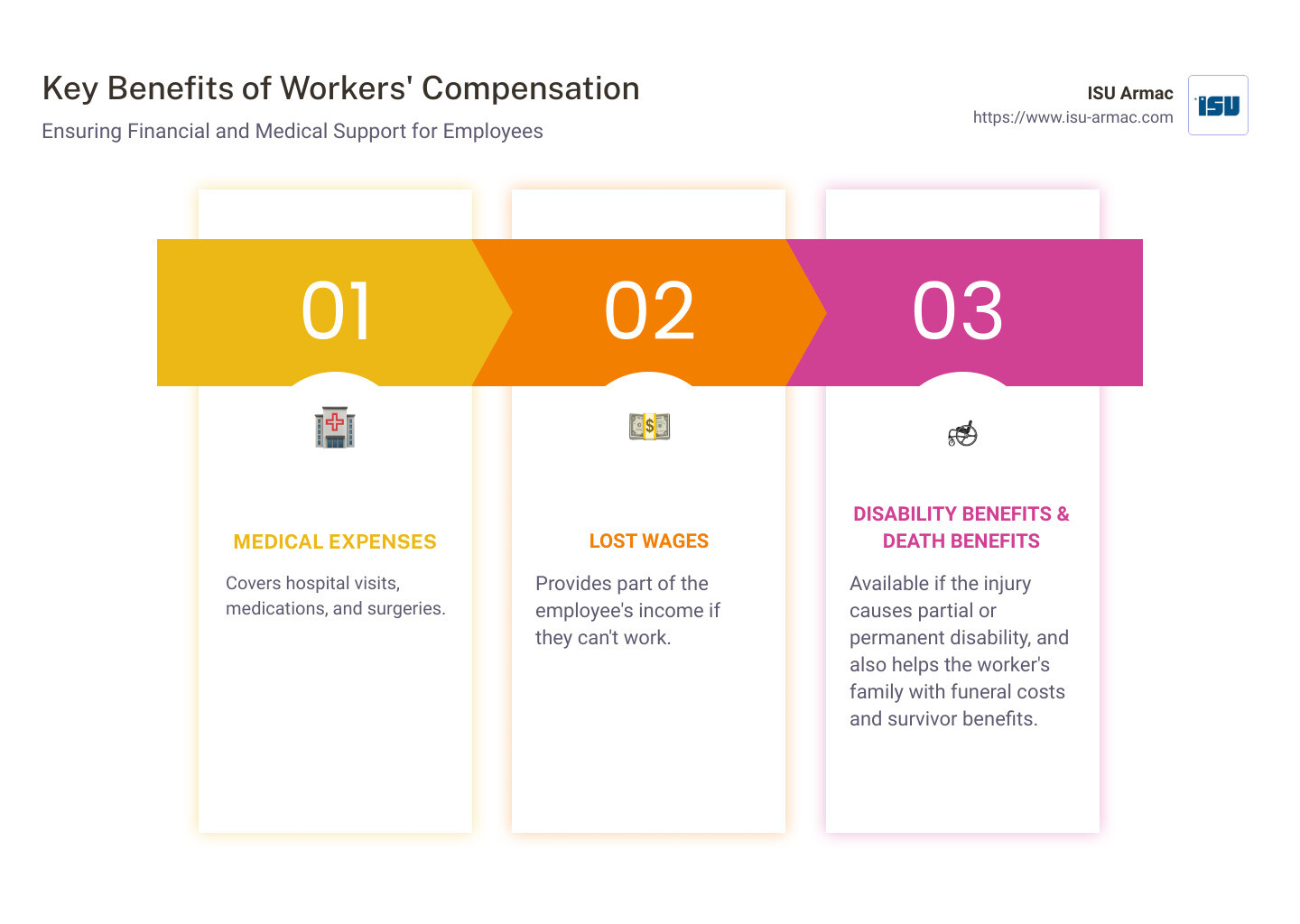
Workers' compensation is not a "payday" or a personal injury settlement; it is a restricted benefit system designed to restore you to your pre-injury state. Benefits are generally categorized into four primary areas:
| Benefit Type | Description |
|---|---|
| Medical Expenses | Covers all reasonable and necessary medical treatments related to the injury, including hospital visits, surgery, and prescriptions. |
| Temporary Disability | Partial wage replacement while you are recovering and unable to perform your regular job duties. |
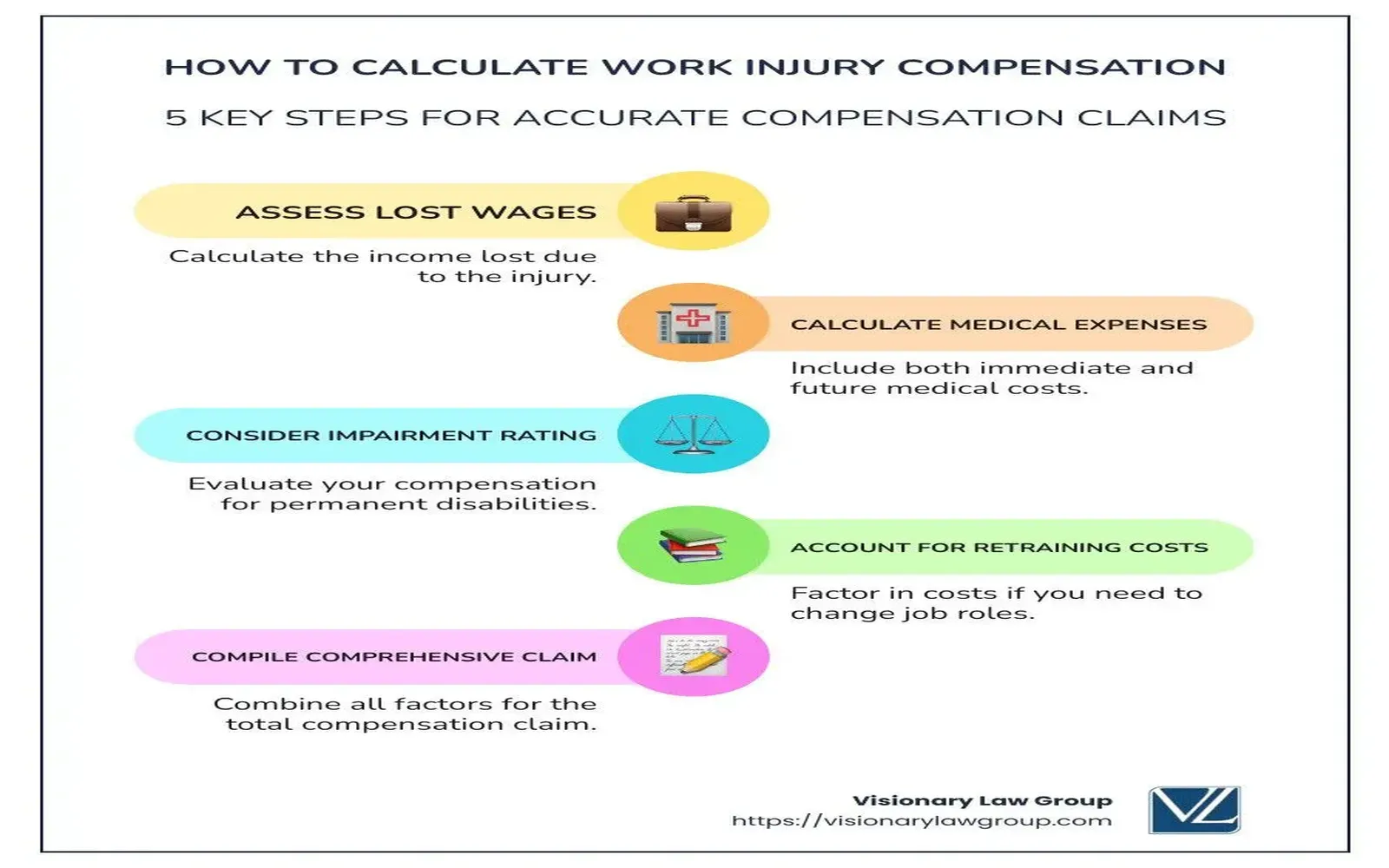
| Permanent Disability | Compensation for long-term or permanent impairments that result in a loss of earning capacity once maximum medical improvement is reached. |
| Vocational Rehabilitation | Support services or training provided if your injury prevents you from returning to your previous line of work. |
Navigating the Claims Process and Disputes
The process begins when the insurance carrier reviews the claim filed by your employer. They will verify whether the injury is work-related and determine the extent of your disability. If the insurance carrier accepts the claim, they will begin paying benefits.
However, claims are often contested. An insurer might deny a claim if they suspect the injury occurred outside of work, if they believe the treatment requested is not medically necessary, or if they argue your condition is pre-existing. If your claim is denied, you have the right to appeal the decision. This typically involves a hearing before an administrative law judge or a specialized workers' compensation board. While you are not strictly required to have an attorney at these hearings, the complexity of legal procedures and medical documentation often makes professional legal counsel advisable.
Common Misconceptions Regarding Workers' Compensation
Many employees harbor myths about how the system operates, which can lead to poor decision-making.
- Myth: I can be fired for filing a claim. In almost all states, it is illegal for an employer to retaliate against an employee for exercising their right to file a workers' compensation claim. If you are terminated shortly after reporting an injury, it may constitute wrongful termination.
- Myth: I have to use my own health insurance. You should not use your personal health insurance for work-related injuries. Doing so often leads to coverage disputes, as private health plans typically exclude injuries covered by workers' compensation.
- Myth: I can sue for pain and suffering. Because workers' compensation is a no-fault system, it does not provide compensation for "pain and suffering" or other general damages commonly associated with personal injury lawsuits.
Professional Guidance and Next Actions
If you are dealing with a severe injury, a claim denial, or a complicated impairment rating, you should seek guidance from a qualified workers' compensation attorney or a legal aid organization. These professionals understand the specific procedural nuances of your state's regulations and can help you navigate administrative hearings or complex settlement negotiations.
For your immediate next step, contact your human resources department to request a copy of your company’s workers' compensation information packet. If you have already been injured, ensure you have a formal medical evaluation from a doctor familiar with occupational health requirements.
Frequently Asked Questions
Do I need a lawyer to file for workers' compensation? Not necessarily. For straightforward, minor injuries where your employer is cooperative, you can often handle the claim process yourself. However, if your claim is denied, your injury results in permanent impairment, or your employer disputes the circumstances, legal counsel is highly recommended to protect your rights.
What happens if I reach "Maximum Medical Improvement"? Maximum Medical Improvement (MMI) is the point at which your condition has stabilized and is not expected to improve further with additional medical treatment. Once you reach MMI, your doctor will assign an impairment rating, which is used to calculate whether you are entitled to permanent disability benefits.
Can I choose my own doctor? This depends on state law. Some states allow employees to select their own physicians, while others grant the employer or the insurance carrier the right to direct your medical care to a specific provider or panel of doctors. Check your state's specific guidelines regarding "choice of physician."
What if my employer does not have workers' compensation insurance? If your employer is required by law to carry insurance but fails to do so, you may have legal recourse. In many states, you can file a civil lawsuit against the uninsured employer for damages, and there may be state-run funds specifically designed to pay benefits to employees of uninsured, non-compliant employers.
Are workers' compensation benefits taxable? Generally, workers' compensation benefits for temporary or permanent disability are not considered taxable income by the IRS. However, you should consult with a tax professional regarding your specific situation, as some settlements or circumstances may carry different reporting requirements.
Image Gallery