LasikPlus in Mt. Laurel, New Jersey: Complete Patient Guide to Laser Vision Correction
LasikPlus in Mount Laurel, New Jersey, offers specialized laser vision correction services, including Custom All-Laser LASIK and Photorefractive Keratectomy (PRK). Located in Burlington County, the facility provides comprehensive pre-o...
LasikPlus in Mount Laurel, New Jersey, offers specialized laser vision correction services, including Custom All-Laser LASIK and Photorefractive Keratectomy (PRK). Located in Burlington County, the facility provides comprehensive pre-operative evaluations, state-of-the-art diagnostic mapping, board-certified refractive surgeons, and structured financing options for patients seeking reduced dependence on corrective eyewear across South Jersey and the greater Philadelphia area.
Contents
Medical Disclaimer: The information provided in this guide is for educational purposes only and does not constitute medical advice. Laser vision correction is a surgical procedure with inherent risks, benefits, and candidacies. Consult a qualified, board-certified ophthalmologist to determine if refractive surgery is appropriate for your specific ocular health and prescription.
Overview of LasikPlus in Mount Laurel, New Jersey
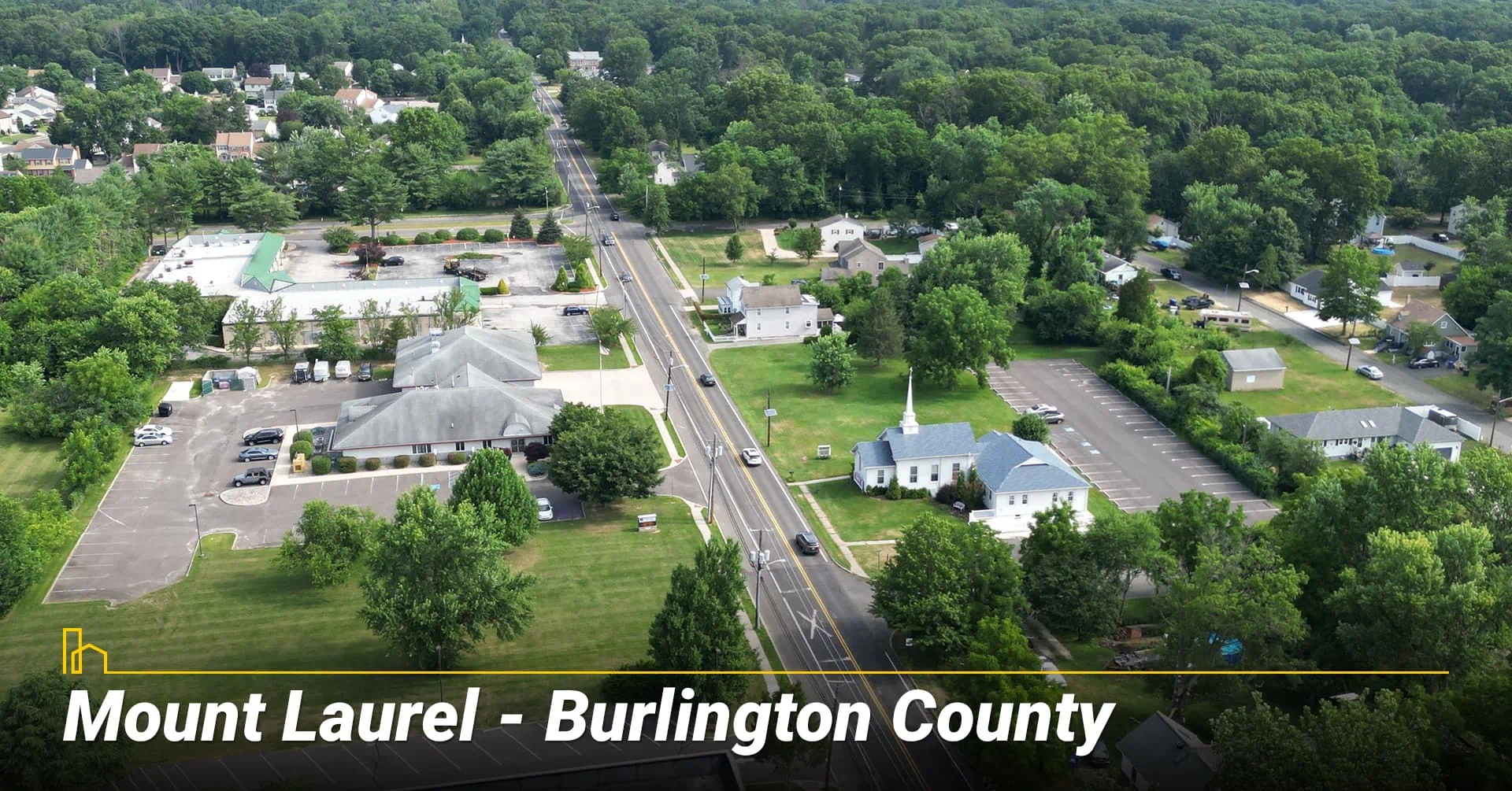
Laser vision correction has evolved into one of the most frequently performed elective surgical procedures in the United States. For residents living in South Jersey, including Burlington, Camden, and Gloucester counties, as well as commuters from nearby Philadelphia, LasikPlus in Mt. Laurel, New Jersey serves as a specialized regional center dedicated exclusively to refractive eye surgery.
Unlike general ophthalmic practices that balance primary vision care, optical dispensaries, and management of chronic diseases like cataracts or glaucoma, LasikPlus centers focus almost entirely on laser-based refractive treatments. This singular focus allows the clinic to maintain high procedure volumes, house specialized diagnostic and surgical suite technology, and streamline patient scheduling from initial evaluation through post-operative care.
Situated near major regional transit arteries—including Interstate 295, New Jersey Route 38, and the New Jersey Turnpike—the Mt. Laurel facility provides convenient access for patients traveling throughout Southern and Central New Jersey.
Laser Vision Correction Procedures Offered
At the Mount Laurel facility, surgeons utilize advanced laser platforms to correct common refractive errors, including myopia (nearsightedness), hyperopia (farsightedness), and astigmatism. Choosing the correct surgical modality depends on individual corneal architecture, prescription depth, lifestyle requirements, and medical history.
- Diagnostic Mapping (Wavefront Analysis & Corneal Topography)
- Is Corneal Thickness & Geometry Adequate?
- YES: All-Laser Femto-LASIK
- Femtosecond Flap Creation
- Excimer Laser Reshaping
- Rapid Visual Recovery
- NO: PRK
- Epithelial Surface Removal
- Excimer Laser Reshaping
- Surface Regeneration Period
- YES: All-Laser Femto-LASIK
All-Laser / Bladeless LASIK
Traditional LASIK previously relied on a mechanical oscillating blade called a microkeratome to create a thin hinge or "flap" on the outer surface of the cornea. LasikPlus in Mt. Laurel primarily utilizes an all-laser approach (Bladeless LASIK):
- Femtosecond Laser Flap Creation: A ultra-fast femtosecond laser uses tiny light pulses to create a uniform, precise flap at a pre-determined corneal depth without mechanical cutting.
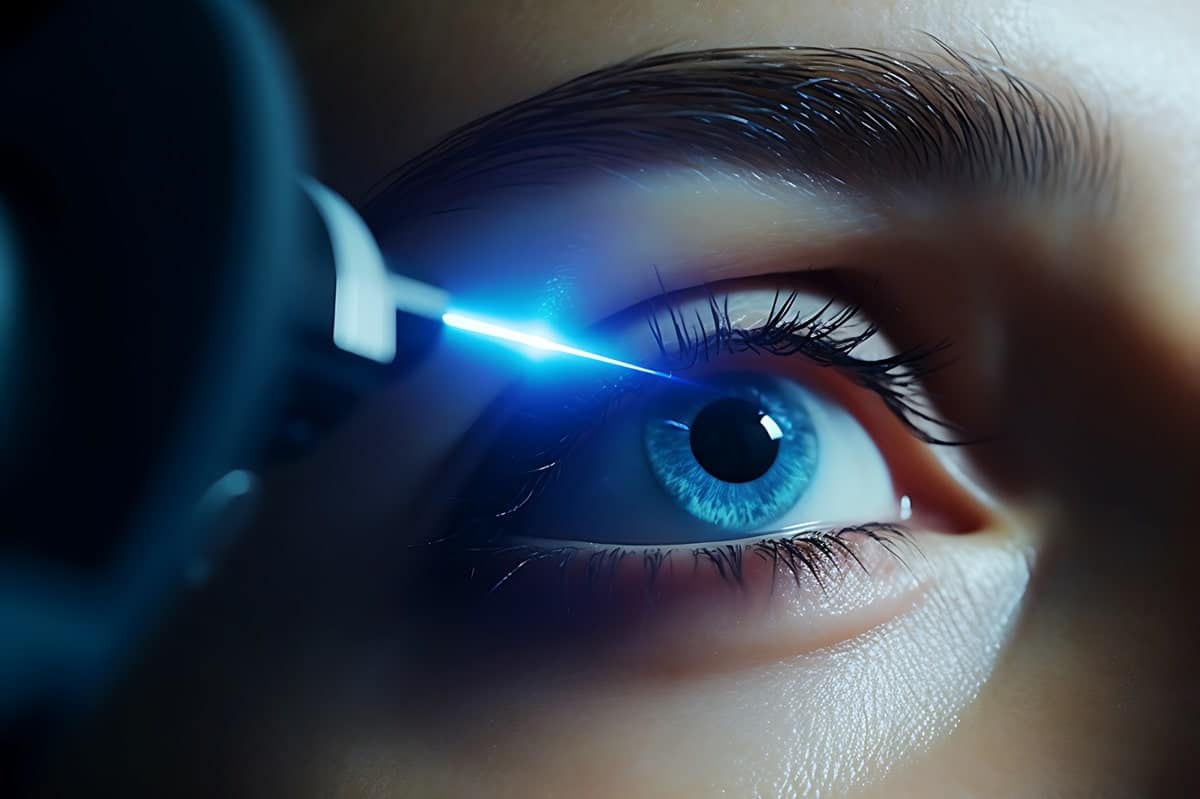
- Excimer Laser Reshaping: The surgeon gently lifts the flap and applies an excimer laser to ablate micro-thin layers of stromal tissue, reshaping the curvature of the cornea so light focuses accurately on the retina.
- Flap Repositioning: The corneal flap is smoothed back into place, where it adheres naturally without the need for sutures.
All-laser techniques reduce the risk of flap-related complications, improve predictability in thin corneas, and accelerate visual recovery.
Custom Wavefront-Guided & Topography-Guided LASIK
To optimize visual outcomes beyond basic prescription numbers, the clinic employs custom laser profiling technology. Standard LASIK addresses lower-order aberrations (nearsightedness, farsightedness, and regular astigmatism). Custom procedures utilize 3D wavefront mapping or corneal topography to identify higher-order aberrations—unique, microscopic imperfections in the eye's optical system.
- Wavefront-Guided LASIK: Measures how light travels through the entire eye, generating a customized treatment map to improve contrast sensitivity and reduce night glare or halos.
- Topography-Guided LASIK (e.g., Contoura Vision): Maps thousands of elevation points on the surface of the cornea to correct tiny irregularities, yielding custom optical smoothness.
Photorefractive Keratectomy (PRK)
For patients who are not suitable candidates for LASIK due to thin corneas, subtle corneal irregularities, recurring dry eye syndrome, or specific physical vocations (such as military service or contact sports), the Mt. Laurel center offers Photorefractive Keratectomy (PRK).
In PRK, no corneal flap is created. Instead, the surgeon gently removes the thin outer epithelial layer of the cornea before applying the same excimer laser to reshape the tissue underneath. A temporary protective soft contact lens is placed over the eye while the epithelium regenerates naturally over 3 to 5 days. While recovery takes longer than LASIK, ultimate visual acuity results are comparable.
Comprehensive Candidacy Evaluation and Diagnostic Testing
Determining eligibility is the most critical safety factor in refractive surgery. LasikPlus offers prospective patients an initial consultation to complete rigorous diagnostic screening.
Patient Assessment Flowchart:
- Initial Consultation
- Review Ocular & Medical History
- Verify Prescription Stability (12+ Months)
- Advanced Diagnostic Suite
- Corneal Topography & Tomography (Pentacam/Orbscan)
- Pachymetry (Corneal Thickness Mapping)
- Wavefront Aberrometry & Pupil Measurement
- Tear Film & Dry Eye Analysis
- Clinical Examination
- Cycloplegic Dilated Exam by Optometrist/Ophthalmologist
- Retinal Health & Intraocular Pressure Verification
- Final Determination
- Approved for All-Laser LASIK
- Approved for PRK
- Deferred/Ineligible (Alternative Options Discussed)
Key Eligibility Criteria
- Age: Candidates must be at least 18 years old, as vision prescriptions usually continue to fluctuate during adolescence.
- Prescription Stability: Refractive error must remain stable for at least 12 consecutive months prior to evaluation.
- Corneal Health: Patients must possess adequate corneal thickness to safely leave a sufficient stromal bed after laser ablation.
- General Ocular Health: Eyes must be free from active infections, severe dry eye disease, keratoconus, cataracts, advanced glaucoma, or corneal scarring.
- Systemic Health Factors: Uncontrolled autoimmune conditions (e.g., rheumatoid arthritis, lupus) or uncontrolled diabetes can impair tissue healing and may limit candidacy.
- Pregnancy and Nursing: Hormonal fluctuations during pregnancy and lactation alter corneal shape and fluid retention, requiring patients to postpone surgery until several months after nursing has ceased.
Surgery vs. Recovery Comparison: LASIK vs. PRK
The table below provides a side-by-side comparison of the primary features, recovery timelines, and technical demands of the two core procedures offered at the LasikPlus Mt. Laurel clinic:
| Feature / Metric | All-Laser LASIK | Photorefractive Keratectomy (PRK) |
|---|---|---|
| Primary Method | Femtosecond flap creation + Excimer laser | Epithelial surface removal + Excimer laser |
| Flap Creation | Yes (Femtosecond laser) | No flap |
| Ideal Candidate | Normal corneal thickness, mild-to-moderate dry eye risk | Thin corneas, active lifestyle/military, high dry eye risk |
| Procedure Duration | 10–15 minutes per eye (Laser time < 60 sec) | 10–15 minutes per eye (Laser time < 60 sec) |
| Immediate Sensation | Mild pressure during flap creation; no pain | Mild pressure; no pain during laser application |
| Initial Healing Phase | 24 to 48 hours | 3 to 5 days (bandage contact lens required) |
| Functional Vision Return | Usually 24 hours | 5 to 7 days |
| Final Vision Stabilization | 1 to 3 months | 1 to 3 months |
| Post-Op Discomfort | Mild scratchiness for 4–6 hours | Moderate discomfort/photophobia for 48–72 hours |
| Risk Profile | Rare flap dislocation or micro-wrinkles | Temporary haze during epithelial healing |
Cost Structure, Insurance, and Payment Plans
Understanding the financial commitment is essential when planning elective vision correction.
Cost Variables
Pricing for laser vision correction at LasikPlus varies based on several specific factors:
- Prescription Complexity: Higher degrees of nearsightedness, farsightedness, or complex astigmatism require additional laser processing time and detailed mapping.
- Technology Selected: Standard refractive treatment vs. personalized Wavefront or Topography-guided laser customization.
- Surgeon Expertise and Aftercare Plans: Inclusions such as comprehensive follow-up schedules and long-term enhancement assurances.
Insurance and Vision Benefit Savings
Elective laser vision correction is rarely covered as a standard medical necessity by traditional health insurance policies. However, many major vision insurance plans—such as VSP, EyeMed, and MetLife—partner with refractive centers to provide contracted member discounts (often 15% off standard rates or 5% off promotional pricing).
Tax-Advantaged Accounts and Financing Options
- Flexible Spending Accounts (FSA) & Health Savings Accounts (HSA): Patients can apply pre-tax funds from an HSA or FSA toward the full cost of LASIK or PRK, yielding substantial tax savings.
- Patient Financing Plans: LasikPlus regularly collaborates with healthcare financing companies (such as CareCredit) to offer 0% APR promotional financing over 6, 12, or 24 months for qualifying applicants, making monthly payments manageable.
The Step-by-Step Patient Journey
Understanding what to expect at every stage helps alleviate patient anxiety and optimizes surgical outcomes.
- PRE-CONSULTATION PREPARATION
- Discontinue soft contact lenses (5-7 days prior)
- Discontinue toric/rigid lenses (2-3 weeks prior)
- SURGICAL DAY
- Arrive with clean face (no makeup, lotions, perfume)
- Topical anesthetic drops applied (no IV needed)
- Laser procedure completed in ~15 minutes
- IMMEDIATE POST-OPERATIVE CARE
- Wear protective eye shields
- Rest eyes in a darkened room for 4-6 hours
- Apply prescribed antibiotic & steroid drops
- FOLLOW-UP CARE & STABILIZATION
- 24-Hour Post-Op Checkup at Mt. Laurel Clinic
- Resume driving once cleared by doctor
- Routine checks at 1 month, 3 months, and 12 months
1. Pre-Consultation Contact Lens Discontinuation
Contact lenses temporarily alter the natural shape of the cornea. To ensure the diagnostic mapping technology records an accurate baseline measurement of your eye:
- Soft Spherical Lenses: Must be removed continuously for at least 5 to 7 days prior to consultation and surgery.
- Toric / Astigmatism Lenses: Must be removed for 10 to 14 days prior.
- Rigid Gas Permeable (RGP) Lenses: Must be removed for 3 to 4 weeks prior.
2. Surgery Day Expectations
On the day of your procedure at the Mt. Laurel center:
- Wear comfortable clothing and avoid hair accessories that prevent lying flat on the surgical bed.
- Do not apply eye makeup, facial lotions, creams, or perfumes, as airborne particulates can interfere with sterile surgical field conditions and laser optics.
- Anesthetic eye drops are administered to fully numb the surface of the eye.
- A gentle eyelid holder (speculum) keeps the eye open, preventing blinking.
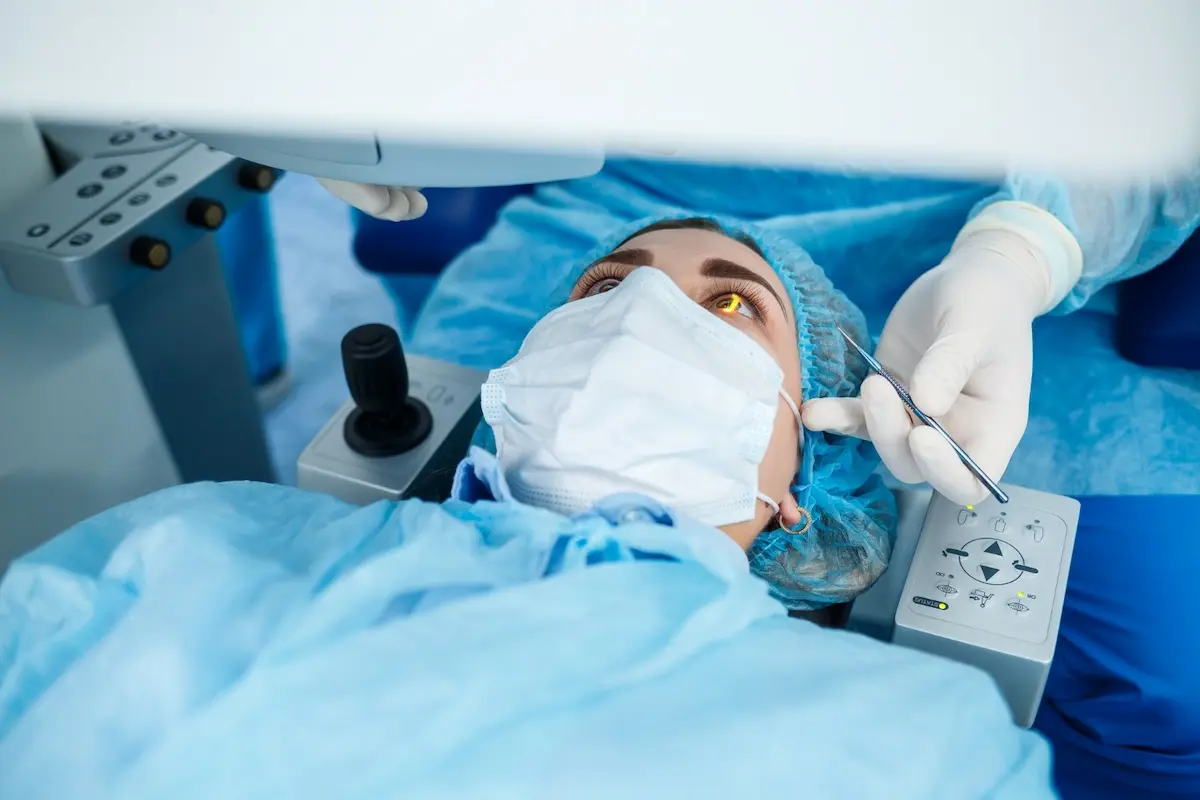
- You will be instructed to look at a fixation light while the laser executes its precise, pre-programmed treatment. The active laser treatment typically lasts less than 60 seconds per eye.
- You must arrange for a responsible adult driver to take you home following the procedure.
3. Immediate Post-Operative Care and Recovery
After LASIK, it is normal to experience mild tearing, a burning or scratchy foreign-body sensation, and light sensitivity for 4 to 6 hours.
- Rest: Patients are advised to keep their eyes closed and sleep for several hours immediately following the procedure.
- Protective Shields: Clear eye shields must be worn while sleeping for the first several nights to prevent accidental rubbing of the eyes.
- Prescription Eye Drops: A strict schedule of anti-inflammatory (steroid) and prophylactic antibiotic drops must be followed, alongside preservative-free artificial tears to maintain tear-film balance.
Most LASIK patients notice dramatic visual improvements by the morning after surgery, allowing them to attend their mandatory 24-hour post-operative appointment and safely resume driving.
Long-Term Vision Enhancement Guarantees
Vision can naturally shift over time due to aging processes, such as presbyopia (the age-related loss of close-up focusing flexibility starting around age 40) or natural nuclear sclerosis within the crystalline lens.
LasikPlus offers a qualifying Advantage Plan or Lifetime Vision Commitment for eligible patients. This program provides free or discounted retreatment (enhancements) if meaningful regression of the initial correction occurs later in life.
To maintain eligibility in a lifetime enhancement program, patients typically must:
- Complete all scheduled post-operative follow-up exams (24 hours, 1 month, 3 months, etc.).
- Undergo an annual comprehensive eye exam with an approved optometrist or ophthalmologist to document ongoing ocular health.
- Maintain an ocular baseline where secondary surgical enhancement remains medically safe (e.g., sufficient remaining corneal thickness).
Practical Tips for Visiting the Mt. Laurel Location
- Address & Accessibility: Conveniently situated in Mt. Laurel, NJ, near major commercial hubs, providing accessible parking and ground-level or elevator access for surgical patients.
- Driver Coordination: Plan your transportation in advance. Surgical patients are strictly prohibited from driving themselves home on the day of the procedure due to pupillary dilation, residual sedatives (if administered), and temporary visual haze.
- Post-Op Shopping Preparation: Purchase preservative-free lubricating drops, dark polarized sunglasses, and recommended facial cleansing wipes before surgery day so your recovery space is prepared.
Frequently Asked Questions
How long do I need to stay off work after undergoing LASIK at the Mt. Laurel center?
Most patients undergoing All-Laser LASIK can return to work and light daily activities within 24 to 48 hours after surgery. However, if your job involves extremely dusty environments, heavy manual labor, or extensive prolonged digital screen work, your surgeon may recommend taking 3 to 4 days off. Patients undergoing PRK typically require 5 to 7 days off while the corneal epithelial layer heals completely.
Is the initial consultation at LasikPlus completely free?
Yes, LasikPlus offers free prospective consultations. This comprehensive assessment includes detailed corneal topography, pachymetry, pupil measurements, prescription checks, and a consultation with a clinical eye care professional to determine whether you are a safe candidate for laser eye surgery.
What happens if I blink or move my eye during the laser treatment?
Modern excimer laser platforms feature active, high-speed 3D and 4D eye-tracking systems. These eye trackers follow the minute movements of your pupil thousands of times per second. If your eye moves out of the optimal micro-zone or you shift suddenly, the laser automatically pauses instantly and resumes precisely where it left off once your eye returns to position.
Will LASIK prevent me from needing reading glasses later in life?
LASIK corrects distance, intermediate, or near refractive errors by reshaping the cornea, but it does not stop the natural aging process of the internal crystalline lens (presbyopia). As most adults reach their mid-40s, the lens naturally stiffens, making close-up fine print difficult to read. Options like Monovision LASIK (where one eye is corrected for distance and the other for close vision) can be discussed during your consultation if presbyopia is a concern.
Does health insurance pay for LASIK in New Jersey?
Standard health and vision insurance policies categorize LASIK and PRK as elective cosmetic or lifestyle procedures and usually do not cover the primary cost. However, many vision insurance providers (e.g., VSP, EyeMed) offer member discounts of 15% off regular prices or 5% off promotional rates when booking through network providers. Additionally, utilizing pre-tax FSA/HSA funds offers substantial tax savings.
Final Recommendation and Next Steps
If you are considering laser vision correction in Southern New Jersey, scheduling an initial consultation at LasikPlus in Mt. Laurel is the appropriate first step.
- Stop Wearing Contact Lenses: Transition to wearing your primary frame glasses 5 to 7 days before your appointment date to ensure accurate baseline diagnostic mapping.
- Gather Health Records: Bring your current eye prescription history, details on past eye injuries or surgeries, and a complete list of current medications.
- Verify Benefit Coverage: Check with your vision plan provider to see if you qualify for network-affiliated pricing discounts, and review your current HSA/FSA balances.
- Schedule Your Evaluation: Contact the Mt. Laurel clinic online or by phone to reserve an evaluation slot with their clinical optometric and surgical team.
Image Gallery