Farmers 15 and 20-Year Level Term Life Insurance Overview
Farmers Insurance offers 15 and 20-year level term life insurance policies designed to provide fixed death benefits and stable premiums for a set duration. These policies, primarily issued through Farmers New World Life Insurance Compa...
Farmers Insurance offers 15 and 20-year level term life insurance policies designed to provide fixed death benefits and stable premiums for a set duration. These policies, primarily issued through Farmers New World Life Insurance Company, are ideal for covering specific financial obligations like mortgages, tuition, or income replacement during peak earning years.
Contents
Farmers Insurance has established a significant footprint in the American insurance landscape, and its term life products remain a cornerstone for families seeking predictable financial protection. As of 2026, the demand for level term insurance continues to grow as consumers prioritize "buying term and investing the difference" while seeking the reliability of a legacy carrier. Level term insurance is defined by two constants: the premium you pay remains the same for the entire duration, and the death benefit paid to your beneficiaries does not decrease.
For those evaluating the 15-year or 20-year options, the choice usually hinges on the timeline of their largest financial liabilities. A 15-year policy is often synchronized with the tail end of a mortgage or a child's journey through higher education, while a 20-year policy provides a broader safety net for younger families.
The Mechanics of Farmers Level Term Insurance
Farmers "EssentialLife" Level Term products are structured to provide maximum coverage at a lower initial cost than permanent life insurance. The "level" component is a contractual guarantee. Unlike "annually renewable" term insurance, where rates climb every year as you age, a 15 or 20-year level policy locks in your age-based risk on day one.
In 2026, Farmers utilizes a sophisticated underwriting process that balances traditional medical exams with accelerated data modeling. When you apply for a 15 or 20-year term, the company assesses your health, lifestyle, and family history to place you in a risk category. Once the policy is issued, the premium is fixed. This predictability is the primary draw for budget-conscious households that cannot afford the price volatility of other financial products.
The death benefit is typically paid out as a tax-free lump sum to beneficiaries. This liquidity allows survivors to settle debts, pay for funeral expenses, or maintain their standard of living without the immediate pressure of liquidating other assets like a home or retirement account.
Comparative Analysis: 15-Year vs. 20-Year Terms
Choosing between a 15-year and a 20-year term involves analyzing your "window of vulnerability." This is the period during which your death would cause the most significant financial hardship for your survivors.
The 15-Year Level Term
The 15-year term is often viewed as the "bridge" policy. It is particularly effective for individuals in their 40s or early 50s who have already made significant progress on their long-term debts.
- Mortgage Protection: If you have 15 years left on a 30-year mortgage, this term ensures the house is paid off if you pass away before the final payment.
- Educational Milestones: For parents of middle-schoolers, a 15-year term covers the child through college and their entry into the workforce.
- Cost Efficiency: Because the insurer’s risk is limited to a shorter window, 15-year premiums are lower than 20-year premiums for the same amount of coverage.
The 20-Year Level Term
The 20-year term is the industry standard for young families. It provides a two-decade buffer that covers the most expensive years of child-rearing.
- Income Replacement: If you are the primary breadwinner for a toddler, a 20-year policy ensures that income is replaced until the child reaches adulthood.
- Long-Term Debt Safety: It provides a longer cushion for business loans or extended personal liabilities.
- Flexibility: While more expensive than a 15-year term, the 20-year option offers five additional years of guaranteed insurability, which is valuable if your health declines later in life.
| Feature | 15-Year Level Term | 20-Year Level Term |
|---|---|---|
| Premium Stability | Guaranteed fixed for 15 years | Guaranteed fixed for 20 years |
| Typical Target Audience | Mid-career adults, late-stage mortgage holders | Young parents, new homeowners |
| Relative Cost | Lower | Moderate |
| Cash Value Build-up | None | None |
| Convertibility | Generally available | Generally available |
| Standard Face Amounts | $100,000 to $1M+ | $100,000 to $1M+ |
Key Features and Policy Riders in 2026
Farmers Insurance allows policyholders to customize their level term coverage through various "riders"—optional add-ons that provide extra benefits, often for an additional cost. In 2026, these features are essential for creating a comprehensive safety net.
Critical Illness and Accelerated Death Benefits
Most Farmers level term policies include or offer an Accelerated Death Benefit rider. This allows the policyholder to access a portion of the death benefit while still living if they are diagnosed with a terminal illness or, in some cases, a specified chronic or critical illness. This provides vital funds for medical treatments or palliative care, reducing the financial strain on the family during a health crisis.
Waiver of Premium
The Waiver of Premium rider is a safeguard against total disability. If the policyholder becomes totally disabled and unable to work for a specified period (usually six months), Farmers waives the ongoing premium payments while keeping the insurance in force. This prevents the policy from lapsing at a time when the individual most needs the coverage but is least able to pay for it.
Disability Income Rider
Some Farmers term products offer a disability income rider, which provides a monthly stipend if the insured becomes disabled. While not a replacement for dedicated Long-Term Disability Insurance, it serves as a valuable supplement to cover basic expenses.
Children’s Term Insurance Rider
This rider allows parents to add small amounts of term coverage for their children under the parent’s primary policy. It is often a cost-effective way to ensure funeral expenses are covered and, more importantly, it usually guarantees the child’s ability to purchase their own policy as an adult regardless of their future health status.
The Conversion Privilege: A Critical Safety Net
One of the most significant advantages of Farmers' 15 and 20-year level term policies is the Conversion Privilege. This feature allows the policyholder to convert their term coverage into a permanent life insurance policy (such as Whole Life or Universal Life) without undergoing a new medical exam.
In 2026, this is a vital consideration for those whose health may have changed since they first bought the policy. If you develop a chronic condition during your 20-year term, you might find it impossible to qualify for a new policy once the term ends. By exercising the conversion privilege before the term expires (or before a certain age, typically 65), you can secure lifelong coverage at the rates applicable to your original health class, though the new premium will be based on your attained age.
Eligibility and The Underwriting Process
Applying for a Farmers level term policy in 2026 involves several stages. While Farmers has moved toward more "fluidless" (no blood draw) underwriting for certain healthy applicants, many 15 and 20-year policies still require a standard medical assessment to secure the best rates.
- Initial Quote and Needs Analysis: Working with a Farmers agent, you determine the necessary "face amount" (death benefit). This involves calculating debts, future income needs, and funeral costs.
- The Application: You provide detailed information regarding your medical history, tobacco use, occupation, and hobbies (e.g., SCUBA diving or piloting small aircraft).
- Underwriting Review: Farmers' underwriters review your MIB (Medical Information Bureau) report, prescription history, and motor vehicle record.
- Medical Exam (if required): A paramedical professional visits your home or office to take height/weight measurements, blood pressure, and samples.
- Policy Issue: Once approved, the policy is "placed," and your first premium payment activates the coverage.
Important Note: Life insurance is a legal contract. It is essential to be entirely truthful during the application. Material misrepresentations can lead to a denial of claims during the "contestability period," which is typically the first two years of the policy.
Cost Considerations and Market Positioning
Farmers Insurance is a "captive agent" company, meaning its agents exclusively sell Farmers products. While this provides a high level of personalized service, it also means the pricing may be higher than "no-frills" term policies found on digital-only comparison sites.
The cost of a 15 or 20-year level term policy at Farmers is influenced by:
- Age and Gender: Younger applicants and females generally pay lower rates.
- Tobacco Status: Smokers or vapers can pay 2x to 3x more than non-smokers.
- Health Class: Ratings like "Preferred Elite" or "Standard" significantly impact the monthly premium.
- Policy Size: There are often "breakpoints" where the cost per thousand dollars of coverage decreases as the total face amount increases.
In the 2026 market, Farmers positions itself as a premium provider. Customers choose Farmers not necessarily for the lowest price, but for the reliability of the brand and the availability of a local agent to assist with beneficiaries' claims or policy adjustments.
Frequently Asked Questions
What happens at the end of the 15 or 20-year term?
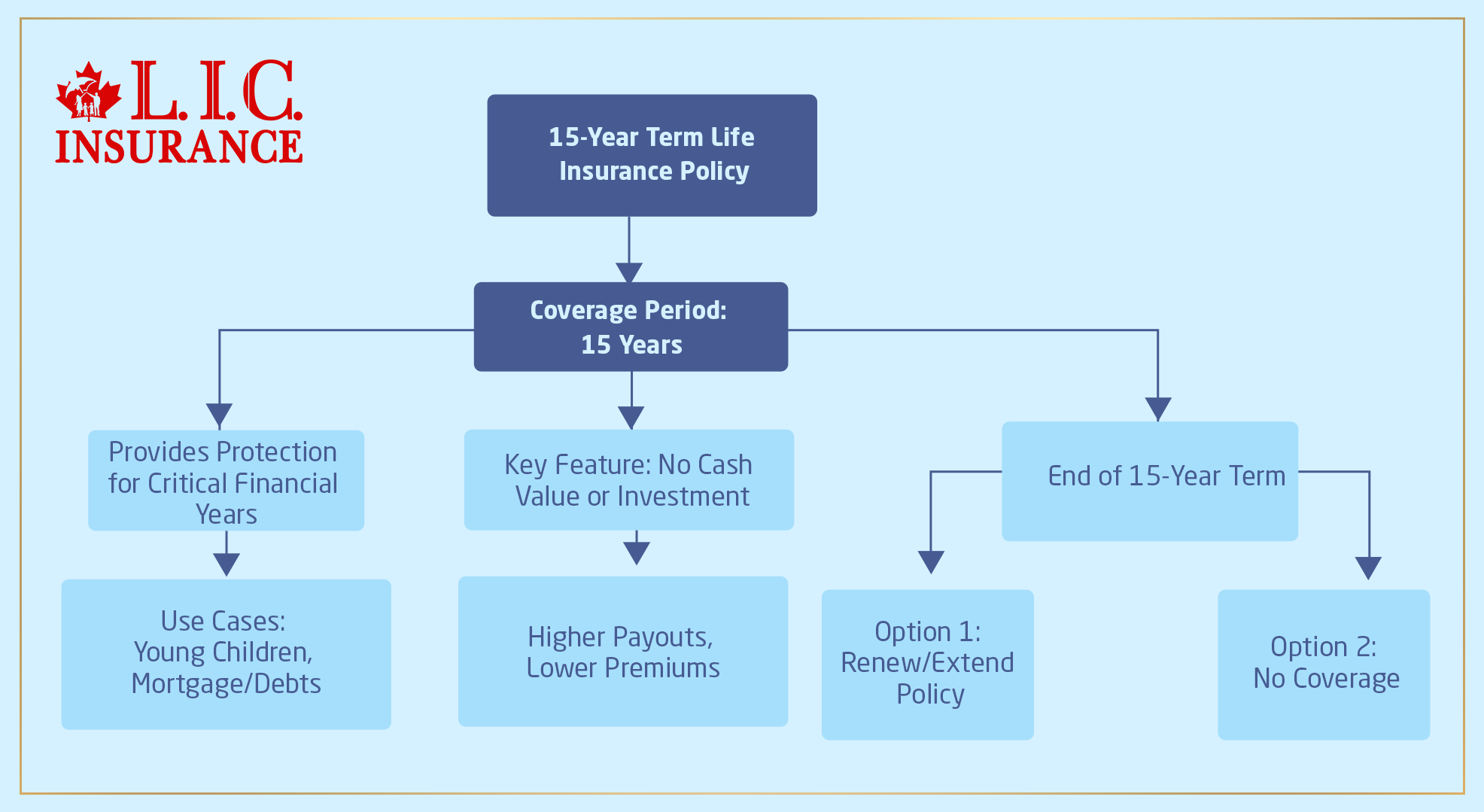
When the level premium period ends, the policy does not necessarily terminate, but the "level" guarantee expires. You may have the option to renew the policy on an annual basis, but the premiums will jump significantly—often by 500% or more—because they are now based on your older age. Most policyholders choose to either let the policy lapse, convert it to permanent insurance, or buy a new term policy if they still have a need for coverage.
Can I cancel my Farmers term policy at any time?
Yes. Term life insurance has no "surrender charges" because it does not build cash value. If you no longer need the coverage, you simply stop paying the premiums, and the coverage will end after a grace period. You will not receive any money back unless you have a specific "Return of Premium" rider, which is less common in standard level term products.
Does Farmers offer a "No Medical Exam" option for these terms?
Farmers offers "Simple Term" products that may not require a full medical exam for certain age groups and coverage amounts. However, these often have lower maximum coverage limits and may have higher premiums than the fully underwritten "Level Term" policies. For a 20-year term with a high death benefit, a medical exam is usually standard.
Are the death benefits from Farmers life insurance taxable?
Generally, no. Under current federal law in 2026, life insurance death benefits paid to a named beneficiary are not considered taxable income. However, if the death benefit is paid to the deceased's estate, it may be subject to estate taxes if the total estate value exceeds federal or state thresholds. For specific guidance, consult the IRS website or a tax professional.
Can I change my beneficiary later?
In most cases, yes. Unless you have designated an "irrevocable beneficiary," you can update your primary and contingent beneficiaries at any time through the Farmers participant portal or by contacting your agent. It is recommended to review your beneficiaries every three to five years or after major life events like marriage, divorce, or the birth of a child.
Practical Recommendations
If you are considering a Farmers 15 or 20-year level term policy, your first step should be a comprehensive "Life Insurance Laddering" analysis. You may find that you need a 20-year policy for $500,000 to cover your children, and a separate 15-year policy for $250,000 to cover your mortgage. This strategy can save you money on premiums by ensuring you aren't paying for extra coverage longer than necessary.
Always ask your agent for a "Premium Projection" that shows what happens to the costs after the 15 or 20-year period ends. Understanding the "cliff" at the end of the term will help you plan for future coverage needs. Finally, ensure you understand the specific conversion deadlines; missing the window to convert a policy to permanent coverage can be a costly mistake if your health changes.
Image Gallery