Why the Most Popular Lip Liner Matters: Cosmetic Science, Lip Architecture, and Trend Longevity
The most popular lip liners matter because they serve as the technical anchor of modern lip makeup, combining structural chemistry, color theory, and precise anatomical enhancement. Beyond mere aesthetics, market-leading lip liners uti...
The most popular lip liners matter because they serve as the technical anchor of modern lip makeup, combining structural chemistry, color theory, and precise anatomical enhancement. Beyond mere aesthetics, market-leading lip liners utilize optimized wax-to-oil ratios and advanced film-forming polymers to prevent lipstick bleed, correct asymmetry, and extend wear time across diverse skin textures.
Contents
The Structural and Chemical Function of Lip Liner
Lip liner is frequently misunderstood as an optional decorative accent, yet in professional cosmetology, it performs critical mechanical and chemical functions. The skin on the human lips—specifically the vermilion border—lacks sweat glands and hair follicles, transitioning sharply between the mucosal membrane of the inner mouth and the stratum corneum of the facial skin. Because traditional lipsticks contain high concentrations of emollients and liquid oils designed to provide moisture, they naturally migrate outward along the fine micro-grooves surrounding the mouth. This phenomenon, known in cosmetics as "feathering" or "bleeding," compromises the clean boundary of the lip profile.
The most popular lip liners solve this physiological challenge by creating a hydrophobic physical barrier. Formulated with higher concentrations of high-melting-point waxes—such as microcrystalline wax, synthetic beeswax, and ozokerite—lip liners possess a firmer matrix than standard lipsticks. When applied along the vermilion border, the wax fills micro-lines and repels the liquid oils contained in glosses and liquid lipsticks, locking pigment strictly within the desired border.
Vermilion Border Cross-Section
- Facial Skin (Stratum Corneum): Prevents Bleed
- Hydrophobic Wax Barrier (Popular Lip Liner Matrix)
- Lip Mucosa (Emollients/Oils): Holds Pigment
Furthermore, top-tier lip liners act as an architectural blueprint for lip mapping. They allow makeup artists and daily users to manipulate visual symmetry, enhance the Cupid's bow, and establish balanced optical volume. Through subtle adjustments in line placement, a high-performance liner recalibrates light reflection across the perimeter of the mouth, giving the appearance of fuller lips without invasive cosmetic procedures.
What Distinguishes High-Performing Lip Liners from Standard Formulas
The cosmetics market is saturated with hundreds of lip pencils, yet only a handful achieve sustained popularity and cult status among professional artists and consumers alike. The distinction lies primarily in three formulation parameters: the glide dynamic, pigment load, and volatile resin integration.
1. Balanced Rheology and Glide Dynamic
A fundamental metric in pencil formulation is dynamic viscosity—how the product behaves under mechanical pressure. Inferior lip pencils are either overly dry, causing painful tugging during application, or overly creamy, leading to premature smudging and rapid tip degradation. Top-rated formulations achieve an equilibrium known as thixotropic glide. When stored, the pencil tip remains solid and stable; upon contact with skin heat and application pressure, the outer layer temporarily liquefies, allowing smooth, continuous stroke delivery before setting back into a firm, smudge-proof film.
2. High Pigment Payload and Color Payoff
Standard cosmetic pencils often rely on filler minerals like talc or kaolin to add bulk, resulting in sheer color delivery that requires multiple passes to build opacity. Iconic, best-selling lip liners prioritize micro-milled iron oxides, titanium dioxide, and specialized D&C lakes suspended evenly within the wax substrate. This ensures full-coverage color payoff in a single pass, which is essential for defining the lip perimeter accurately without creating bulk or texture buildup.
3. Volatile Carrier Oils and Film Formers
Modern long-wear lip liners incorporate volatile silicones such as cyclopentasiloxane or isododecane combined with film-forming resins like trimethylsiloxysilicate. Upon application, the volatile solvent evaporates quickly, leaving behind a flexible, waterproof polymer mesh that grips the skin cells. This chemical innovation allows popular wooden and mechanical pencils to resist water, friction, and natural facial sebum for extended periods.
Lip Liner Formulations and Performance Comparison
To understand why specific lip liners dominate consumer preference, it is helpful to analyze the distinct formulation types, their ingredient structures, and their primary performance characteristics.
| Lip Liner Category | Key Structural Ingredients | Primary Advantage | Typical Wear Time | Ideal Application |
|---|---|---|---|---|
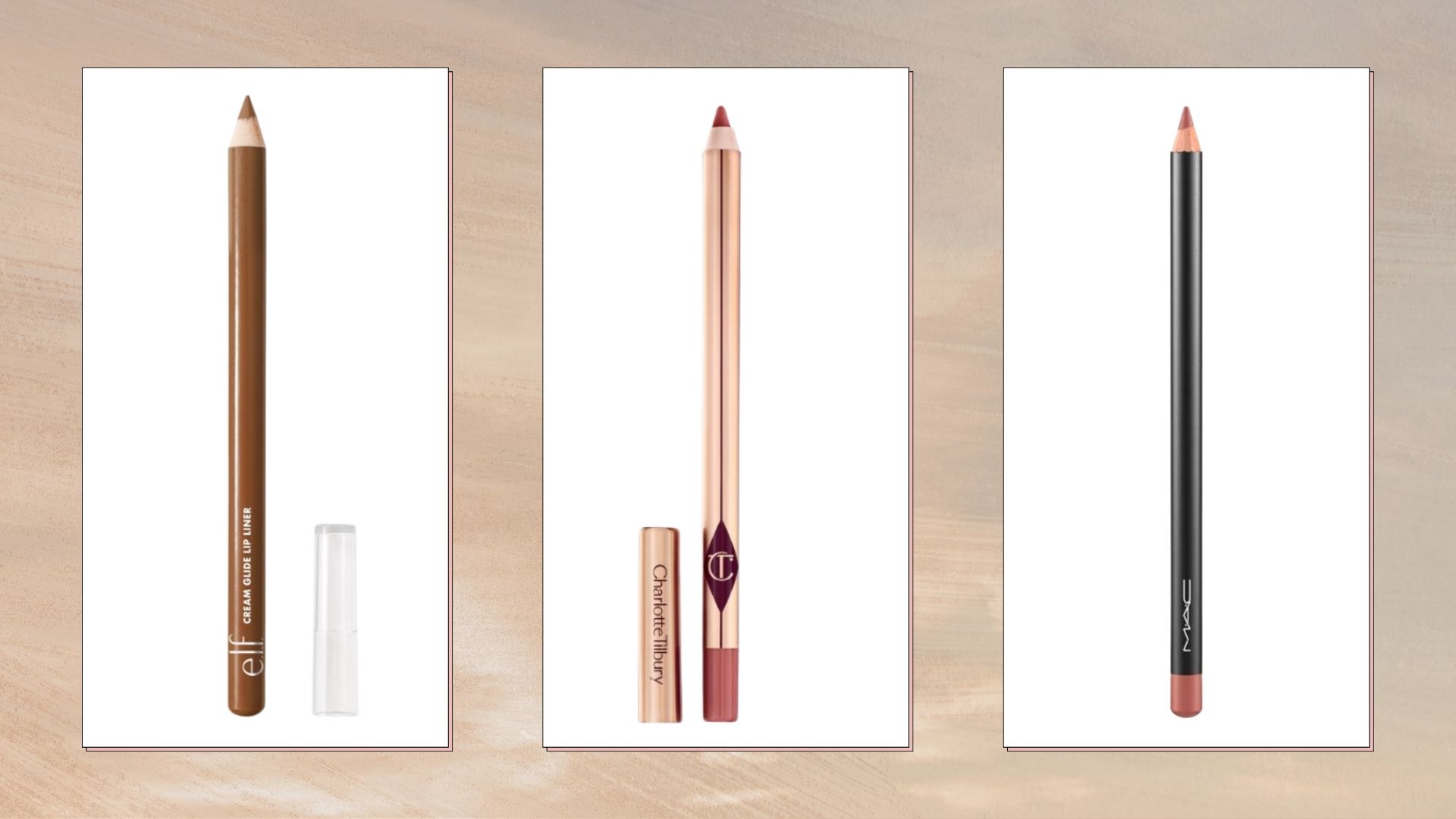
| Traditional Wooden Pencil | Microcrystalline wax, hydrogenated vegetable oils, iron oxides | Extreme precision, firm control, easy sharpening | 4 to 6 Hours | Crisp perimeter definition, detailed Cupid's bow mapping |
| Gel / Silicone Mechanical | Isododecane, trimethylsiloxysilicate, synthetic wax | Ultra-smooth glide, waterproof matrix, zero tugging | 8 to 12 Hours | All-over base fill, long-wear matte foundation under lipstick |
| Clear / Universal Barrier | Silica, paraffin, dimethicone vinyl crosspolymer | Prevents feathering without altering color tone | 5 to 7 Hours | Pairing with bold, feather-prone lip glosses and bright red lipsticks |
| Plumping / Peptide Liner | Hyaluronic acid spheres, menthoxypropanediol, palmitoyl tripeptide | Temporary visual volumizing, hydration maintenance | 3 to 5 Hours | Enhancing thin lips, pairing with high-shine lip oils |
The Cultural and Market Impact of Universal Shade Formulations
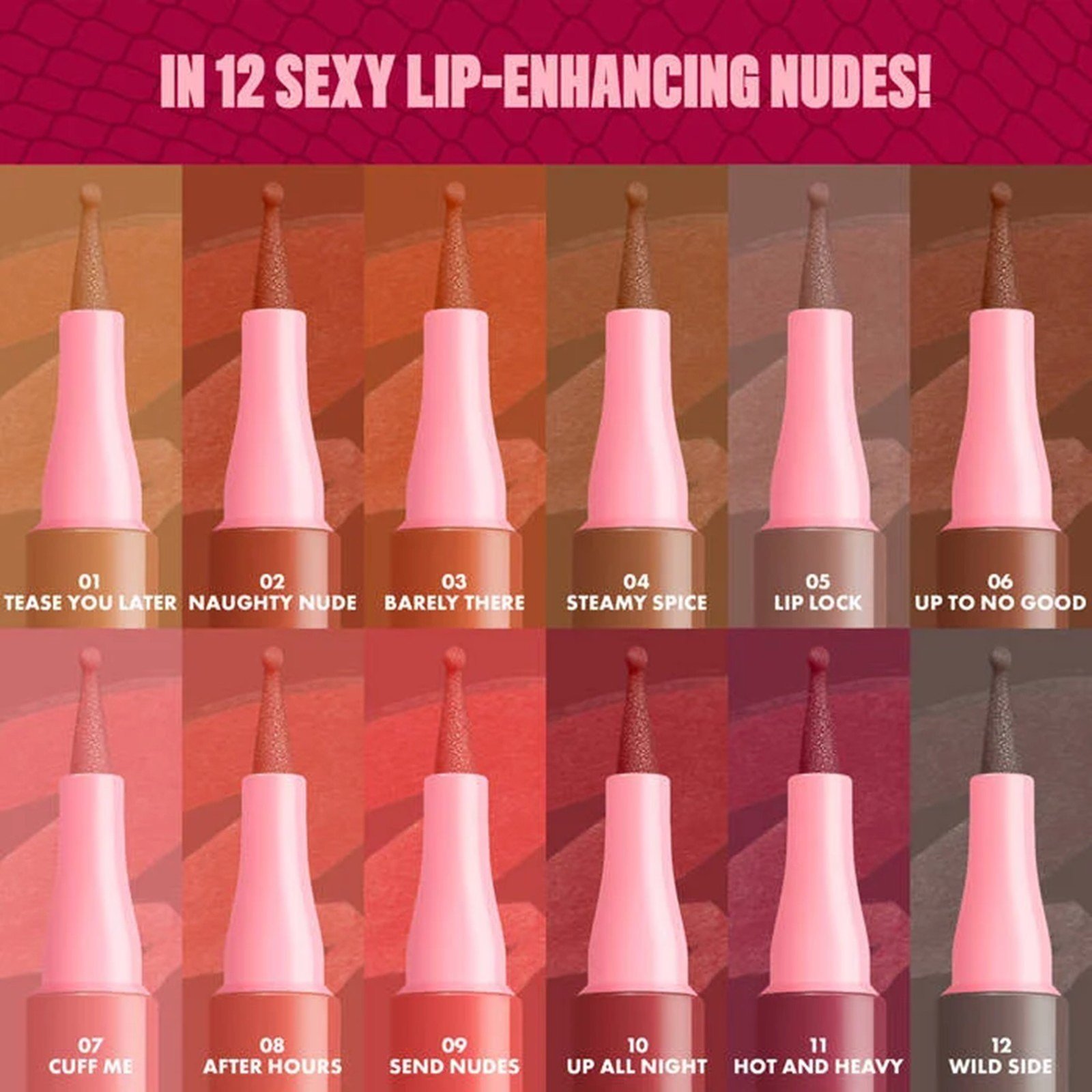
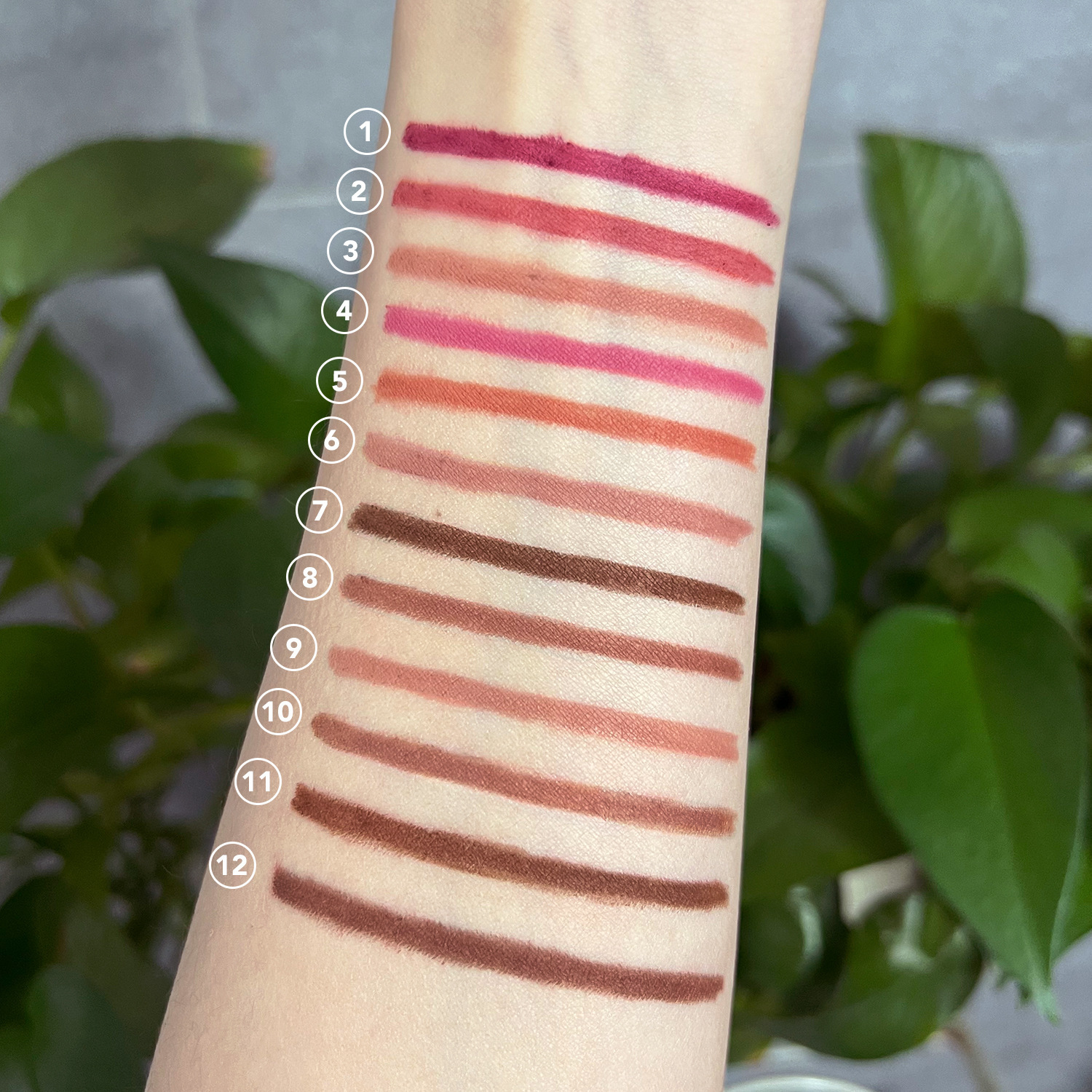
The rise of globally popular lip liners is intrinsically tied to shade intelligence—specifically, the development of universal neutral and undertone-correcting shades. In early cosmetic history, lip liners were strict color matches to specific lipstick bullets, requiring consumers to buy matching pencil-lipstick pairs for every single shade owned.
The modern paradigm shift occurred when beauty brands engineered desaturated, complex neutral shades that blend naturally into diverse lip mucosa tones rather than matching the lipstick itself.
Neutral Shade Categorization
- Cool-Toned Mauve-Browns: Mimic the natural shadow beneath the lower lip, creating realistic optical volume when overlining.
- Warm Terracotta-Nudes: Counteract bluish or purple hyperpigmentation along the vermilion border, creating a bright, even foundation for peachy and warm-toned lipsticks.
- True Rosy Neutrals: Match the underlying vascular flush of natural lip tissue, offering invisible boundary correction for glosses and sheer stains.
When a lip liner shade gains widespread popularity, it usually possesses a precise ratio of red, yellow, and black pigments adjusted with blue undertones. This color balance enables a single pencil shade to complement skin tones ranging from fair olive to deep rich brown, establishing it as an essential tool in both retail beauty counters and professional makeup kits.
Typical Lip Liner Pigment Spectrum for Universal Neutrals
- Red/Brown Base: Matches vascular lip tissue
- Iron Oxide Adjusters: Balances warm vs. cool skin tone
- Blue/Violet Undertone: Creates natural depth and lip contour
How to Select and Application Techniques for Maximum Longevity
Selecting the correct lip liner requires assessing both lip anatomy and the intended finish of the final lip look. Applying lip liner effectively involves structured preparation, mapping, and blending protocols.
Step 1: Preparation and Surface Conditioning
Before applying wax-based cosmetics, the skin surface must be clean and free of excess surface oils or heavy balms. Exfoliate gently using a soft cloth or mild lip scrub to eliminate dry patches. Apply a light hydrator, allow it to absorb fully, and blot any residual oil with a tissue. Excess oil breaks down the wax matrix prematurely, reducing wear time.
Step 2: Mapping the Vermilion Border
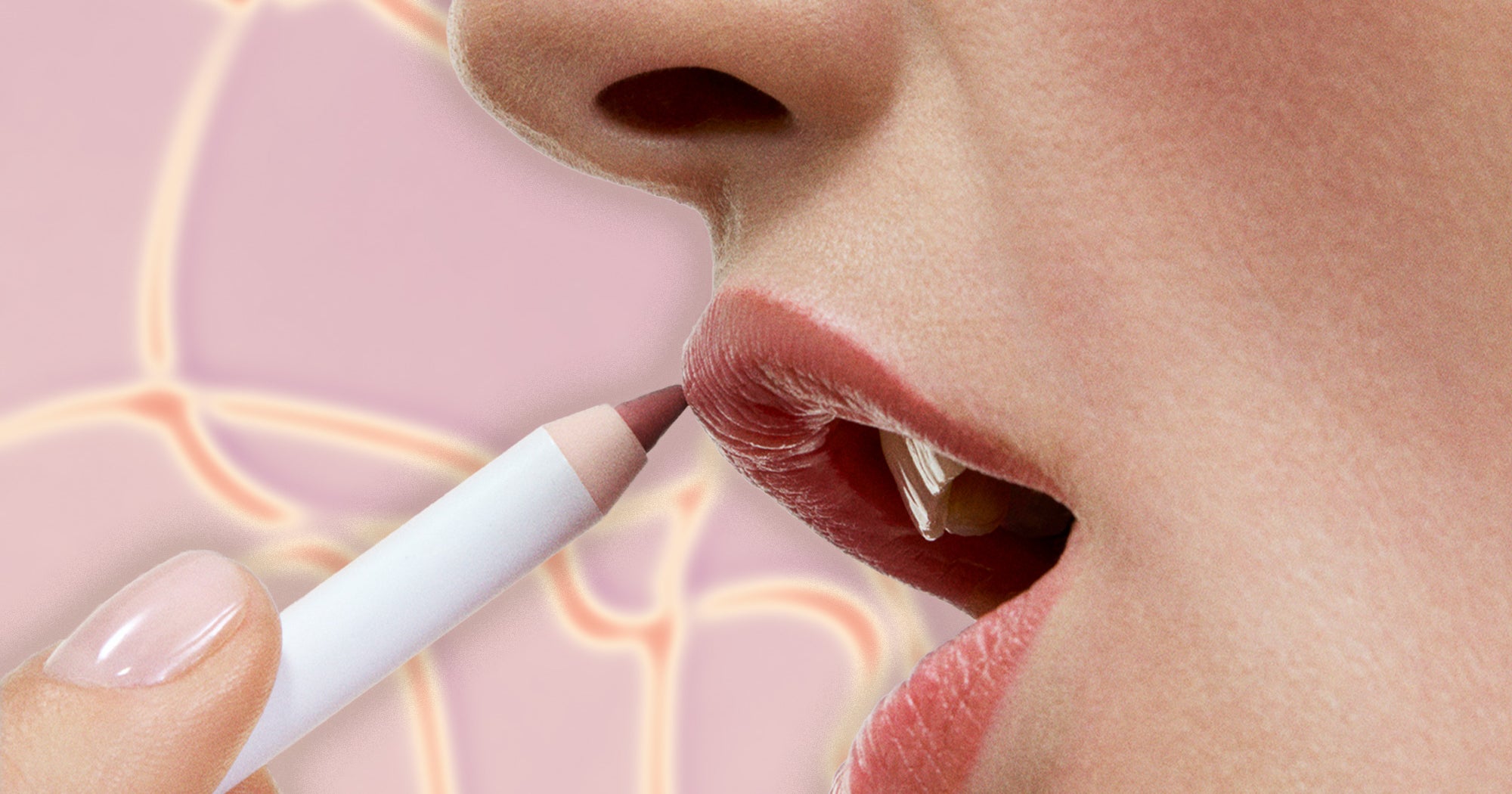
Begin at the highest points of the Cupid's bow—the two peaks on the upper lip. Draw a small "X" shape through the center to establish symmetry. From the outer corners of the mouth, draw smooth, continuous lines upward to connect with the peaks of the Cupid's bow. For the lower lip, place a small baseline stroke at the absolute center, then work from the outer corners inward to meet it.
Step 3: Strategic Overlining
If the goal is to enhance volume visually, overline exclusively at the center zones—the Cupid's bow peaks and the central curve of the bottom lip. Avoid overlining the outer corners of the mouth; extending lines outside the natural boundary at the corners creates a drooping effect that lowers the visual center of the face.
Step 4: Feathering and Blending
To avoid a sharp, unnatural outline, use a small lip brush or the tip of your ring finger to feather the liner inward toward the center of the lips. Filling in the entire lip surface with the liner creates a long-wearing pigment base that prevents patchy fading when the top lipstick layer wears off.
Common Mistakes When Using Lip Liner
Even high-end, popular lip liners can perform poorly if applied incorrectly. Identifying and correcting common application errors ensures optimal appearance and extended wear.
- Failing to Sharpen Wooden Pencils: A dull pencil tip yields thick, imprecise lines that blur the vermilion border rather than defining it. Keep wooden pencils sharp to ensure crisp, clean strokes.
- Over-extending at the Oral Commissures (Corners): Applying heavy liner into the deep corners of the mouth causes pigment accumulation in natural skin folds, leading to smudging and premature wear. Stop short of the outer juncture.
- Matching Liner to Skin Tone Instead of Lip Undertones: Selecting a liner based solely on facial skin tone rather than natural lip tissue coloration results in an ashen or unnaturally stark border.
- Applying Over Heavy Hydrating Balms: Placing a film-forming silicone or wax pencil directly over an un-blotted lip balm prevents the pigment resins from adhering to the skin, causing rapid sliding and transfer.
Frequently Asked Questions
Why does a high-quality lip liner cost more than a standard eyebrow pencil or eyeliner?
Lip liners require specialized formulation standards to balance skin safety around the mucosal boundary while maintaining elasticity on highly movable tissue. They utilize refined synthetic waxes, non-irritating pigment bases, and flexible film formers that prevent cracking during speaking and eating, requiring higher manufacturing precision than standard brow pencils.
Can a single universal lip liner replace multiple shade-matched pencils?
Yes. A clear, wax-based barrier liner prevents feathering across all lipstick colors. Alternatively, a flesh-toned neutral liner that matches your natural lip color (rather than the lipstick) can be paired with glosses, nudes, reds, and deep berries by blending the liner inward before applying the top lipstick color.
What is the structural difference between wooden and mechanical gel lip liners?
Wooden lip liners rely on high concentrations of natural and microcrystalline waxes, offering precise tip control and sharp lines. Mechanical gel liners utilize volatile silicones (such as isododecane) combined with flexible resins; they offer smoother glide and superior waterproof longevity, but cannot be sharpened to the same fine point as wooden pencils.
How do modern long-wear lip liners prevent drying out the lips?
Contemporary top-tier formulas incorporate skin-conditioning agents, such as vitamin E (tocopherol), jojoba esters, and hyaluronic acid filling spheres, alongside volatile solvents. As the solvent evaporates to set the color matrix, these conditioning agents remain behind to shield moisture without compromising the pencil's long-wear performance.
Is overlining damaging to the skin around the lips over time?
No, cosmetic lip liners are formulated with non-comedogenic waxes and dermatologically tested pigments that do not harm the skin barrier. However, proper removal with an oil-based cleanser or micellar water is necessary to prevent pore clogging around the outer lip perimeter.
Expert Recommendations for Optimizing Your Lip Routine
To maximize the benefits of top-performing lip liners, build your makeup routine around structural longevity and color harmony:
- Invest in a High-Performance Neutral: Choose a pencil that matches the deepest tone of your natural lip tissue rather than your skin. This single product will serve as your primary tool for shape correction, base filling, and contouring across various lipstick shades.
- Pair Formulas Strategically: Match gel-based, waterproof liners with liquid lipsticks and high-shine glosses to create a non-porous border. Reserve traditional wooden pencils for classic satin or matte lipstick bullets where fine precision is required.
- Practice Proper Removal: Because modern popular liners utilize long-wear film formers, avoid aggressive rubbing with dry tissues. Dissolve the wax matrix using an oil-cleanser or bi-phase makeup remover to maintain skin integrity around the vermilion border.
By understanding the interplay of ingredient chemistry, shade undertones, and lip mapping techniques, you can transform a standard lip liner from a simple cosmetic accessory into an essential tool for shape refinement and prolonged makeup wear.
Image Gallery