Best New Home Communities in Maryland: The 2026 Housing Market Guide
Navigating the real estate landscape in Maryland requires a strategic approach, particularly when evaluating the best new home communities in 2026. Buyers today face a dynamic market shaped by shifting suburban migration patterns, evol...
Navigating the real estate landscape in Maryland requires a strategic approach, particularly when evaluating the best new home communities in 2026. Buyers today face a dynamic market shaped by shifting suburban migration patterns, evolving energy-efficiency building codes, and fluctuating mortgage interest rates. Maryland offers a diverse geographic tapestry, ranging from the bustling tech corridors of Montgomery and Howard counties to the coastal charm of Anne Arundel County and the rapidly expanding master-planned developments in Frederick and Prince George's counties.
Contents
Selecting the right new construction property involves balancing builder reputation, school district performance, commuter accessibility, and long-term property appreciation. This guide analyzes top-tier Maryland new home communities, providing a technical breakdown of regional market metrics, builder offerings, and actionable buying strategies for 2026.
Regional Market Analysis: Where Maryland New Construction is Thriving
The Maryland housing market in 2026 is characterized by targeted growth in master-planned communities (MPCs) that offer resort-style amenities, high-speed fiber internet infrastructure, and proximity to major employment hubs like Fort Meade, the National Institutes of Health (NIH), and downtown Baltimore.
Central Maryland and The I-270 Tech Corridor
Howard and Montgomery counties continue to command top-tier pricing due to exceptional public school systems and proximity to biotechnology and defense employers. Communities here emphasize townhomes and single-family detached homes featuring smart-home automation and solar-ready roofs.
Suburban Baltimore and Harford/Carroll Counties
Buyers seeking more square footage per dollar frequently target Carroll and Harford counties. These areas feature expansive estate-style lots developed by regional and national builders, offering a quieter suburban or semi-rural aesthetic without sacrificing access to the Baltimore beltway.
Southern Maryland and The Eastern Shore
Charles, Calvert, and St. Mary's counties are experiencing rapid growth driven by military relocation and remote-work flexibility. Waterfront and golf-course communities dominate this sector, providing lower density and lifestyle-oriented amenities.
Top-Rated Maryland New Home Communities for 2026
Evaluating the premier communities requires looking at infrastructure, builder diversity, and community layout. Below is a comparative breakdown of standout master-planned developments across the state.
| Community Name | Location (County) | Primary Property Types | Starting Price Range (2026) | Key Neighborhood Feature |
|---|---|---|---|---|
| Maple Lawn | Howard County | Single-Family, Townhomes, Condos | $750,000 - $1,300,000 | Walkable neo-traditional town center with retail and office space. |
| Russett | Anne Arundel County | Townhomes, Single-Family | $500,000 - $800,000 | Extensive community pools, trails, and central location near NSA/Fort Meade. |
| Neward | Frederick County | Single-Family, Villas | $550,000 - $900,000 | Mountain views, community clubhouse, and rapid access to I-70/I-270. |
| Two Rivers | Anne Arundel County | 55+ Active Adult & All-Age Single-Family | $600,000 - $1,100,000 | 10,000 sq. ft. clubhouse, fitness center, and resort-style outdoor pools. |
| Clarksville Vista | Howard County | Luxury Single-Family Estates | $1,200,000 - $2,000,000 | Highly ranked school cluster and heavily wooded home sites. |
Technical Considerations When Buying New Construction in Maryland
Purchasing a newly constructed home differs fundamentally from buying a resale property. Buyers must navigate builder contracts, architectural review committees (ARCs), and specialized warranty structures.
Builder Contract Nuances
National and regional builders (such as Lennar, Toll Brothers, Ryan Homes, and NVR) typically utilize their own proprietary purchase agreements rather than standard Maryland Association of Realtors (MAR) contracts. These builder contracts heavily favor the developer regarding construction delays, material substitutions, and earnest money deposit forfeiture. Engaging an independent real estate attorney or a buyer's agent experienced in new construction is essential to review these clauses before signing.
Structural Warranties and Home Inspections
While new homes come with a builder-backed structural warranty—commonly structured as a 1-year workmanship, 2-year mechanical systems, and 10-year structural guarantee—relying solely on municipal code inspections is a frequent pitfall. Savvy buyers hire independent third-party home inspectors to conduct pre-drywall and final walkthrough inspections to catch hidden construction flaws, grading issues, or incomplete utility installations.
Expert Insight on Construction Financing
Locking Construction Rates: Many large builders offer in-house financing subsidiaries with rate-lock extensions or permanent buydown options. Always compare these incentives against traditional independent mortgage lenders to ensure the total cost of borrowing remains competitive over a 15- or 30-year term.
Pros and Cons of Buying in a Maryland New Home Community
Weighing the advantages and drawbacks helps determine if a master-planned community aligns with your lifestyle and financial goals.
Advantages
- Energy Efficiency: Modern Maryland new builds adhere to strict 2026 energy codes, featuring advanced envelope sealing, high-efficiency HVAC heat pumps, tankless water heaters, and optional solar panel integration, resulting in significantly lower monthly utility bills.
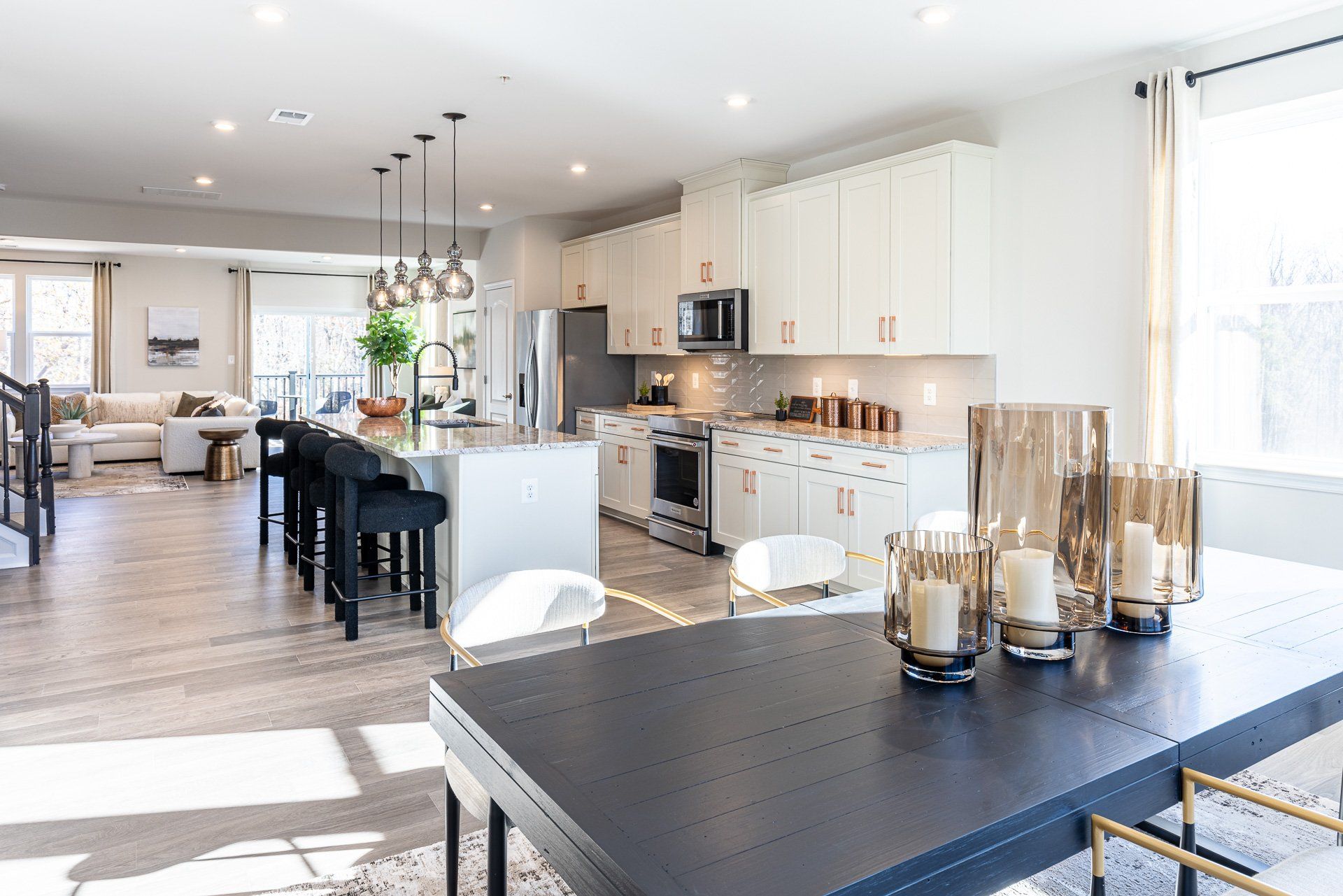
- Customization and Modern Layouts: Open-concept floor plans, primary suite retreats, flexible work-from-home office spaces, and designer-selected finishes eliminate the immediate need for costly post-purchase renovations.
- HOA and Community Amenities: Built-in community infrastructure such as clubhouses, fitness centers, community pools, and maintained walking trails foster a strong sense of neighborhood connection.
Disadvantages
- Homeowners Association (HOA) Restrictions: Strict architectural and landscaping guidelines can limit personal modifications, such as fence styles, paint colors, or outbuilding additions.
- Ongoing Fee Escalation: Master-planned communities often feature multi-tier associations (HOA and Metro District or Special Taxing District fees) that can increase annually to fund infrastructure maintenance.
- Construction Zone Living: Moving into a community during its early phases means enduring ongoing heavy construction traffic, noise, and delayed completion of final amenity phases.
Step-by-Step Guide to Purchasing a New Home in Maryland
Navigating the construction pipeline requires a structured approach from initial site visits to closing day.
- Establish Buyer Representation Early: Do not walk into a builder's sales office for the first time without an agent. Maryland builders generally require your buyer's agent to be present during your initial registration to protect your commission representation rights.
- Review the Public Offering Statement (POS): For communities subject to Maryland condominium or HOA laws, review the POS carefully. It outlines the budget, upcoming special assessments, bylaws, and resale restrictions.
- Select Structural Options and Upgrades: Choose structural additions (e.g., extensions, finished basements, sunrooms) before finalizing the contract, as these cannot easily be added later. Select cosmetic finishes (flooring, cabinetry, countertops) at the builder's design studio.
- Schedule Independent Inspections: Hire an independent inspector for a pre-drywall check and a final blue-tape walkthrough prior to closing to document cosmetic or functional deficiencies for builder repair.
- Conduct the Closing Walkthrough: Verify that all agreed-upon builder punch-list items have been completed before signing the final settlement documents and transferring funds.
Frequently Asked Questions About Maryland New Communities
What are the best counties in Maryland for new construction homes?
Howard, Frederick, and Anne Arundel counties offer the highest concentration of active new home communities, balancing strong job markets, excellent schools, and diverse housing stock.
Do I need a real estate agent when buying a brand-new home from a builder?
Yes, having an independent buyer's agent is critical. The builder's on-site sales representative legally represents the builder's interests, not yours, meaning you need an advocate to negotiate pricing, incentives, and contract terms.
What are Special Taxing Districts or Metro Districts in Maryland?
Some new communities in Maryland utilize special tax districts to finance public infrastructure like roads, water, and sewer systems. This results in an additional annual tax assessment added to your property tax bill, which should be factored into your monthly housing budget.
How long does it take to build a new construction home in Maryland?
The timeline typically ranges from six to twelve months depending on whether you choose a quick-move-in inventory home, a semi-custom production home, or a fully custom estate build.
Are closing cost assistance incentives common with Maryland builders?
Yes, many major homebuilders offer substantial closing cost credits or rate-buydown incentives when you finance your purchase through their preferred affiliated mortgage lender.
Conclusion and Strategic Next Steps
Investing in one of Maryland’s premier new home communities in 2026 offers modern architectural design, energy efficiency, and master-planned lifestyle amenities. Success in this market requires thorough research into builder reputations, independent home inspections, and careful financial planning regarding HOA and district fees. Begin your journey by identifying your target region, enlisting dedicated professional representation, and visiting active-construction sites to tour model homes and evaluate community layouts firsthand.
Image Gallery