Kobe Bryant Net Worth Explained: Understanding a Legacy of Financial Impact
Kobe Bryant’s financial legacy extends far beyond his career as a legendary NBA athlete. At the time of his passing in 2020, his net worth was estimated at approximately $600 million. This wealth was accumulated through a strategic com...
Kobe Bryant’s financial legacy extends far beyond his career as a legendary NBA athlete. At the time of his passing in 2020, his net worth was estimated at approximately $600 million. This wealth was accumulated through a strategic combination of record-breaking professional sports contracts, high-profile global endorsements, and pioneering venture capital investments that continue to generate value today.
Contents
The Pillars of Kobe Bryant’s Wealth
To understand the scope of Kobe Bryant’s financial portfolio, it is necessary to examine the three distinct phases of his economic life: his salary as a professional athlete, his endorsement portfolio, and his evolution into a sophisticated investor.
NBA Career Earnings
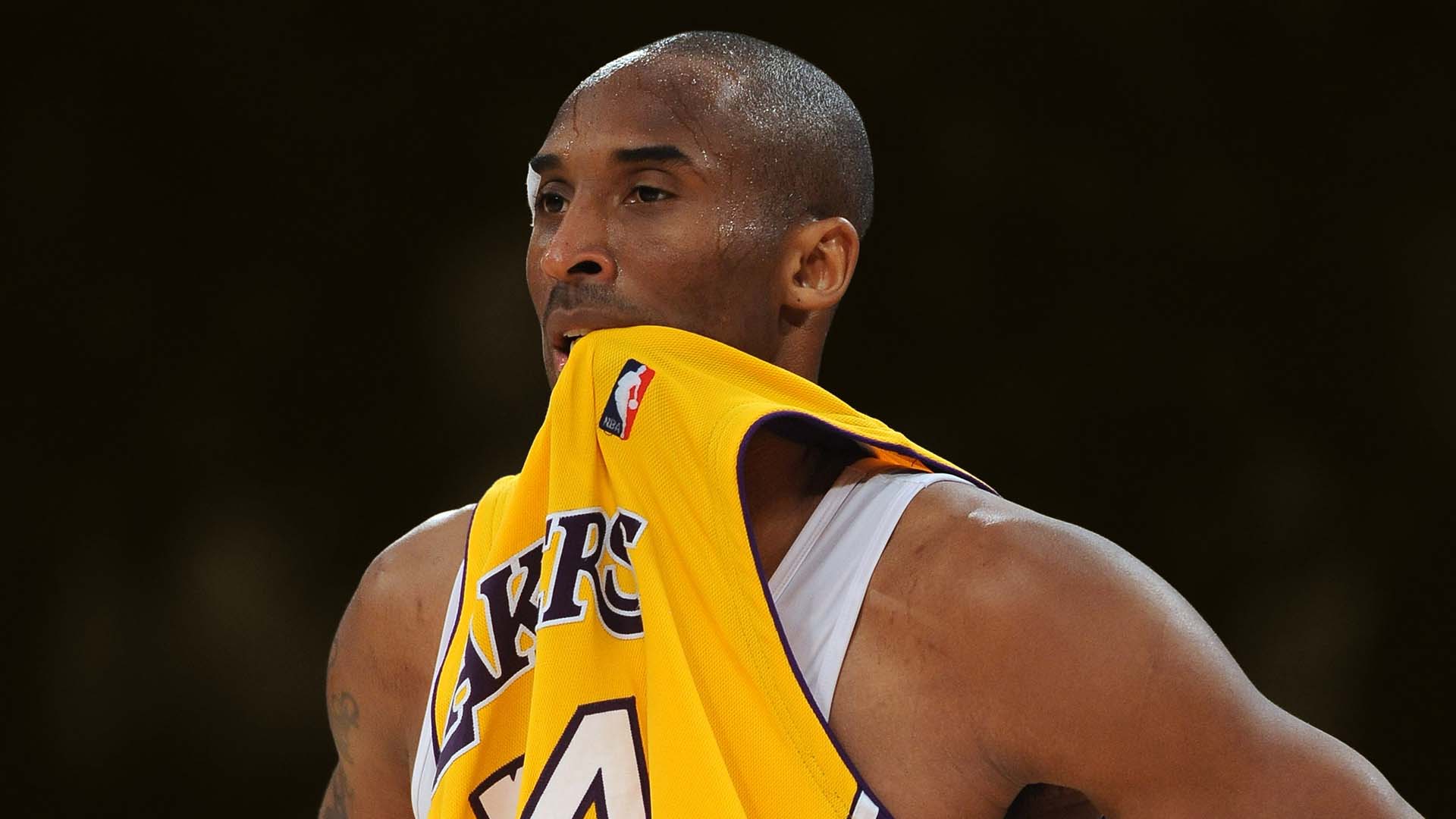
Bryant played 20 seasons for the Los Angeles Lakers, the entirety of his professional career. During this tenure, his total NBA salary earnings amounted to approximately $328 million. This figure represents the second-highest total salary in NBA history for that timeframe, trailing only Kevin Garnett.
His salary trajectory was marked by significant milestones, including his record-breaking contract extensions in the mid-2000s and early 2010s. By 2014, Bryant held the record for the highest single-season salary in the league, reflecting his status as the cornerstone of the Lakers organization and a driver of basketball-related income for the entire NBA.
Global Endorsement Strategy
While his salary provided a substantial foundation, Bryant’s endorsement income frequently eclipsed his on-court earnings. He maintained long-term partnerships with global brands, including Nike, Mercedes-Benz, Hublot, and Sprite. These partnerships were not merely transactional; they often involved creative input and global marketing campaigns that elevated his status from a regional athlete to an international icon.
Nike, in particular, remained a central partner throughout his career. The "Kobe" line of basketball footwear became one of the most successful and influential signature series in sports history, consistently ranking among the top-selling performance shoes for over a decade.
Transitioning to Venture Capital: The Granity and Stifle Era
The most critical shift in Bryant’s financial narrative occurred during the latter half of his career. Unlike many athletes who transitioned into passive roles, Bryant actively sought to master the mechanics of capital deployment and business management.
Stifle and Bodyarmor
In 2013, Bryant co-founded the venture capital firm Bryant Stibel with entrepreneur Jeff Stibel. This partnership focused on the intersection of media, technology, and data. One of the firm’s most notable successes was an early investment in the sports drink company Bodyarmor. Bryant invested $6 million into the startup in 2013, acquiring a significant stake. When The Coca-Cola Company acquired a majority stake in Bodyarmor in 2018, and eventually full ownership in 2021, Bryant’s initial investment grew to a valuation of approximately $200 million.
Media and Storytelling: Granity Studios
Beyond traditional finance, Bryant founded Granity Studios, a multimedia production company. This entity was designed to tell stories through sports-themed books, podcasts, and animated films. This creative pursuit culminated in his 2018 Academy Award for "Dear Basketball," demonstrating his ability to monetize intellectual property and artistic vision, effectively diversifying his income stream away from the volatility of athletic performance.
Comparing Financial Models in Professional Sports
Understanding how Bryant’s net worth was structured requires comparing his model to the traditional trajectories seen in professional athletics. The following table illustrates the components that defined his wealth accumulation.
| Financial Source | Type of Revenue | Contribution Level | Impact on Total Wealth |
|---|---|---|---|
| NBA Salary | Guaranteed Contract | Primary (1996–2016) | High (Baseline Foundation) |
| Brand Endorsements | Performance/Royalties | Consistent | High (Long-term growth) |
| Venture Capital | Equity/Capital Gains | Aggressive (2013–2020) | Very High (Long-term value) |
| Media/Production | Intellectual Property | Developing | Moderate (Legacy focus) |
Financial Management and Asset Preservation
For high-net-worth individuals, managing wealth is as significant as generating it. Bryant’s approach to asset management involved building a team of advisors that prioritized sustainability and philanthropic initiatives. His financial planning was designed not only to preserve his capital for his family but also to ensure that his business interests—such as his stakes in media and technology companies—remained operational and profitable following his death.
In legal and financial terms, the management of his estate is conducted through trusts. These legal instruments ensure that assets like the Bodyarmor proceeds and the intellectual property held by Granity Studios are managed according to the specific directives he established during his lifetime. This structure minimizes the impact of estate taxes and provides a clear roadmap for the long-term support of his beneficiaries.
Challenges and Considerations for Athletes
Kobe Bryant’s career offers a blueprint for modern athletes, but it also highlights common pitfalls. Many athletes struggle with "career cliff" scenarios, where their income vanishes the moment they stop playing. Bryant avoided this by:
- Strategic Diversification: Not relying solely on a single industry (sports or fashion).
- Active Participation: Engaging in venture capital as a decision-maker rather than a silent partner.
- Intellectual Property Development: Creating assets like Granity Studios that generate passive revenue through licensing and creative output.
Investors and financial advisors often point to the "Bryant Model" as a standard for professional athletes looking to transition into the private sector, emphasizing that the primary requirement for success is the same discipline in business that is required in professional sport.
Frequently Asked Questions
How much did the Bodyarmor sale contribute to his total net worth?
The Bodyarmor exit is considered one of the most successful athlete investments in history. Following the 2021 Coca-Cola acquisition, the valuation of his stake was widely reported at approximately $200 million, which significantly increased the net worth of his estate compared to his active career earnings.
Did endorsements end with his retirement in 2016?
No. Many of his endorsement deals included clauses for post-retirement appearances and brand ambassadorship. Furthermore, his estate continues to derive income from legacy licensing deals and his long-standing partnership with Nike, which has continued to release "Protro" (performance retro) versions of his shoe line.
What is the primary difference between his salary and his investments?
Salary is considered "active income"—money earned in exchange for time and performance on the court. His investments represent "passive income" or capital appreciation, where the wealth is generated by the growth of companies, stocks, and media entities that operate independently of his physical presence.
Is the $600 million figure a current or historical estimate?
The $600 million estimate reflects the valuation of his estate at the time of his passing in 2020. Since then, the value of assets within his portfolio, particularly regarding his holdings in tech startups and media properties, may fluctuate based on market conditions, but his established estate remains one of the largest among professional athletes.
Are there risks associated with his business model?
Yes. Like all venture capital and entrepreneurial endeavors, there is an inherent risk of loss. While his successes with Bodyarmor and tech investments are well-documented, the nature of early-stage investing involves volatility. However, his diversification into multiple sectors helped mitigate these risks significantly.
Next Steps for Financial Planning
Kobe Bryant’s trajectory underscores the importance of long-term planning. For individuals analyzing their own financial health, the primary lesson is to seek diversification early. Whether through traditional stock portfolios or alternative investments, the goal is to create multiple revenue streams that exist independently of one’s primary career. Consult with a qualified financial advisor or estate attorney to ensure that your current assets are protected by trusts and that your investment strategy is aligned with your long-term goals.
Image Gallery