How the Opening Ceremony in Milan Showcased Harmony: Artistic Vision, Cultural Unity, and Event Highlights
The opening ceremony in Milan showcased harmony by blending Italy’s rich cultural heritage with forward-looking artistic innovation, symbolizing the unity between urban sophistication and alpine landscape. Staged at the iconic San Siro...
The opening ceremony in Milan showcased harmony by blending Italy’s rich cultural heritage with forward-looking artistic innovation, symbolizing the unity between urban sophistication and alpine landscape. Staged at the iconic San Siro Stadium, the spectacle brought together international choreography, musical performances, and symbolic storytelling to celebrate global sportsmanship, sustainable design, and regional synergy across northern Italy.
Contents
The Artistic Vision: Defining Harmony at San Siro Stadium
The artistic conception of the opening ceremony in Milan rested on the central concept of Armonia—the Italian word for harmony. Rather than presenting a conventional sequence of disconnected theatrical acts, the creative team designed an interconnected narrative where every element, from lighting geometry to symphonic arrangements, contributed to a unified theme.
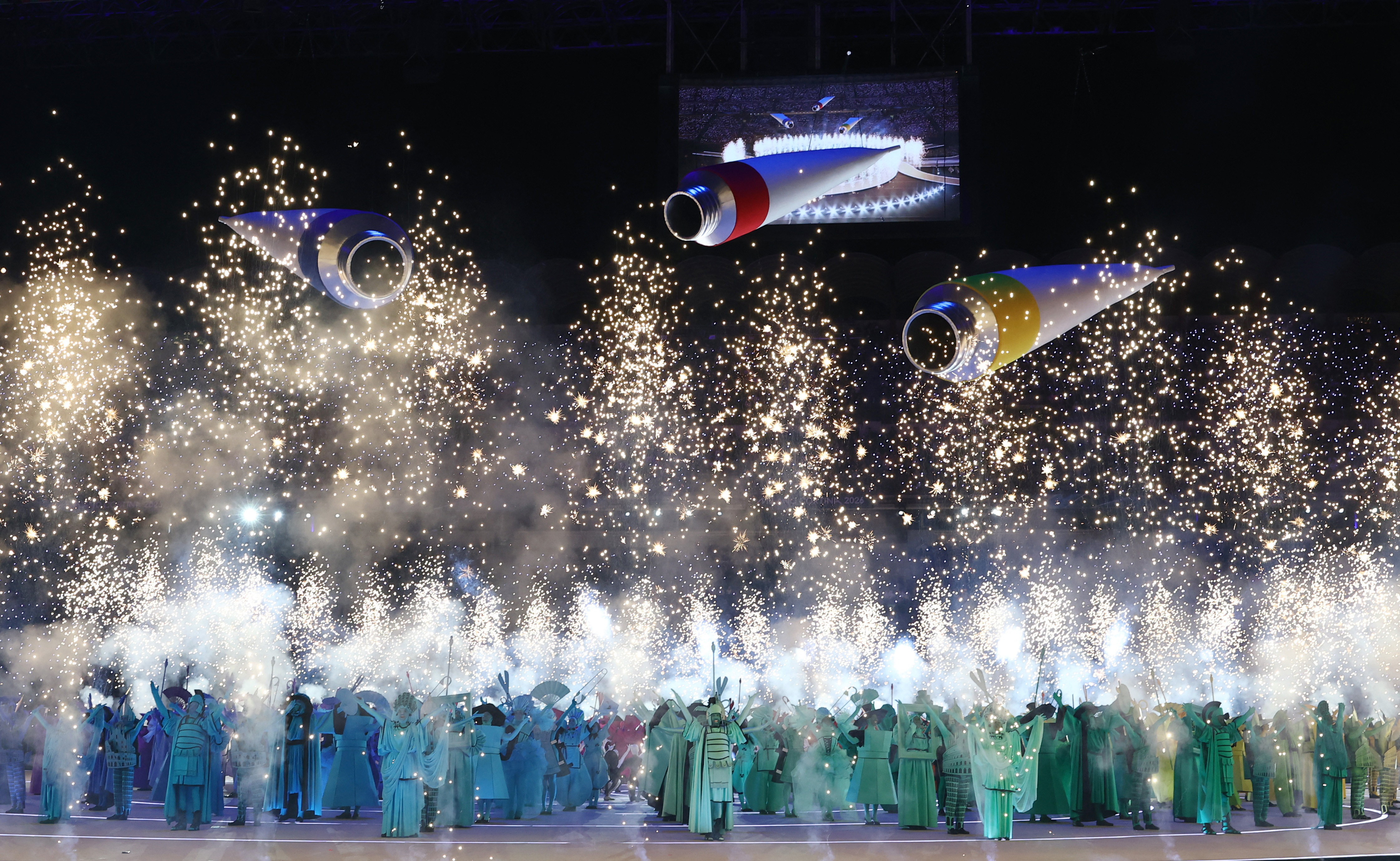
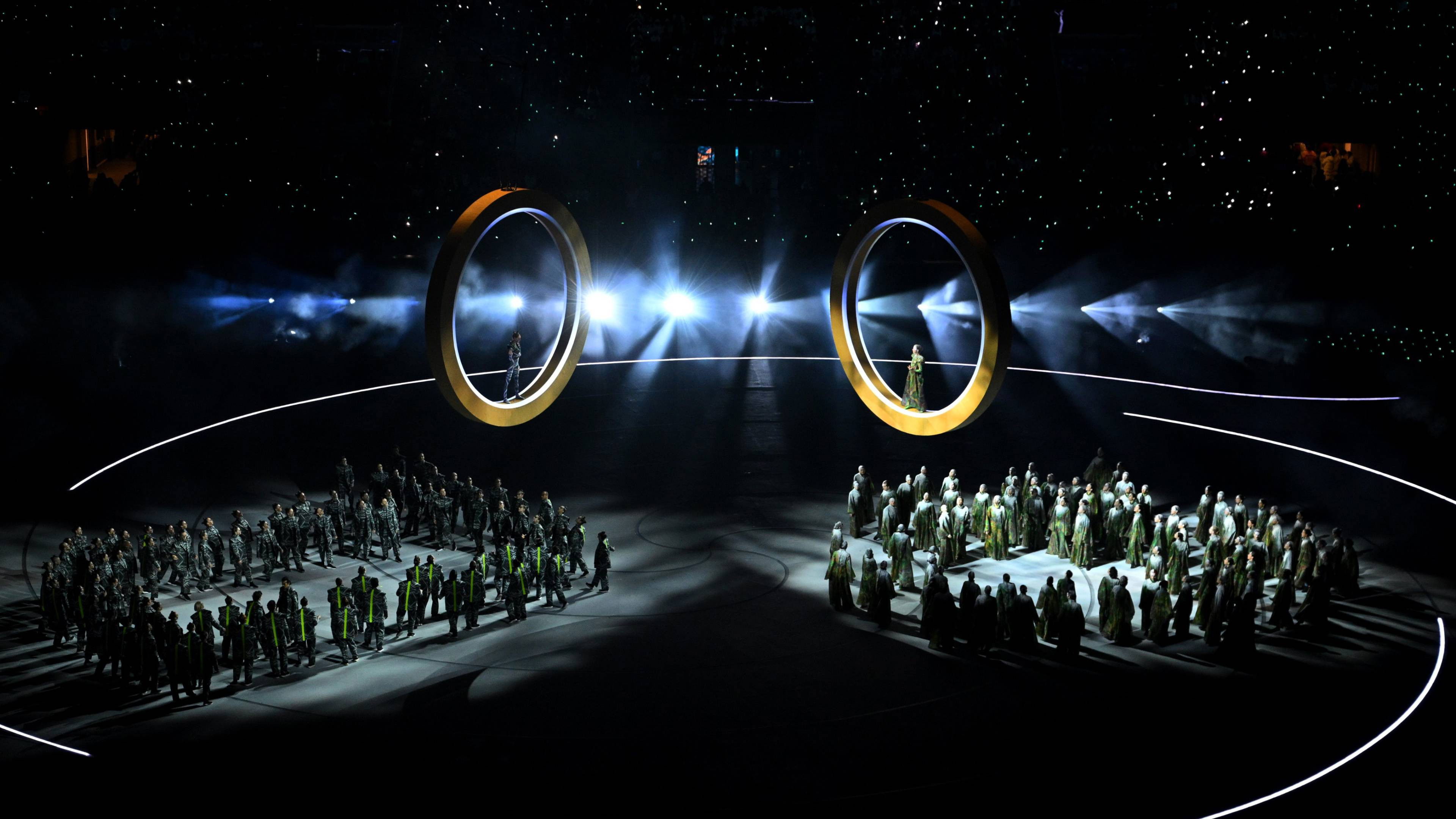
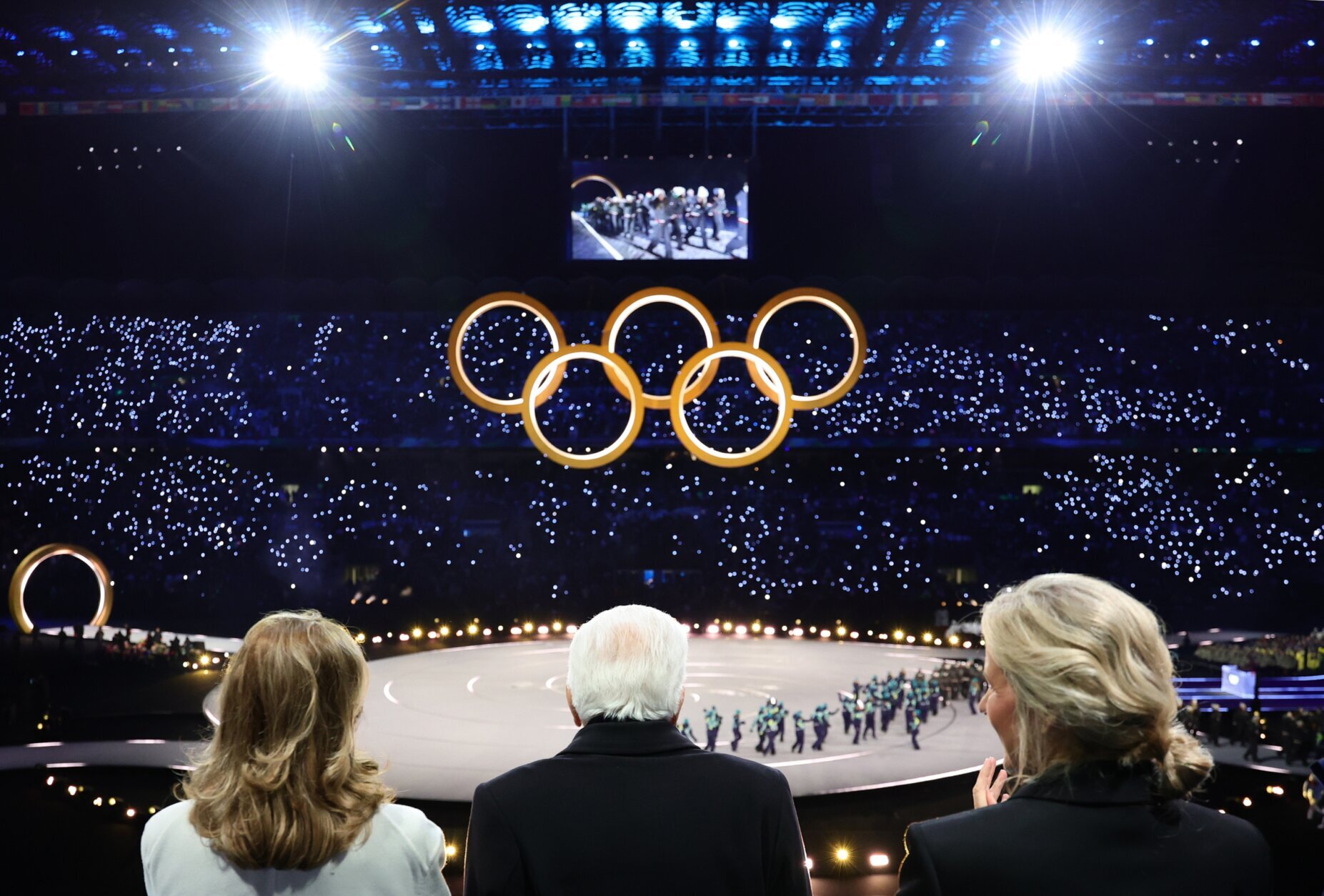
San Siro Stadium (Stadio Giuseppe Meazza), a venue celebrated for its dramatic architectural scale, was transformed into an immersive sensory canvas. The production utilized state-of-the-art projection mapping, kinetic light sculptures, and acoustic calibration designed to wrap the audience in a continuous visual and auditory environment. The design team intentionally balanced classic Italian artistic traditions—drawing inspiration from Renaissance spatial proportions and Leonardo da Vinci’s geometric studies—with clean, modern minimalism.
- Modern Metropolitan Innovation
- THE CENTRAL AXIS OF HARMONY
- Alpine Heritage & Nature
The choreography emphasized fluidity over static displays. Hundreds of performers moved in synchronized wave formations across the stadium floor, visually representing the natural rhythms of water, wind, and mountain topographies. By avoiding heavy physical set constructions in favor of lightweight, re-usable kinetic elements and high-definition light projection, the production maintained a sustainable footprint while delivering high visual impact.
Dual-City Synergy: Connecting Milan and Cortina d'Ampezzo
A defining structural challenge and creative victory of the ceremony was illustrating the dual identity of the host region. The Milano Cortina multi-cluster model geographically separates the urban capital of fashion and finance (Milan) from the dramatic peaks of the Dolomites (Cortina d'Ampezzo). The opening ceremony bridged this geographical gap by making duality a core metaphor for balance.
Through live broadcast links, synchronized staging, and shared visual motifs, the ceremony established a continuous dialogue between the metropolitan stadium environment and the snowy alpine landscape. Visual transitions seamlessly morphed urban architectural patterns into mountain ridgelines, demonstrating how human civilization and natural ecosystems can coexist constructively.
- Urban Innovation: Represented through structured geometric lighting, modern orchestral arrangements, and avant-garde fashion design elements.
- Alpine Heritage: Represented through organic soundscapes, folk musical motifs, and visual projections depicting natural timber, ice crystals, and mountain terrain.
- The Shared Axis: Synchronized performances occurring simultaneously at San Siro and mountain sites, symbolizing a shared commitment to environmental stewardship and regional collaboration.
This dual-city coordination set a functional blueprint for multi-site global events, proving that physical distance between host venues can enhance storytelling rather than fragment it.
Cultural and Musical Performances Celebrating Unity
Music and performance served as the emotional engine of the ceremony, purposefully chosen to reflect how diverse artistic disciplines harmonize when brought together under a singular creative direction. The musical program seamlessly blended centuries of Italian compositional history with contemporary electronic and ambient soundscapes.
- 16th-19th Century: Classical & Opera (Verdi, Puccini)
- 20th Century: Film Score & Modern Orchestral Form
- Modern Era: Acoustic-Electronic Fusion & Live Choirs
The performance opened with classical operatic arrangements performed by premier Italian vocalists, honoring masters such as Giuseppe Verdi and Giacomo Puccini. Rather than treating these works as historical artifacts, the arrangements were expanded with contemporary orchestral textures, demonstrating the living evolution of Italian musical tradition.
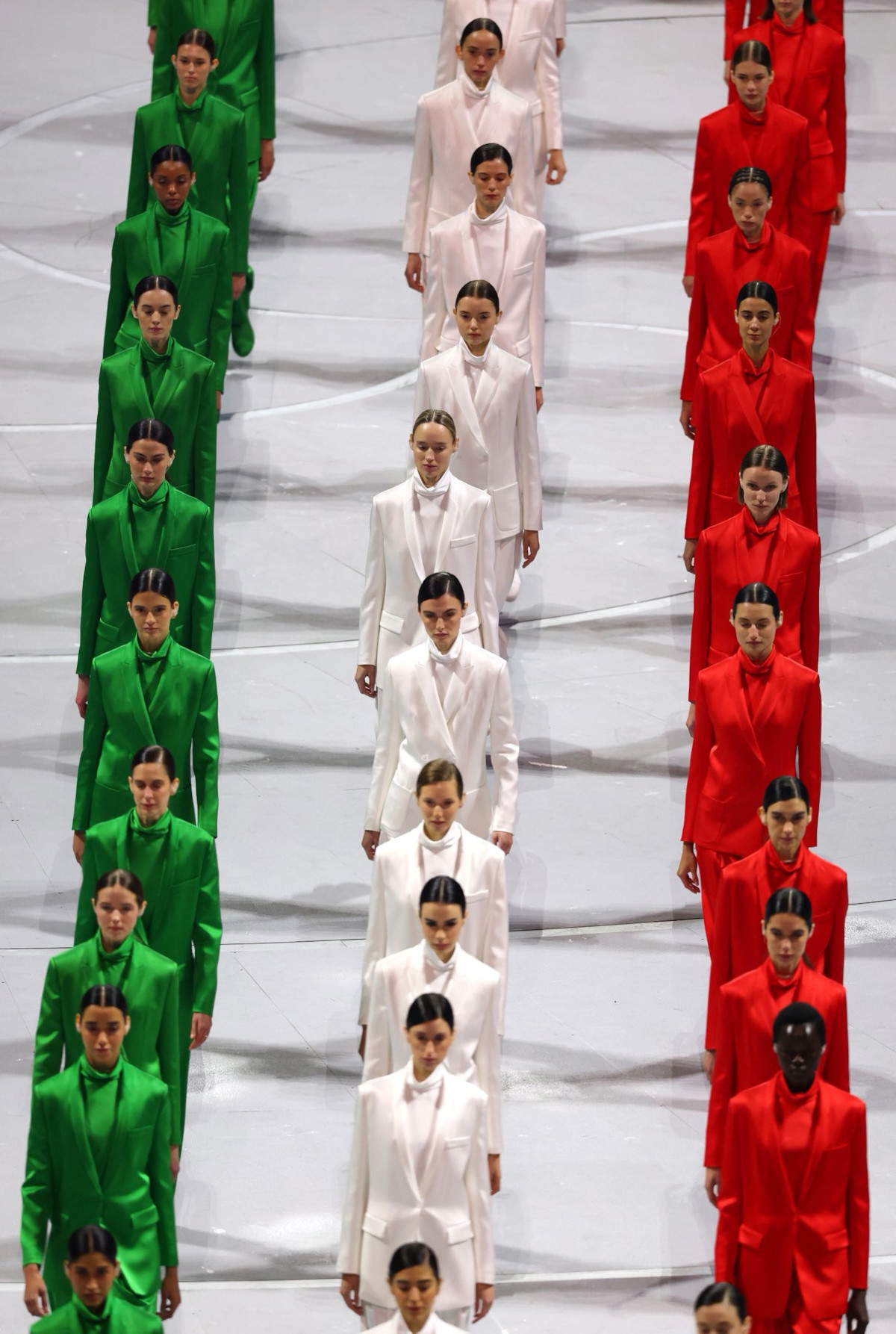
Following the classical movement, the ceremony shifted into a celebration of Italian industrial design, craft, and fashion. Highlighting Milan’s stature as a global design hub, performers moved in costumes created by leading Italian fashion houses using recycled and bio-based textiles. The visual presentation highlighted the precision of Italian craftsmanship (fatto a mano), framing human skill as a unifying bridge across generations and international borders.
During the Parade of Nations, the musical accompaniment adapted continuously, incorporating traditional rhythms and instrumental textures from around the world into a central symphonic structure. This structural choice ensured that every entering delegation shared in the overarching musical motif while retaining their distinct cultural identity.
Key Ceremonial Segments and Symbolic Themes
To understand how the theme of harmony was woven throughout the event, the following breakdown highlights the primary segments, their artistic components, and their broader cultural significance.
| Ceremony Segment | Key Artistic Components | Primary Symbolic Theme | Cultural & Operational Focus |
|---|---|---|---|
| The Prelude: Genesis of Form | Projection mapping, ambient soundscapes, fluid choral movement | Natural balance and the emergence of human creativity | Establishing the connection between raw nature and refined art. |
| The Dual-City Overture | Synchronized live satellite feeds between Milan and Cortina | Regional partnership and geographical synthesis | Linking urban infrastructure with alpine landscape. |
| Parade of Nations | Adaptive global orchestral suite, sustainable athlete apparel | Global unity and respectful competition | Hosting international delegations under a shared harmonic score. |
| The Protocol & Peace Accord | Official addresses, hoisting of the Olympic flag, vocal anthem | Structural cooperation and shared human values | Fulfilling international protocol through dignified ceremonial art. |
| Lighting of the Cauldron | Kinetic torch relay climax, sustainable flame mechanism | Eternal hope, renewable energy, and community focus | Merging historic symbolic traditions with eco-conscious engineering. |
Protocol, Official Ceremonies, and Cauldron Lighting
Beyond the theatrical production, the ceremony fulfilled mandatory international protocol with refined simplicity. Official addresses delivered by event leadership and civic representatives emphasized the imperative of peace, mutual respect, and environmental responsibility in an increasingly complex world.
The athlete and official oaths were presented with a shared chorus of representatives, highlighting collective accountability in sport. The hoisting of the Olympic flag was accompanied by a clear, unadorned rendition of the Olympic Anthem, allowing the natural resonance of the stadium acoustic design to carry the vocal harmonies clearly throughout San Siro.
- Olympic Torch Relay
- Final Stadium Bearers
- Kinetic Cauldron Ignition
The climax of the ceremony—the lighting of the cauldron—offered the ultimate realization of the harmony theme. As the final torchbearers entered San Siro, the relay sequence emphasized intergenerational partnership, featuring legendary athletes alongside young emerging talent. The cauldron design itself eschewed heavy industrial aesthetics in favor of a delicate, kinetic structure inspired by natural flora. Engineered to utilize clean-burning fuel technology, the cauldron expanded as it ignited, symbolizing the outward reach of human warmth, solidarity, and sustainable progress.
Venue Logistics and Public Experience at San Siro
Executing a ceremony of this magnitude required meticulous technical and logistical coordination. San Siro Stadium underwent targeted operational adaptations to accommodate complex rigging arrays, temporary broadcast centers, and athlete staging areas without impacting the structural integrity of the iconic venue.
Transport and Access Management
To manage spectator flow and minimize environmental impact, organizers integrated the ceremony’s ticketing system directly with public transit authorities. Spectators accessed San Siro primarily via the ATM Metro Line M5 (Purple Line) at the San Siro Stadio station, supplemented by high-frequency tram services (Line 16) and designated pedestrian corridors. Special shuttle networks connected regional train hubs—such as Milano Centrale and Milano Porta Garibaldi—directly to stadium perimeter zones.
- Milano Centrale / Porta Garibaldi
- Metro Line M5
- San Siro Stadio Station
- Pedestrian Gateways
Sustainability and Environmental Operations
In alignment with the theme of harmony with nature, event management implemented strict zero-waste-to-landfill guidelines:
- Material Circularity: All temporary staging structures, banners, and decorative elements were constructed from recyclable or certified compostable materials.
- Energy Efficiency: The lighting rig relied on high-efficiency LED arrays, reducing temporary power draw significantly compared to traditional stadium lighting setups.
- Single-Use Plastics Ban: On-site food and beverage service operated entirely without single-use plastics, using dedicated water refill stations throughout the concourses.
Frequently Asked Questions
What was the main theme of the opening ceremony in Milan?
The central theme was Harmony (Armonia), focusing on the integration of human culture with nature, the synthesis of urban innovation and alpine tradition, and the unifying power of international sport.
Where did the opening ceremony take place?
The primary ceremony was held at San Siro Stadium (Stadio Giuseppe Meazza) in Milan, Italy, with synchronized live components broadcast from Cortina d'Ampezzo and other event clusters.
How did the ceremony address environmental sustainability?
The production utilized high-efficiency LED lighting, modular and recyclable stage components, low-emission fuels for the cauldron mechanism, and integrated zero-waste public management strategies supported by public transit access.
How were Milan and Cortina connected during the event?
The ceremony used real-time satellite broad-casting, synchronized visual displays, and linked musical performances to create a continuous artistic dialogue between urban Milan and the alpine backdrop of Cortina d'Ampezzo.
What musical styles were featured during the performance?
The musical program spanned classical Italian opera (featuring works by Verdi and Puccini), modern orchestral compositions, traditional folk melodies, and modern electronic soundscapes, woven together into a single continuous arrangement.
Strategic Takeaways and Final Recommendations
The opening ceremony in Milan demonstrated how large-scale international events can deliver profound cultural messages through disciplined artistic design and clear thematic intent. For event directors, municipal planners, and cultural producers, the ceremony offers several actionable lessons:
- Anchor Production in Direct Metaphor: Select a simple, universally understood theme—such as harmony—and ensure every lighting, musical, and choreographic decision directly serves that premise.
- Integrate Sustainable Operations Early: Environmental responsibility must be engineered into stage design, energy allocation, and spectator transport from the initial conceptual stage, rather than added as an afterthought.
- Leverage Existing Architecture: Utilize the distinct physical character of established venues like San Siro to amplify lighting and sound design, minimizing the need for single-use temporary structures.
- Prioritize Multi-Site Synchronization: When hosting events across split locations, use shared musical cues and real-time broadcast integration to construct a unified experience for viewers worldwide.
By prioritizing balance over excess, the ceremony at San Siro established an enduring benchmark for how art, technology, and community can come together in complete harmony.
Image Gallery