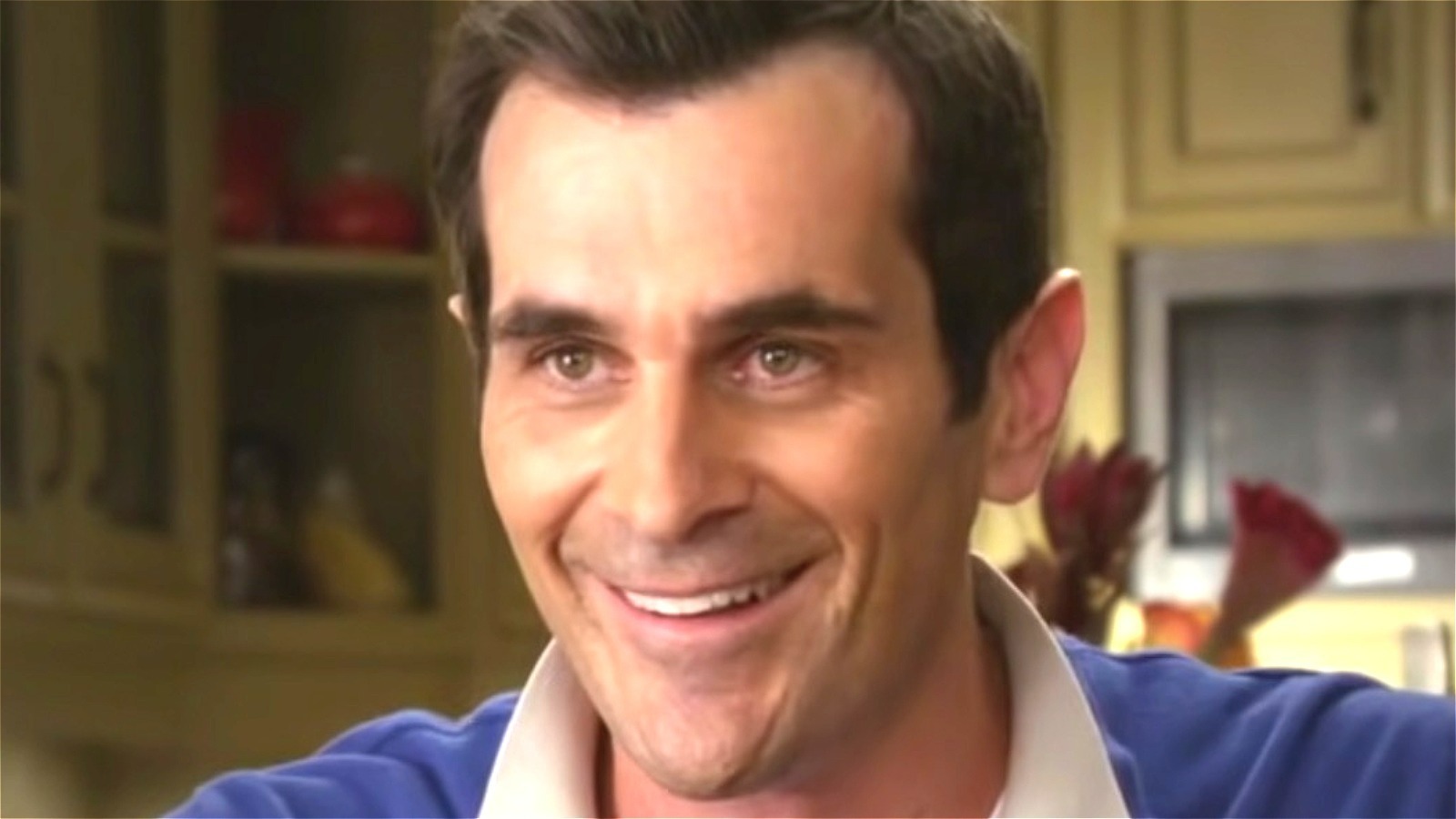
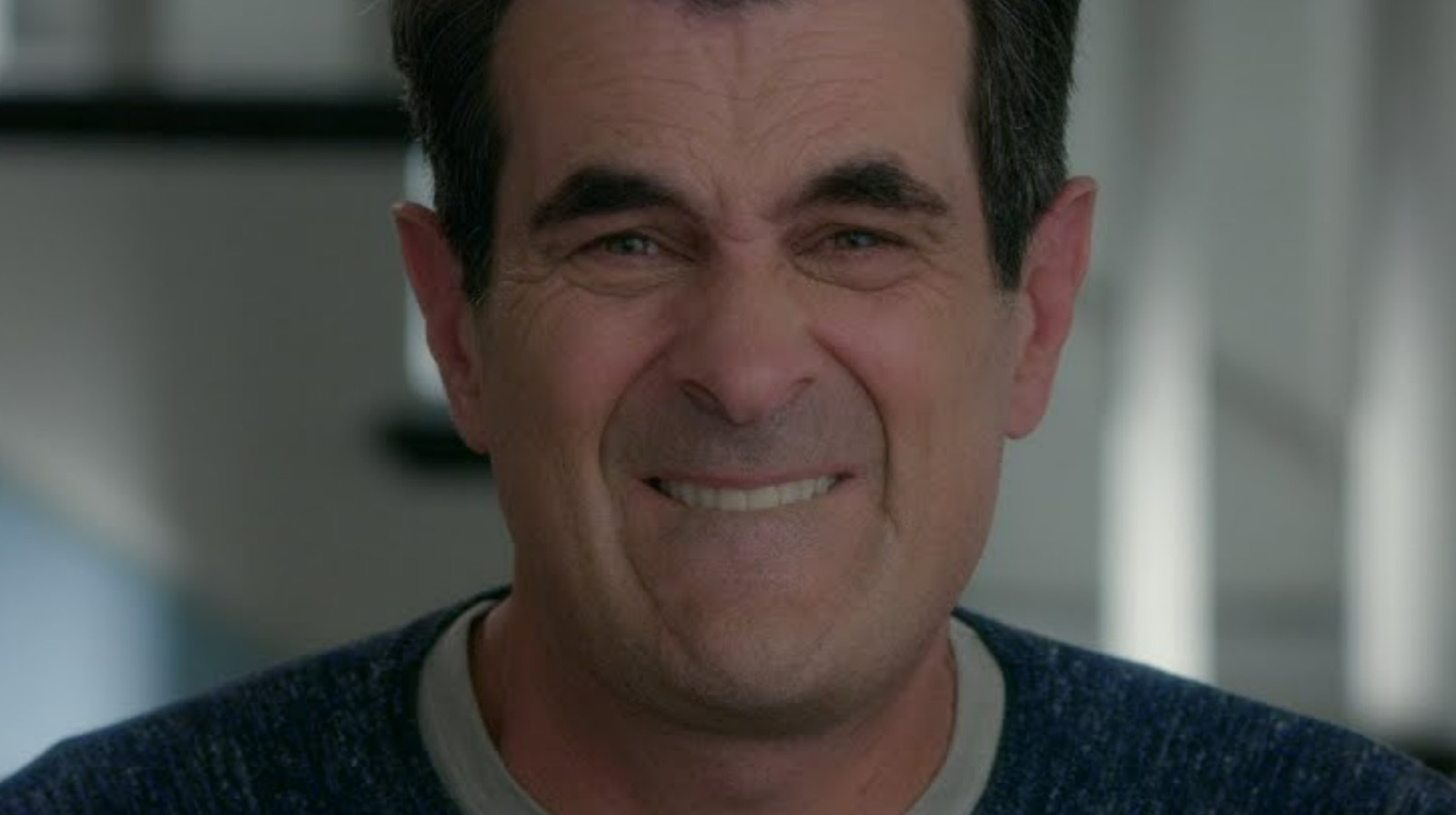
Phil Dunphy Best Moments: A Definitive Guide to the World’s Favorite TV Dad
Phil Dunphy’s best moments are defined by a unique blend of "Phil’s-osophy" wisdom, mastery of physical comedy—most notably involving the "broken step"—and his legendary romantic alter ego, Clive Bixby. These highlights showcase his un...
Phil Dunphy’s best moments are defined by a unique blend of "Phil’s-osophy" wisdom, mastery of physical comedy—most notably involving the "broken step"—and his legendary romantic alter ego, Clive Bixby. These highlights showcase his unwavering optimism and his genuine, if occasionally clumsy, devotion to his family throughout the eleven-season run of Modern Family.
Contents
Phil Dunphy, portrayed by Ty Burrell, remains one of the most iconic characters in television history. As we look back from 2026, the legacy of Modern Family continues to thrive on streaming platforms, with Phil serving as the gold standard for the "cool dad" archetype. His character succeeded because he balanced the absurdity of a man-child with the competence of a successful real estate professional and the heart of a dedicated husband and father.
The Evolution of Phil Dunphy’s Character
To understand why specific moments resonate so deeply, one must first understand the architecture of Phil’s character. Created by Steven Levitan and Christopher Lloyd, Phil was designed to be the antithesis of the "grumpy sitcom dad." Instead of being cynical or detached, Phil is aggressively enthusiastic. This enthusiasm is the engine behind his best moments, whether he is attempting to master a magic trick or trying to bond with his father-in-law, Jay Pritchett.
In the early seasons, Phil’s humor often derived from his desperate need for approval. However, as the series progressed, his character matured into a source of stability for the Dunphy household. By the time the series concluded in 2020, Phil had evolved from a character who was often the "butt of the joke" to the emotional heartbeat of the show.
The Definitive Top 10 Phil Dunphy Best Moments
The following moments have been selected based on their cultural impact, their representation of Phil’s character traits, and their technical execution by Ty Burrell.
1. The "Phil’s-osophy" Compilation (Season 4, Episode 2)
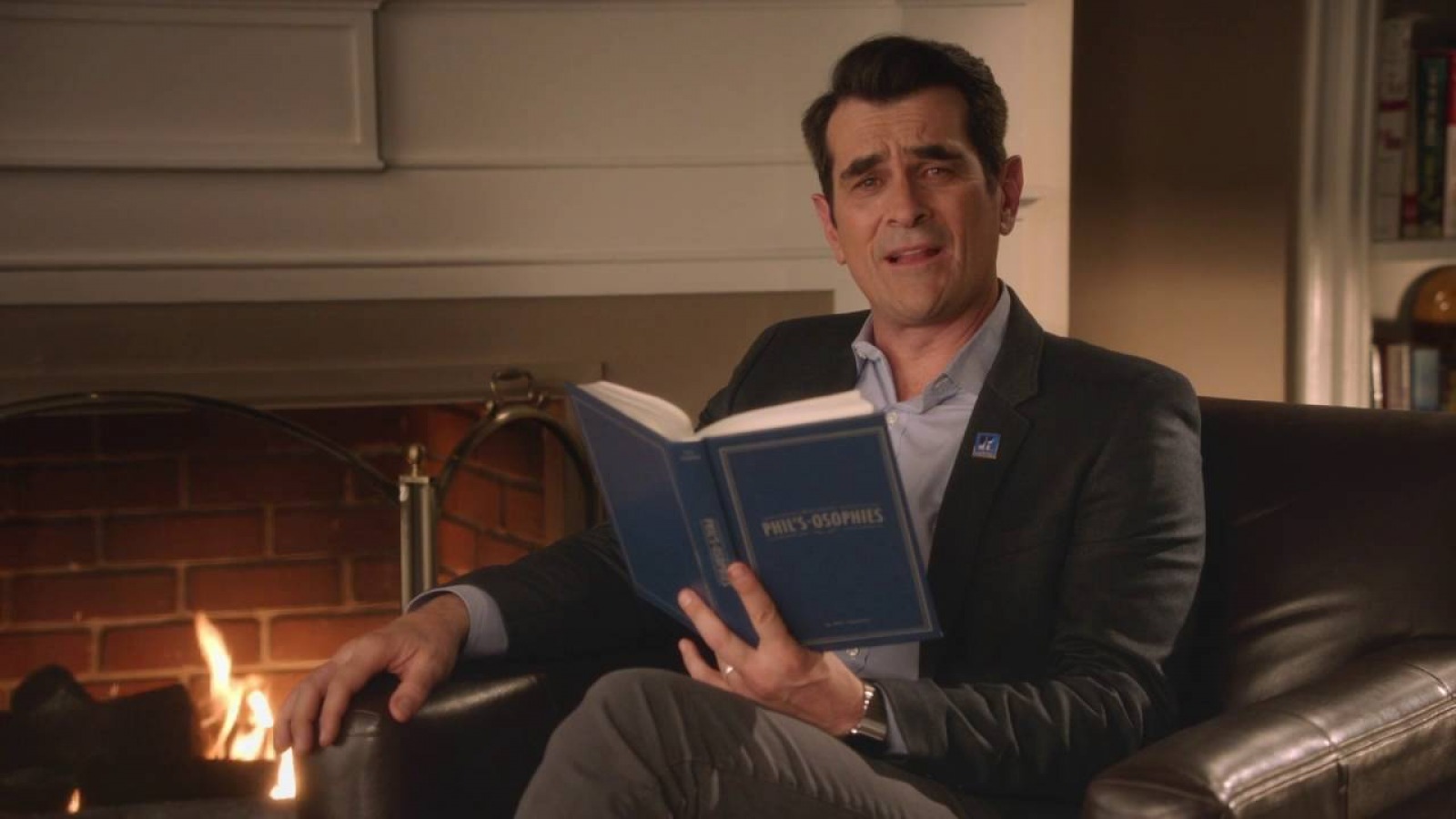
When Haley moves out for college, Phil gifts her a book titled Phil’s-osophy. This moment provided a rapid-fire sequence of "wisdom" that perfectly encapsulated his worldview.
- The Quote: "If you love something, set it free. Unless it’s a tiger."
- Why it Matters: It demonstrated Phil’s unique logic—simultaneously nonsensical and strangely profound. It solidified "Phil-isms" as a staple of the show's writing.
2. The Introduction of Clive Bixby (Season 1, Episode 15)
Valentine’s Day became a recurring highlight for the series, largely due to Phil and Claire’s role-playing tradition. Phil’s transformation into Clive Bixby, a high-end speaker salesman (or "designer of high-end electro-acoustic transducers"), is a masterclass in awkward seduction.
- The Comedy: The dramatic trench coat, the poorly timed winks, and the inevitable disaster involving Claire’s coat getting stuck in an escalator.
- Why it Matters: It showed the strength of the Dunphy marriage, proving that despite their chaotic lives, Phil and Claire remained deeply in love and willing to be ridiculous for one another.
3. Mastering the Tightrope (Season 3, Episode 24)
In "Family Portrait," Phil becomes obsessed with walking a tightrope. While initially played for laughs, the climax of the episode sees him successfully crossing the rope in his backyard.
- The Physicality: Ty Burrell’s background in physical theater shines here. The tension is palpable, and the payoff is genuinely moving.
- Why it Matters: This moment represented Phil’s resilience. It proved that his "whimsical" pursuits weren't just distractions; they were manifestations of his determination to achieve the impossible.
4. The iPad Birthdays (Season 1, Episode 19)
Phil’s obsession with technology was a recurring theme, but nothing topped his desperate quest for the first-generation iPad, which happened to launch on his birthday.
- The Action: Phil’s physical and emotional breakdown as he fails to get the device, only for his family to surprise him later.
- Why it Matters: It captured the "early adopter" tech culture of the 2010s and showcased Phil’s childlike wonder, which remained consistent for 11 years.
5. The "Broken Step" Running Gag
Throughout the entire series, the loose board on the Dunphy staircase was a constant antagonist.
- The Execution: Every time Phil tripped and shouted "Gotta fix that step!", it reinforced the relatable chaos of homeownership.
- Why it Matters: It served as a metaphor for Phil’s life: he isn't perfect, and there are things he forgets to fix, but he always keeps moving upward.
6. The "Slow Motion" Birthday Video (Season 2, Episode 13)
When Phil tries to create a special "slow-motion" video for Luke’s birthday involving a giant grocery store display, the result is a chaotic, destructive mess.
- The Comedy: Phil’s facial expressions as things go wrong in slow motion are legendary.
- Why it Matters: It highlighted the "Peerent" philosophy—Phil’s desire to be his kids' best friend, often at the expense of safety or common sense.
7. Bonding with Jay over the Model Airplane (Season 1, Episode 3)
Early in the series, Phil tries to bond with Jay while flying a remote-controlled airplane. Jay accidentally (or perhaps intentionally) hits Phil in the face with the plane.
- The Dynamic: This moment established the "outsider" status Phil felt within the Pritchett family and his tireless efforts to be accepted by a stoic patriarch.
8. The "Godfather" Parody (Season 4, Episode 13)
In "Fulgencio," Phil takes on the role of "The Godfather" during a series of family errands that turn into a synchronized strike against their enemies.
- The Style: The cinematography and Phil’s cold, calculated demeanor during the baptism scene (juxtaposed with the "hits" he ordered) showed a rare, authoritative side of the character.
9. Phil’s Final Goodbye to his Father (Season 11, Episode 11)
The episode "Legacy" deals with the death of Phil’s father, Frank Dunphy (played by Fred Willard).
- The Emotion: Phil’s monologue about his father being his best friend and the realization that he is now the patriarch of his own family is one of the show's most grounded moments.
- Why it Matters: It provided a full-circle moment for Phil’s character development, transitioning him into the role of the wise elder.
10. The Finale: Leaving the Porch Light On (Season 11, Episode 24)
In the series finale, as the kids move out, Phil and Claire decide to leave the porch light on for whenever they return.
- The Symbolism: Phil’s look of bittersweet realization that his primary "job" as a full-time dad is changing marks a poignant end to his journey.
Comparison of Phil’s Archetypal Traits
To better understand the "Phil Dunphy Effect," it is helpful to look at how his character traits influenced the show's structure.
| Trait | Key Moment | Impact on Narrative |
|---|---|---|
| Physical Comedy | The Broken Step / Trampoline | Provides consistent levity and relatable "dad" struggles. |
| Optimism | Phil's-osophy / The Tightrope | Acts as the emotional glue that keeps the family together during crises. |
| Ambition | Real Estate Awards (SCARB) | Establishes him as a competent professional, not just a clown. |
| Vulnerability | Relationship with Jay Pritchett | Humanizes him and creates long-term character growth through emotional obstacles. |
| Romanticism | Clive Bixby / Valentine's Day | Breaks the trope of the "tired, sexless sitcom marriage." |
Phil’s-osophy: Analyzing the Wisdom of Phil Dunphy
The concept of "Phil’s-osophy" wasn't just a gag; it was a character study. By 2026, many of these quotes have become internet memes, but their original intent was to show how Phil interpreted the world. He viewed life as a series of opportunities for wonder.
One of his most famous quotes—"Watch a sunrise at least once a day"—is a perfect example. On the surface, it’s a logical impossibility, but it speaks to his desire to find beauty as often as possible. Another classic, "If you're ever in a jam, a crayon is a great substitute for a candle," shows his practical (if slightly odd) problem-solving skills. These moments resonate because they reflect a man who is actively trying to be better, more helpful, and more present.
The Technical Brilliance of Ty Burrell’s Performance
Critics often point to Ty Burrell’s background in Shakespeare and classical theater as the secret to Phil Dunphy’s success. The character requires immense "facework"—the ability to communicate complex emotions through subtle shifts in expression.
In the "mockumentary" format, Phil’s direct addresses to the camera are essential. His "slow blinks" when Claire says something he doesn't understand, or the frantic "deer in headlights" look when he’s caught in a lie, are masterclasses in comedic timing. Burrell won two Primetime Emmy Awards for Outstanding Supporting Actor in a Comedy Series for the role, and looking back from 2026, his performance remains the gold standard for the genre.
Frequently Asked Questions
Does Phil Dunphy ever actually fix the broken step?
In the series finale, the step is finally addressed, but for the majority of the 11 seasons, it remains broken. The recurring failure to fix it is a character trait representing the "busy dad" syndrome, where Phil is so focused on his family's happiness that he neglects minor household repairs.
What is Phil Dunphy's actual job?
Phil is a highly successful residential real estate agent at Star-Real Estate and later co-founds Dunphy-Pritchett Real Estate. He often refers to himself as a "Realtor" (capital R) and takes great pride in his professionalism, frequently winning industry awards like the SCARB (Southern California Association of Realtors Banquet).
What is the origin of "Clive Bixby"?
Clive Bixby was introduced in Season 1, Episode 15, titled "My Funky Valentine." It was a way for Phil and Claire to keep their marriage exciting. The persona became so popular that it returned almost every Valentine’s Day throughout the series.
Why is Phil’s relationship with Jay Pritchett so important?
Phil’s relationship with Jay (his father-in-law) is the show's primary arc for male vulnerability. Jay is a "man’s man" from a different generation, while Phil is emotionally expressive. Their slow-burn bond, ending in Jay finally telling Phil "You're a good man," is one of the series' most rewarding developments.
Where can I watch the best Phil Dunphy moments today?
As of 2026, Modern Family is available for streaming on platforms such as Disney+, Hulu, and Peacock, depending on your region. Most platforms offer "Best of Phil" curated playlists or episode guides.
Recommended Next Steps for Fans
If you are looking to revisit Phil Dunphy's greatest hits, the best way is to watch the "Valentine’s Day Trilogy" (Season 1, Season 2, and Season 4) to see the evolution of his humor. For those interested in the emotional side of the character, Season 11’s "Legacy" provides the most profound insight into why Phil is the way he is. Finally, for the best physical comedy, the Season 3 finale involving the tightrope walk remains the definitive example of Ty Burrell’s talent.
Image Gallery