The Iconic Legacy of Ric Flair’s Professional Wrestling Robe
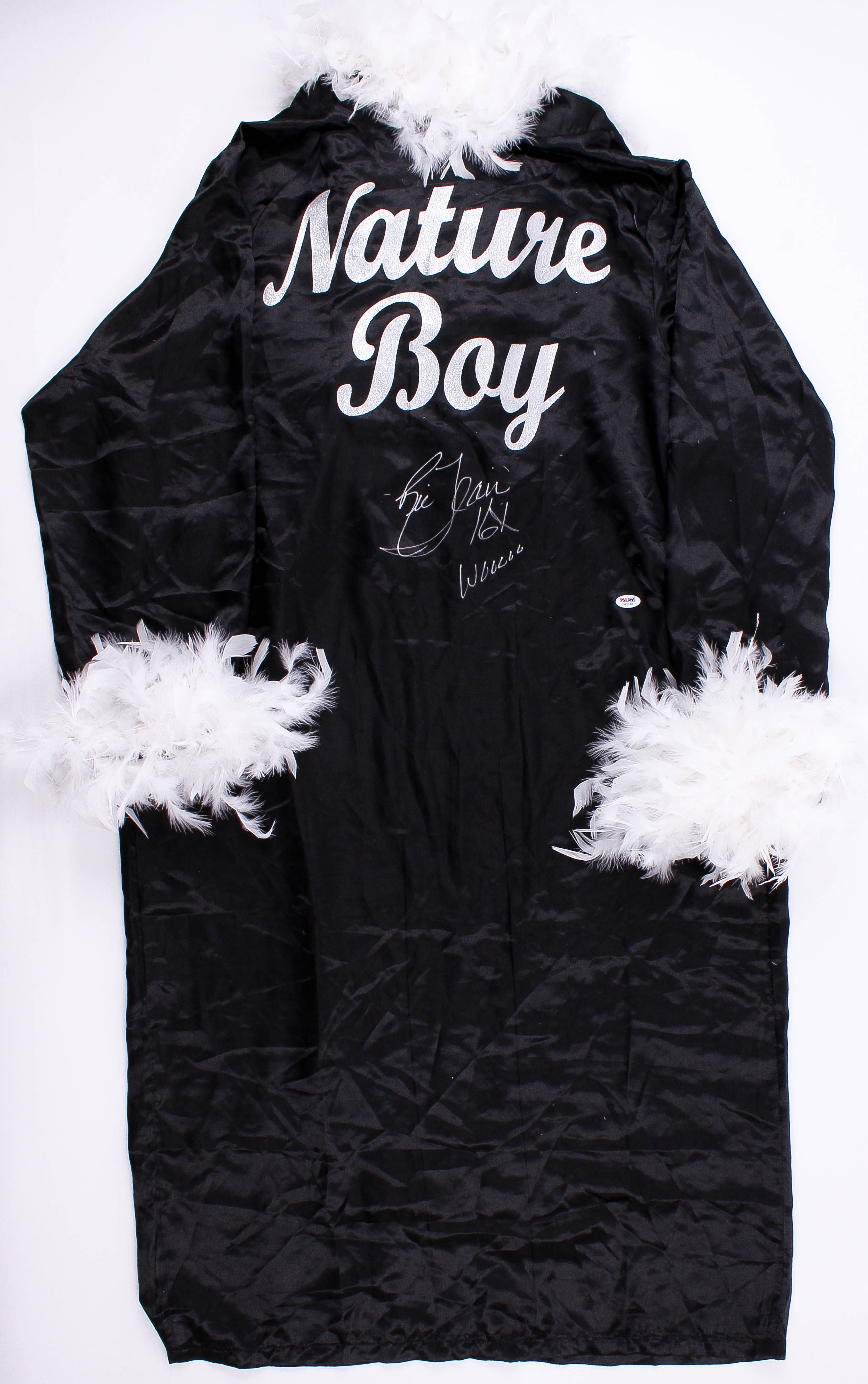
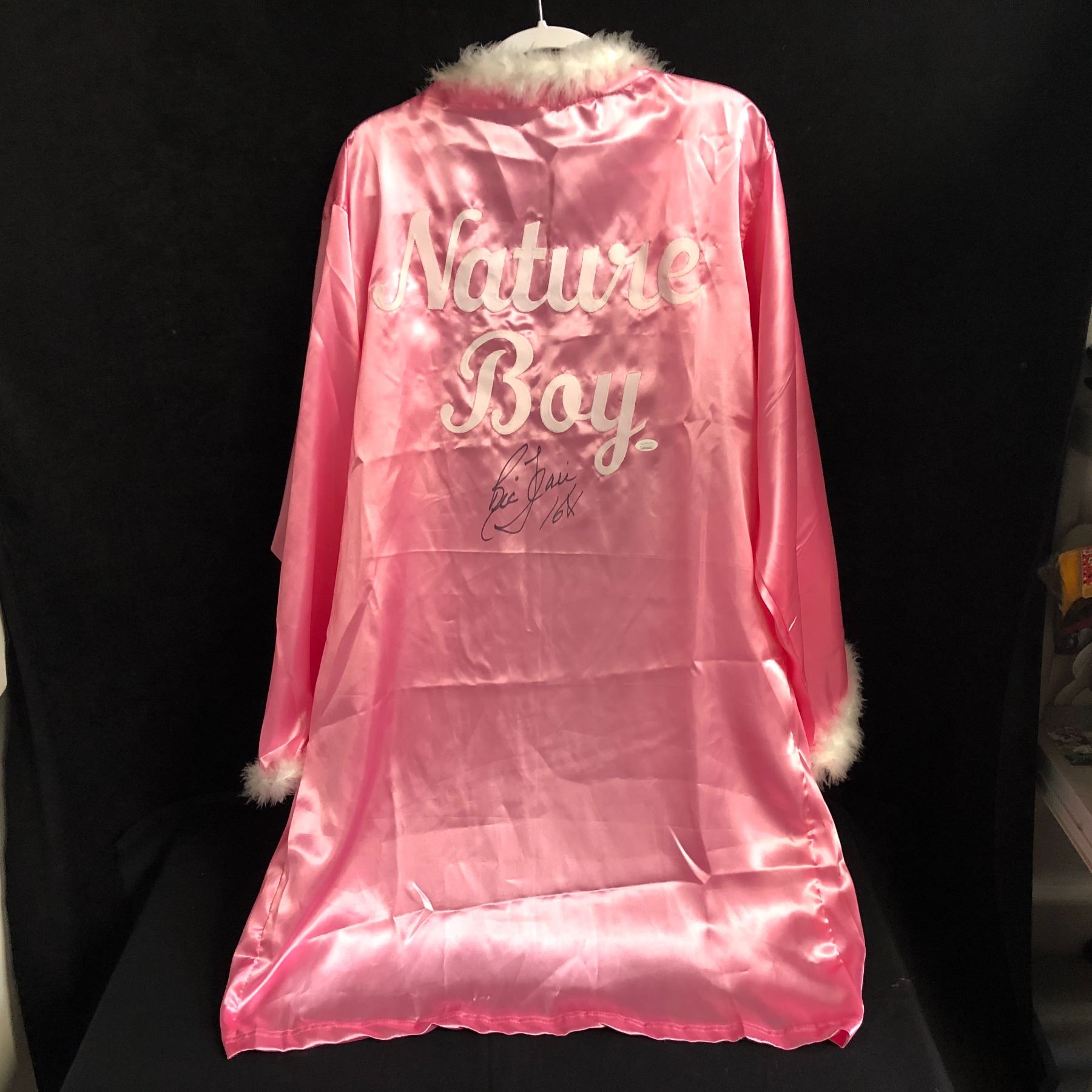
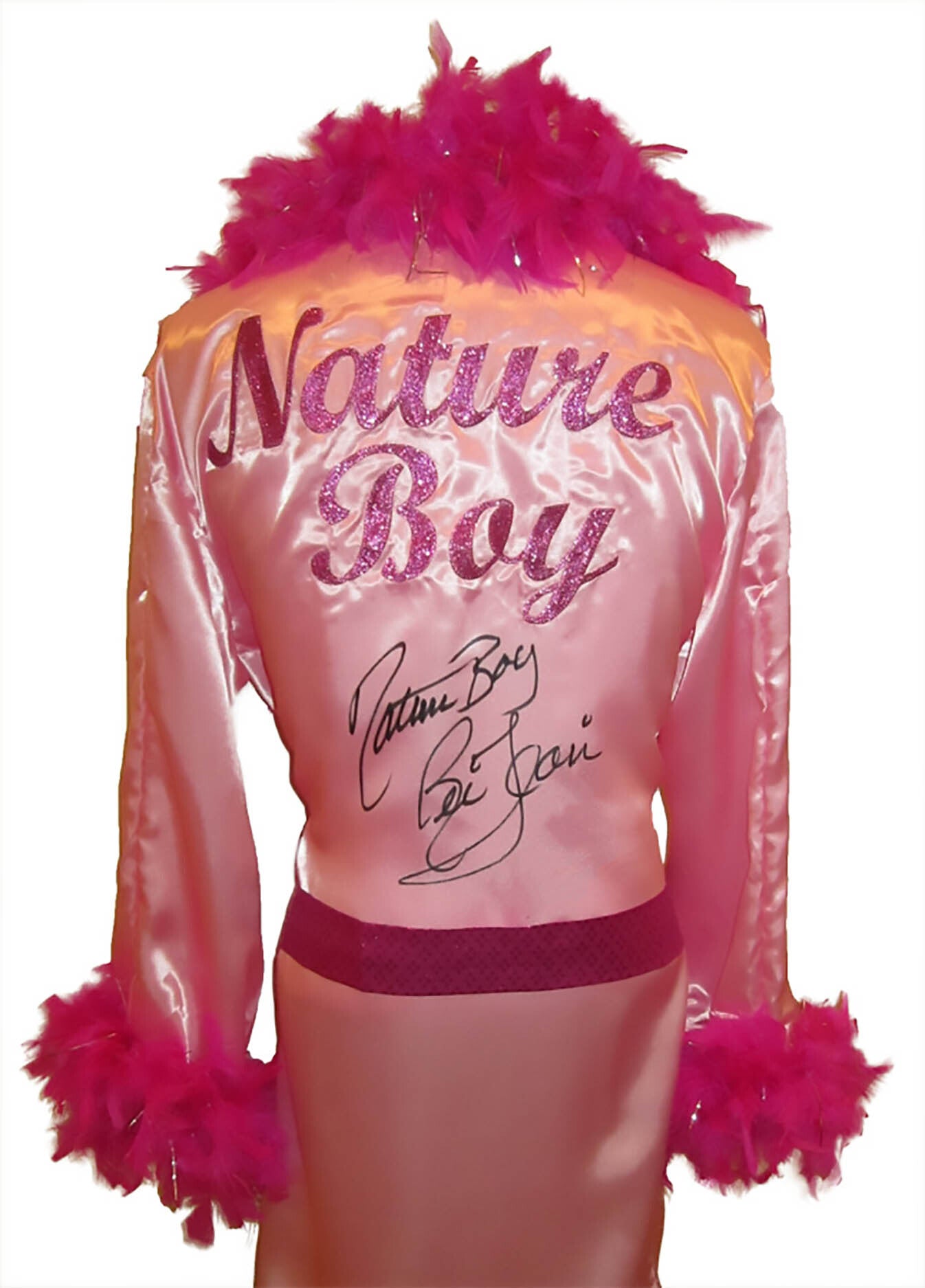
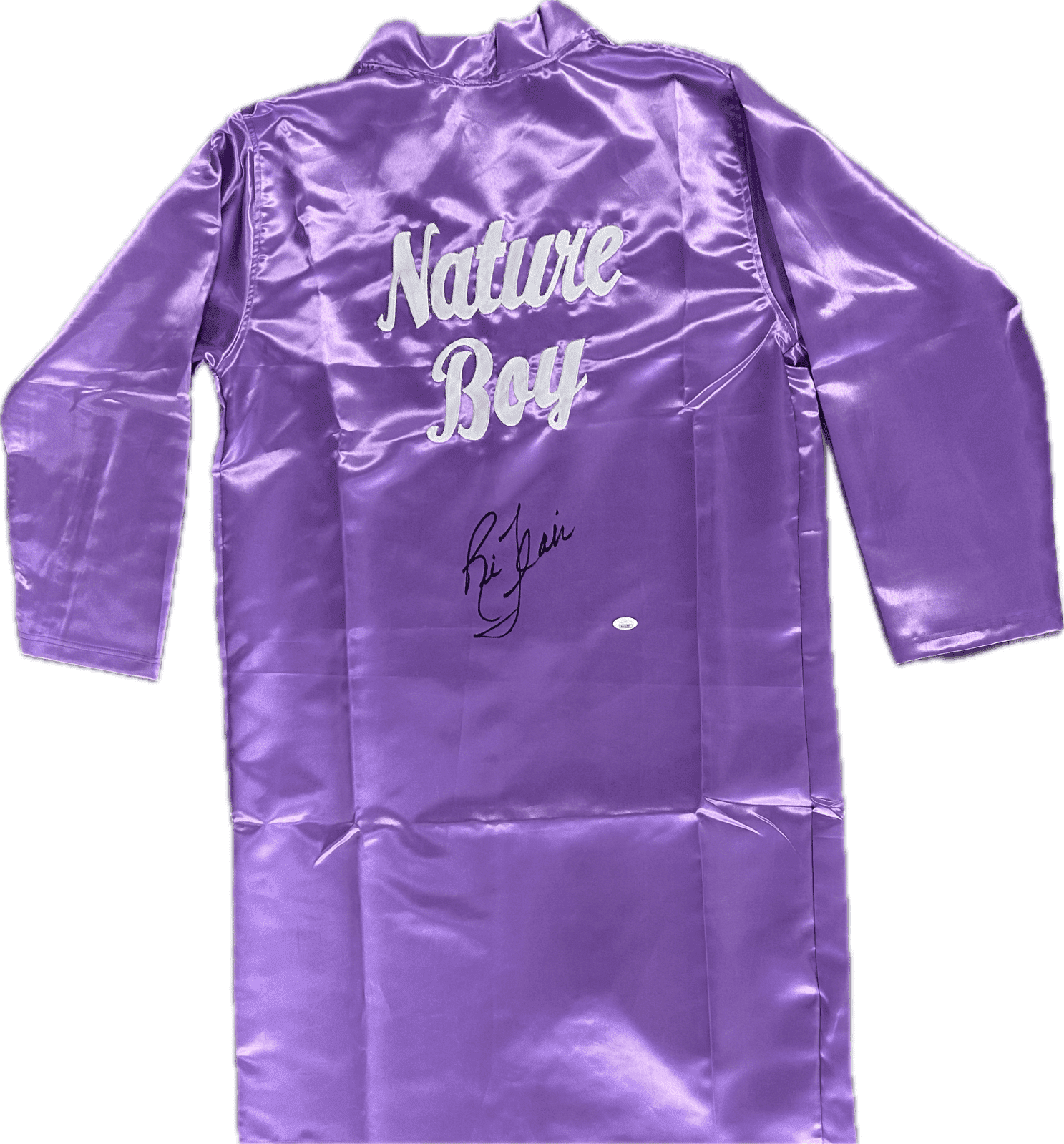
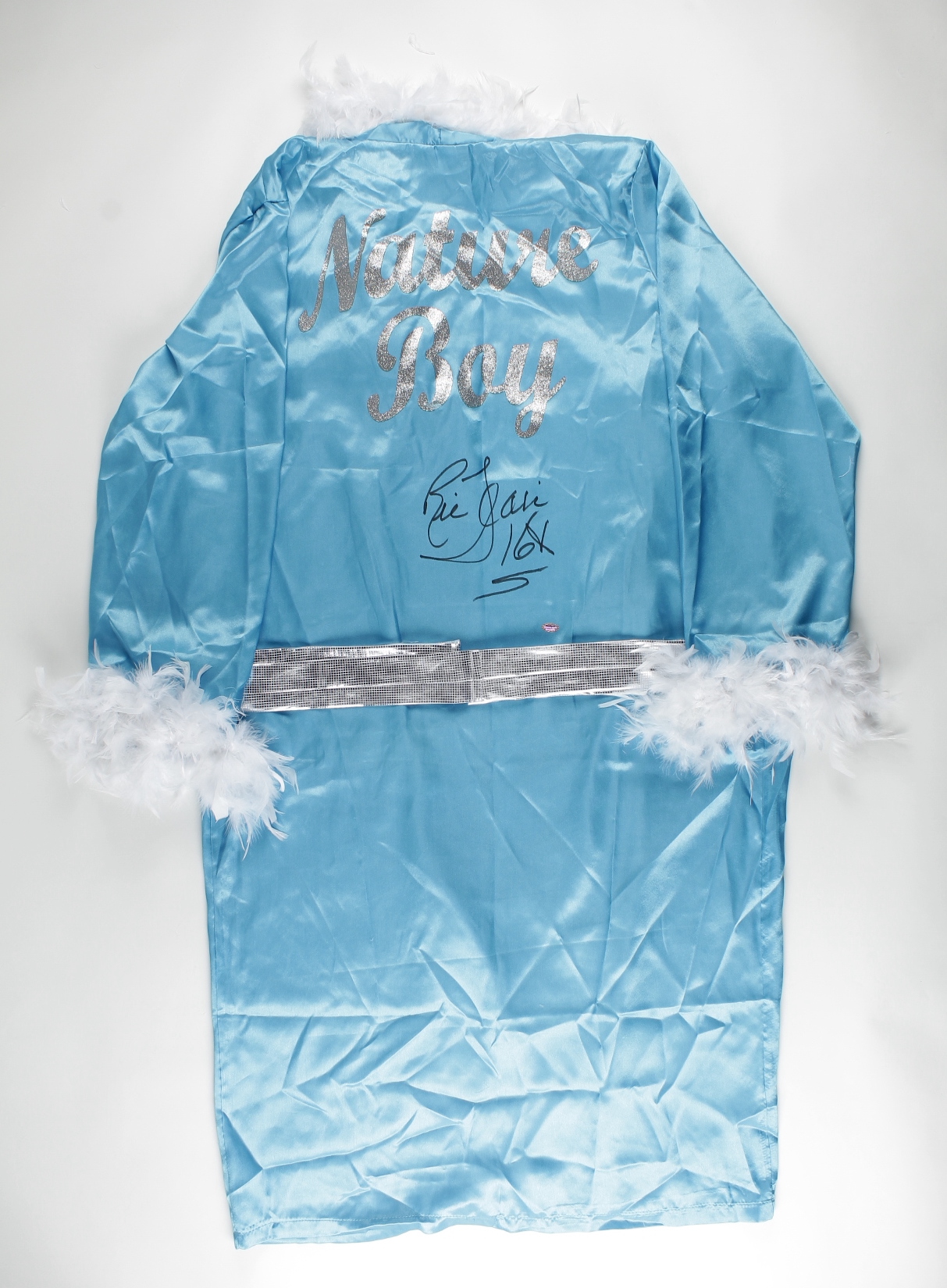
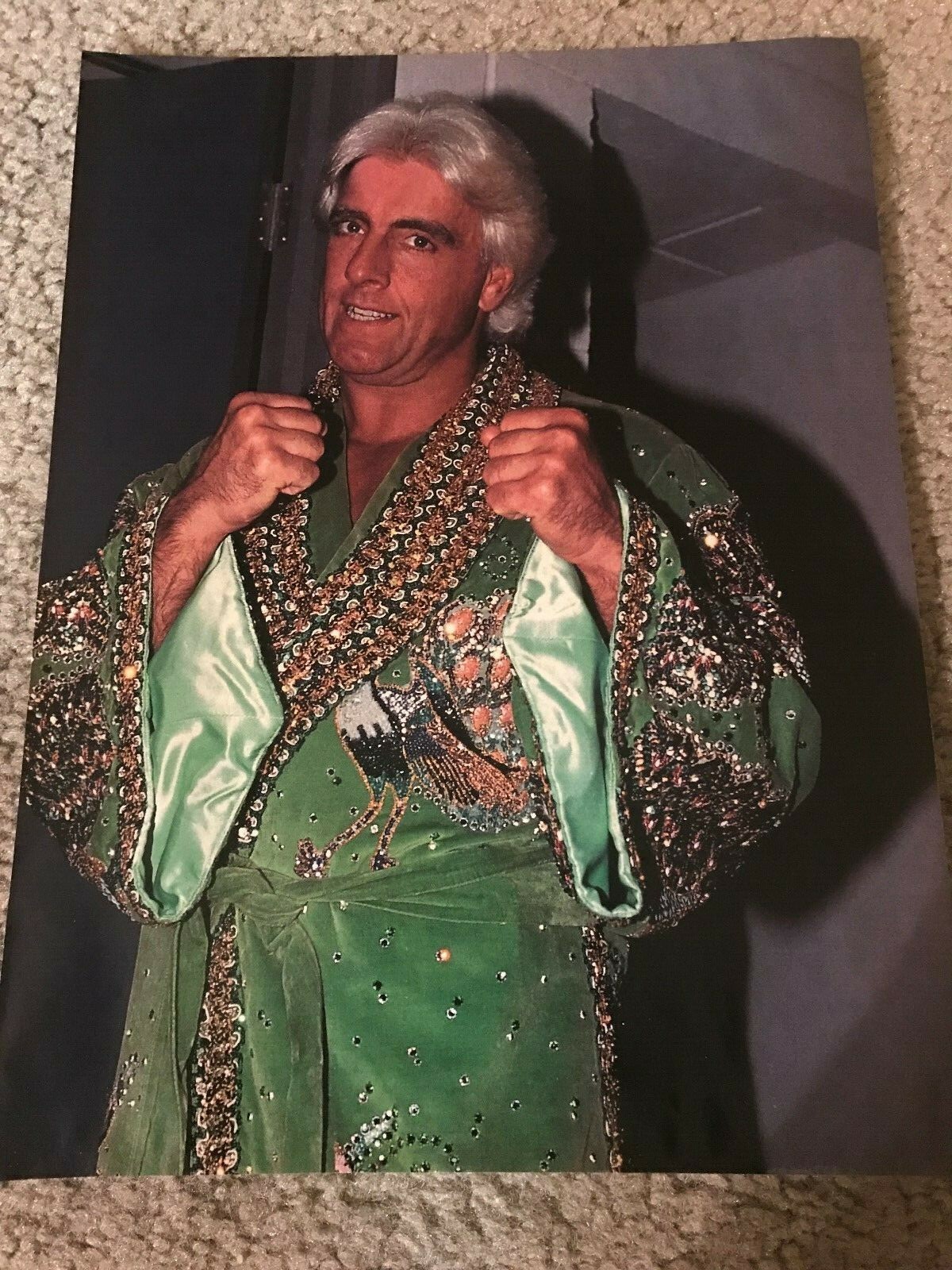
The Ric Flair robe is more than a simple garment; it is a quintessential piece of professional wrestling iconography that defined the persona of the "Nature Boy." Embodying extravagance, status, and theatrical superiority, the custom-m...
The Ric Flair robe is more than a simple garment; it is a quintessential piece of professional wrestling iconography that defined the persona of the "Nature Boy." Embodying extravagance, status, and theatrical superiority, the custom-made sequined, feathered, and velvet robes functioned as a visual narrative tool, signaling to the audience the high-stakes nature of Flair’s championship bouts. These garments remain a benchmark for entrance attire in sports entertainment today.
Contents
The Evolution of the Nature Boy’s Entrance Attire
To understand the cultural impact of the Ric Flair robe, one must look at the transition of professional wrestling from the territory system to the national stage. In the 1970s and 80s, entrance attire was largely functional. Wrestlers often wore standard trunks or simple warm-up jackets. Richard Morgan Fliehr, performing as Ric Flair, sought to elevate this by borrowing from the traditions of boxing royalty, most notably the showmanship of "Gorgeous George" Wagner.
The robe became a central component of Flair’s character, the "Nature Boy." It was designed to exude wealth and arrogance. As his career progressed through the NWA (National Wrestling Alliance) and later the WWF (World Wrestling Federation) and WCW (World Championship Wrestling), the robes became increasingly intricate. They moved from simple satin to heavy, custom-dyed velvets, adorned with thousands of hand-stitched sequins, Swarovski crystals, and luxurious feather boas that would shed throughout the ring during his matches.
The Craftsmanship Behind the Robes
Creating a Ric Flair robe was a specialized craft that required significant investment in both time and capital. These were not mass-produced costumes; they were bespoke commissions.
Material Requirements and Construction
The robes were engineered to withstand the rigors of travel and the physical environment of an arena. The base fabric was typically a high-grade velvet or heavy-duty synthetic blend, chosen for its ability to hang regally on the wearer.
- Sequins and Rhinestones: Each robe featured thousands of individual sequins. Unlike modern heat-pressed decals, these were historically sewn by hand to ensure they would catch the arena lighting from every possible angle.
- Feathering: The collars and cuffs were lined with high-density ostrich feathers. This served a functional purpose in "selling" the character’s ego; Flair would often discard or tear at the feathers to incite the crowd during his "wooing" taunts.
- Structural Support: Because the materials were exceptionally heavy—often weighing between 20 and 30 pounds—the internal structure of the robe required reinforced stitching at the shoulders to prevent sagging.
The Cost of Excellence
During the peak of Flair’s career in the 1980s and 1990s, a custom robe could cost several thousand dollars. In 2026, recreating an authentic robe of that specific vintage, using professional-grade theatrical materials and expert labor, would likely command a price in the range of $5,000 to $12,000, depending on the complexity of the design and the quality of the embellishments.
Historical Significance and Cultural Impact
The robe functioned as a visual shorthand for the "NWA World Heavyweight Championship" era. When the robe came off, it signified that the spectacle was over and the professional wrestling match—the "work"—was about to begin.
Comparative Analysis of Wrestling Entrance Attire
| Feature | Ric Flair Robe | Modern Standard Entrance Gear |
|---|---|---|
| Primary Material | Heavy Velvet / Satin | Performance Polyester / Spandex |
| Weight | 20–30 lbs | 2–5 lbs |
| Craftsmanship | Hand-sewn embellishments | Digitally printed / Heat transfer |
| Symbolic Value | Represents "Old School" wealth | Represents branding and merchandise |
| Longevity | High; meant for legacy | Lower; subject to seasonal trends |
The difference in approach highlights a shift in industry philosophy. Where Flair used the robe to establish a singular, untouchable persona, modern performers often use entrance attire to launch merchandise lines or pivot toward "athleisure" branding.
Maintenance and Preservation Challenges
For collectors or those attempting to manage a collection of wrestling memorabilia, preserving a vintage Ric Flair robe presents unique technical challenges.
- Light Degradation: The sequins and crystals are highly susceptible to UV damage and humidity. Storing these items requires climate-controlled environments with light-blocking storage solutions.
- Feather Preservation: Ostrich feathers are organic matter. If not treated with professional anti-pest measures, they can dry out, break, or attract insects.
- Structural Fatigue: The weight of the robe puts immense stress on the lining. Over decades, the lining often pulls away from the velvet base, requiring specialized textile restoration services to prevent irreversible tearing.
Troubleshooting Common Questions
What happened to the original Ric Flair robes?
Ric Flair has auctioned and sold various robes throughout his career to benefit his personal estate and family. Some remain in his private collection, while others have been purchased by private collectors or are occasionally featured in museum exhibits related to the history of professional wrestling.
Can you buy a genuine Ric Flair robe today?
Authentic, ring-worn robes are rare and generally only change hands through reputable sports memorabilia auction houses. If you encounter a listing for a "genuine" robe on a secondary market site, verify the provenance with documentation, such as a certificate of authenticity (COA) that tracks the robe to a specific match or event.
How are the robes cleaned?
These items are generally considered museum pieces. Attempting to clean a vintage sequined robe with household laundry methods will destroy the fabric. Professionals use dry-cleaning techniques specifically for theatrical costumes, focusing on spot-cleaning and delicate ventilation rather than immersion.
What is the purpose of the feathers?
Beyond the aesthetic, the feathers served as a sensory trigger for the audience. The sight of feathers flying during a high-intensity match became a visual signature of a "big match" environment, reinforcing the theatricality that Flair championed throughout the NWA and WCW eras.
Did Flair design his own robes?
While Flair conceptualized the aesthetic—frequently influenced by his love for high-end fashion and his specific persona requirements—the actual construction was outsourced to professional costume designers who specialized in theatrical and ring gear.
Conclusion and Strategic Next Steps
If you are an enthusiast looking to understand the history of professional wrestling or a collector interested in acquiring memorabilia, the Ric Flair robe remains the gold standard of entrance attire.
For those looking to acquire similar items:
- Verify Provenance: Never purchase high-value wrestling gear without verifiable match-worn documentation.
- Consult Experts: Engage with professional textile appraisers before investing in vintage stage-wear.
- Storage: If you possess such an item, prioritize a dark, climate-controlled storage solution to prevent the degradation of sequins and organic materials.
The legacy of the robe is sustained by the performance itself; it was never merely a garment, but a vital instrument in the art of professional wrestling.
Image Gallery