The Complete 2026 Guide to W. Somerset Maugham: Literary Legacy, Critical Analysis, and Modern Relevance
(Note: While the query "maugham maugham" repeats the surname, this guide focuses entirely on the enduring literary contributions, biographical framework, and 2026 critical assessment of the celebrated British author and playwright W. S...
(Note: While the query "maugham maugham" repeats the surname, this guide focuses entirely on the enduring literary contributions, biographical framework, and 2026 critical assessment of the celebrated British author and playwright W. Somerset Maugham.)
Contents
William Somerset Maugham stands as one of the most commercially successful and critically enigmatic literary figures of the twentieth century. Even as the literary landscape evolves through 2026, his sharp psychological insight, peerless narrative pacing, and cynical clarity continue to captivate both academic scholars and contemporary readers. Understanding his vast bibliography requires looking past simplistic dismissals of his work as merely popular entertainment, recognizing instead a master craftsman who manipulated form, theme, and narrative voice with surgical precision.
The Biographical Foundation of Maugham’s Literary Universe
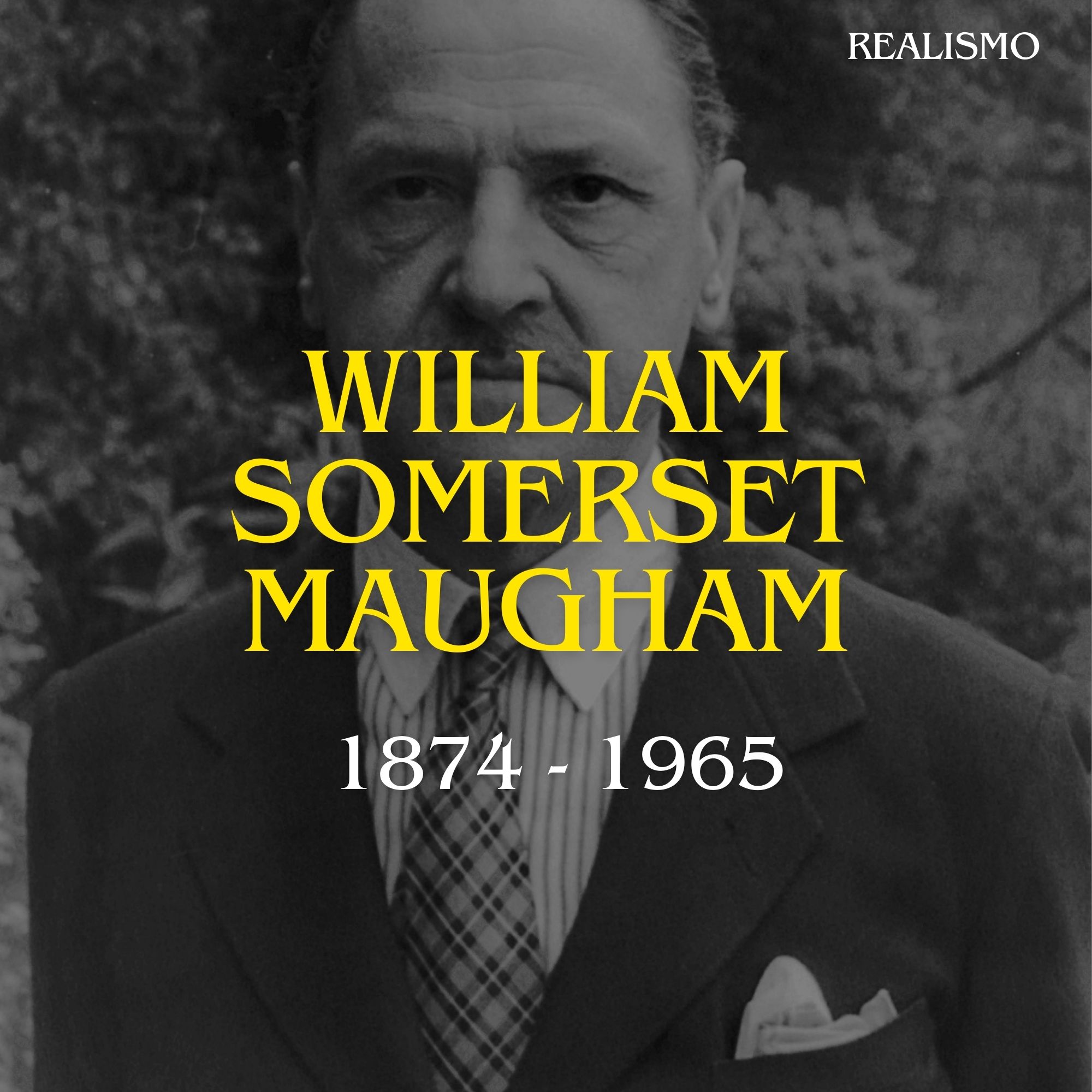
To understand Maugham’s distinct perspective, one must examine the formative experiences that shaped his worldview. Born in Paris in 1874 and orphaned by the age of ten, Maugham was thrust into an alien environment when sent to live with an emotionally distant uncle in Kent, England. His diminutive stature, profound stutter, and status as an outsider fostered a lifelong habit of acute observation. Maugham watched human interactions from the periphery, gathering the raw material that would later populate his fiction.
His early training in the medical profession at St Thomas's Hospital in London proved equally transformative. Working among the destitute patients of Lambeth provided Maugham with an unvarnished view of human suffering, hypocrisy, and desire. This clinical detachment became the hallmark of his narrative voice. He observed human frailty without moralizing, presenting characters with all their flaws intact.
- Orphanhood and Alienation: Cultivated a lifelong psychological stance as an objective spectator rather than an active participant in social conventions.
- Medical Training: Imbued his writing with a diagnostic precision, allowing him to dissect human motives with clinical accuracy.
- Extensive Global Travel: Provided rich exotic settings for his most famous novels and short stories, shifting British literature away from strictly domestic confines.
Masterworks and Structural Mastery in the Maugham Canon
Maugham’s literary output spans novels, short stories, plays, and travel essays. His works are celebrated for their readability, a quality Maugham achieved through relentless adherence to clarity, simplicity, and truth. He famously remarked that he had small claims to being a genius, but that he possessed a clear view of his own limitations and strengths.
His breakthrough novel, Liza of Lambeth (1897), drew directly from his midwifery experiences in the slums. However, it was Of Human Bondage (1915), a semi-autobiographical masterpiece, that cemented his status as a major novelist. The chronicle of Philip Carey's obsessive, self-destructive passion for the waitress Mildred Rogers explored the painful transition from romantic illusion to hard-won emotional maturity.
Key Structural Pillars of Maugham's Narrative Technique
The Frame Narrative Maugham frequently employed a first-person narrator named "Somerset Maugham" or an unnamed writer who serves as a bridge between the reader and the eccentric characters of the story. This technique lends an aura of non-fictional authenticity and journalistic observation to dramatic events.
Economic Plotting Favoring narrative drive over excessive ornamentation, Maugham structured his plots with a distinct beginning, middle, and end, ensuring that pacing never flagged while maintaining deep psychological integrity.
Moral Ambiguity Rejecting Victorian melodrama, Maugham’s characters frequently escape traditional retribution or reward. Good people suffer, scoundrels prosper, and life simply unfolds according to its own indifferent logic.
Comparative Analysis of Major Works
To fully appreciate the scope of Maugham’s contributions, it is valuable to examine his major novels across different phases of his career, balancing their thematic focus with critical receptions.
| Title | Publication Year | Primary Setting | Core Theme | Critical Assessment |
|---|---|---|---|---|
| Of Human Bondage | 1915 | London / Heidelberg | The painful pursuit of emotional freedom and the rejection of romantic illusions. | Widely regarded as his masterpiece and a high-water mark of early 20th-century realism. |
| The Moon and Sixpence | 1919 | London / Tahiti | The destructive nature of artistic genius inspired by the life of Paul Gauguin. | Praised for its unflinching examination of ego and sacrifice in the pursuit of aesthetic perfection. |
| The Painted Veil | 1925 | Hong Kong / Rural China | Infidelity, spiritual awakening, and redemption against the backdrop of a cholera epidemic. | Celebrated for its complex character arc and rich atmospheric depiction of colonial society. |
| The Razor’s Edge | 1944 | Chicago / Paris / India | Eastern spirituality versus Western materialism in post-WWI society. | A commercial and critical triumph that captured the existential anxieties of the mid-20th century. |
The Mechanics of the Short Story: Maugham’s Enduring Legacy
While his novels secure his historical standing, Maugham is arguably at his finest in the short story format. He dominated the magazine market of the interwar period, turning tales set in the British Empire, colonial outposts, and polite drawing rooms into literary events. Stories like "Rain," "The Letter," and "The Outstation" dissect the fragile veneer of European civilization when subjected to the intense psychological pressure of tropical climates and isolation.
In these narratives, Maugham exposed the hypocrisies of colonial administrators and expatriates. He demonstrated how puritanical righteousness often masks deep repression and moral corruption. His ability to build suspense toward a sharp, devastating twist ending made him a primary structural influence on subsequent writers of suspense and psychological drama.
Critical Reception and Modern Reappraisal in 2026
For decades, academic criticism maintained a complex relationship with Maugham. Because his books sold in the millions and were easily adapted for stage and screen, some mid-century critics dismissed him as a popular entertainer rather than a serious literary artist. Virginia Woolf and other high modernists occasionally found his prose style too traditional, lacking the radical experimentalism of stream-of-consciousness techniques.
However, a robust modern reappraisal views Maugham through a much more appreciative lens. In 2026, literary critics value his work for its early exploration of fluid identities, anti-colonial critique, and honest handling of human sexuality and alienation. His clear-eyed skepticism aligns well with contemporary tastes, which favor narrative accessibility paired with deep psychological acuity.
Step-by-Step Approach to Studying W. Somerset Maugham
For readers and researchers looking to explore Maugham's extensive bibliography effectively, a structured reading plan ensures a comprehensive appreciation of his development.
- Start with the Short Stories: Begin with collected volumes such as The Casuarina Tree or individual masterpieces like Rain to experience his unmatched pacing and mastery of the twist ending.
- Read the Semi-Autobiographical Magnum Opus: Dive into Of Human Bondage to understand the psychological bedrock of his worldview and his unsparing look at youthful obsession.
- Explore the Exotic and Philosophical Novels: Transition to The Moon and Sixpence and The Razor's Edge to witness his examination of artistic obsession and spiritual seeking.
- Examine Cinematic Adaptations: Watch classic film adaptations of his works, such as the 1929 and subsequent versions of The Letter, to understand how his tight plots translate across visual media.
- Consult Critical Biographies: Read modern biographical analyses to separate the public persona of the wealthy, world-weary cosmopolitan from the complex, deeply private man underneath.
Frequently Asked Questions
What makes W. Somerset Maugham's writing style distinct?
Maugham is celebrated for his lucid, unpretentious prose style, prioritizing clarity, narrative momentum, and psychological realism over ornate ornamentation. His background in medicine lent his narration a clinical, objective detachment toward human flaws.
Which W. Somerset Maugham book should I read first?
For newcomers, The Painted Veil or a collection of his short stories provides an accessible entry point into his thematic concerns and narrative brilliance. For his definitive masterpiece, Of Human Bondage is essential reading.
How did Maugham's travel experiences influence his work?
Extensive journeys through the South Pacific, Southeast Asia, and Europe supplied Maugham with vivid settings that highlighted the psychological friction between Western social codes and primal human desires. These exotic locales served as crucibles for his characters.
Are Maugham's works still relevant in 2026?
Yes, his exploration of existential anxiety, spiritual seeking, identity, and the hypocrisy of social institutions resonates strongly with modern readers navigating similar complexities.
What is the overarching theme of The Razor's Edge?
The novel examines the conflict between material success and spiritual fulfillment, following a young veteran who rejects conventional American ambition in favor of a profound, inward journey toward enlightenment.
Conclusion
W. Somerset Maugham remains a towering figure whose literary output bridges the gap between popular appeal and enduring artistic merit. By combining an acute eye for social pretense with an unwavering commitment to clarity, he crafted a body of work that continues to challenge, entertain, and enlighten readers. Engaging with his novels and short stories offers a masterclass in narrative construction and an unsparing exploration of the human condition.
Image Gallery