What Changed for the Miranda Lambert and Chris Stapleton Duet: Full Breakdown
When Miranda Lambert stepped onto the stage alongside Chris Stapleton at the 56th Academy of Country Music (ACM) Awards, viewers witnessed a dramatic, last-minute change to one of country music’s most anticipated live duets. Lambert re...
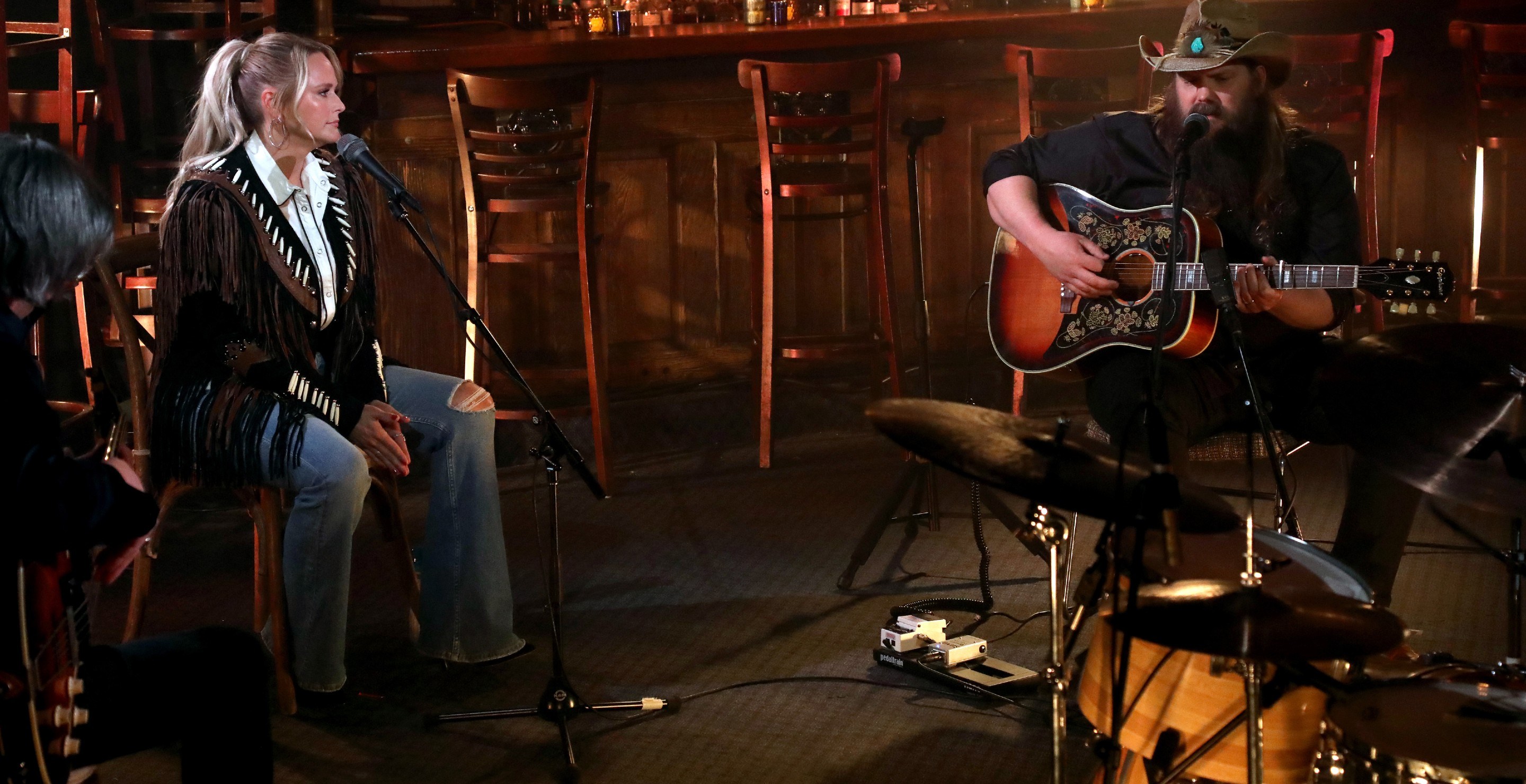
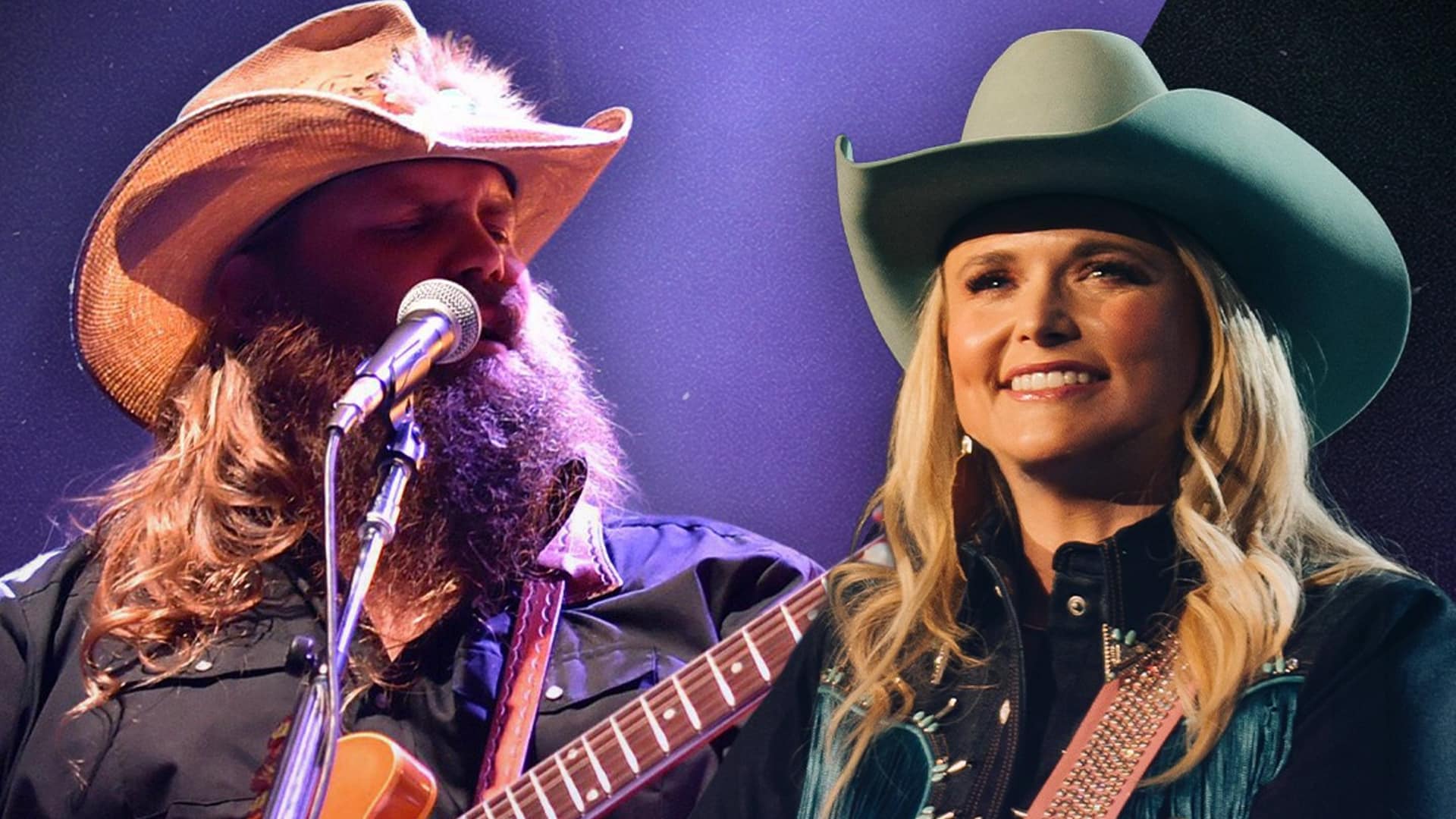
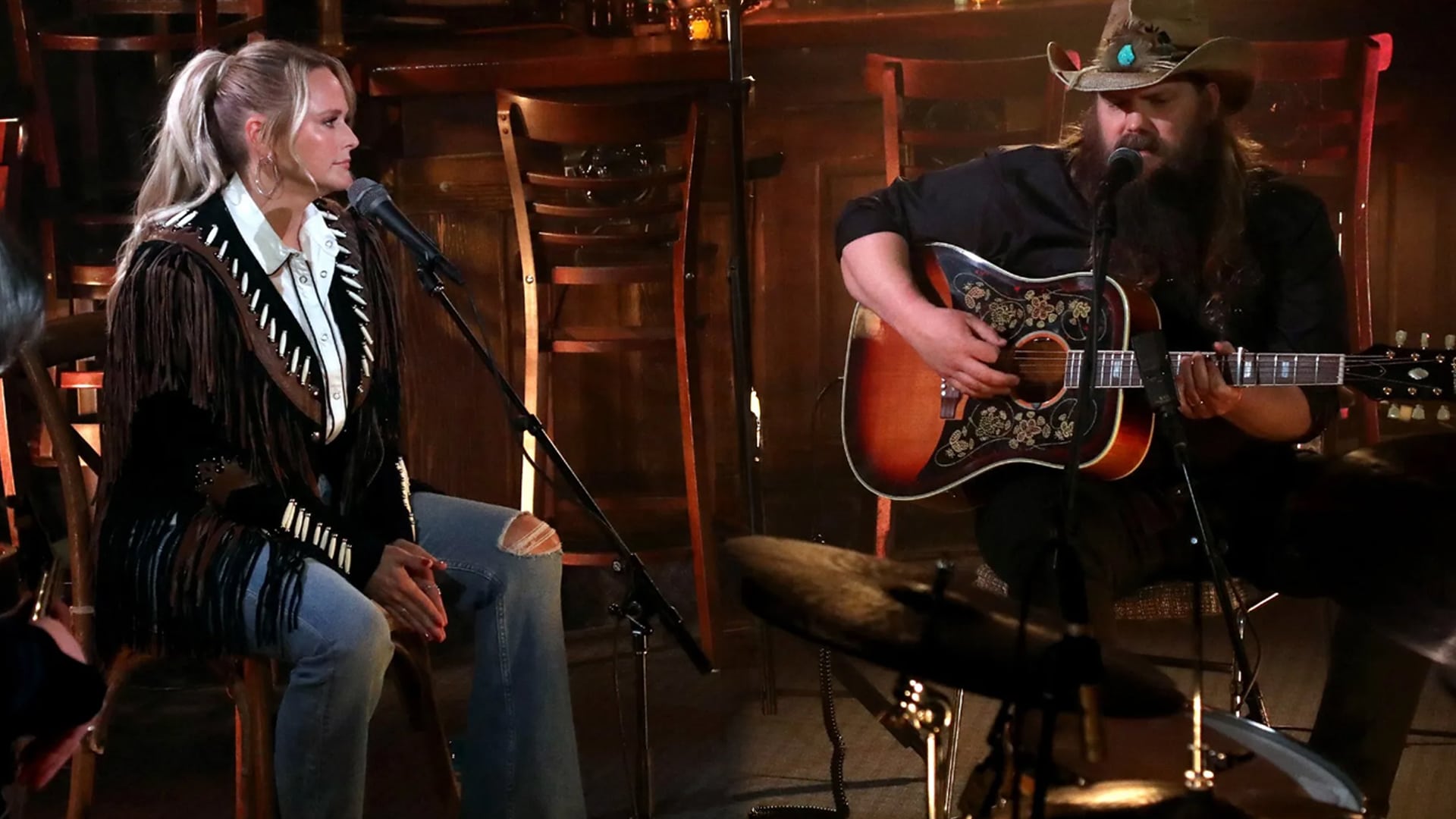
When Miranda Lambert stepped onto the stage alongside Chris Stapleton at the 56th Academy of Country Music (ACM) Awards, viewers witnessed a dramatic, last-minute change to one of country music’s most anticipated live duets. Lambert replaced Stapleton’s wife and regular vocal partner, Morgane Stapleton, on short notice to perform "Maggie's Song," altering the vocal dynamic, arrangement balance, and stage energy of the performance.
Contents
Understanding what changed during this high-profile collaboration requires looking at both the immediate operational shift behind the scenes and the distinct musical differences between Morgane Stapleton's studio harmonies and Miranda Lambert's live interpretation. This breakdown examines the background, vocal mechanics, performance adjustments, and legacy of this unexpected country music partnership.
The Core Catalyst: How the ACM Awards Duet Changed
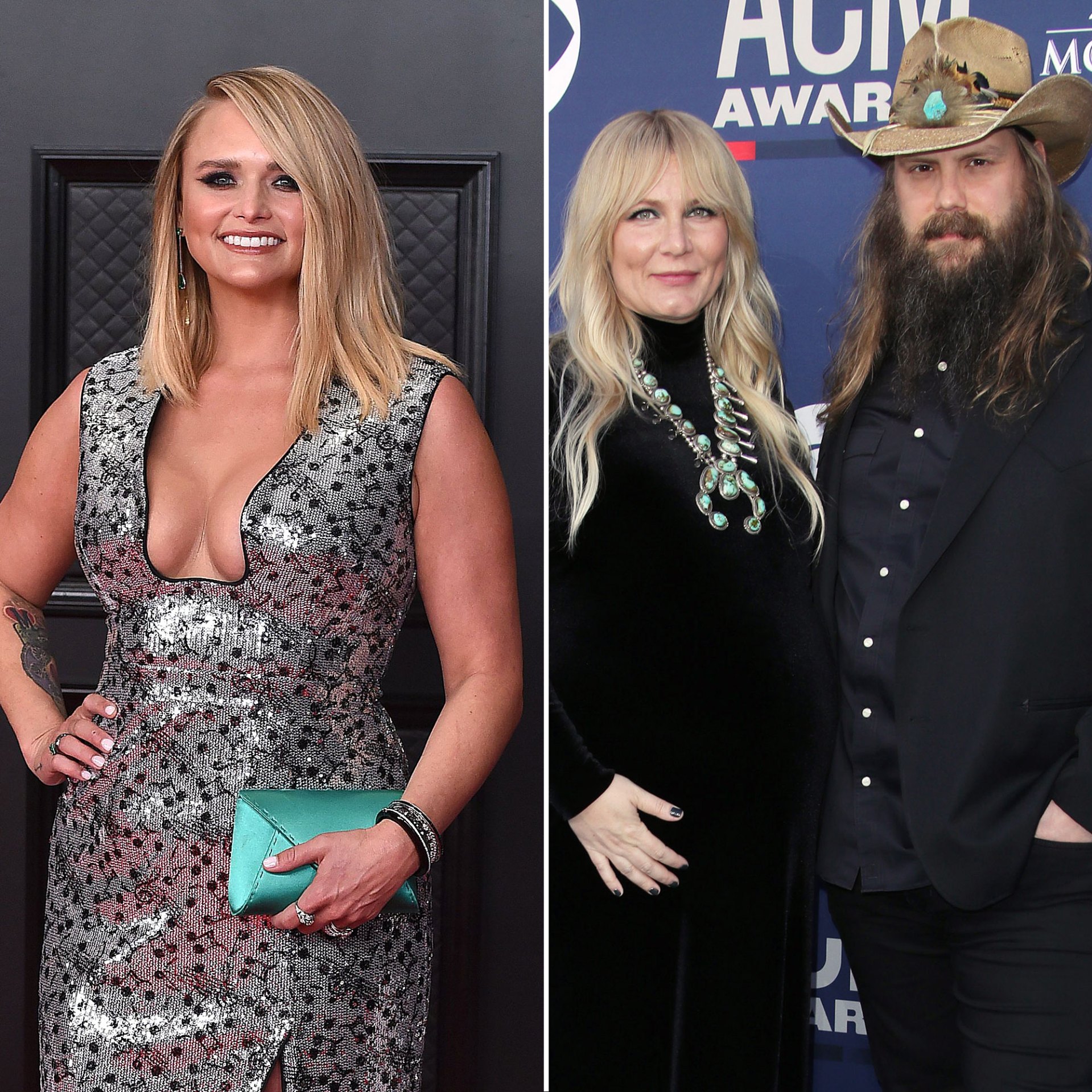
The primary reason for the change in Chris Stapleton's duet partner at the ACM Awards was a sudden personal conflict. Stapleton was scheduled to perform "Maggie's Song"—a moving tribute to his family's late lab mix from his album Starting Over—alongside his wife, singer-songwriter Morgane Stapleton. Morgane has long served as Chris Stapleton’s primary backing vocalist, duet partner, and artistic sounding board both on record and on tour.
Just hours prior to the live broadcast, Morgane was forced to step down from the performance due to a doula emergency, as she was assisting a close friend with childbirth. With broadcast deadlines looming, the performance required an immediate substitute capable of executing complex vocal harmonies live without extensive rehearsal.
Miranda Lambert, who was already scheduled for multiple appearances during the broadcast, stepped up to fill the void. Lambert learned the vocal parts on extremely short notice, transforming what was originally designed as an intimate, husband-and-wife acoustic performance into a star-studded, one-off collaboration between two of modern country music's prominent figures.
| Stage | Event Details |
|---|---|
| Original Plan | Chris Stapleton & Morgane Stapleton ("Maggie's Song") |
| Unforeseen Event | Morgane attends emergency childbirth obligation |
| Last-Minute Shift | Miranda Lambert steps in with <12 hours rehearsal |
| Resulting Impact | Altered vocal blend, modified key dynamic, high-profile televised duet outcome |
Vocal Dynamics: Morgane Stapleton vs. Miranda Lambert
Substituting one vocalist for another in a country ballad does not merely swap a voice; it fundamentally alters the sonic architecture of the track. The transition from Morgane Stapleton to Miranda Lambert brought notable changes to tone, vocal placement, dynamic range, and stage posture.
Tone and Timbre Contrast
- Morgane Stapleton’s Approach: Morgane’s vocal timbre features a warm, rich alt-country texture with natural, dark mid-range overtones. Having sung alongside Chris Stapleton for decades, her pitch dynamic naturally aligns with his gritty, soulful delivery. Her harmonies on the studio recording of "Maggie's Song" sit comfortably just beneath Chris’s lead vocal, creating a thick, blended sound where the two voices melt into a unified texture.
- Miranda Lambert’s Approach: Lambert possesses a brighter, punchier vocal tone with a sharp, Texas-country edge and pronounced vocal clarity. When she joined Stapleton on stage, her voice cut through the mix with greater high-frequency presence. Rather than blending entirely into the background texture, Lambert’s harmony stood out as a clear second lead voice, adding a crisp, melodic counterweight to Stapleton’s raspy lead.
Phrasing and Micro-Timing
Live vocal duets rely heavily on micro-timing—the microscopic syncopation between singers as they breathe, attack notes, and decay together.
Because Chris and Morgane Stapleton perform together continuously, their micro-timing is almost instinctual. When Lambert stepped in, the micro-timing shifted slightly toward a traditional call-and-response dynamic. Lambert carefully anchored her phrasing to Stapleton’s physical cues and microphone technique, resulting in a performance that favored structural stability and clear pitch alignment over spontaneous vocal improvisation.
Technical Performance Adjustments: Live vs. Studio
Bringing "Maggie's Song" to a live broadcast with a new duet partner required several practical stage and sound adjustments.
| Studio Version (with Morgane) | Live Version (with Miranda) |
|---|---|
| Lead Vocals (Chris) [70%] | Lead Vocals (Chris) [65%] |
| Blend Vocals (Morgane) [30%] | Harmony Vocals (Miranda) [35%] |
| Warm Organ / Bass [Mid] | Bright Guitars/Keys [High] |
Microphone Mixing and Stage Monitoring
In a standard live mix featuring Chris and Morgane, sound engineers keep Morgane’s monitor mix closely coupled with Chris’s acoustic guitar and vocal bleed, balancing them to sound like a single acoustic unit.
For the performance with Lambert:
- Gain Staging: Front-of-house engineers adjusted gain levels on Lambert’s microphone to ensure her distinct upper-register frequencies did not overwhelm Stapleton’s subtle acoustic strums.
- Monitor Isolation: In-ear monitor mixes were separated strictly so Lambert could clearly hear Stapleton’s rhythm and lead phrasing, guaranteeing tight synchronization despite the lack of formal dress rehearsals.
- Visual Cueing: On stage, the two artists maintained direct line-of-sight. Stapleton leaned heavily into explicit rhythm strumming to provide clear physical tempo markers for Lambert during verse transitions.
Comparative Analysis of Vocal Configurations
To understand how the duet dynamic changes depending on who shares the stage with Chris Stapleton, the following table compares key structural and musical parameters across performance settings:
| Parameter | Studio Version (Morgane Stapleton) | Live Substitution (Miranda Lambert) | Standard Live Tour (Chris & Morgane) |
|---|---|---|---|
| Vocal Role | Blended backing harmony / subtle counter-melody | Distinct high-harmony / co-featured guest vocal | Equal co-lead vocal balance / intuitive harmony |
| Tonal Characteristic | Warm, smooth, low-mid resonance | Bright, clear, sharp high-mid presence | Rich, acoustic-driven blend with natural distortion |
| Rehearsal Time | Extensive (studio production cycle) | Minimal (<12 hours prior to air) | Extensive (years of touring experience) |
| Stage Chemistry | Intimate, low-profile, internal focus | Professional, high-energy, audience-focused | organic, conversational, central to tour presentation |
| Arrangement Style | Organ-driven, subtle acoustic backing | Elevated vocal presence, prominent lead lines | Dynamic acoustic-to-electric band build |
Broader Impact on Miranda Lambert’s ACM Night
The duet substitution was particularly notable because of Miranda Lambert’s existing workload during that specific ACM Awards broadcast. Far from being a passive observer who happened to be backstage, Lambert was one of the central figures of the event.
- Opener: "Drunk (And I Don't Wanna Go Home)" with Elle King
- Trio Set: "In His Arms" with Jack Ingram & Jon Randall
- Last-Minute: "Maggie's Song" duet with Chris Stapleton
Taking on Stapleton’s duet marked Lambert's third distinct performance of the night. Her ability to pivot between vastly different musical genres within a single evening highlighted her versatility:
- Upbeat Rock/Pop-Country: Opening the show alongside Elle King with high-energy vocal belting on "Drunk (And I Don't Wanna Go Home)."
- Acoustic Texas Songwriter Style: Performing an intimate trio arrangement of "In His Arms" with Jack Ingram and Jon Randall from The Marfa Tapes.
- Soulful Narrative Country: Delivering restrained, precise harmony vocals alongside Chris Stapleton on "Maggie's Song."
This adaptability emphasized a broader trend within contemporary country music: top-tier artists executing collaborative live adjustments seamlessly during major broadcasts.
Evolution of Shared Performances and Collaborations
While the ACM duet remains the most widely cited instance of a sudden change in their duet setup, Miranda Lambert and Chris Stapleton have shared long-standing professional respect and occasional collaborative moments across their careers.
Shared Songwriting and Studio Connections
Both artists emerged as critical darlings who bridged commercial country radio with traditional roots music. While Stapleton built his early career as a powerhouse songwriter in Nashville writing for major acts, Lambert routinely cut songs by top Nashville writers while asserting her own co-writing control. Over the years, both artists have drawn from similar pools of musicians, producers, and songwriters, including legendary producer Dave Cobb and writers like Ashley Monroe and Guy Clark.
Informal Live Jams and Tribute Appearances
Outside of formal award show broadcasts, Lambert and Stapleton have occasionally crossed paths at benefit concerts, tribute events (such as all-star honors for Willie Nelson or George Strait), and festival lineups.
When performing together in unscripted environments, their dynamic typically changes from structured album tracks to relaxed, blue-eyed soul and classic country jams. In these settings:
- Stapleton handles primary blues-driven lead guitar work and vocal runs.
- Lambert acts as dynamic co-lead, trading verses on classic country covers such as songs by Waylon Jennings, Willie Nelson, or Emmylou Harris.
Key Lessons for Live Musicians and Vocal Arrangers
The swift change and execution of the Lambert-Stapleton duet offers several practical takeaways for performing vocalists and sound engineers facing last-minute lineup alterations.
1. Focus on Vowel Matching Over Tone Reproduction
When filling in for another vocalist on short notice, attempting to mimic the original singer’s exact vocal tone often leads to pitch instability. Lambert succeeded by maintaining her natural voice while carefully matching Stapleton’s vowel shapes (such as open "oh" and "ah" sounds), which allowed their voices to lock in pitch without forcing a false vocal color.
2. Establish Clear Anchor Lines
In emergency duet situations, the substitute vocalist should designate specific anchor words or melodic phrases to lock onto. Lambert anchored her harmony parts firmly to the end of Stapleton's lines, giving Stapleton room to stretch his rhythmic delivery without throwing off the harmony.
3. Maintain Visual Line-of-Sight
Physical proximity on stage is critical when musical familiarity is limited. By positioning themselves close together and maintaining eye contact at key transitional moments (such as chorus entries and final cadences), both singers avoided missteps during tempo shifts.
Frequently Asked Questions
Why did Miranda Lambert replace Morgane Stapleton at the ACM Awards?
Morgane Stapleton was unable to perform due to an unexpected doula emergency, as she was helping a close friend give birth. Miranda Lambert agreed to step in on short notice to ensure Chris Stapleton could still perform "Maggie's Song" live.
What song did Miranda Lambert and Chris Stapleton perform together?
They performed "Maggie's Song," an autobiographical track written by Chris Stapleton about his family’s beloved dog, originally released on his 2020 album Starting Over.
Did Miranda Lambert record a studio version of "Maggie's Song"?
No. The studio version of "Maggie's Song" features Morgane Stapleton on background and harmony vocals. The version featuring Miranda Lambert was a one-time live broadcast performance for the 56th ACM Awards.
How much time did Miranda Lambert have to learn the duet?
Lambert had less than 12 hours to learn the harmony parts and coordinate stage cues with Chris Stapleton before going live on national television.
Have Chris Stapleton and Miranda Lambert released any official studio duets?
While both artists have collaborated extensively across the country music industry and appeared together at live tribute events, they have not released an official standalone co-headlining studio duet single as of 2026. Their primary shared work consists of high-profile live guest performances and shared writers' rounds.
Summary and Practical Recommendation
The change in the Miranda Lambert and Chris Stapleton duet dynamic stands as a prime example of professional adaptability in modern country music. What began as an operational crisis—replacing a core vocal partner hours before a live broadcast—resulted in a memorable award show moment that highlighted vocal precision, peer support, and musical versatility.
Next Actions for Musicians & Audio Professionals:
- Study Harmony Adaptability: Listen to the studio recording of "Maggie's Song" side-by-side with the live ACM performance video to analyze how vocal placement shifts between a natural blend (Morgane) and a featured counter-harmony (Miranda).
- Prepare Emergency Protocols: For touring bands and live performers, maintain simplified harmony sheets or vocal cue reference guides so guest artists or substitute singers can step into key arrangements quickly if unexpected changes arise.
Image Gallery