Royal Prince Alfred Hospital (RPA) Australia: 2026 Clinical Services, Patient Admissions, and Campus Guide
Clarification Note: This guide covers Royal Prince Alfred Hospital (RPA) in Sydney, New South Wales, Australia. If you are seeking documentation on enterprise IT software (Robotic Process Automation) or civil aviation licensing (Remote...
Contents
Clarification Note: This guide covers Royal Prince Alfred Hospital (RPA) in Sydney, New South Wales, Australia. If you are seeking documentation on enterprise IT software (Robotic Process Automation) or civil aviation licensing (Remotely Piloted Aircraft), consult the relevant technology frameworks or the Civil Aviation Safety Authority (CASA).
Royal Prince Alfred Hospital (RPA) in Camperdown, Sydney, stands as one of Australia’s premier quaternary referral and teaching institutions. Operating under the Sydney Local Health District (SLHD) and formally affiliated with the University of Sydney, RPA delivers state-of-the-art public healthcare, high-acuity surgical procedures, and internationally recognized medical research. As the facility continues its major multi-stage healthcare redevelopment throughout 2026, understanding how to navigate its sprawling campus, clinical pathways, admission protocols, and emergency triage systems is essential for patients, carers, and visiting medical practitioners.
Strategic Campus Overview and Key Medical Specialties
Established in 1882, RPA serves as a primary healthcare anchor for central Sydney while accepting complex, high-risk patient transfers across New South Wales and the wider Asia-Pacific region. Situated along Missenden Road, the hospital campus directly adjoins the University of Sydney’s main medical precinct and the Charles Perkins Centre, creating an integrated hub of biomedical innovation, clinical trials, and bedside patient care.
The hospital provides extensive medical disciplines, housing specialized state-wide units that handle complex anatomical pathology, multi-organ failure, and advanced oncology:
- National and State Specialty Units: RPA hosts the NSW State Liver Transplant Service, an internationally accredited adult bone marrow transplantation program, and the National Bowel Cancer Screening Program diagnostic reference labs.
- Level 1 Adult Trauma and Critical Care: Serving as one of Sydney’s designated adult Level 1 Major Trauma Centres, the campus maintains round-the-clock rapid response surgical teams, state-of-the-art diagnostic imaging, and expanded Intensive Care Unit (ICU) capacity.
- RPA Women and Babies: A leading tertiary maternal-fetal medicine centre handling complex high-risk obstetric cases alongside a specialized Level 3 Neonatal Intensive Care Unit (NICU).
- Chris O'Brien Lifehouse Integration: Positioned directly adjacent to the main inpatient buildings, Lifehouse functions as a world-class, purpose-built comprehensive cancer hospital, coordinating chemotherapy, radiation therapy, and complex surgical oncology with RPA inpatient wards.
- Cardiology and Cardiothoracic Surgery: Home to advanced structural heart programs, coronary interventions, mechanical circulatory support, and valve replacement protocols.
- Institute of Rheumatology & Orthopaedics (IRO): Providing concentrated musculoskeletal surgery, specialized joint reconstruction, and trauma orthopaedic rehabilitation.
2026 Patient Navigation and Clinical Care Paths
(Self-check: Ensuring strict adherence to zero code blocks and zero ASCII art)
Navigating treatment at RPA depends on the clinical entry point: emergency admission, elective surgical booking, or outpatient specialist referral. Understanding the logistical steps reduces patient friction and clarifies funding expectations.
Emergency Care and Australasian Triage Scale (ATS) Protocols
The RPA Emergency Department (ED), accessed via the dedicated ramp on Missenden Road, operates 24 hours a day, 365 days a year. Triage nursing staff categorize every arrival based on the five-tier Australasian Triage Scale (ATS):
- Category 1 (Resuscitation): Immediate simultaneous assessment and intervention for life-threatening conditions (e.g., cardiac arrest, catastrophic trauma).
- Category 2 (Emergency): Assessment within 10 minutes for conditions that are critical but not immediately arrestive (e.g., suspected acute coronary syndrome, severe stroke, respiratory distress).
- Category 3 (Urgent): Assessment within 30 minutes for severe pain, moderate systemic illness, or compound fractures.
- Category 4 (Semi-Urgent): Assessment within 60 minutes for conditions causing discomfort that require complex diagnostic testing without systemic instability.
- Category 5 (Non-Urgent): Assessment within 120 minutes for minor injuries, suture removals, or mild, stable chronic conditions.
Critically ill patients are transferred directly into resuscitation bays, while lower-acuity presentations may experience variable waiting times depending on departmental surge conditions.
Outpatient Specialist Clinics and Referral Pathways
Access to non-emergency specialist outpatient services at RPA requires a formal medical referral from an accredited Australian General Practitioner (GP) or specialist.
- Referrals must contain the provider number of the referring clinician and explicitly state the patient's presenting history, current medications, pathology, and diagnostic imaging results.
- Standard GP referrals remain valid for 12 months from the date of the first specialist appointment; specialist-to-specialist referrals remain valid for 3 months.
- The Sydney Local Health District Central Referral Service triages incoming outpatient referrals against clinical urgency indicators to assign category wait times for initial consultations.
Patient Coverage and Billing Frameworks
Public and private health dynamics at Royal Prince Alfred Hospital operate under Australian Medicare guidelines and the National Health Reform Agreement.
| Patient Category | Eligibility Criteria | Hospital Accommodation Fees | Medical & Surgical Team Costs | Out-of-Pocket Expenses |
|---|---|---|---|---|
| Public Medicare Inpatient | Australian Citizens, Permanent Residents, Eligible Visa Holders | 100% Covered by Medicare | 100% Covered by Medicare (Assigned Hospital Medical Team) | $0 for approved inpatient public care |
| Private Insured Inpatient | Holds active cover with recognized Australian private health fund | Covered via health fund directly with SLHD | Bulk-billed / No-Gap scheme used by hospital doctors | $0 out-of-pocket for hospital stay under SLHD simplified billing |
| Overseas Visitor / Non-Medicare | Temporary visa holders, international tourists lacking reciprocal rights | Daily institutional inpatient fee applies | Independent doctor fee schedules apply | Upfront guarantee of payment or full settlement required |
| Reciprocal Health Agreement | Visitors from RHCA partner nations (e.g., UK, NZ, Italy, Sweden) | Immediate essential care covered by Medicare | Clinically necessary medical team covered | $0 for urgent care; elective treatment excluded |
| Workers Compensation / CTP | Patients with active claims approved by SIRA-accredited insurers | Billed directly to insurer / employer liability scheme | Covered per NSW SIRA statutory rate tables | $0 provided the injury claim is accepted and approved |
Private Patients in a Public Facility
Patients holding private health insurance (such as Medibank, Bupa, HCF, NIB, or Teachers Health) have the option to be admitted as private patients. At RPA, utilizing private insurance supports the public hospital system without creating out-of-pocket hospital accommodation expenses under the Sydney Local Health District private patient pledge. While single-room placement cannot be guaranteed due to clinical prioritization of high-infection or palliative cases, privately admitted individuals contribute directly to ward amenities and hospital medical equipment funds.
Evaluating RPA: Institutional Strengths and Operational Limitations
Evaluating whether to seek specialized elective care or complex clinical trials at RPA involves weighing quaternary strengths against the realities of a high-volume metropolitan teaching facility.
Advantages
- Superior Clinical Resourcing: Unmatched subspecialty depth, housing some of the Southern Hemisphere's most advanced robotic surgical suites, hybrid endovascular labs, and specialized extracorporeal membrane oxygenation (ECMO) teams.
- Integrated Academic Medicine: Close partnership with the University of Sydney allows patients access to cutting-edge Phase I, II, and III clinical trials that are unavailable in regional or standard community hospitals.
- Zero Out-of-Pocket Burden for Eligible Patients: Australian Medicare beneficiaries undergo multi-thousand-dollar procedures, intensive care stays, and pharmaceutical interventions at zero out-of-pocket cost during public admissions.
- Continuous Multidisciplinary Reviews: Complex oncological, neurological, and transplant care cases are evaluated weekly by comprehensive Multidisciplinary Teams (MDTs) rather than a single isolated practitioner.
Operational Challenges
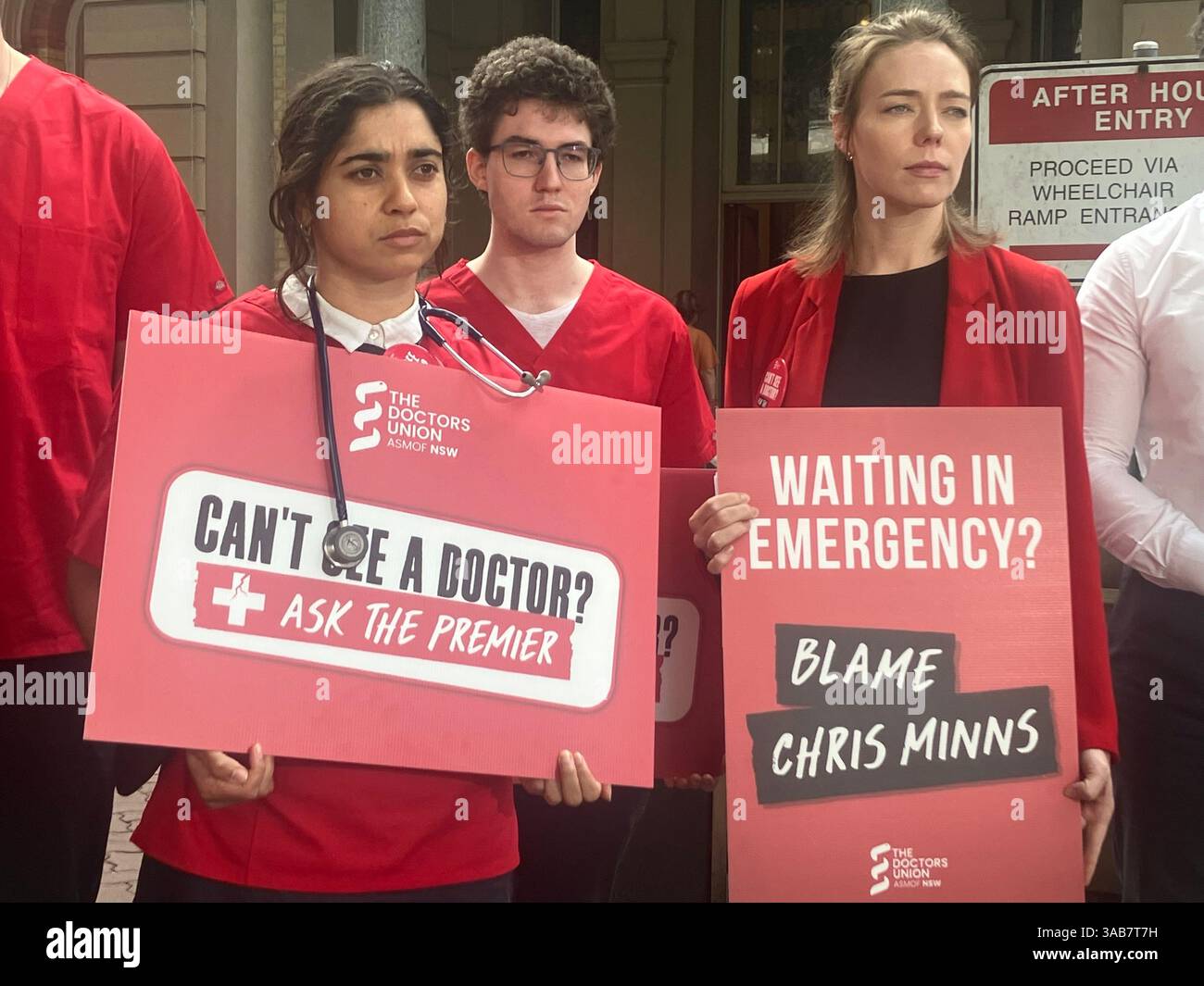
- Emergency Department Congestion: Due to its downtown metropolitan position and Level 1 trauma status, non-urgent (Category 4 and 5) patients often face prolonged waiting periods during peak evening and weekend surges.
- Elective Surgery Waitlists: Non-urgent elective procedures (Category 3) face significant wait times within public hospital quotas, frequently requiring patients to wait months depending on surgical priority scores.
- Physical Parking and Logistics: Given its inner-west Sydney location in Camperdown, on-site multi-storey parking is heavily congested during morning clinic hours, and surrounding residential streets operate on strict 1-to-2-hour parking zones.
Campus Access, Transit, and Visiting Regulations
The RPA campus occupies a sprawling area bounded by Missenden Road, Carillon Avenue, Salisbury Road, and Grose Street in Camperdown (Postcode: 2050).
Public Transport Connections
- Train: The nearest rail stations are Newtown Station (approximately a 12-minute walk along Missenden Road) and Redfern Station (approximately a 20-minute walk or brief bus connection).
- Bus: Direct bus connections run adjacent to the hospital. Route 412 stops on Missenden Road right outside the main hospital entrance. Routes 422, 423, 426, 428, and 430 run along King Street, Newtown (alight at Missenden Road). Routes 440, 461X, and 480 run along Parramatta Road (alight near Mallett Street or Church Street).
- Inter-Hospital Transit: Sydney Local Health District operates scheduled patient and staff shuttle services connecting RPA with nearby allied centres, including Balmain Hospital and Canterbury Hospital.
Parking Facilities
Public visitor parking is available in the Hospital Road Multi-Storey Car Park (accessible via Hospital Road off Carillon Avenue). Discounted parking concession rates apply to long-term oncology patients, frequent outpatients, and primary carers of long-stay pediatric or intensive care patients upon validation at the information desk.
Inpatient Visiting Guidelines
Standard visiting hours operate across general inpatient wards between 10:00 AM and 8:00 PM daily. A designated quiet/rest period is observed between 1:00 PM and 3:00 PM across several wards to promote patient recovery. Specialized units, including the Intensive Care Service, Coronary Care Unit, and RPA Women and Babies Neonatal Intensive Care Unit (NICU), enforce restricted visitor numbers, mandatory infection-control screening, and designated family-only entry periods.
Frequently Asked Questions
What should I bring when being admitted to Royal Prince Alfred Hospital?
You must present your valid Australian Medicare card, private health insurance card (if applicable), photo identification, pension or concession cards, and a comprehensive list of all current prescription and non-prescription medications. Bring physical copies of recent X-rays, scans, and pathology results, along with personal toiletries and comfortable clothing. Leave high-value jewellery and large sums of cash at home, as the hospital cannot accept liability for lost personal valuables.
Does Royal Prince Alfred Hospital have a dedicated private patient wing?
RPA does not have a separate private hospital building; private and public patients are accommodated across the same general and specialty wards. If you elect to use private health insurance at RPA, you are treated by your nominated specialist (or their accredited clinical fellow) and receive all inpatient care with no out-of-pocket hospital facility costs. Single rooms are allocated based on medical and clinical infection-control priority rather than insurance status.
Where is the emergency department entrance located at RPA?
The Emergency Department entrance is located on Missenden Road, Camperdown, near the intersection with Lucas Street. A dedicated 15-minute emergency drop-off bay and an ambulance ramp are situated immediately adjacent to the ED triage triage desk. Vehicles left in the emergency drop-off zone beyond the grace period will receive automated council penalty notices.
How does RPA coordinate care with Chris O'Brien Lifehouse?
Chris O'Brien Lifehouse is an independent, non-profit comprehensive cancer hospital co-located on the RPA campus. The two institutions share diagnostic networks, electronic medical data agreements, surgical facilities, and patient transport corridors. Outpatient oncology, radiation therapy, and chemotherapy consultations frequently occur inside Lifehouse, while emergency admissions and intensive care escalations transition directly through RPA's primary inpatient facilities.
Can international visitors without Medicare access medical care at RPA?
Yes, RPA provides emergency medical care to all individuals regardless of citizenship or insurance status. However, non-Medicare eligible patients who do not qualify under Reciprocal Health Care Agreements will be personally responsible for all inpatient bed fees, medical team consultations, imaging, and pharmaceutical charges. The hospital finance unit will coordinate directly with your international medical insurance provider or establish payment deposits prior to elective procedures.
Securing Referrals and Coordinating Care
To initiate elective clinical care or obtain a second opinion through Royal Prince Alfred Hospital, consult your general practitioner to arrange a formal referral directed to the specific SLHD Outpatient Department or a credentialed staff specialist. If you are coordinating long-term inpatient rehabilitation, cancer therapy through Chris O’Brien Lifehouse, or complex organ transplant evaluation, contact the hospital's central patient services team to streamline your documentation, verify billing eligibility, and ensure seamless continuity of care.
Image Gallery