Ranco Sand and Stone: A Comprehensive Guide to Bulk Material Selection and Procurement
Ranco Sand and Stone serves as a critical link in the construction and landscaping supply chain, providing essential raw geological materials such as sand, decorative stone, crushed rock, and base aggregates to contractors, landscapers...
Ranco Sand and Stone serves as a critical link in the construction and landscaping supply chain, providing essential raw geological materials such as sand, decorative stone, crushed rock, and base aggregates to contractors, landscapers, and residential property owners. Selecting the correct material is vital for structural integrity, drainage performance, and the long-term aesthetic success of your project.
Contents
Understanding the Role of Aggregates in Construction
Aggregates are the granular materials—sand, gravel, crushed stone, slag, or recycled concrete—that form the backbone of almost all construction projects. When you engage with a supplier like Ranco Sand and Stone, you are not merely purchasing rocks; you are sourcing engineered components that dictate the physical properties of your site.
In foundational work, the quality of stone determines how effectively a structure resists settling. In masonry, the purity of sand determines the strength and workability of the mortar. Understanding the nomenclature of these materials is the first step in ensuring your project meets local building codes and design specifications.
Key Material Categories and Their Applications
The inventory typically found at specialized suppliers like Ranco is divided into functional categories. Recognizing these categories ensures that you select a product suitable for your specific environmental and structural requirements.
1. Structural Aggregates (Base Materials)
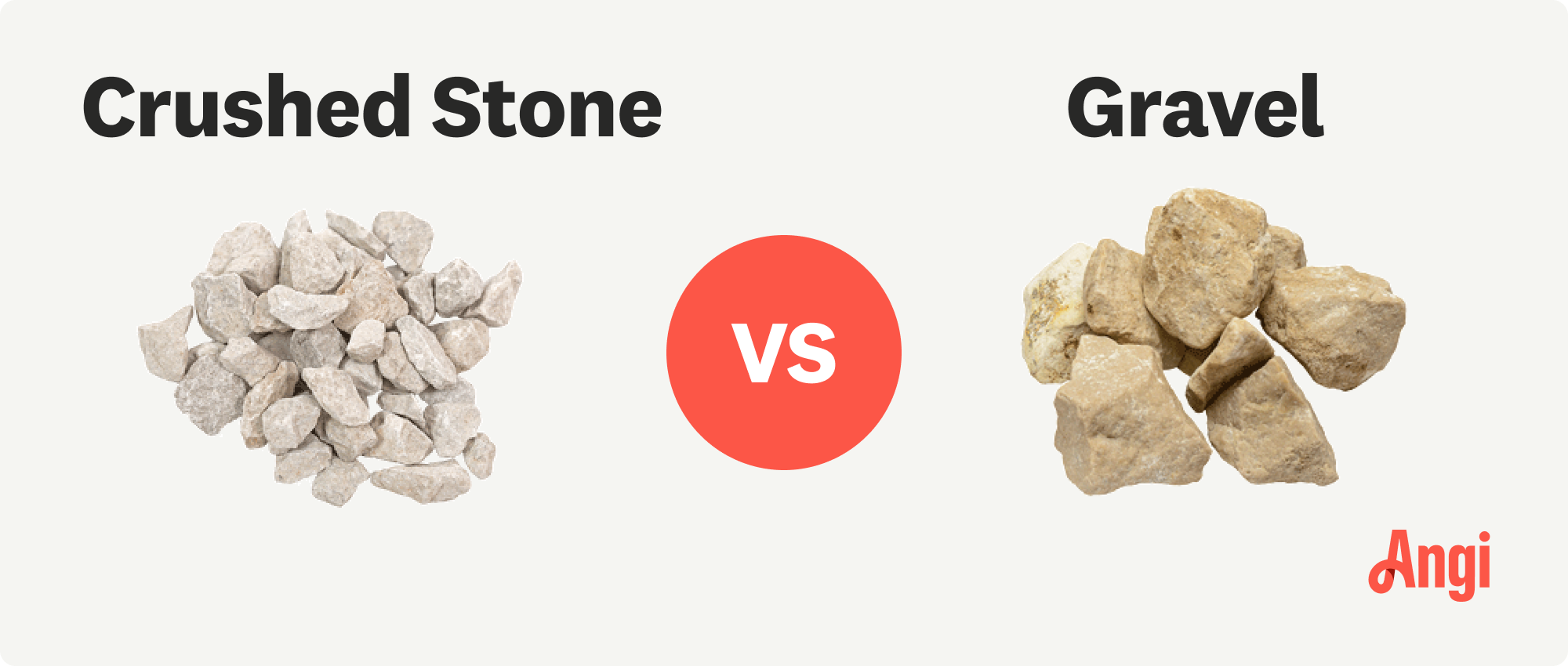
These are often referred to as "crushed stone" or "road base." They are designed to be compacted into a dense, interlocking layer that provides a stable foundation for driveways, patios, and building slabs.
- Crushed Concrete: A recycled, cost-effective alternative to virgin stone, excellent for heavy-duty sub-bases.
- Dense Graded Aggregate (DGA): A mixture of various stone sizes that, when compacted, fills all voids to create a rock-solid surface.
2. Drainage Materials
Drainage stones are clean, meaning they are free of "fines" (sand and dust). Without these fines, water can freely pass through the gaps between stones.
- Washed Gravel: Used in French drains and around foundation footings to divert water away from structures.
- Clear Stone: Sized consistently (e.g., ¾-inch clear) to prevent clogs in drainage systems.
3. Masonry and Concrete Sands
Unlike rough construction sand, masonry sand is screened to remove larger debris, ensuring a smooth finish for brickwork and paver installation. Concrete sand is slightly coarser, optimized for high-strength mortar and concrete mixes where structural load-bearing is the priority.
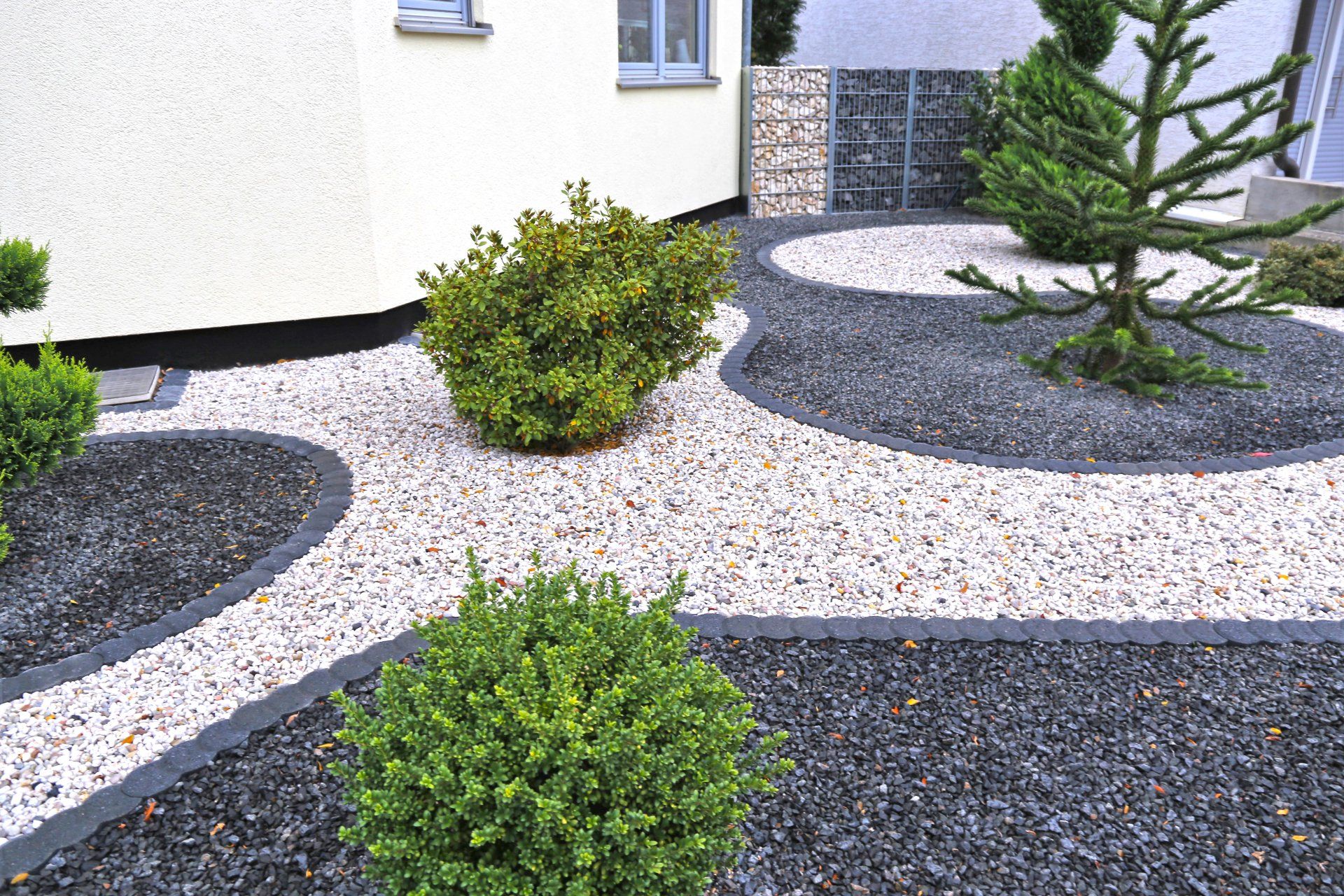
4. Decorative Stone and Landscape Rock
These materials serve an aesthetic purpose while also acting as functional mulch. They do not decompose like organic mulch, making them a one-time investment for garden beds, pathways, and erosion control.
Material Selection Table: Matching Needs to Products
| Material Type | Primary Use Case | Key Performance Feature |
|---|---|---|
| Crushed Base (Road Base) | Driveways, Under-paver base | High compaction capability |
| Washed Drainage Stone | French drains, Dry wells | High permeability (void space) |
| Masonry Sand | Laying pavers, brick mortar | Fine grain, smooth texture |
| Pea Gravel | Walkways, play areas | Smooth edges, uniform size |
| River Rock | Decorative beds, dry creek beds | Natural color and rounded shape |
Logistics: Estimating Quantities and Delivery
One of the most common mistakes in procurement is the miscalculation of volume. Aggregates are typically sold by the ton or by the cubic yard. Because density varies significantly between materials—for example, wet sand is significantly heavier than dry pea gravel—suppliers use specific conversion factors.
The Calculation Process
To determine the amount required, use the following formula:
- Length × Width × Depth (in feet) = Cubic Feet.
- Divide Cubic Feet by 27 = Cubic Yards.
- Multiply Cubic Yards by the conversion factor (typically 1.3 to 1.5 for stone) = Tons.
Always verify with Ranco Sand and Stone regarding their specific delivery truck capacity. Standard dump trucks have weight limits that may necessitate multiple trips if your project requirement exceeds 10–12 tons. Consider the accessibility of your site; if the delivery truck cannot navigate your driveway or overhead obstacles like low-hanging power lines, you may need to arrange for a smaller "split load" delivery or a specialized dump location.
Quality Control and Site Preparation
Before the material arrives, site preparation is essential. For gravel or stone driveways, the existing soil must be excavated and ideally covered with a geotextile fabric. This fabric prevents the stone from sinking into the mud over time and keeps weeds from migrating into your stone bed.
When the material arrives, inspect it for contamination. Virgin stone should be clean and consistent in size. If you ordered decorative stone, ensure the color matches your expectations under dry conditions, as natural stone often looks significantly different when wet compared to when it is dusty from the quarry.
Troubleshooting Common Issues
- Compaction Failures: If your driveway remains "spongy," you likely used the wrong type of stone. Clean stone (drainage stone) will never compact. You must use a graded aggregate that includes "fines" to achieve a hard-packed surface.
- Drainage Backups: If your drainage system is failing, you may have used "dirty" stone or crushed concrete that contains too much dust. Always request "washed" materials for any application involving water management.
- Weed Infiltration: Even with stone, weeds can grow in the soil beneath. Always install a professional-grade landscape fabric before laying base materials to act as a permanent weed barrier.
Frequently Asked Questions
How do I know if I need washed or unwashed stone? Use washed stone for any project requiring water flow, such as drainage pipes or French drains. Use unwashed (graded) stone for projects requiring stability and compaction, like road bases or driveway foundations.
Does Ranco Sand and Stone offer samples? In most professional supply settings, you can visit the yard to inspect bulk piles. Viewing the material in person is recommended, as natural stone colors can vary by batch and extraction site.
What is the minimum delivery amount? Minimums vary by local operational costs and truck size. It is standard for suppliers to charge a flat delivery fee regardless of the load size, so it is often more cost-effective to order the full amount of material for a project in one delivery.
Can I pick up materials myself? Most bulk suppliers accommodate small-scale pickups for customers with suitable trailers. Ensure your vehicle has a sufficient payload capacity, as aggregate is deceptively heavy.
How do I prepare my yard for a dump truck? Clear the drop zone of any debris, low-hanging branches, or overhead wires. Ensure the ground is firm enough to support the weight of a loaded truck, as soft turf or mud can cause vehicles to sink.
Professional Recommendation for Procurement
For any project exceeding one ton of material, coordinate with the dispatch team at Ranco Sand and Stone at least 48 hours in advance. Provide clear instructions regarding the exact drop-off point and any site-specific constraints. By preparing your foundation—whether through soil compaction, grading, or the installation of geotextile fabrics—you ensure that the raw materials you purchase provide the maximum possible longevity and performance for your landscape or construction project.
Image Gallery