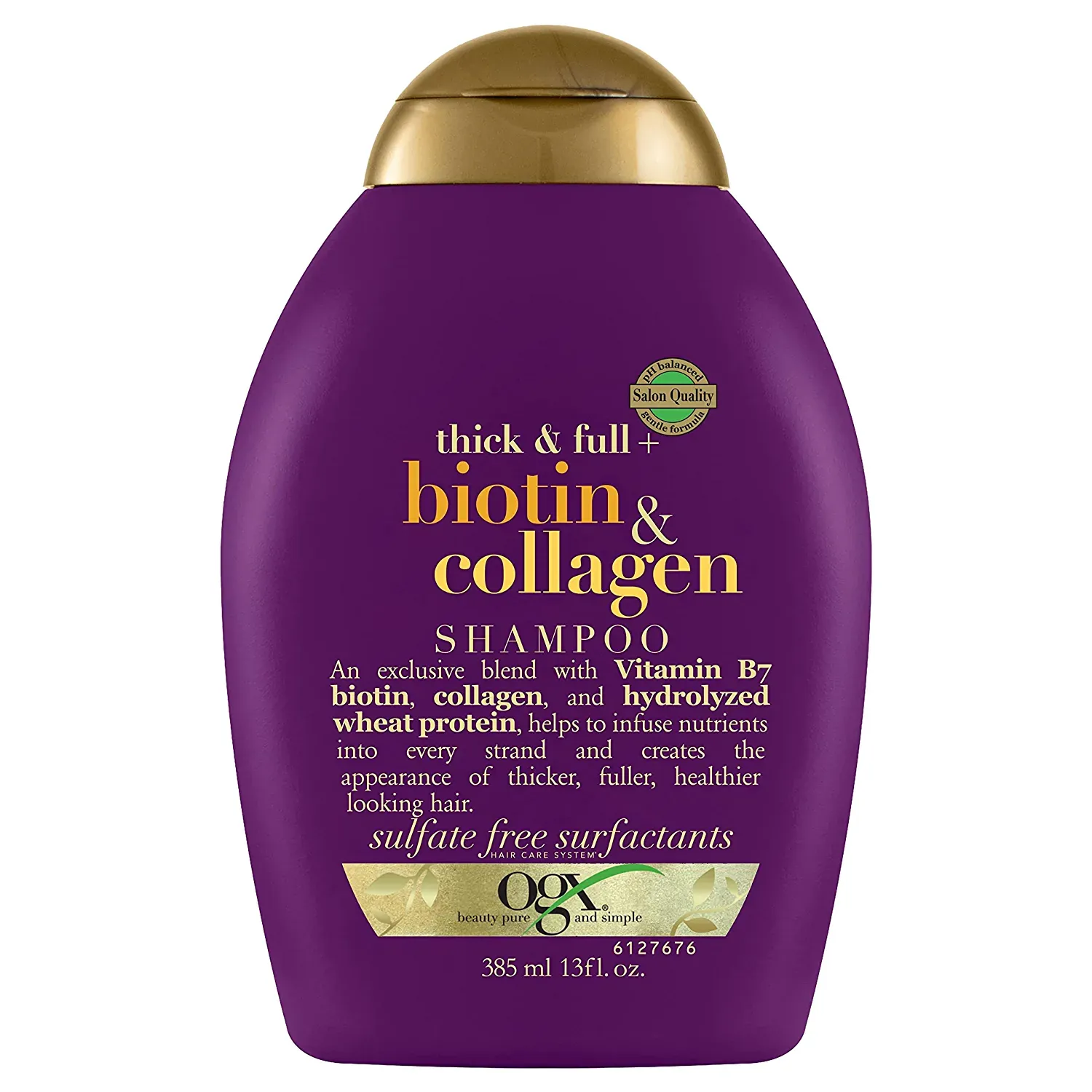
How to Choose the Best Shampoo for Silky Hair
Achieving silky hair starts with selecting a shampoo tailored to your specific hair porosity, texture, and moisture needs, focusing on smoothing agents like dimethicone, nourishing plant oils, and gentle cleansers that seal the cuticle...
Achieving silky hair starts with selecting a shampoo tailored to your specific hair porosity, texture, and moisture needs, focusing on smoothing agents like dimethicone, nourishing plant oils, and gentle cleansers that seal the cuticle without weighing hair down.
Contents
When searching for the ultimate wash to transform rough, dull locks into a fluid, reflective sheet of silk, the sheer volume of options on pharmacy and salon shelves can quickly become overwhelming. The pursuit of silky hair is not merely about achieving a temporary aesthetic; it is a clinical and cosmetic process of managing the hair cuticle. If the microscopic overlapping scales of your hair shaft are raised, damaged, or stripped of natural lipids, light scatters irregularly, resulting in frizz, tangles, and a dull appearance. Conversely, a smooth, flattened cuticle reflects light uniformly, creating that coveted glassy sheen. Navigating this marketplace requires understanding surfactant chemistry, identifying your hair’s individual architecture, balancing moisture retention with weightless volume, and steering clear of harsh formulations that degrade hair integrity over time.
Understanding the Hair Cuticle and What Makes Hair Silky
To master the selection process, one must first understand what "silky" hair actually means on a structural level. A human hair strand consists of three primary layers: the medulla (innermost core), the cortex (middle layer providing strength and elasticity), and the cuticle (outer protective shield).
The cuticle is composed of overlapping dead cells that resemble roof shingles. When healthy and hydrated, these shingles lie flat, sealing in internal moisture and protecting the cortex. Chemical processing, thermal styling, mechanical friction, and environmental exposure cause these scales to lift and chip. Once raised, moisture escapes, and the strands catch on one another, causing friction, tangles, and a straw-like texture.
A high-performing silky hair shampoo addresses this by utilizing precise biochemical mechanisms:
- Surfactant Balancing: Cleansing agents must lift excess sebum, sweat, and product residue without stripping the structural lipids that naturally lubricate the hair shaft.
- pH Optimization: Hair and scalp naturally possess an acidic mantle ranging from 4.5 to 5.5. Shampoos formulated within this acidic range prevent the cuticle from swelling and lifting during the cleansing process.
- Cuticle Smoothing Agents: Advanced formulas deposit micro-polymers or lightweight lipids that temporarily bridge gaps in the cuticle, creating a uniform, frictionless surface.
Assessing Your Hair Type, Texture, and Porosity
No single shampoo can deliver a silky finish to every head of hair because biological architectures vary drastically. Before purchasing a product, you must evaluate three core characteristics: texture, thickness, and porosity.
Hair Texture and Diameter
Hair strands can be fine, medium, or coarse.
- Fine hair has a small diameter and lacks internal structural volume. If you use a heavy, ultra-rich moisturizing shampoo designed for coarse hair, the heavy butters and heavy silicones will coat the fine strands, making them look limp, greasy, and flat.
- Coarse hair has a wide diameter and often a more resistant cuticle layer. It requires heavy-duty smoothing agents, richer oils, and intense humectants to penetrate the dense structure and soften the texture.
Porosity Levels
Porosity refers to how well your hair absorbs and retains moisture. You can determine this by placing a clean strand of hair in a bowl of water:
- Low Porosity: The cuticle scales are tightly bound and flat. Water and products bounce off or sit on the surface. Shampoos with heavy oils will cause rapid buildup. Instead, look for clarifying yet hydrating washes with lightweight humectants like glycerin.
- Medium Porosity: The cuticle allows just the right amount of moisture to enter while holding it inside. Most standard smoothing and balancing shampoos will yield great results here.
- High Porosity: The cuticle has gaps, holes, and tears due to damage from bleach, heat, or styling. Moisture enters quickly but escapes just as fast. This hair type demands reparative, protein-infused or deeply lipid-replenishing shampoos to seal the gaps.
| Hair Profile | Primary Characteristic | Ideal Shampoo Type | Key Ingredients to Look For | Ingredients to Avoid |
|---|---|---|---|---|
| Fine & Straight | Easily weighed down, lacks volume | Lightweight smoothing, volumizing-silky hybrid | Cocamidopropyl Betaine, hydrolyzed silk proteins | Heavy shea butter, coconut oil, dimethicone heavy blends |
| Thick & Coarse | Resistant, frizzy, naturally dry | Ultra-hydrating, smoothing cream | Argan oil, macadamia oil, amodimethicone | Harsh sulfates (SLS), drying alcohols |
| Curly & Coily | Prone to dryness and breakage | Moisture-rich, sulfate-free cleanser | Glycerin, aloe vera juice, panthenol | Sodium lauryl sulfate, isopropyl alcohol |
| Color-Treated / Damaged | High porosity, raised cuticles | Bond-building, color-safe acidic wash | Amino acids, hydrolyzed keratin, citric acid | High pH cleansers, harsh clarifying agents |
Key Ingredients to Look For (and Which to Avoid)
Ingredient literacy is your greatest defense against misleading marketing claims on product packaging. Brands often label a bottle as "silky" or "glass hair," but the ingredient deck tells the true story.
Beneficial Ingredients for Silky Hair
- Hydrolyzed Proteins (Silk, Wheat, and Keratin): These proteins are broken down into smaller molecules capable of penetrating the hair shaft or binding temporarily to the cuticle, patching microscopic holes and increasing tensile strength.
- Silicones (Dimethicone, Amodimethicone, Cyclomethicone): Often misunderstood, high-grade silicones are the gold standard for immediate slip and shine. Amodimethicone, for example, is smart-targeting; it adheres preferentially to damaged, high-friction areas of the hair while washing away cleanly from healthy zones.
- Humectants (Glycerin, Hyaluronic Acid, Honey): These molecules draw ambient moisture from the air into the hair shaft, ensuring long-lasting hydration and softness.
- Natural Plant Oils (Argan, Jojoba, Meadowfoam Seed): These lightweight botanical lipids mimic natural sebum, smoothing down raised cuticles without leaving a greasy residue.
Ingredients to Minimize or Avoid
- Sodium Lauryl Sulfate (SLS) and Sodium Laureth Sulfate (SLES) in high concentrations: While effective cleansers, harsh sulfates can strip the hair of its natural protective lipid layer, leaving it vulnerable to friction, frizz, and static electricity.
- Drying Alcohols (Alcohol Denat., Isopropyl Alcohol): Frequently found in quick-drying styling formulas or cheap clarifying shampoos, these alcohols evaporate rapidly, dragging vital moisture out of the hair shaft and leaving it brittle.
- Heavy Mineral Waxes: Unlike cosmetic silicones, heavy petroleum derivatives can build up stubbornly over time, creating a barrier that blocks moisture from entering the hair shaft.
Selecting Based on Scalp Health and Wash Frequency
A silky finish on the lengths of your hair is useless if your scalp is irritated, flaky, or excessively oily. The scalp is skin, and it requires a balanced microbiome to produce healthy hair.
If you have an oily scalp paired with dry, split ends (a common combination), choosing a single shampoo requires compromise. A clarifying shampoo will cure the scalp oiliness but turn your ends into straw. A heavy moisturizing shampoo will fix the ends but leave your roots greasy within hours.
The professional solution is double-cleansing or targeted application:
- Apply a balancing or clarifying shampoo primarily to the scalp and roots, massaging gently with the pads of your fingers to break down sebum.
- Rinse thoroughly, allowing the suds to run down the lengths of the hair.
- Follow with a rich, smoothing conditioner focused exclusively from the mid-lengths to the ends, keeping heavy products away from the scalp.
Frequency also dictates formula choice. If you wash your hair daily, choose a sulfate-free, ultra-gentle hydrating cleanser that preserves natural lipids. If you wash your hair once or twice a week, incorporate a clarifying wash once a month to remove persistent silicone and hard water mineral buildup that blocks silky-finish products from working.
Common Mistakes When Trying to Achieve Silky Hair
Even with the most advanced shampoo on the market, poor application techniques and lifestyle habits can sabotage your results. Avoid these frequent missteps:
- Using Water That Is Too Hot: Scalding hot water strips the scalp and hair of essential protective oils, lifts the cuticle aggressively, and leaves hair prone to frizz. Wash with lukewarm water and, if you are brave enough, finish with a cool rinse to help snap the cuticle shut.
- Applying Shampoo Directly to the Ends: The ends of your hair are the oldest, most fragile part of the strand and require the least amount of cleansing. Concentrate shampoo on the scalp; let the rinsing water clean the ends.
- Aggressive Towel Drying: Rubbing wet hair with a standard terrycloth towel creates intense friction, catching on raised cuticles and snapping fragile strands. Instead, gently squeeze excess water out using a microfiber towel or a smooth cotton t-shirt.
- Skipping the Conditioner: Shampoo cleanses; conditioner restores. Even the most technologically advanced silky shampoo cannot replace the cuticle-sealing action of a properly formulated matching conditioner or rinse-off treatment.
Frequently Asked Questions
Can a shampoo alone make my hair silky, or do I need a conditioner?
While a high-end smoothing shampoo prepares the hair by cleansing gently and depositing initial conditioning agents, it cannot fully replace a conditioner. Shampoos are engineered primarily to clean. Conditioners are specifically formulated with cationic surfactants that neutralize negative charges on the hair surface, flattening the cuticle and locking in softness. For true silkiness, use a matching system.
Are sulfate-free shampoos better for achieving silky hair?
Sulfate-free shampoos are generally better for maintaining long-term hair health, especially for color-treated, curly, or damaged hair, because they do not strip natural oils. However, if you have fine hair prone to heavy product buildup, an occasional wash with a gentle sulfate-containing cleanser may be necessary to remove residue that prevents hair from feeling fluid and light.
Why does my hair feel greasy even after using a smoothing shampoo?
If your hair feels slick or greasy immediately after washing and drying, your shampoo is likely too heavy for your hair porosity or texture. It may contain high concentrations of heavy oils or non-water-soluble silicones that are building up on your strands instead of rinsing clean. Switch to a lightweight, clarifying formula and ensure you are rinsing thoroughly.
How long does it take to see a noticeable difference in hair texture after switching shampoos?
You should notice an immediate change in slip and detangling capability during your very first wash if the shampoo matches your hair profile. However, repairing chronic structural damage and achieving optimal, lasting silkiness can take anywhere from two to four weeks as your hair adapts to the new moisture balance and product buildup clears away.
Should I rotate my smoothing shampoo with another type of shampoo?
Rotating shampoos can be beneficial. Many users maintain a rotation featuring a smoothing/hydrating shampoo for regular washes and a clarifying or scalp-balancing shampoo used once every two weeks. This prevents product accumulation and keeps both the scalp and hair strands functioning at their peak.
Next Actions and Final Recommendations
To secure the best results for your specific hair type, audit your current routine against your hair's porosity and texture. If your hair is fine, prioritize lightweight smoothing agents and avoid heavy butters. If your hair is coarse, invest in lipid-rich, protein-fortified cleansers that penetrate deeply. Purchase travel sizes when possible to test how your unique hair architecture responds before committing to full-size bottles, and always pair your chosen shampoo with its corresponding conditioner for maximum cuticle-smoothing performance.
Image Gallery