Sam Carlson Port Protection Reality Check: Living Off-Grid in 2026
Note: This article focuses on Sam Carlson, a prominent personality from the remote Alaskan community featured in the long-running television landscape, examining the realities of off-grid living, wilderness survival, and the enduring a...
Note: This article focuses on Sam Carlson, a prominent personality from the remote Alaskan community featured in the long-running television landscape, examining the realities of off-grid living, wilderness survival, and the enduring appeal of Port Protection as of 2026.
Contents
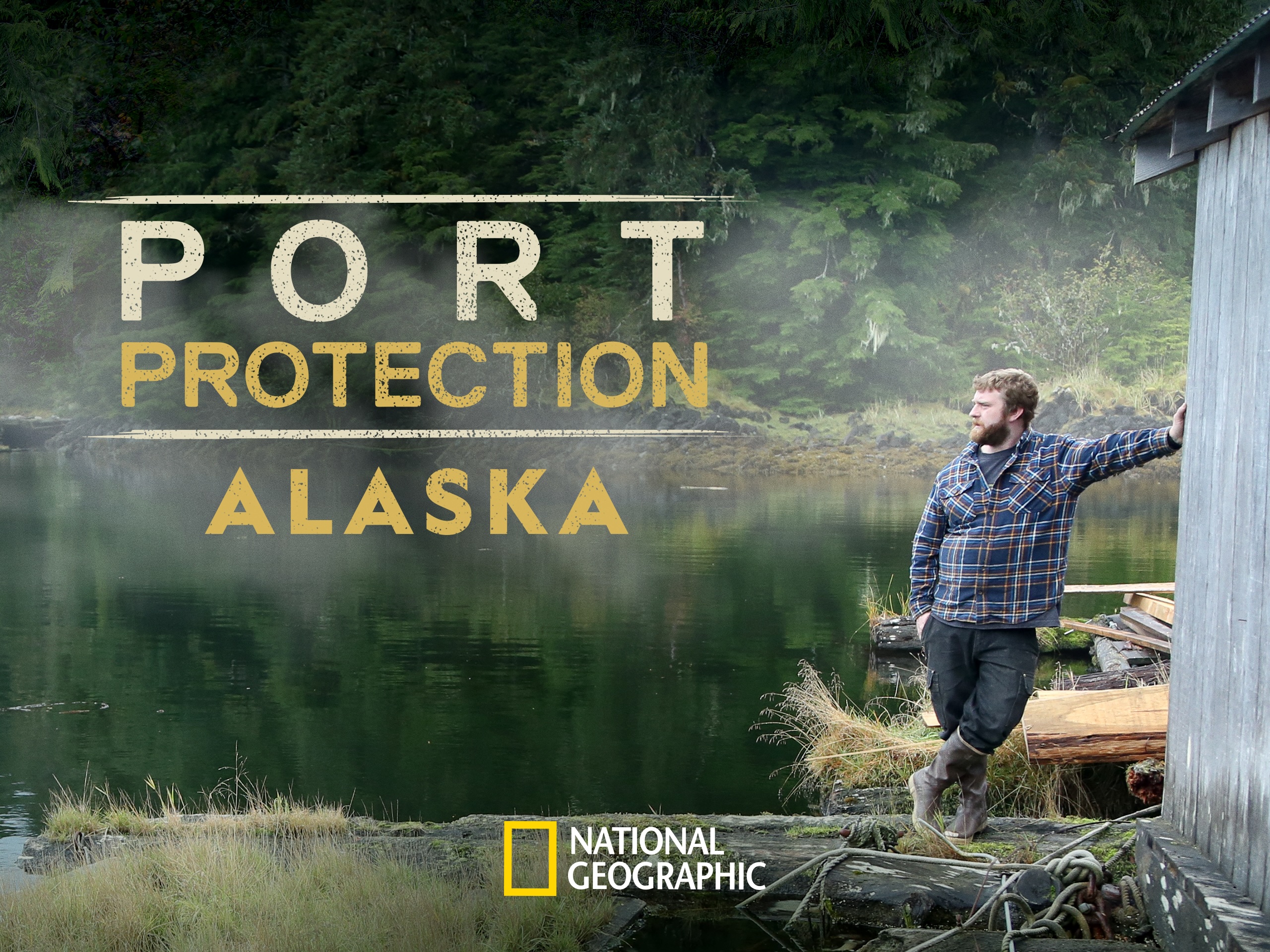
The allure of escaping modern civilization to live off-grid in the remote Alaskan wilderness has captivated millions of viewers. Among the notable figures who have navigated the grueling physical and mental demands of this lifestyle is Sam Carlson. Featured prominently in the media landscape surrounding Southeast Alaska's isolated settlements, Carlson represents a distinct breed of modern homesteader. As we examine the state of remote Alaskan living in 2026, understanding the actual conditions, logistical hurdles, and survival strategies of residents in places like Port Protection provides a vital counterweight to romanticized television portrayals.
Understanding the Geographic and Operational Realities of Port Protection
Port Protection is not a sprawling municipality with municipal utilities or easy highway access; it is a tiny, unincorporated fishing community situated on the northwestern tip of Prince of Wales Island in Southeast Alaska. Life here operates entirely outside the boundaries of conventional infrastructure.
The community relies heavily on maritime transport and small bush planes for incoming cargo, fuel, and medical emergencies. There are no grocery stores, paved roads, or municipal power grids. Residents must generate their own electricity through a mix of diesel generators, solar panels, and micro-hydro systems, while securing clean water from local streams or rainwater catchment systems.
Logistical Independence: Surviving in Port Protection requires absolute self-reliance. Without a local supply chain, residents must master marine mechanics, carpentry, commercial fishing, and advanced first aid to manage crises independently before emergency services can navigate the unpredictable waters or weather of Sumner Strait.
Sam Carlson and the Evolution of Modern Alaskan Homesteading
Sam Carlson's journey in the remote wilderness highlights the relentless adaptability required to sustain life in Southeast Alaska. Unlike seasonal tourists or temporary visitors, long-term residents must integrate themselves into the local ecosystem, mastering the seasonal rhythms of hunting, fishing, and foraging.
Over the years, the profile of individuals moving to or remaining in Port Protection has shifted. The integration of satellite communication technologies, such as advanced low-Earth-orbit satellite internet, has altered how remote Alaskans manage external business, healthcare consultations, and safety monitoring. However, the core physical labor of chopping firewood, maintaining marine vessels, and repairing weather-beaten structures remains unchanged.
Core Survival Competencies Required in Port Protection
- Marine Proficiency: Navigating skiffs and larger vessels through fast-moving tidal currents, hidden reefs, and sudden gale-force winds is an everyday necessity for obtaining food and supplies.
- Food Security and Preservation: Reliance on Pacific salmon, halibut, deer, and foraged plants requires rigorous preservation techniques, including vacuum sealing, smoking, pressure canning, and deep-freezing.
- Energy Management: Balancing power generation against severe winter weather conditions when solar gain is minimal requires careful fuel conservation and generator maintenance.
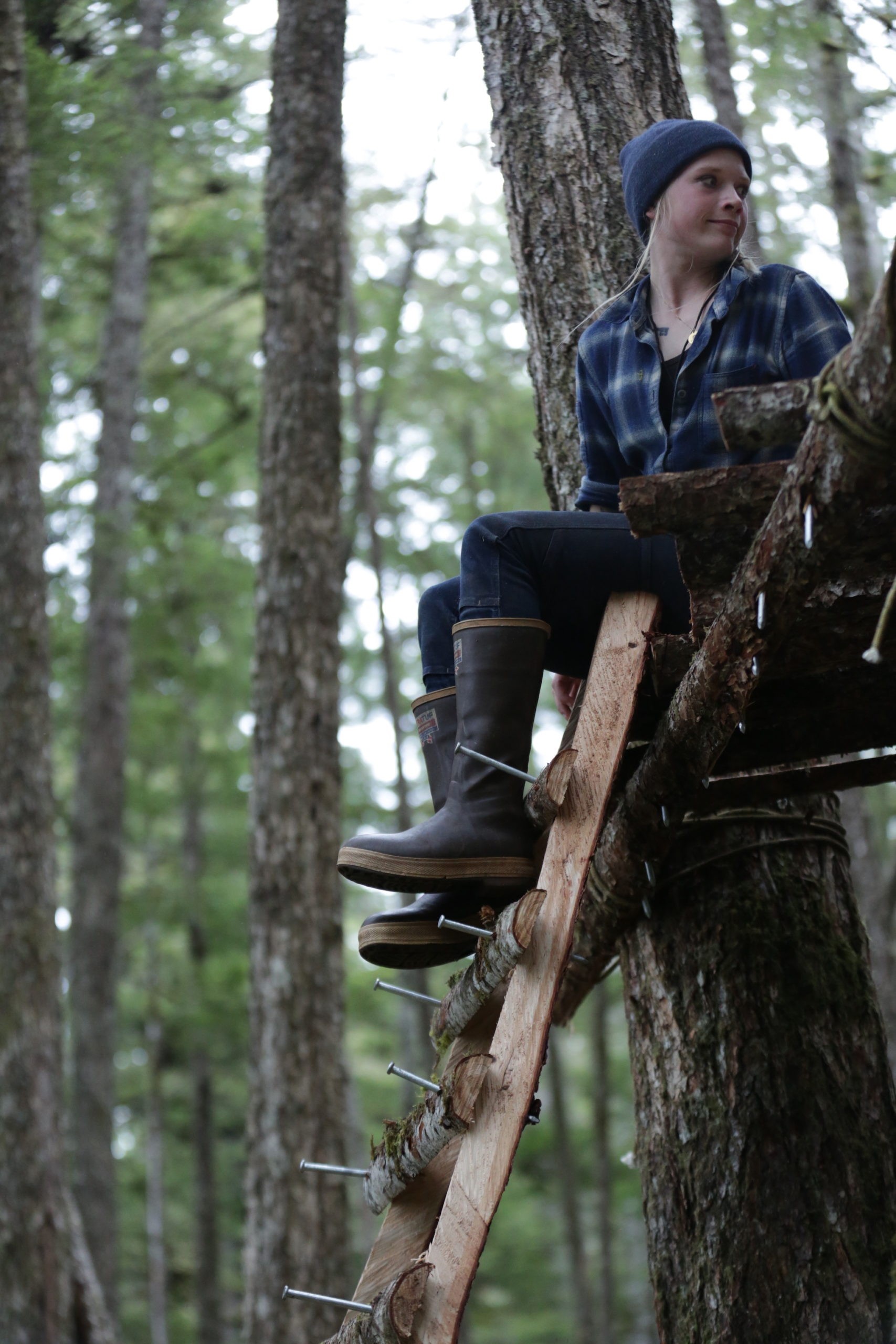
- Structural Maintenance: Constant exposure to moisture, salt air, and heavy snow loads demands continuous carpentry and preventative maintenance to keep shelters habitable.
Comparative Analysis: Romanticized Media Portrayal Versus 2026 Ground Reality
To fully understand the dynamic of living in a settlement like Port Protection, it is necessary to contrast popular media narratives with the actual operational hurdles faced by residents.
| Operational Domain | Television and Media Perception | Actual 2026 Ground Reality |
|---|---|---|
| Daily Survival | Constant high-stakes drama and immediate physical threats. | Monotonous, grueling physical labor, maintenance, and routine preparation. |
| Connectivity | Complete isolation from the outside world with zero communication. | Modern satellite broadband allows remote work, weather tracking, and emergency alerts. |
| Economy | Pure subsistence living off the land with no cash economy. | Reliance on commercial fishing, seasonal trades, pensions, or remote digital income to buy fuel and imported goods. |
| Healthcare | Treating all injuries and illnesses independently using basic wilderness first aid. | Direct reliance on marine rescue, local volunteer first responders, and telemedicine consultations. |
Step-by-Step Overview of Establishing Remote Self-Sufficiency
For those inspired by figures like Sam Carlson to pursue remote Alaskan living, the transition demands rigorous preparation rather than impulse. The following framework outlines the critical phases required to establish a sustainable foothold in regions like Prince of Wales Island.
- Financial Capital Accumulation: Accumulate substantial savings. Remote living is paradoxically expensive, requiring heavy upfront investments in marine vessels, generators, tools, building materials, and emergency reserves.
- Skill Diversification: Acquire certifications and practical experience in diesel engine repair, marine navigation, advanced trauma care, welding, and structural framing.
- Land and Shelter Acquisition: Secure legal property or establish lawful occupancy within permissible municipal or unorganized borough guidelines, prioritizing shelter stability against heavy wind and rain.
- Resource Network Establishment: Build trusted relationships with reliable bush pilots, marine freight haulers, and experienced local neighbors who understand regional weather patterns and supply chains.
- Emergency Contingency Planning: Install multi-tier communication devices, including satellite messengers and marine VHF radios, alongside extensive medical supplies and redundant heating sources.
Evaluating the Pros and Cons of the Port Protection Lifestyle
Choosing an existence defined by isolation and self-reliance presents a stark set of trade-offs. Examining these advantages and disadvantages clarifies whether this path aligns with realistic expectations.
Major Advantages
- Unrivaled Natural Beauty: Immediate access to pristine wilderness, abundant wildlife, and world-class marine environments.
- Absolute Autonomy: Freedom from urban congestion, municipal regulations, and corporate neighborhood constraints.
- Strong Community Bonds: Deep, reliance-based camaraderie among fellow residents who depend on one another during emergencies.
Major Disadvantages
- Extreme Physical Demands: High risk of injury and chronic joint wear from heavy lifting, cold weather exposure, and arduous labor.
- Severe Isolation: Limited social circles, lack of immediate professional medical infrastructure, and profound loneliness during dark winter months.
- Financial Vulnerability: Inflationary pressures on imported fuel, groceries, and marine parts can severely strain personal resources.
Frequently Asked Questions
Where is Port Protection located?
Port Protection is a remote unincorporated community situated on the northwestern tip of Prince of Wales Island in Southeast Alaska. It is accessible primarily by floatplane or boat.
Do residents like Sam Carlson live completely without modern technology?
No, while residents practice traditional subsistence living and heavy manual labor, modern conveniences such as satellite internet, GPS navigation, and power tools are widely utilized to manage safety and communication.
Is it legal to move and build a home in Port Protection?
Moving to Port Protection requires purchasing private property or securing valid occupancy rights, as land cannot simply be claimed freely. Prospective residents must also comply with Alaska Department of Fish and Game regulations for hunting and fishing.
How do residents handle medical emergencies in such an isolated area?
Medical emergencies require coordination with local volunteer responders, regional clinic telemedicine, and Coast Guard or private floatplane evacuation services, weather permitting.
What is the primary source of income for people living in Port Protection?
Income is typically generated through commercial fishing, seasonal construction, crafts, pensions, or remote digital employment facilitated by modern satellite connectivity.
Can tourists visit Port Protection easily?
Visiting requires booking private boat charters or specialized air taxi services from larger hubs like Ketchikan or Wrangell, as there are no commercial ferries or scheduled passenger lines directly serving the settlement.
Navigating Your Wilderness Aspirations
Observing figures like Sam Carlson navigate the rugged conditions of Port Protection serves as both inspiration and caution. True off-grid survival in Southeast Alaska demands humility, technical competence, and profound respect for natural forces. Whether you are researching remote real estate or analyzing wilderness documentaries, understanding the unvarnished realities ensures a clear-eyed perspective on America's last great frontiers.
Image Gallery