The Truth Behind the Peter Frampton Wig Rumors and Hair Transformation
Peter Frampton never relied on wigs or toupees to maintain his public image. While persistent rumors suggested he used hairpieces during the late 1980s, Frampton actually experienced natural male pattern baldness. In the early 1990s, h...
Peter Frampton never relied on wigs or toupees to maintain his public image. While persistent rumors suggested he used hairpieces during the late 1980s, Frampton actually experienced natural male pattern baldness. In the early 1990s, he openly rejected hair cosmetics and cut his iconic long blonde locks short, fully embracing his natural look.
Contents
From 1970s Rock Hair Icon to 1980s Media Speculation
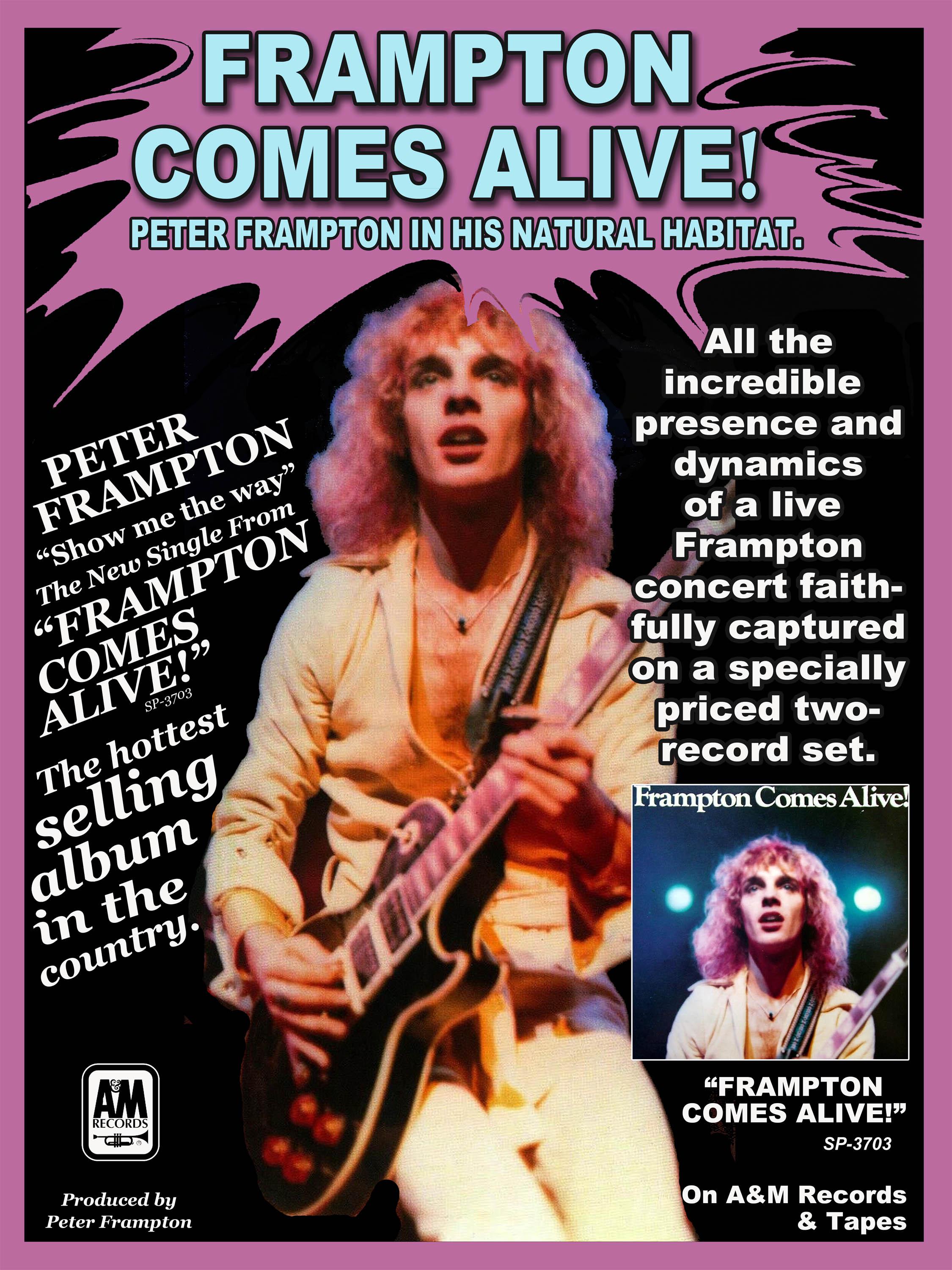
During the mid-1970s, British guitarist and singer Peter Frampton emerged as one of the biggest solo rock stars in the world. Following his departure from the blues-rock outfit Humble Pie, Frampton released his landmark 1976 live album, Frampton Comes Alive!, which sold millions of copies worldwide and spawned timeless hits like "Show Me the Way" and "Baby, I Love Your Way."
Alongside his signature talk-box guitar effects, Frampton's physical appearance—specifically his long, flowing, golden curly hair—became a defining visual hallmark of the era. Photographed by renowned celebrity portraitist Francesco Scavullo for the cover of Rolling Stone in 1977, Frampton was catapulted into teen-heartthrob status. His hair was not merely a personal feature; it was a commercial asset heavily emphasized by record executives and media outlets.
However, the late 1970s brought severe personal and professional disruption. A near-fatal car crash in the Bahamas in 1978, coupled with commercial pressures and shifting musical trends toward punk and new wave, altered his career trajectory. By the early 1980s, Frampton also began experiencing male pattern baldness.
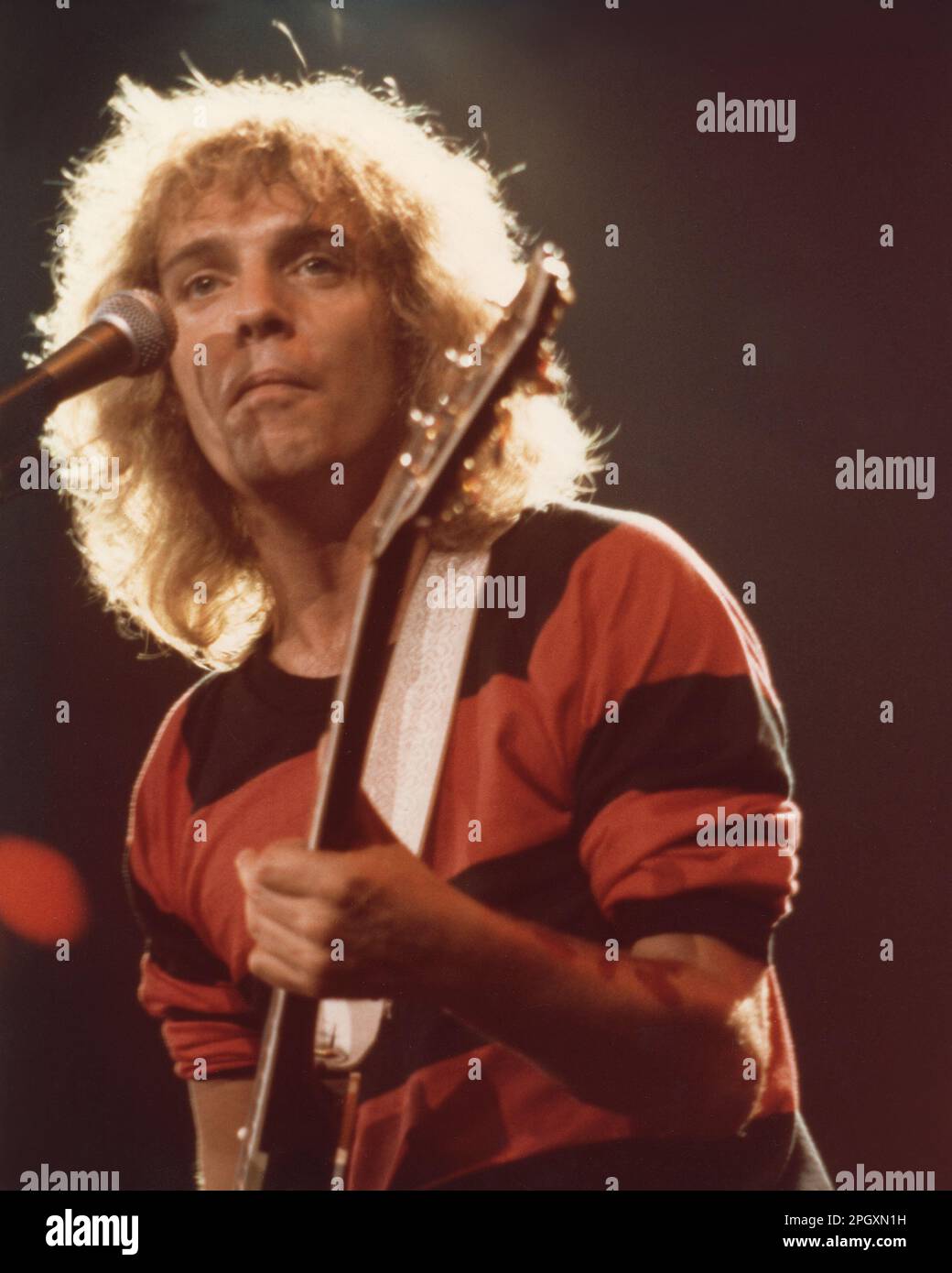
As his hairline began to recede, pop culture media and fans took notice. Because his image had been so tightly tied to his golden curls, any visual change invited intense scrutiny. Throughout the 1980s, as Frampton tried to maintain a longer hairstyle despite thinning hair, tabloid rumors surfaced claiming that he was wearing wigs, toupees, or partial hair extensions to preserve his 1970s appearance.
Addressing the Wig Rumors: Fact vs. Fiction
Despite decades of casual speculation, the idea that Peter Frampton wore wigs or toupees is incorrect. Frampton has addressed these hairpiece rumors directly in interviews, on television appearances, and in his 2020 memoir, Do You Feel Like I Do?.
| Myth | Fact |
|---|---|
| Frampton wore high-end wigs during 1980s arena tours. | Frampton never wore toupees or wigs; he kept his natural hair long even as it thinned naturally throughout the decade. |
| He underwent secret hair transplant surgery to restore his image. | Frampton rejected surgical hair restoration and cosmetic toupees, choosing instead to cut his hair short in the early 1990s. |
The persistent belief that Frampton used hairpieces largely stemmed from the stark contrast between his 1976 pin-up image and his appearance in the late 1980s. When Frampton joined his childhood friend David Bowie as lead guitarist on Bowie's massive 1987 Glass Spider Tour, he stepped back into the stadium spotlight. Audiences accustomed to his mid-70s look observed that while his hair remained long, its density had changed dramatically.
Rather than adopting a wig, Frampton was simply attempting to hold onto his legacy look using standard styling products—a common practice among classic rock musicians facing genetic hair loss. In interviews, Frampton admitted that trying to maintain long, thinning hair in the late 1980s was an uncomfortable phase that ultimately fueled tabloid gossip.
The Decision to Cut It: Shifting from Sex Symbol to Virtuoso
By 1990, Frampton decided to address the ongoing speculation by taking direct action. Realizing that his thinning long hair had become a distraction from his musical capabilities, he decided to cut it short.
- 1970s: The Golden Locks
- 1980s: Thinning & Rumors
- 1990s: The Big Cut (Short Hair)
- 2000s–Present: Reclaimed Legacy
Frampton recalled that cutting his hair was a profound relief. For years, the record industry had packaged him as a pop heartthrob, often overshadowing his technical prowess as a guitarist. By shedding the long hair:
- He dispelled wig rumors: Removing the thin, longer strands immediately put an end to rumors regarding toupees or cover-ups.
- He reclaimed his musical identity: Fans and critics began evaluating him strictly as a premier lead guitarist rather than a former teen idol.
- He embraced authenticity: Frampton spoke openly and humorously about hair loss on talk shows, turning a source of insecurity into a relatable aspect of his personality.
This aesthetic transformation coincided with a artistic renaissance. Free from the expectations of maintaining his 1970s image, Frampton released acclaimed solo albums, toured as part of Ringo Starr’s All-Starr Band, and expanded his work as a session guitarist.
Chronological Evolution of Peter Frampton's Hair and Image
The table below outlines the distinct phases of Peter Frampton's visual evolution, contrasting public perception and media rumors with historical facts.
| Time Period | Visual Style & Hairline | Public & Media Rumors | Actual Context & Status |
|---|---|---|---|
| 1969–1974 | Shoulder-length, thick natural curls (Humble Pie era) | None; recognized as a rising British rock guitarist | Natural hair; standard aesthetic for late-60s/early-70s rock musicians. |
| 1975–1978 | Long, sun-bleached golden curls (Frampton Comes Alive!) | Idolized as a global rock sex symbol and pin-up star | Peak of his initial solo fame; iconic image created via high-profile photo shoots. |
| 1979–1989 | Thinning long hair; shoulder-length with visible recession | Rumors of wigs, toupees, hair extensions, and cover-ups | Natural male pattern baldness; Frampton kept hair long without using wigs. |
| 1990–1999 | Short crop / clean buzz-cut style | Speculation that he gave up fighting hair loss | Frampton voluntarily cut his hair short to reject hairpieces and refocus on music. |
| 2000–Present | Short, cropped gray hair / silver hair | Widespread respect for aging gracefully and authentically | Grammy-winning era (Fingerprints); inducted into the Rock and Roll Hall of Fame in 2024. |
Impact on Frampton’s Career and Musical Identity
Frampton's decision to forgo wigs and embrace his natural appearance played an important role in his career longevity. During the height of Frampton Comes Alive!, critics often dismissed his technical guitar skills, focusing instead on his marketable appearance.
Once he cut his hair in the early 1990s, public perception shifted noticeably:
- Critical Re-Evaluation: Music journalists began giving greater weight to his improvisational skill, melodic phrasing, and work with artists like George Harrison, Ringo Starr, and David Bowie.
- Instrumental Success: In 2007, Frampton earned a Grammy Award for Best Pop Instrumental Album for Fingerprints, proving that his musical talent transcended any past pop image.
- Rock and Roll Hall of Fame: His induction into the Rock and Roll Hall of Fame in 2024 highlighted a career built on guitar mastery, longevity, and artistic integrity rather than manufactured image trends.
By taking control of his image, Frampton demonstrated that an artist's identity does not depend on past aesthetics.
| Key Lessons from Frampton's Transformation |
|---|
| 1. Authenticity over Artifice: Rejecting wigs silenced rumors and restored public trust. |
| 2. Focus on Core Talent: Moving past his 70s look allowed his guitar virtuosity to take center stage. |
| 3. Longevity in Music: Evolving gracefully helped build a sustainable multi-decade touring and recording career. |
Frequently Asked Questions
Did Peter Frampton ever wear a wig during his concerts?
No. Peter Frampton never wore a wig or toupee during his concert tours. While rumors circulated during the 1980s due to his thinning long hair, Frampton retained his natural hair until he decided to cut it short in the early 1990s.
Why did people think Peter Frampton wore a wig?
The rumors arose primarily because Frampton's 1970s image was built around his thick, curly hair. When he experienced natural male pattern baldness in the 1980s while keeping his hair long, observers misinterpreted the change, leading to tabloid claims about hairpieces.
When did Peter Frampton cut his hair short?
Peter Frampton cut his long hair short in the early 1990s. He made the decision to stop trying to maintain his 1970s hairstyle and embraced a clean, short look that he maintained throughout his later career.
How did Peter Frampton react to losing his hair?
Frampton addressed his hair loss with humor and candor. In interviews and his memoir, he explained that cutting his hair was liberating because it removed the burden of maintaining an outdated pop-star image and let fans focus entirely on his guitar playing.
Did hair loss impact Peter Frampton's music career?
While hair loss changed his standing as a teenage heartthrob, it benefited his musical reputation over the long term. Stripping away the heartthrob image allowed critics and fans to appreciate his skills as a lead guitarist, songwriter, and live performer.
Recommended Next Actions
To better understand Peter Frampton's career, musical development, and public image transformation, explore the following resources:
- Read His Autobiography: Pick up Peter Frampton's 2020 memoir, Do You Feel Like I Do?, where he candidly discusses his rise to stardom, his work with David Bowie, his personal health challenges, and his perspective on fame and image.
- Listen to His Instrumental Work: Explore his Grammy-winning 2006 album Fingerprints or his 2019 release All Blues to hear his guitar work uncoupled from 1970s pop production.
- Watch Historical Performances: Compare live footage of Frampton on the 1987 David Bowie Glass Spider Tour with his post-2000 acoustic and blues performances to observe his evolution as a performer.
Image Gallery