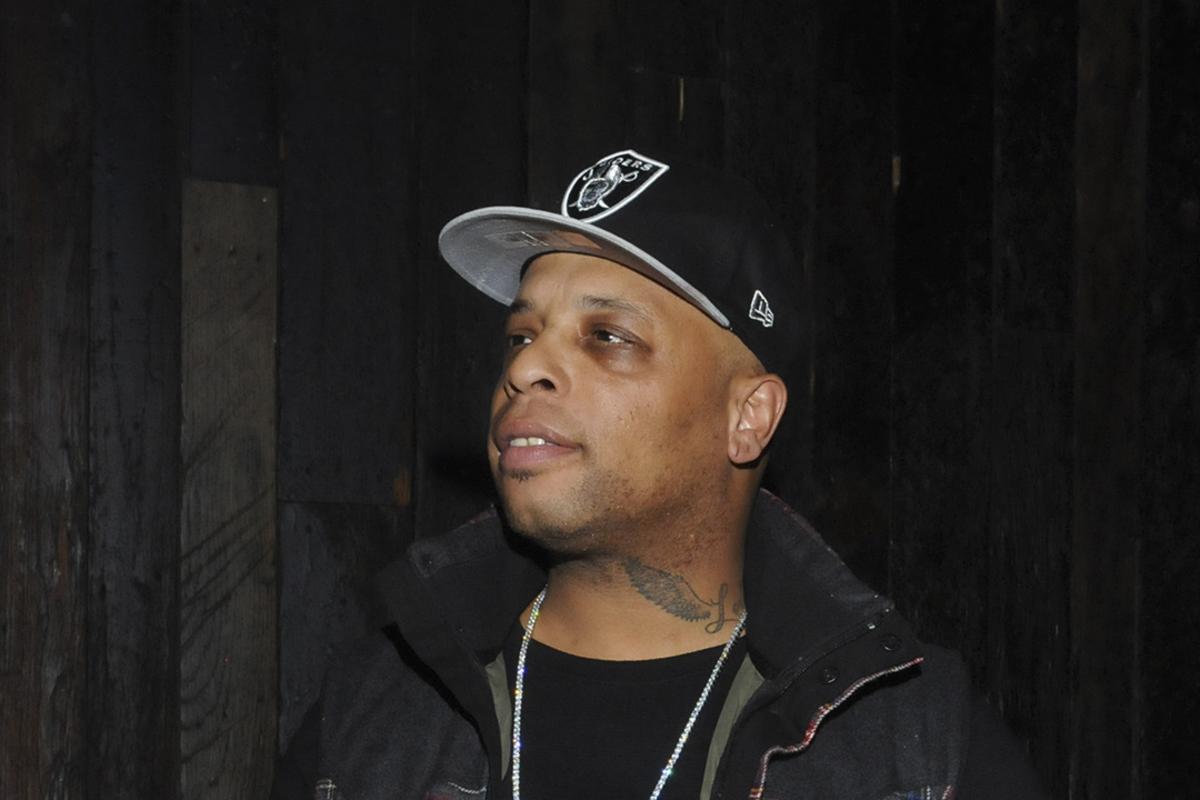
Spliff Star Net Worth: A Comprehensive Breakdown for the Curious Reader
Spliff Star’s net worth is estimated to be between $1 million and $3 million as of 2026. This valuation reflects his decades-long tenure as a foundational member of the Flipmode Squad, his primary role as Busta Rhymes’ iconic stage par...
Spliff Star’s net worth is estimated to be between $1 million and $3 million as of 2026. This valuation reflects his decades-long tenure as a foundational member of the Flipmode Squad, his primary role as Busta Rhymes’ iconic stage partner, music royalties from platinum-selling albums, and his entrepreneurial ventures through PaperRock Records.
Contents
Understanding the Man Behind the Hype
To understand the net worth of Spliff Star (born William Lewis), one must first look past the traditional definition of a "hype man." While the term is often used to describe someone who provides vocal support during live performances, Spliff Star elevated the role into a professional craft and a brand in itself. Born in Brooklyn, New York, and raised in the Flatbush neighborhood, Lewis became a central figure in the East Coast hip-hop scene during the mid-1990s.
His financial journey is inextricably linked with the rise of Busta Rhymes. As childhood friends, the duo developed a level of onstage chemistry that became the gold standard for live hip-hop performances. This partnership allowed Spliff Star to secure a consistent stream of income that many solo artists of the same era struggled to maintain. By 2026, his wealth is a combination of legacy earnings from the "Golden Era" of hip-hop and sustained revenue from the "legacy circuit" of international touring and festival appearances.
The Flipmode Squad Era: A Financial Foundation
The late 1990s and early 2000s represented the peak of commercial hip-hop’s "big budget" era. As a key member of the Flipmode Squad, Spliff Star was part of a collective that benefited from major label backing and high-volume physical record sales.
The Imperial and Platinum Success
The Flipmode Squad’s debut album, The Imperial (1998), was a significant commercial success. For Spliff Star, this meant not only performance fees but also mechanical royalties. During this period, hip-hop groups were often structured with tiered payout systems, but as a core member and Busta Rhymes' right-hand man, Spliff Star was positioned more favorably than peripheral members.
Music Video Revenue and Royalties
The music videos directed by Hype Williams for Busta Rhymes and the Flipmode Squad were legendary for their high production costs, often reaching into the millions of dollars. While Spliff Star was not the primary artist on every track, his constant presence in these high-rotation videos on MTV and BET cemented his image. This visibility translated into higher booking fees for solo appearances and hosted events, a revenue stream he utilized throughout the 2000s.
The Mechanics of the "Hype Man" Economy
A common question for the curious reader is: How does a hype man accumulate a multi-million dollar net worth? The answer lies in the contractual agreements and the specific value Spliff Star brings to the Busta Rhymes brand.
In professional hip-hop, a performer of Spliff Star's caliber is often paid as a touring partner rather than a salaried employee. This means he likely receives a percentage of the gross performance fee or a substantial flat rate per show. Given Busta Rhymes’ status as one of the greatest live performers in the genre, their booking fees for international festivals and corporate events remain high. Even in 2026, the demand for "classic" hip-hop acts provides a steady influx of capital.
Furthermore, Spliff Star's role involved choreography and stage direction. His ability to synchronize movements with Busta Rhymes created a unique "visual audio" experience that increased the market value of their tours. This specialized skill set allowed him to negotiate better terms than a standard background vocalist.
Diversification: PaperRock Records and Independent Ventures
Spliff Star recognized early on that reliance on a single artist, regardless of their fame, was a financial risk. This led to the creation of PaperRock Records.
The Independent Model
Through PaperRock Records, Spliff Star moved into the role of an executive and producer. While the label did not achieve the mainstream dominance of Aftermath or Bad Boy, it allowed him to retain a much higher percentage of earnings from his solo projects and collaborations. By 2026, the shift toward digital streaming has benefited legacy artists who own their masters. Even if the play counts are lower than modern pop stars, the high profit-per-stream for owner-operators provides a consistent passive income.
Media and Brand Partnerships
Beyond music, Spliff Star has engaged in various media appearances. His personality and recognizable "Brooklyn energy" made him a natural fit for cameos in films and reality television segments related to hip-hop history. While these are often one-time payouts, they contribute to the "equity of fame" that supports a six or seven-figure net worth.
Comparative Financial Analysis
To put Spliff Star's net worth into perspective, it is helpful to compare the different phases of his career and how they stack up against the general music industry standards for legacy performers.
| Revenue Stream | Estimated Impact (Lifetime) | Current Status (2026) |
|---|---|---|
| Touring & Live Shows | High | Primary source of active income; high demand for festivals. |
| Flipmode Royalties | Moderate | Secondary; driven by streaming and "Best Of" compilations. |
| PaperRock Records | Moderate | Executive income and ownership of independent masters. |
| Music Video/Film | Low-Moderate | Historical earnings; contributes to brand longevity. |
| Merchandising | Low | Niche revenue from "Spliff Star" and Flipmode-branded apparel. |
The Impact of Streaming in 2026
By 2026, the landscape of music monetization has shifted almost entirely to streaming and synchronization (sync) rights. For an artist like Spliff Star, the "long tail" of the internet is a financial boon. Tracks from the Flipmode era, such as "Cha Cha Cha" or his contributions to Busta Rhymes' solo albums like When Disaster Strikes..., continue to generate revenue through platforms like Spotify, Apple Music, and Tidal.
Because these albums are considered "classics," they are frequently added to editorial playlists such as "90s Hip-Hop Essentials." This consistent traffic ensures that royalty checks continue to arrive decades after the initial release. Additionally, his appearances in classic music videos generate "ad-share" revenue on platforms like YouTube, where the Busta Rhymes catalog maintains hundreds of millions of views.
The "Curious Reader" Perspective: Why the Figure Matters
When discussing Spliff Star's net worth, it is important to distinguish between "liquid wealth" and "net assets." Most estimates of $1M–$3M account for:
- Real Estate: Likely holdings in the New York or New Jersey area, which have appreciated significantly over the last decade.
- Intellectual Property: Ownership shares in compositions and recordings.
- Cash Reserves: Accumulated wealth from the peak touring years.
For the curious reader, Spliff Star represents a success story of sustainability. He is an example of an artist who didn't need to be the "number one" star to build a lasting, million-dollar career. His financial health is a testament to the power of loyalty, specialized skill, and the ability to pivot from a performer to a business owner.
Frequently Asked Questions
Is Spliff Star still working with Busta Rhymes in 2026?
Yes, the professional relationship between Spliff Star and Busta Rhymes is one of the longest-running in hip-hop history. They continue to perform together at major global events, which remains a primary driver for Spliff Star's annual earnings.
How much did Spliff Star make from the Flipmode Squad?
While exact individual earnings from that era are not public, the group’s albums sold hundreds of thousands of copies. Spliff Star would have received a percentage of the group's advance, performance royalties, and a share of the touring revenue, which was substantial during the late 90s.
Does Spliff Star own his music masters?
Spliff Star owns the masters for the material released under his own label, PaperRock Records. However, the early Flipmode Squad material is largely owned by the major labels (like Elektra or J/Arista) that distributed them, though he still receives performer royalties.
What is the primary source of Spliff Star's wealth today?
In 2026, the primary source is live performance fees. His status as a legendary stage presence makes him a high-value addition to any hip-hop lineup, often earning him significant five-figure sums for single appearances.
Has Spliff Star faced any major financial setbacks?
There have been no public reports of significant financial distress or bankruptcy for Spliff Star. He has generally maintained a low profile regarding his private life, which often suggests a stable and well-managed financial portfolio.
Final Recommendation for Further Research
If you are interested in the financial structures of hip-hop’s supporting stars, it is worth looking into the history of Flipmode Squad's contract negotiations during their transition from Elektra to J Records. Understanding the evolution of touring contracts from the 1990s to the 2020s provides deeper context on how artists like Spliff Star have maintained their wealth through changing technological eras. For those following his current activities, his official social media channels and the PaperRock Records website offer the most direct insight into his ongoing business ventures and upcoming performances.
Image Gallery