How to Find Daycare Openings in 2026: The Ultimate Parent's Strategic Guide
Navigating the current early childhood education landscape requires a structured approach, especially as modern families balance strict workplace demands with limited infant and toddler capacity. Finding an open slot in a reputable chi...
Navigating the current early childhood education landscape requires a structured approach, especially as modern families balance strict workplace demands with limited infant and toddler capacity. Finding an open slot in a reputable childcare facility involves more than simply calling local centers from a directory; it requires understanding enrollment cycles, mastering waitlist dynamics, and utilizing state and digital registry databases effectively. This guide outlines actionable strategies, operational realities, and verified frameworks to help parents secure reliable childcare placements efficiently.
Contents
Understanding the Current Childcare Capacity and 2026 Enrollment Realities
The early childhood education sector continues to face operational capacity constraints, driven by strict staff-to-child ratio regulations, facility square footage limits, and high demand for infant care. State licensing agencies mandate specific ratios to ensure safety and developmental engagement, which directly dictates how many children a center can enroll at any given time.
| Age Group | Standard Staff-to-Child Ratio | Typical Maximum Group Size | Average Waitlist Duration |
|---|---|---|---|
| Infants (0-12 months) | 1:4 | 8 infants | 6 to 12 months |
| Toddlers (1-2 years) | 1:5 or 1:7 | 10 to 14 toddlers | 4 to 9 months |
| Preschool (3-4 years) | 1:10 | 20 children | 2 to 6 months |
| School-Age (5+ years) | 1:15 | 30 children | 1 to 3 months |
Infant classrooms represent the highest bottleneck in the system. Because ratios are tightest for newborns and mobile infants, centers experience very low turnover in these rooms until children age up into the toddler wing. Consequently, prospective parents must initiate their search long before the anticipated start date.
Strategic Framework for Locating Available Openings
Securing a spot requires an organized multi-channel approach. Relying on a single search method often leads to missed opportunities, as many smaller in-home providers and faith-based programs maintain a low digital footprint.
1. Leverage State Licensing and Resource & Referral (R&R) Databases
Every state maintains a searchable public database of licensed childcare facilities, registered family child home daycares, and license-exempt programs. These databases provide critical operational data, including compliance history, substantiated complaints, inspection reports, and licensed capacity limits.
- Access the local Child Care Resource and Referral (CCR&R) agency funded through federal block grants.
- Filter search results by age group, operating hours, and location radius.
- Review inspection records for recent health and safety citations to pre-screen facility quality.
2. Utilize Digital Platforms and Aggregators
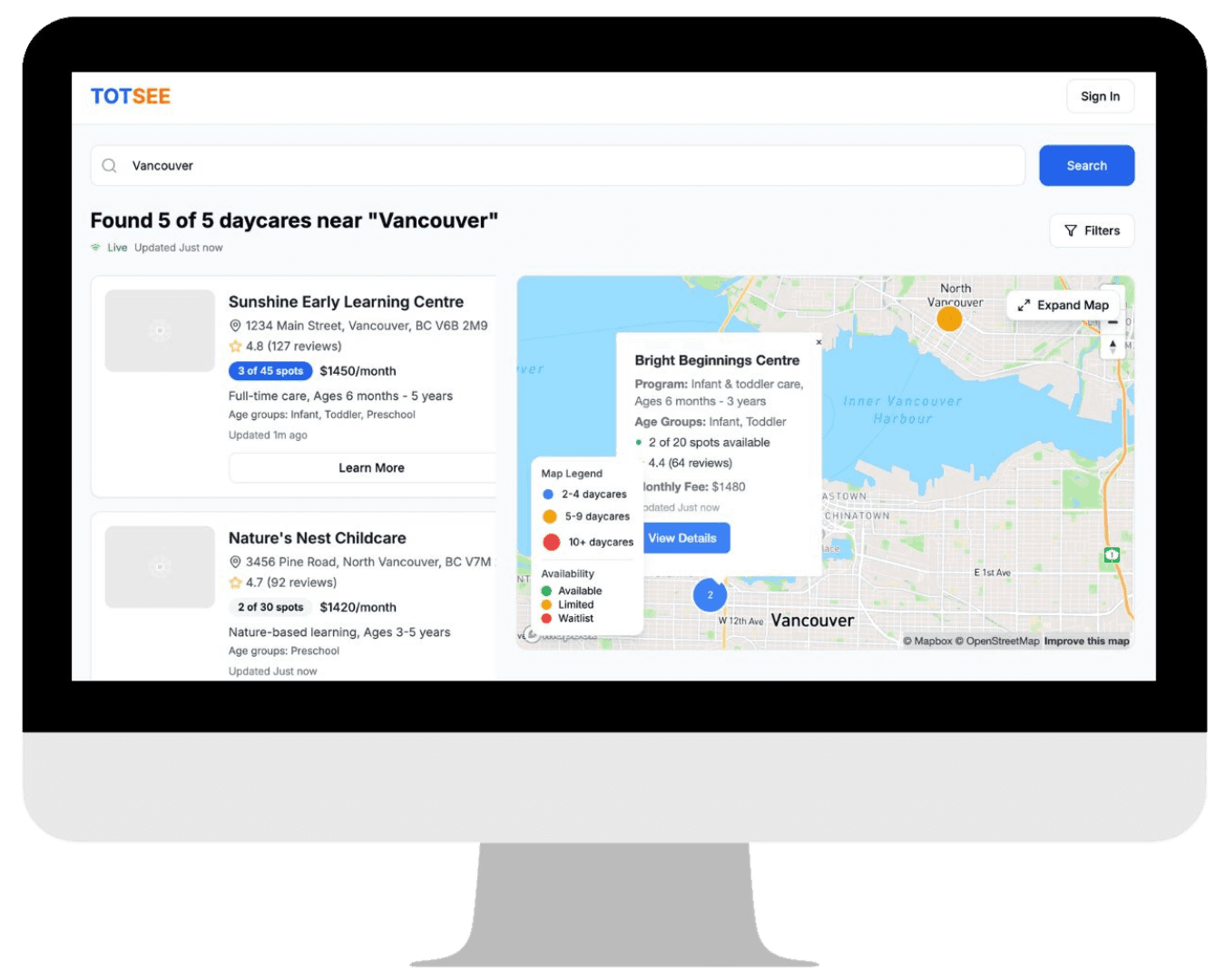
Modern family tech platforms aggregate local openings, but data freshness varies. Use aggregators as a preliminary discovery tool rather than a final source of truth. Always cross-reference directory listings with the provider's official website or direct phone call to verify real-time availability.
3. Tap Into Hyper-Local Community Networks
Word-of-mouth networks remain one of the most effective ways to uncover hidden or unlisted openings. Local neighborhood parent groups, community message boards, and workplace internal family affinity groups frequently share immediate openings when families relocate or transition out of a center unexpectedly.
Step-by-Step Action Plan to Secure a Placement
To maximize your chances of converting a waitlist position into an active enrollment, execute a structured timeline and communication strategy.
- Define Your Criteria and Flexibility: Determine your non-negotiable requirements, such as operating hours, commute convenience, curriculum philosophy, and budget. Being flexible on start dates or considering licensed in-home options dramatically increases your options.
- Compile a Target List: Identify 8 to 12 facilities within a 15-minute radius of your home or workplace. Group them by category: corporate centers, independent local centers, Montessori or play-based schools, and licensed family home daycares.
- Submit Inquiries and Tour: Contact directors directly to schedule tours. Ask targeted questions regarding staff turnover rates, emergency closure policies, tuition increase frequencies, and substitute teacher availability.
- Navigate Waitlist Protocols Strategically: Ask how the waitlist is structured. Is it prioritized by application date, sibling enrollment, or corporate sponsorships? Inquire about the fee required to hold a spot and whether it is refundable.
- Maintain Polite Contact: Check in with facility directors every 4 to 6 weeks after joining a waitlist. Consistent, polite follow-ups keep your family top-of-mind when unexpected openings materialize due to scheduling changes.
Comparing Childcare Models: Pros and Cons
Choosing the right setting involves weighing the operational structure of different childcare formats against your family's needs.
- Center-Based Childcare
- Pros: Highly structured curriculum, reliable backup staffing, peer socialization opportunities, and standardized safety protocols.
- Cons: Higher tuition costs, rigid operational schedules, frequent closures for teacher professional development days, and higher child-to-teacher group sizes.
- Licensed Family In-Home Daycare
- Pros: Lower child-to-adult ratios, home-like environment, mixed-age socialization, and often more flexible scheduling.
- Cons: Vulnerable to single-provider illness closures without built-in substitutes, highly variable curriculum structures, and limited oversight resources compared to large centers.
- Nanny Shares and In-Home Care
- Pros: Personalized one-on-one or small-group attention, zero commute required, and customized daily schedules.
- Cons: Significant financial investment, employer tax compliance responsibilities, and management of backup care when the caregiver takes time off.
Expert Tips and Troubleshooting Common Roadblocks
Even with careful planning, parents frequently encounter structural hurdles during their search. Applying expert-level troubleshooting techniques can resolve these bottlenecks.
- Handling Sudden Openings: Be prepared to accept a spot slightly earlier than needed if an exceptional center has an immediate opening. Passing on an available slot often means returning to the bottom of a prolonged waitlist.
- Addressing Mid-Year Transitions: Most center openings occur in late summer and early autumn when older children graduate to kindergarten. If you need care in the winter or spring, focus heavily on family home daycares or newly opened facilities that are still building their initial enrollment.
- Evaluating Financial Subsidies: Investigate whether you qualify for employer-sponsored dependent care flexible spending accounts (FSAs), state child care subsidy vouchers, or military fee assistance programs to offset high tuition expenses.
Frequently Asked Questions
When is the best time of year to start searching for daycare openings?
The ideal time to begin your search is 6 to 9 months before your required start date, with late winter and early spring offering the highest volume of upcoming transitions. Starting early ensures you secure priority positioning on competitive waitlists before the annual autumn turnover cycle.
How do I verify if a daycare facility has an active safety violation record?
You can verify compliance history by accessing your state's department of health and human services or licensing division public lookup portal. This database displays all historical inspection reports, substantiated licensing violations, and corrective action plans for registered facilities.
What should I do if every daycare in my area has a closed waitlist?
Expand your search radius to include centers located near your workplace or along your regular commuter transit route. Additionally, apply to licensed in-home family daycares, which often maintain shorter waitlists and offer flexible enrollment options compared to large commercial centers.
Are application fees for childcare waitlists refundable?
Most daycare waitlist and registration fees are strictly non-refundable, as they cover administrative processing costs. Always clarify the refund policy with the facility director before submitting any financial deposits to hold a prospective slot.
Can I negotiate tuition rates or payment schedules with a childcare provider?
Commercial childcare centers rarely negotiate standard monthly tuition rates due to fixed operational overhead costs. However, some independent providers or in-home daycares may offer sibling discounts, part-time schedule adjustments, or flexible payment frequencies upon request.
What documents are required to finalize daycare enrollment?
Finalizing enrollment typically requires a completed registration form, a certified copy of the child's birth certificate, an up-to-date immunization record signed by a pediatrician, emergency contact authorizations, and signed policy acknowledgments.
Securing Your Child's Placement
Finding open daycare slots requires persistence, organization, and a proactive outreach strategy. Begin your research early, maintain organized records of your waitlist status across multiple facilities, and stay in regular contact with program directors to ensure your family is ready to enroll the moment a spot becomes available.
Image Gallery