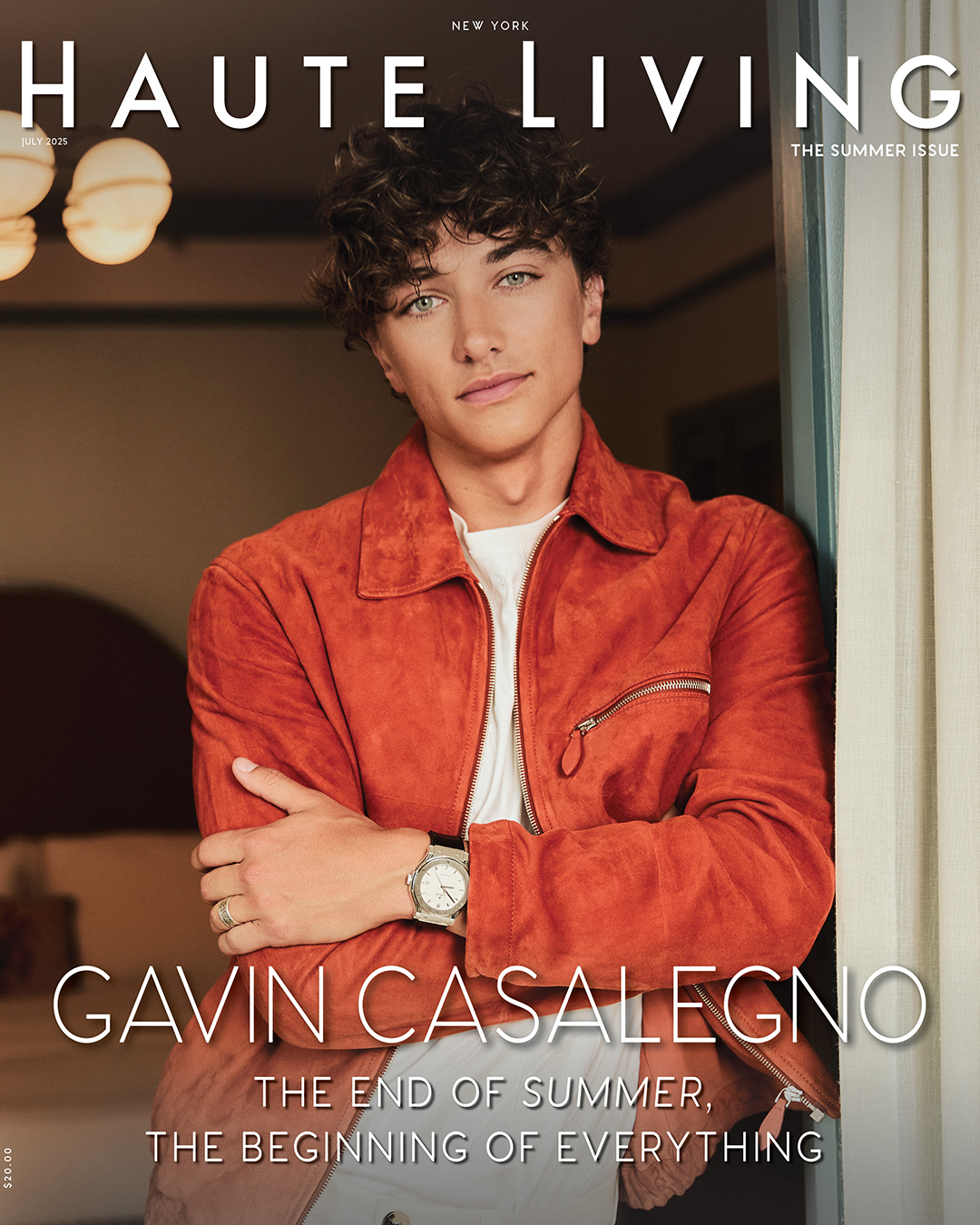
Why the Gavin Casalegno Eye Color Matters for Casting
Gavin Casalegno’s striking blue eyes play a pivotal role in casting decisions by establishing visual continuity, reinforcing source material fidelity, and matching onscreen family genetics. Beyond aesthetic appeal, light-colored irises...
Gavin Casalegno’s striking blue eyes play a pivotal role in casting decisions by establishing visual continuity, reinforcing source material fidelity, and matching onscreen family genetics. Beyond aesthetic appeal, light-colored irises affect camera lighting setups, reflect catchlights effectively in close-ups, and help define specific character archetypes in romantic and coming-of-age dramas.
Contents
The Intersection of Physical Traits and Visual Storytelling
In film and television production, casting directors rarely select actors based solely on theatrical performance or monologue delivery. Visual suitability—comprising facial symmetry, height, hair texture, and particularly eye color—serves as an essential narrative tool. For actor Gavin Casalegno, best known for his portrayal of Jeremiah Fisher in Prime Video’s adaptation of The Summer I Turned Pretty and his appearance as a young Damon Salvatore in The Vampire Diaries, his vivid blue eyes are far more than an attractive feature. They are a structural casting asset.
Eye color functions as a visual shorthand for audiences. In cinematic grammar, light eyes often convey openness, vulnerability, warmth, or intense emotional clarity depending on how a scene is lit and framed. When adapting popular literature or establishing believable family trees on screen, physical markers like eye color anchor the illusion of reality. A character's physical description in a beloved novel creates rigid fan expectations, making exact or near-exact physical matching critical during the casting process.
Source Material Fidelity in Book-to-Screen Adaptations
When streaming platforms and major studios adapt bestselling novels, fidelity to character descriptions directly impacts audience reception. In Jenny Han’s book trilogy The Summer I Turned Pretty, physical contrast between characters drives the central narrative tension.
Defining the "Golden Boy" Archetype
In the original novels, the character of Jeremiah Fisher is explicitly described as a sun-kissed, charismatic young man with bright blue eyes and warm, golden energy. This physical description is integral to his role as the "golden boy"—the expressive, approachable counterpart to his darker, more brooding older brother, Conrad Fisher.
When casting directors searched for an actor to embody Jeremiah, finding someone who possessed both the necessary emotional range and the exact physical signatures described by Han was paramount. Casalegno’s natural blue eyes provided an immediate visual match to the text. This alignment satisfied existing readers while reinforcing the character’s warm, radiant persona on screen without requiring cosmetic alterations like colored contact lenses.
Source Text Description ---> Casting Requirement ---> Onscreen Visual Impact (Bright blue eyes, sun- ---> (Natural light-colored ---> (Instant character recognition, -kissed golden charm) irises, warm presence) authentic warmth in close-ups)
The Friction of Altering Key Features
In screen adaptations, altering an iconic physical trait can alienate core book audiences or require narrative workarounds. While actors frequently wear colored contact lenses for historical dramas or fantasy roles, prolonged lens use during multi-season television shoots poses practical challenges:
- Eye Strain and Fatigue: Extended shooting days under intense studio lighting can cause eye irritation or dryness when wearing decorative lenses.
- Visual Inconsistencies: Contact lenses can occasionally shift, distort natural light reflections, or look flat under high-definition cameras.
- Performance Interference: Physical discomfort from cosmetic lenses can subtly distract an actor during delicate emotional scenes.
By casting Casalegno, whose natural eye color aligned with the source text, the production avoided the technical and optical drawbacks of artificial lens enhancements.
Genetics and Onscreen Family Resemblance
Establishing believable hereditary traits across an ensemble cast is one of the most complex challenges in casting. Viewers subconsciously analyze facial structures, hair patterns, and eye colors to evaluate whether onscreen parents and siblings plausibly belong to the same biological family.
Matching Onscreen Relatives
In The Summer I Turned Pretty, Jeremiah Fisher's mother, Susannah Fisher (portrayed by Rachel Blanchard), is characterized by her vibrant, light-filled aesthetic and gentle warmth. Casting Casalegno alongside Blanchard created an immediate visual connection. Their shared light eye color and fair features visually communicate their deep emotional bond and genetic lineage before a single line of dialogue is spoken.
Conversely, Jeremiah’s brother Conrad (played by Christopher Briney) possesses darker features, establishing a visual dichotomy between the two brothers. This contrast mirrors their contrasting personalities and their differing ways of coping with family grief. The visual distinction between the brothers—amplified by Casalegno’s bright blue eyes—strengthens the visual geometry of the love triangle involving the lead character, Belly Conklin (Lola Tung).
| Casting Requirement | Narrative Function | Visual Impact on Screen |
|---|---|---|
| Matching Parental Features | Establishes biological lineage with Susannah Fisher (Rachel Blanchard). | Creates immediate believable family dynamic and shared warmth. |
| Sibling Visual Contrast | Differentiates Jeremiah's open demeanor from Conrad's brooding nature. | Heightens emotional and visual contrast within the core love triangle. |
| Flashback Consistency | Matches older/younger incarnations of established characters. | Ensures seamless character continuity across different timelines. |
Historical Casting Precedent: Young Damon Salvatore
Casalegno’s eye color proved equally critical earlier in his career when he was cast as a young Damon Salvatore in Season 7 of The CW’s The Vampire Diaries.
The adult Damon Salvatore was portrayed for eight seasons by Ian Somerhalder, whose piercing blue eyes were a signature trait of the character. When casting a child or teenage counterpart for historical flashback sequences, match accuracy is non-negotiable. Casting a brown-eyed child actor to play a young Ian Somerhalder would break immersion for attentive viewers. Casalegno’s bright blue eyes allowed the production to execute seamless temporal transitions, preserving character continuity without relying on digital post-production alterations.
Cinematography, Lighting, and Technical Camera Considerations
Beyond narrative continuity and source fidelity, eye color carries distinct technical implications for directors of photography (DPs) and lighting technicians.
Catchlights and Iris Reflection
Light-colored irises—specifically blue, green, and gray—interact differently with studio lighting than dark brown irises. In cinematography, a "catchlight" is the reflection of a light source in an actor's eyes. Catchlights bring life, depth, and emotional resonance to close-up shots.
- Light Transmission: Blue eyes contain less melanin in the stroma, allowing light to scatter and reflect more pronouncedly across the iris.
- Color Contrast: Under soft studio lighting, blue irises create natural color contrast against the dark pupil and white sclera, drawing the viewer's focus directly to the actor's gaze.
- Emotional Readability: Directors often rely on extreme close-ups during key dramatic beats. Bright blue eyes reflect ambient environmental lighting—such as golden hour sunlight or blue night lighting—amplifying the scene's mood without heavy digital color grading.
In outdoor, sun-drenched settings like the coastal locations of The Summer I Turned Pretty, Casalegno’s eyes capture the ambient sky and water reflections, visually integrating his character into the summer environment.
Visual Archetypes in Coming-of-Age and Romantic Dramas
Film and television rely on established visual shorthand to quickly communicate character traits. While modern media increasingly subverts traditional tropes, physical archetypes remain prevalent in casting strategies.
The Sunny Idealist vs. The Brooding Outcast
In romantic fiction and teen dramas, physical contrast frequently mirrors psychological contrast. Light hair and light eyes are historically paired with open, energetic, or romantic leads, whereas darker features are often assigned to secretive, introspective, or rebellious figures.
- Jeremiah Fisher (Light Features): Represents warmth, direct communication, optimism, and emotional availability.
- Conrad Fisher (Darker Features): Represents complexity, hidden burdens, internal conflict, and brooding passion.
Casalegno’s natural coloring automatically positions him within this visual binary. His eye color reinforces Jeremiah’s role as the sunnier alternative in the romantic equation, making the character’s emotional trajectory feel visually cohesive to the audience.
Balancing Physical Aesthetics with Performance
While eye color and physical appearance can secure an actor an initial audition or chemistry read, aesthetic traits alone are insufficient to land a major role. Casting directors evaluate several intersecting factors before finalizing talent decisions:
Screen Chemistry and Performance Range
During the casting process for multi-season dramas, physical alignment with the book description serves as an entry filter. Once an actor meets the physical baseline, production teams evaluate:
- Chemistry Reads: Testing how the actor interacts on camera with co-stars to ensure genuine emotional sparks and conversational rhythm.
- Dramatic Versatility: Verifying that the actor can execute intense emotional turns, anger, or heartbreak, rather than relying solely on charismatic charm.
- Workplace Reliability: Ensuring the cast member can handle demanding production schedules, publicity tours, and multi-year contractual commitments.
Casalegno’s selection for major roles reflects a combination of physical alignment—including his blue eyes—and the dramatic capability required to sustain complex story arcs over multiple seasons.
Frequently Asked Questions
Did Gavin Casalegno wear contact lenses in The Summer I Turned Pretty?
No. Gavin Casalegno has naturally bright blue eyes and did not need colored contact lenses for his role as Jeremiah Fisher. His natural features matched the physical description outlined in Jenny Han's original novel series.
Why is eye color so important when adapting books into TV shows?
Book adaptations carry established audience expectations based on descriptive text. Matching key physical traits like eye color preserves source material fidelity, satisfies long-time readers, and helps visually establish character archetypes without forcing actors to wear uncomfortable decorative lenses.
How does eye color affect cinematography and lighting design?
Light eye colors reflect studio and ambient light more noticeably than dark irises. This quality enhances catchlights in close-up shots, allowing cinematographers to emphasize emotional vulnerability and establish color contrast without relying heavily on artificial fill lights or post-production edits.
Was Gavin Casalegno’s eye color a factor in The Vampire Diaries casting?
Yes. Playing a younger version of an established adult character—specifically Ian Somerhalder’s Damon Salvatore—requires tight visual matching. Casalegno’s blue eyes were critical for maintaining visual continuity between the younger and older versions of the character during flashback scenes.
Can casting directors use colored contacts instead of hiring actors with specific eye colors?
While contact lenses are commonly used in period pieces or fantasy productions, natural eye color is preferred for contemporary dramas. Extended lens wear can cause dry eyes under bright studio lights, and lenses can sometimes appear flat or unnatural under high-definition 4K cameras.
The Strategic Power of Physical Detail in Casting
In modern television and film production, every physical detail—from height and posture to iris color—contributes to narrative cohesion. Gavin Casalegno’s blue eyes illustrate how natural physical attributes align with source material requirements, casting genetics, and technical cinematography. While dramatic talent and onscreen chemistry remain the primary prerequisites for any major acting role, specific physical traits like eye color serve as the visual anchor that makes character dynamics believable and visually compelling on screen.
Image Gallery