How Men's Thinning Hair Treatments Are Misunderstood: Myths, Mechanisms, and Realities
Thinning hair treatments for men are frequently misunderstood due to realistic timelines being obscured by aggressive marketing, confusion surrounding follicular biology, and misinterpretations of early side effects like temporary shed...
Thinning hair treatments for men are frequently misunderstood due to realistic timelines being obscured by aggressive marketing, confusion surrounding follicular biology, and misinterpretations of early side effects like temporary shedding. Most treatments maintain existing hair density or reverse follicle miniaturization rather than creating brand-new hair follicles on a completely bald scalp.
Contents
Understanding male pattern hair loss—scientifically known as androgenetic alopecia—requires looking beyond quick-fix claims. Many men embark on hair restoration journeys expecting rapid, dense regrowths within weeks, only to discontinue effective therapies prematurely when immediate results fail to appear or when temporary shedding occurs. A clear examination of the underlying mechanisms, realistic timelines, and medical evidence helps clear up these widespread misunderstandings.
Disclaimer: This article is for educational purposes only and does not constitute medical advice. Consult a qualified healthcare professional or dermatologist before beginning any hair loss treatment protocol.
Why Thinning Hair Treatments Are Frequently Misinterpreted
The global hair loss market contains a mixture of clinically proven, regulatory-approved pharmaceuticals and unverified cosmetic supplements. This blending of product categories creates confusion for men seeking solutions.
[ Standard Hair Cycle ] [ Treatment-Induced Reset ] Anagen (Growth) -> Catagen -> Telogen ---> Miniaturized Telogen Hair Sheds ^ | |---------------- New Anagen Growth --------------|
1. Psychological Urgency vs. Biological Reality
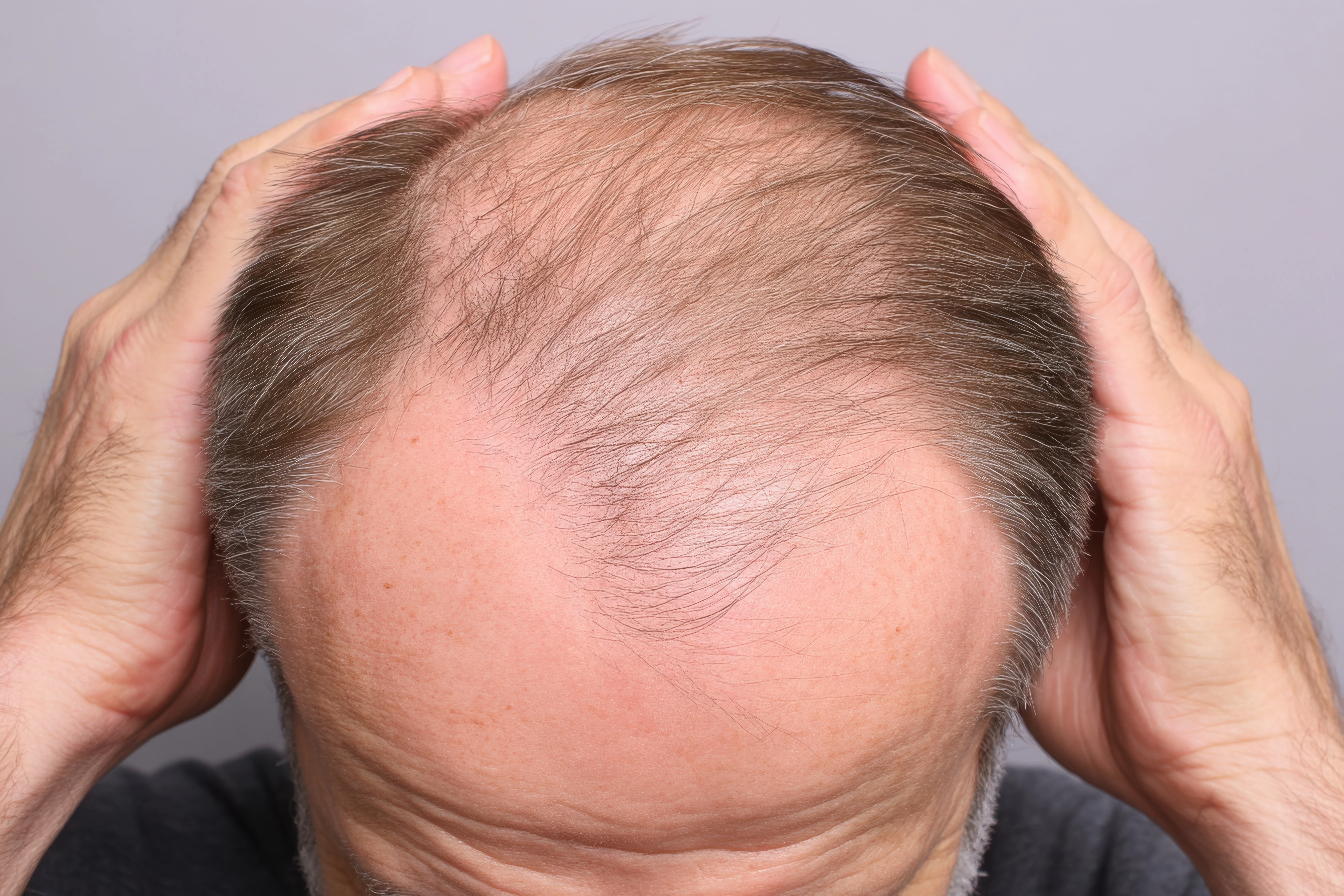
Hair loss directly impacts self-image and confidence. When men notice crown thinning or a receding hairline, the emotional desire for a fast solution often conflicts with the slow nature of human hair biology.
Hair grows in distinct cycles:
- Anagen Phase: The active growth phase, lasting two to six years.
- Catagen Phase: The transitional phase, lasting two to three weeks.
- Telogen Phase: The resting phase, lasting three to four months, ending in hair shedding.
Because the telogen phase naturally takes several months, any therapeutic intervention targeting the hair follicle root requires at least three to six months to show initial physical changes, and up to 12 to 18 months for peak results. Expecting visible hair thickening in 30 days is one of the primary reasons men perceive treatments as ineffective.
2. Confusing Maintenance with Failure
Another major source of misunderstanding is the definition of treatment success. In clinical dermatology, stopping the progression of hair loss is considered a successful outcome for male pattern baldness.
Because androgenetic alopecia is a progressive genetic condition, maintaining current hair density over a five-to-ten-year period represents significant medical efficacy. However, patients often measure success exclusively by dramatic new growth. When a treatment holds the line against further loss, men may falsely conclude that "nothing is happening" and abandon therapy.
Core Misconceptions About How Hair Loss Treatments Work
To navigate treatment options effectively, men must separate biological facts from common hair loss myths.
Myth 1: "Treatments Create Brand-New Hair Follicles"
A widespread belief is that topical solutions or oral pills can grow hair on smooth, shiny, bald skin. In reality, human adults cannot naturally generate brand-new hair follicles (a process called de novo folliculogenesis).
What therapies actually do is reverse follicular miniaturization. Under the influence of dihydrotestosterone (DHT), susceptible hair follicles gradually shrink over successive growth cycles, producing thinner, shorter, and lighter hairs (vellus hair) until the follicle eventually becomes completely dormant and fibrotic. Medical treatments can reactivate miniaturized follicles that are still viable, but once a follicle has fully scarred over, non-surgical medical therapies can no longer produce hair in that location.
Myth 2: "Initial Shedding Means the Treatment Is Worsening Hair Loss"
Perhaps the most alarming stage for men starting treatments like topical minoxidil or oral finasteride is treatment-induced shedding (often called the "minoxidil shed").
When a growth-stimulating therapy or DHT inhibitor is introduced, it forces weak, miniaturized hairs currently stuck in the resting (telogen) phase to shed prematurely. This shedding makes way for a new, stronger active growth (anagen) phase.
- Why it happens: The follicle root is resetting its timing mechanism.
- When it occurs: Usually within the first two to eight weeks of starting treatment.
- What it signifies: It is actually a sign that the medication is actively altering the hair follicle cycle as intended.
Panicking and stopping treatment during this phase leaves the scalp with fewer active hairs without allowing the incoming healthy hairs time to emerge.
Myth 3: "Over-the-Counter Supplements Can Replace Clinical Interventions"
Marketing campaigns frequently highlight vitamins like biotin, collagen, or saw palmetto as natural substitutes for clinical medications. While severe nutritional deficiencies can lead to a secondary condition known as telogen effluvium (generalized shedding), routine male pattern hair loss is driven by genetics and androgenic hormones, not a vitamin deficiency.
| Ingredient / Compound | Biological Target | Clinical Role in Androgenetic Alopecia |
|---|---|---|
| Biotin (Vitamin B7) | Keratin synthesis support | Effective for true deficiency; minimal impact on genetic male pattern loss. |
| Saw Palmetto | Weak 5-alpha reductase inhibition | Mild dietary support; significantly less potent than pharmaceutical inhibitors. |
| Finasteride | Type II 5-alpha reductase enzyme | Suppresses serum DHT levels by roughly 70%; clinically proven to arrest genetic hair loss. |
| Minoxidil | Potassium channel opener / Vasodilator | Extends anagen phase and increases blood flow/nutrient delivery to hair follicles. |
Comparing Major Male Thinning Hair Treatment Modalities
Evaluating treatments side-by-side helps set realistic expectations regarding mechanism, efficacy, and maintenance requirements.
| Treatment Modality | Primary Mechanism | Primary Purpose | Timeline to Initial Results | Long-Term Requirement |
|---|---|---|---|---|
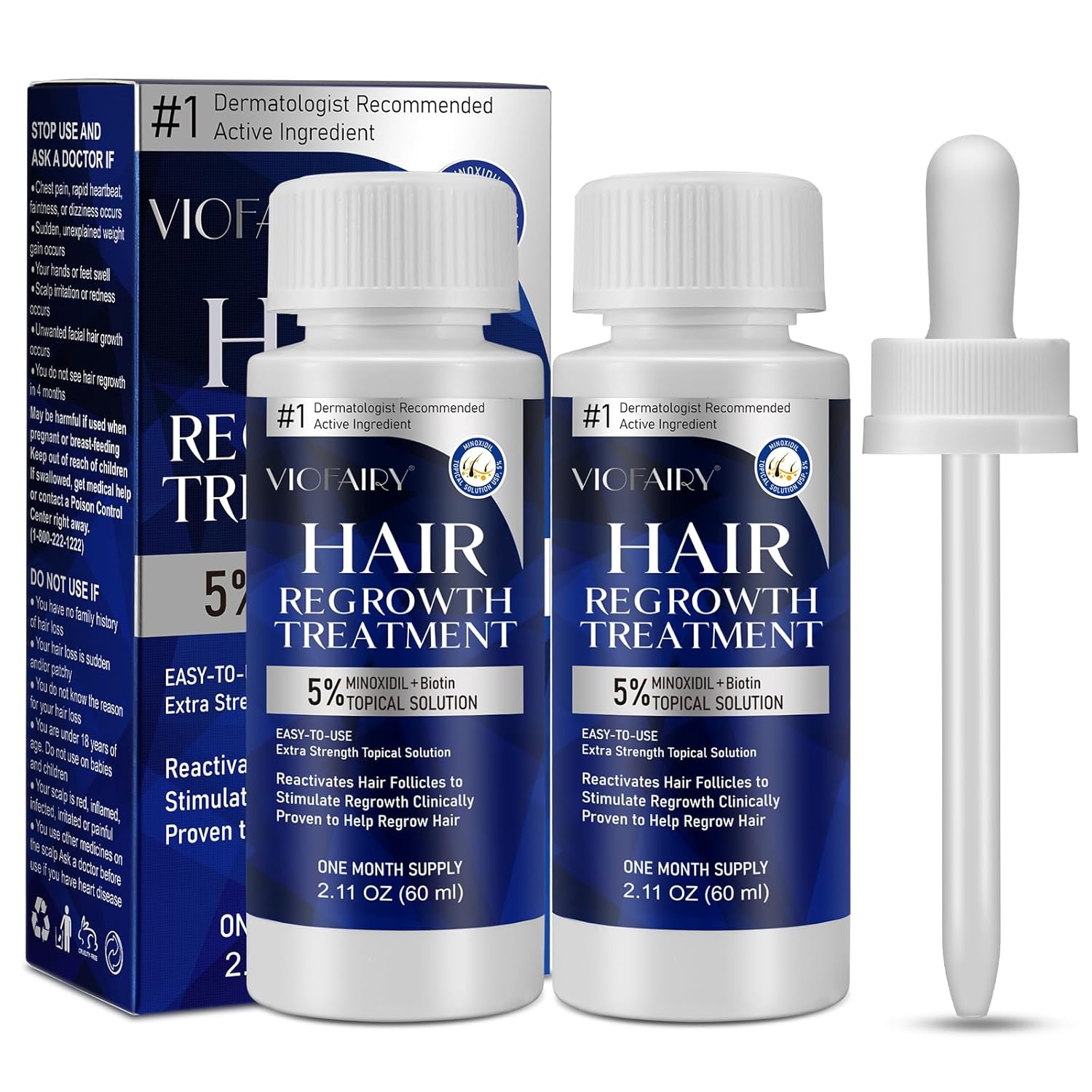
| Topical Minoxidil (2% or 5%) | Vasodilation; shifts follicles from telogen to anagen phase. | Thickens miniaturized hair; increases shaft diameter. | 3 to 6 months | Indefinite daily application; stopping causes loss of gained hair. |
| Oral Finasteride (1 mg daily) | Inhibits Type II 5-alpha reductase, lowering systemic scalp DHT. | Prevents progressive follicle miniaturization. | 6 to 12 months | Continuous daily use required to maintain DHT suppression. |
| Topical Finasteride | Localized 5-alpha reductase inhibition with lower systemic exposure. | Prevents follicle miniaturization locally. | 6 to 12 months | Ongoing topical application. |
| Low-Level Laser Therapy (LLLT) | Photobiomodulation; stimulates cellular ATP production in follicles. | Adjunctive therapy to improve hair quality and density. | 4 to 6 months | Regular sessions (3-4 times per week) indefinitely. |
| Platelet-Rich Plasma (PRP) | Injects concentrated growth factors from patient's blood into scalp. | Stimulates dormant follicles and improves vascularization. | 3 to 6 months | Initial series of 3-4 sessions, followed by maintenance every 6-12 months. |
| Hair Transplant Surgery (FUE/FUT) | Relocates DHT-resistant donor follicles to thinning or bald regions. | Restores hairline structure and density in dead zones. | 9 to 12 months for full transplant growth | Requires medical therapy (Finasteride/Minoxidil) to protect surrounding native hair. |
The Role of DHT and Hormonal Dynamics in Hair Thinning
A foundational misunderstanding about male hair loss centers on testosterone itself. Many men assume that going bald means they have abnormally high testosterone levels. However, male pattern baldness is primarily driven by sensitivity to a specific byproduct of testosterone, not total circulating testosterone.
Testosterone + 5-Alpha Reductase Enzyme ---> Dihydrotestosterone (DHT) | v Binds to Sensitive Scalp Receptors | v Follicular Miniaturization & Loss
- The Enzyme Conversion: An enzyme called 5-alpha reductase (5-AR) converts a small percentage of circulating testosterone into dihydrotestosterone (DHT).
- Receptor Sensitivity: Hair follicles on the top and crown of the scalp contain genetically predetermined androgen receptors. In sensitive men, DHT binds to these receptors, triggering cellular pathways that shorten the growth phase and shrink the follicle.
- The Misconception Around Side Effects: Because finasteride lowers DHT levels, men often express concern about systemic hormonal disruptions. In clinical studies published in medical literature, sexual side effects (such as decreased libido or erectile dysfunction) occurred in a low percentage of men (typically 1.5% to 3.8%), which was close to the rates observed in placebo groups. While persistent side effects are reported in rare instances, for the vast majority of men, 5-alpha reductase inhibitors are well-tolerated when monitored by a doctor.
The Surgical Myth: Hair Transplants Are Not a "One-and-Done" Fix
Hair transplantation using techniques like Follicular Unit Extraction (FUE) or Follicular Unit Transplantation (FUT) has advanced significantly. However, surgical procedures are frequently misunderstood as a permanent replacement for medical therapy.
The Principle of Donor Dominance
Hair transplant surgeons harvest follicles from the back and sides of the head (the "donor zone"). These specific follicles are genetically programmed to resist DHT. When transplanted to the front or crown of the scalp, they retain this resistance and continue growing for life.
The Fate of Native Hair
While the transplanted hair remains stable, the surrounding native hair continues to be exposed to DHT and will proceed along its genetically determined path of miniaturization.
Without ongoing medical management (such as finasteride or minoxidil) following a hair transplant:
- Native hair behind the transplanted area continues to thin and shed.
- Patients can develop unnatural gaps or island patterns of hair behind the surgical restoration.
- Additional transplant procedures may be needed to cover ongoing native loss, potentially exhausting the finite donor supply.
Therefore, hair transplantation is best viewed as a structural reconstruction tool, while medical therapies serve as the vital ongoing maintenance infrastructure.
Practical Action Plan Before Starting Hair Loss Treatment
To avoid falling victim to common misunderstandings and ensure the best potential outcome, consider the following step-by-step approach:
- Obtain an Accurate Medical Diagnosis: Rule out non-genetic causes of hair shedding, such as thyroid dysfunction, auto-immune conditions (e.g., alopecia areata), high physical stress, or severe nutritional deficits.
- Establish Baseline Documentation: Take clear, high-resolution photographs of your hairline, temples, and crown under consistent lighting before starting any regimen. Subjective visual assessments in the mirror day-to-day make it difficult to track subtle improvements over six months.
- Commit to a Realistic Timeline: Give any evidence-based treatment a minimum of six months of uninterrupted, daily consistency before evaluating its effectiveness.
- Prepare for the Shedding Window: Recognize that increased shedding during weeks two through eight is often a predictable biological response signaling cycle renewal, rather than treatment failure.
- Combine Therapies for Synergistic Effects: Clinical research shows that combining a growth stimulant (like topical minoxidil) with a DHT blocker (like oral or topical finasteride) offers higher success rates than monotherapy, as they target two entirely different pathways.
Frequently Asked Questions
Is hair shedding normal when starting minoxidil or finasteride?
Yes, temporary hair shedding is a common and expected response during the first two to eight weeks of starting proven hair growth treatments. The medication encourages weak, miniaturized hairs in the resting phase to shed so the follicle can transition into a new, healthier active growth phase.
What happens if I stop taking hair thinning treatments?
Male pattern hair loss is an ongoing genetic process. If you stop using medical treatments like finasteride or minoxidil, your hair follicles will gradually return to their genetically programmed miniaturization path. Any hair retained or regrown due to the treatment will typically shed within three to six months after stopping.
Are topical hair loss treatments safer than oral medications?
Topical formulations (such as topical finasteride or topical minoxidil) are designed to target the scalp directly while minimizing systemic absorption into the bloodstream. Clinical studies indicate that topical finasteride can effectively reduce scalp DHT while causing less reduction in systemic serum DHT, potentially lowering the incidence of systemic side effects.
How long does it take to see definitive results from hair loss treatments?
Hair grows at an average rate of about half an inch per month. Because the hair growth cycle is slow, initial stabilization of loss usually takes three to six months, while visible thickening or regrowth typically requires 6 to 12 months of consistent daily application or administration.
Can biotin or dietary changes reverse male pattern baldness?
Nutritional adjustments and biotin supplements only correct hair loss caused by specific dietary deficiencies or metabolic stress. They do not block the hormonal impact of DHT on hair follicles or alter male pattern baldness genetics.
Summary Recommendation
The primary key to successful hair restoration is aligning expectations with biological science. Hair loss treatments do not work overnight, nor do they create new hair follicles where none exist. By choosing clinically validated protocols, maintaining photographic baselines, anticipating early shedding, and consulting with a qualified dermatologist, men can navigate thinning hair care safely and effectively.
Image Gallery